
Navigating the used car market can be a daunting yet rewarding endeavor. With careful planning and a strategic approach, you can unearth a reliable vehicle that fits your budget and needs without falling prey to common pitfalls. This guide focuses on the financial aspects of acquiring a pre-owned automobile, emphasizing how to approach the process with your wallet firmly in mind.
I. Budgeting and Financial Planning: Setting the Foundation for Your Used Car Search
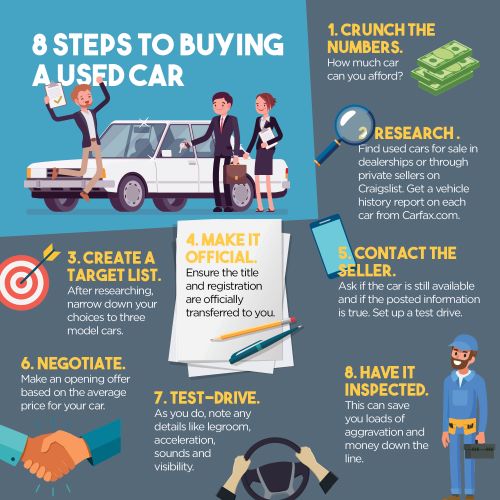
Before you even begin browsing dealerships or online listings, the most crucial step is to establish a realistic budget. This isn’t just about the sticker price; it encompasses all the associated costs that come with car ownership. A well-defined budget will prevent you from overspending and ensure you can afford not only the purchase but also the ongoing expenses.
A. Determining Your Total Cost of Ownership
The initial purchase price is merely the tip of the iceberg. To truly understand what you can afford, you need to consider the total cost of ownership (TCO). This includes:
- Purchase Price: This is the amount you’ll pay for the car itself. Factor in taxes, registration fees, and any dealer fees that might apply.
- Financing Costs: If you’re taking out a loan, your interest rate and loan term will significantly impact your monthly payments and the overall amount you repay. Shopping around for the best auto loan rates from banks and credit unions before visiting a dealership can save you thousands over the life of the loan. Understand the difference between APR (Annual Percentage Rate) and interest rate, as APR includes fees and provides a more accurate picture of your borrowing cost.
- Insurance Premiums: Get quotes for insurance on potential vehicles before you buy. Premiums vary widely based on the car’s make, model, year, safety features, your driving record, and your location. A more expensive car to repair or a sports car, for example, will generally have higher insurance costs.
- Maintenance and Repairs: Used cars, by definition, have mileage and wear. Budget for routine maintenance (oil changes, tire rotations, brake checks) and potential unexpected repairs. Research common issues for the models you’re considering. Older cars or those with higher mileage are more likely to require repairs sooner. Consider setting aside a dedicated “repair fund” in your savings.
- Fuel Costs: Estimate your monthly fuel expenses based on the car’s fuel efficiency (MPG) and your typical driving habits. A fuel-efficient car can save you a considerable amount of money over time, especially with fluctuating gas prices.
- Registration and Taxes: Don’t forget annual registration fees and any sales or excise taxes levied by your state or municipality.
B. Exploring Financing Options
Securing the right financing is paramount to keeping your used car purchase within budget.
- Cash Purchase: If you have the funds available, paying in cash eliminates interest charges and simplifies the transaction. However, ensure this doesn’t deplete your emergency fund.
- Auto Loans: This is the most common method.
- Dealership Financing: While convenient, dealership financing often comes with higher interest rates compared to independent lenders. Always compare their offers to pre-approved loans.
- Bank and Credit Union Loans: These institutions typically offer competitive interest rates. Get pre-approved for a loan before you start shopping. This gives you a clear budget and negotiation leverage. Credit unions, in particular, are known for offering lower rates to their members.
- Online Lenders: A growing number of online lenders specialize in auto loans, offering competitive rates and a streamlined application process. Research their reputation and terms carefully.
- Leasing a Used Car: While less common than leasing new vehicles, some dealerships offer used car leasing programs. This can result in lower monthly payments but you won’t own the car at the end of the lease term and may face mileage restrictions and wear-and-tear charges. This is generally not the best option if your goal is to build equity.
II. Research and Valuation: Knowing What a Used Car is Worth
Once you have your financial parameters in place, the next critical phase involves thorough research to understand the market value of the used cars you’re interested in. This knowledge is your strongest asset when negotiating prices and avoiding overpayment.
A. Utilizing Online Valuation Tools
Several reputable online resources can provide estimated market values for used cars. These tools use vast databases of sales data to give you a realistic idea of what a car is worth based on its year, make, model, mileage, condition, and features.
- Kelley Blue Book (KBB): KBB is a long-standing authority in car valuation. They offer “Fair Market Range” and “Suggested Retail Price” based on different selling scenarios (e.g., private party, dealer retail).
- Edmunds: Similar to KBB, Edmunds provides comprehensive pricing information, including “True Market Value” and dealer cost estimates.
- NADA Guides: The National Automobile Dealers Association (NADA) also offers vehicle valuation tools, often used by lenders and dealers.
- Consumer Reports: While not solely a valuation tool, Consumer Reports offers detailed reviews and reliability ratings that can inform your decision and indirectly impact a car’s perceived value and long-term cost.
When using these tools, be as accurate as possible with the car’s details. Minor discrepancies can lead to significantly different valuations.
B. Comparing Similar Listings
Beyond official valuation tools, actively compare the prices of similar vehicles currently for sale in your area.
- Online Marketplaces: Websites like Craigslist, Facebook Marketplace, AutoTrader, Cars.com, and eBay Motors are excellent for seeing what sellers are asking for comparable cars. Pay attention to how long a listing has been active, as this can sometimes indicate if the asking price is too high.
- Dealership Websites: Browse the inventory of local dealerships for the models you’re interested in. This gives you a sense of dealer pricing strategies.
- Private Seller Listings: Private sellers typically ask for less than dealerships, but the buying process can be more involved. Their pricing often reflects a desire for a quicker sale.
When comparing listings, look for cars with similar mileage, condition, trim levels, and options. A car with a premium sound system or advanced safety features will naturally command a higher price.
C. Understanding Market Demand and Depreciation
Certain makes and models hold their value better than others. Research the reputation of brands and specific models for their reliability and desirability. Cars with a history of strong resale value often indicate good build quality and sustained demand. Conversely, models known for expensive repairs or a tendency to depreciate quickly should be approached with caution, even if the initial purchase price seems attractive.
III. Savvy Shopping Strategies: Where and How to Find the Best Deals
With your budget and research in hand, you’re ready to actively seek out your next used vehicle. This involves strategically looking in the right places and employing smart negotiation tactics.
A. Exploring Different Seller Types
Each type of seller offers a different set of advantages and disadvantages from a financial perspective.
- Franchise Dealerships (New Car Dealers): These dealerships sell new cars but also have a significant inventory of used cars, often including trade-ins and certified pre-owned (CPO) vehicles.
- Pros: Often offer CPO programs with extended warranties and inspections, a wider selection of newer used cars, and easier financing options. They generally have a reputation to uphold.
- Cons: Prices tend to be higher due to overhead and reconditioning costs. Negotiation might be tougher.
- Independent Used Car Dealerships: These dealerships specialize exclusively in selling pre-owned vehicles.
- Pros: Can offer more competitive pricing than franchise dealerships, a wider variety of makes and models, and sometimes more flexibility in negotiation.
- Cons: Vehicle quality can vary significantly. Warranties may be limited or offered by third parties. Due diligence on the dealership’s reputation is crucial.
- Private Sellers: Individuals selling their own vehicles.
- Pros: Typically offer the lowest prices as there are no dealer markups. You can often get a clearer history of the car directly from the owner.
- Cons: No warranties, no financing assistance, “as-is” sales, and you are responsible for all inspections and paperwork. Requires more effort and self-reliance.
- Online Retailers (e.g., Carvana, Vroom, Shift): These companies have disrupted the traditional car buying model by offering a fully online experience.
- Pros: Convenience, often competitive pricing, a large inventory accessible from home, and home delivery. Many offer return periods.
- Cons: You can’t test drive the car before purchase (though return policies mitigate this), and some buyers prefer the personal interaction of traditional dealerships. Inspection reports are provided, but a pre-purchase inspection is still recommended.
B. Leveraging Negotiation and Deal Closing
Once you’ve found a car you’re interested in, the negotiation phase begins. Your preparedness will be your greatest weapon.
- Be Prepared to Walk Away: This is the golden rule of negotiation. If you’re too attached to a specific car or deal, you lose leverage.
- Focus on the Out-the-Door Price: Always negotiate the final price, including all taxes, fees, and add-ons. Don’t get sidetracked by monthly payment discussions until the total price is agreed upon.
- Use Your Research: Refer to your valuation data and comparable listings to justify your offer. “Based on my research, similar vehicles are selling for X,” is a powerful statement.
- Factor in Reconditioning Costs: If you notice minor issues (e.g., a scratch, worn tires), use them as leverage for a price reduction. You can then factor in the cost of repairs.
- Get it in Writing: All agreements, especially regarding price, warranties, and included extras, should be documented.
IV. Post-Purchase Financial Due Diligence: Securing Your Investment
Buying the car is only the first financial hurdle. Ensuring its long-term financial viability requires ongoing attention.
A. The Importance of a Pre-Purchase Inspection (PPI)
Even if the car looks good and the seller seems trustworthy, a PPI is a non-negotiable step for any savvy buyer.
- What is a PPI? It’s an inspection performed by an independent, trusted mechanic of your choice before you finalize the purchase.
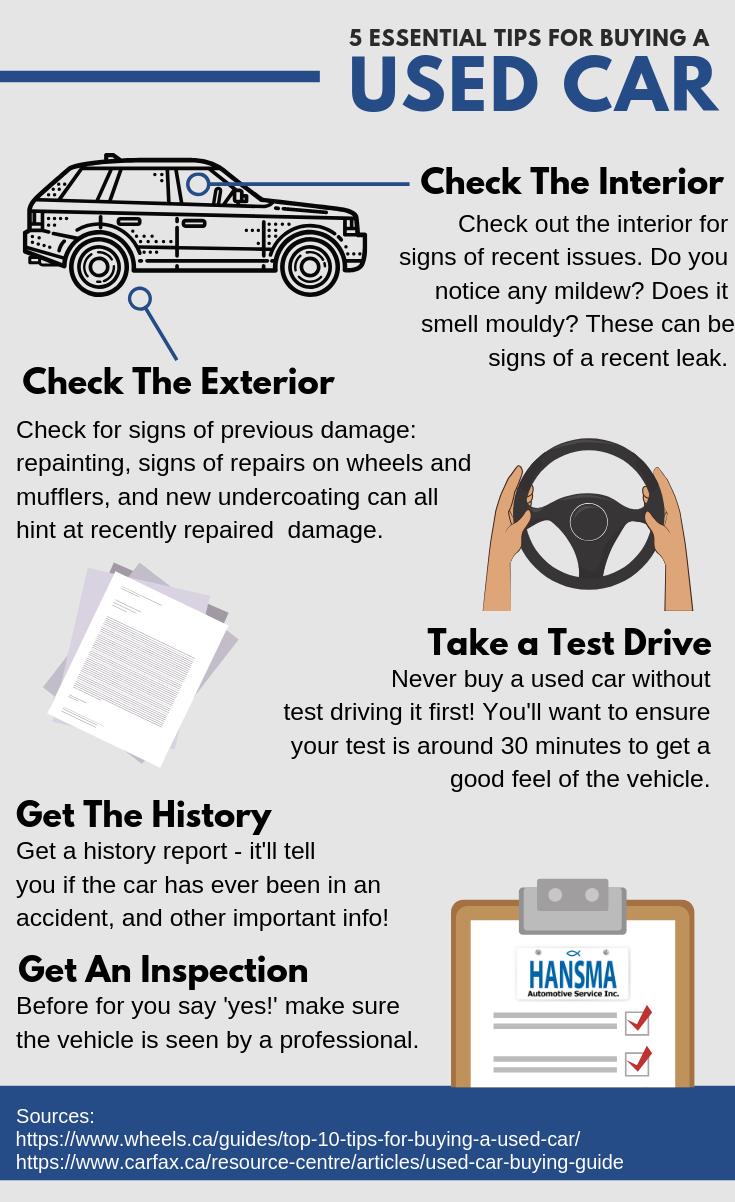
- Why is it Crucial? A mechanic can identify hidden mechanical issues, rust, or potential problems that you or even a dealership’s inspection might miss. This can save you thousands in unexpected repair bills down the line and provides critical information for negotiation.
- Cost vs. Benefit: While a PPI costs money (typically $100-$250), it is a small price to pay compared to the potential cost of major repairs on a faulty used car. If the seller refuses a PPI, it’s a significant red flag.
B. Vehicle History Reports: Uncovering Past Incidents
A vehicle history report provides a crucial look into a car’s past.
- Key Information: These reports (like Carfax or AutoCheck) can reveal accident history, flood damage, salvage titles, odometer discrepancies, and service records.
- Limitations: While invaluable, these reports are not foolproof. Not all incidents are reported. A clean report doesn’t guarantee a perfect history, but a red flag on a report is a definite cause for concern.
- Cost-Effective: Many online car marketplaces offer free vehicle history reports. If not, they are relatively inexpensive to purchase and well worth the investment.

C. Establishing an Emergency Fund for Car Repairs
As mentioned earlier, setting aside a dedicated fund for unexpected car repairs is a wise financial move. Used cars, even well-maintained ones, can surprise you with repair needs. Aim to have at least a few hundred to a couple of thousand dollars saved specifically for automotive emergencies. This fund prevents you from having to take out high-interest loans or miss essential financial obligations when a repair is needed. By proactively managing your finances around used car ownership, you can enjoy the benefits of a more affordable vehicle without the associated financial anxieties.
aViewFromTheCave is a participant in the Amazon Services LLC Associates Program, an affiliate advertising program designed to provide a means for sites to earn advertising fees by advertising and linking to Amazon.com. Amazon, the Amazon logo, AmazonSupply, and the AmazonSupply logo are trademarks of Amazon.com, Inc. or its affiliates. As an Amazon Associate we earn affiliate commissions from qualifying purchases.