
In the intricate world of personal finance, a few numbers are paramount to managing your money effectively. Among these, your checking account number stands out as a critical identifier, essential for a myriad of financial transactions, from setting up direct deposit for your paycheck to linking your accounts with various financial tools. Despite its importance, many individuals find themselves unsure of where to locate this crucial sequence of digits when it’s needed most. This article aims to demystify the process, offering a comprehensive and secure guide to finding your checking account number with ease, thereby empowering you to confidently navigate your financial landscape.
Understanding where and how to access this information is not just about convenience; it’s a fundamental aspect of maintaining control over your financial affairs. Whether you’re a seasoned investor, a nascent saver, or simply managing your daily expenses, knowing how to quickly retrieve your checking account number can save you time, prevent delays, and ensure your financial operations run smoothly.
Understanding Your Account Number and Its Importance
Before delving into the practical methods of finding your checking account number, it’s vital to grasp what this number represents and why it’s so critical. Often confused with other numerical identifiers, your checking account number serves a unique purpose in the financial ecosystem.
Distinguishing Your Account Number from Other Identifiers
Your checking account number is a unique sequence of digits assigned by your bank to specifically identify your individual checking account. It acts like a personal identifier for your funds within the financial institution. This is distinct from several other numbers you encounter:
- Routing Number: This is a nine-digit code that identifies your specific bank or financial institution. When funds are transferred electronically, the routing number directs the transaction to the correct bank, while your account number directs it to your specific account within that bank. Think of the routing number as the bank’s address and your account number as your apartment number within that building.
- Debit Card Number: The 16-digit number on your debit card is tied to your card, not directly to your checking account. While linked, it’s primarily for point-of-sale transactions and online purchases where the card is physically or virtually present. Your debit card number is not interchangeable with your checking account number for tasks like direct deposit.
- Check Number: This is the sequential number found on each individual check, used for tracking purposes and reconciliation. It has no bearing on identifying your account itself.
Understanding these distinctions is crucial for accurate financial transactions and for safeguarding your information. Providing the wrong number can lead to delays, incorrect payments, or even fraudulent activity.
Common Scenarios Requiring Your Account Number
The utility of your checking account number extends across numerous financial activities. You’ll likely need it for:
- Setting Up Direct Deposit: This is perhaps the most common reason. Employers, government agencies (for tax refunds or benefits), and other entities require your routing and account numbers to electronically deposit funds directly into your checking account. It ensures your paychecks or benefits arrive safely and on time, eliminating the need for paper checks.
- Automatic Bill Payments: While many bills can be paid using a debit or credit card, some service providers or lenders prefer or require your bank account and routing numbers for recurring automatic withdrawals. This is often seen with mortgage payments, loan installments, or utilities, as it provides a stable and direct link to your funds.
- Wire Transfers: For sending or receiving significant sums of money, especially internationally or between different financial institutions, wire transfers often necessitate both the sender’s and recipient’s routing and account numbers to ensure the funds reach the correct destination securely.
- Linking External Financial Accounts: If you use multiple financial institutions – perhaps a savings account at one bank and a brokerage account at another – you’ll need your checking account number to link them for easy transfers between your various financial holdings. This integration is key for a holistic approach to personal finance management.
- Connecting to Third-Party Financial Apps: Many popular budgeting apps, payment services (like PayPal, Venmo, or Zelle), and investment platforms allow you to link your checking account directly for seamless transfers and financial tracking. This connectivity helps centralize your financial data and streamline your digital money management.
- Ordering New Checks: When you run low on physical checks, you’ll need your account and routing numbers to place a new order, ensuring the checks are correctly linked to your account.
In essence, your checking account number is a cornerstone of modern personal finance, enabling the efficient movement and management of your money across various platforms and services.
Essential Methods for Locating Your Checking Account Number
Finding your checking account number is generally a straightforward process, thanks to several readily available resources. Depending on your personal preferences and the urgency of your need, you can choose the method that best suits you.
The Physical Checkbook Method: A Classic Approach
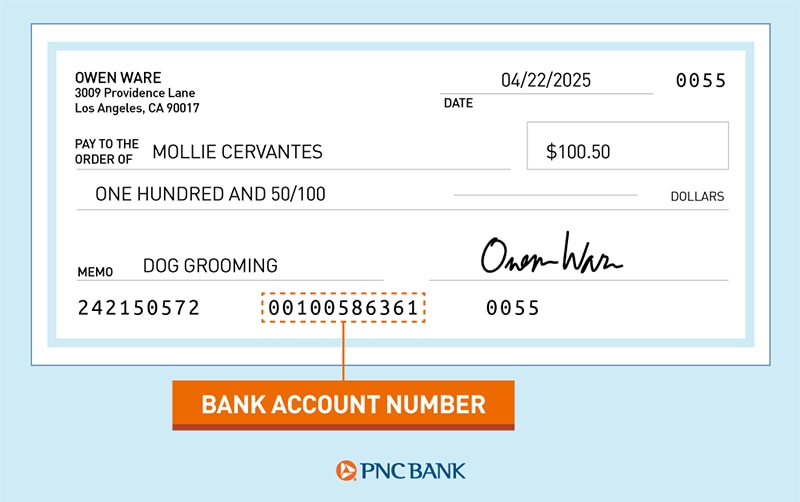
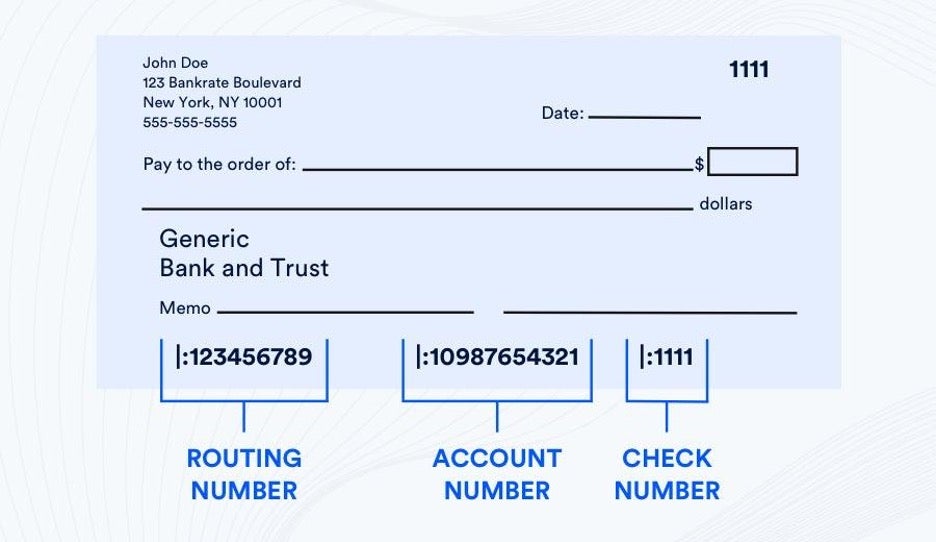
For those who still use a traditional checkbook, this is often the most intuitive method. Your checking account number, along with your bank’s routing number, is printed directly on every physical check.
- Locating the Numbers: Look at the bottom edge of one of your checks. You’ll typically see three sets of numbers separated by special symbols.
- The first set of numbers, on the far left, is your routing number (usually nine digits).
- The second set of numbers, usually in the middle, is your checking account number. This can vary in length, often between 10 to 12 digits, but sometimes more or less.
- The third set of numbers, on the far right, is the check number, which corresponds to the sequential number printed in the top right corner of the check.
- Understanding the MICR Line: These numbers are printed using Magnetic Ink Character Recognition (MICR) font, which allows machines to read them quickly and accurately. Always double-check which set of numbers corresponds to your account number, as some banks may slightly alter the order. When in doubt, it’s usually the middle set after the routing number.
- What if You Don’t Have Checks? If you primarily conduct your banking digitally or have run out of checks, this method won’t be viable, requiring you to explore other options.
Harnessing the Power of Online Banking and Mobile Apps
In today’s digital age, online banking portals and mobile apps are often the quickest and most convenient ways to access your account information. Most financial institutions provide this detail securely within their digital platforms.
- Step-by-Step for Online Banking:
- Log In: Navigate to your bank’s official website and log into your online banking portal using your username and password.
- Select Your Account: Once logged in, you’ll typically see a list of your accounts. Click on your checking account to view its details.
- Find Account Information: Look for sections labeled “Account Details,” “Account Summary,” “View Account Info,” or similar. Your checking account number (and often the routing number) will be displayed here. Some banks might partially obscure the number for security, requiring you to click “Show Full Number” or verify your identity with a password or PIN.
- Using Mobile Banking Apps:
- Open the App: Launch your bank’s official mobile app on your smartphone or tablet.
- Log In: Authenticate using your PIN, fingerprint, or facial recognition.
- Navigate to Account Details: Similar to online banking, tap on your checking account. The account number is usually found under “Account Details,” “Account Info,” or by tapping on an icon representing your account.
- Security Considerations: Always ensure you are using your bank’s official website or app, especially when entering login credentials. Avoid accessing sensitive financial information over unsecured Wi-Fi networks. Modern online banking platforms are designed with robust security features, but user vigilance remains key.

Consulting Your Bank Statements: Digital and Paper
Bank statements, whether physical documents mailed to you or digital versions accessible online, are comprehensive records that almost always include your checking account number.
- Digital Statements:
- Access Online Banking: Log into your bank’s online portal or mobile app.
- Navigate to Statements: Look for a section like “Statements,” “eStatements,” or “Documents.”
- Download/View: Select a recent checking account statement (usually available as a PDF). Your account number will typically be prominently displayed at the top or bottom of the statement.
- Paper Statements: If you still receive paper statements via mail, simply retrieve your most recent one. Your checking account number, along with your routing number, will be printed somewhere on the document, often near your name and address or within the account summary section.
- Advantages and Disadvantages: Bank statements offer a reliable source of information, providing all account details in one place. However, they might not be immediately available if you need the number urgently and haven’t downloaded or received a recent one.
Direct Contact with Your Financial Institution
When all other methods prove difficult or if you prefer direct assistance, contacting your bank is a reliable option. They can provide your checking account number after verifying your identity.
- Phone Support:
- Call Customer Service: Find your bank’s official customer service number (usually on their website, a recent statement, or the back of your debit card).
- Verification: Be prepared to answer security questions to confirm your identity. This might include your full name, date of birth, address, partial Social Security number, or recent transaction details.
- Request Information: Once verified, you can ask the representative for your checking account number.
- In-Person Visit:
- Visit a Branch: Go to a local branch of your bank during business hours.
- Bring ID: Make sure to bring a valid government-issued photo ID (e.g., driver’s license, passport) for identity verification.
- Request Assistance: A teller or customer service representative will be able to provide your account number after confirming your identity.
- Secure Messaging/Chat: Some banks offer secure messaging or chat services through their online banking portal. This allows you to communicate with a representative in a secure, encrypted environment, where you can request your account number after undergoing a digital verification process.
Choosing the right method depends on your immediate needs, access to resources, and personal comfort with digital vs. traditional banking interactions.
Safeguarding Your Account Number: Crucial Security Practices
While finding your checking account number is essential for managing your finances, protecting it from unauthorized access is equally, if not more, critical. Your account number, particularly when combined with your routing number, provides direct access to your funds.
Protecting Against Fraud and Unauthorized Access
Treat your checking account number with the same level of care as you would your Social Security number or other highly sensitive personal information.
- Be Vigilant Against Phishing: Never provide your account number (or any other sensitive information) in response to unsolicited emails, texts, or phone calls, even if they appear to be from your bank. Financial institutions will rarely ask for this information in an unsolicited manner. If you’re unsure, independently verify the sender by calling your bank’s official customer service number.
- Share Only When Necessary: Only share your account number with trusted entities for legitimate financial transactions (e.g., your employer for direct deposit, a reputable biller for automatic payments). Always verify the legitimacy of the request and the requesting party.
- Secure Online Access: Always ensure you are on a secure website (look for “https://” in the URL and a padlock icon) when accessing your online banking. Avoid using public Wi-Fi networks for banking, or use a Virtual Private Network (VPN) if you must.
Secure Storage and Disposal
How you store and dispose of documents containing your account number can significantly impact your security.
- Physical Documents: Avoid leaving checks, bank statements, or deposit slips lying around where others can easily access them. Store them in a secure, private location. When disposing of old checks or statements, always shred them thoroughly to prevent identity thieves from piecing together your information.
- Digital Storage: If you store digital copies of statements or other financial documents, ensure they are in a secure, encrypted folder on your computer or cloud storage. Use strong, unique passwords for all your online banking accounts and consider using a reputable password manager.
- Two-Factor Authentication (2FA): Enable 2FA on your online banking accounts and any linked financial apps. This adds an extra layer of security, typically requiring a code sent to your phone or generated by an authenticator app, in addition to your password.
What to Do If Your Account Number is Compromised
Despite all precautions, breaches can occur. Knowing what steps to take if your checking account number falls into the wrong hands is vital.
- Contact Your Bank Immediately: This is the absolute first step. Inform them that your account number may have been compromised. They can advise on the next steps, which may include placing a fraud alert, monitoring your account closely, or even closing the account and opening a new one with a different number if the risk is high.
- Monitor Your Account: Regularly review your bank statements and online transaction history for any unauthorized activity. Report any suspicious transactions to your bank at once.
- Change Passwords: Update passwords for your online banking and any linked financial accounts.
- Report to Authorities: If you suspect identity theft or significant fraudulent activity, consider filing a report with your local police department and relevant federal agencies.
Your checking account number is a powerful key to your financial resources. Treating it with the respect and security it deserves is a cornerstone of robust personal finance management.
Conclusion
The ability to quickly and securely locate your checking account number is a fundamental skill in today’s financial landscape. Whether you need it for direct deposit, automated bill payments, linking financial apps, or any other critical transaction, the methods outlined – from checking your physical checkbook or bank statements to leveraging online banking or contacting your bank directly – provide clear pathways to this essential piece of information.
Beyond mere retrieval, a deep understanding of its distinction from other identifiers and a steadfast commitment to security practices are paramount. Protecting your checking account number means safeguarding your financial assets and peace of mind. By adopting the professional insights and actionable steps provided, you can confidently navigate your financial world, ensuring your money is managed efficiently and remains secure. Knowing where to find your checking account number is not just about convenience; it’s about empowering yourself with control over your financial destiny.
aViewFromTheCave is a participant in the Amazon Services LLC Associates Program, an affiliate advertising program designed to provide a means for sites to earn advertising fees by advertising and linking to Amazon.com. Amazon, the Amazon logo, AmazonSupply, and the AmazonSupply logo are trademarks of Amazon.com, Inc. or its affiliates. As an Amazon Associate we earn affiliate commissions from qualifying purchases.