
In the intricate world of personal and business finance, certain identifiers are paramount to ensuring the smooth flow of money. Among these, the routing number stands out as a crucial element, acting as a digital address for your financial institution. For account holders with Chase, one of the largest and most prominent banks globally, knowing how to locate this essential nine-digit code is fundamental for a myriad of transactions, from setting up direct deposits to initiating wire transfers.
This guide delves deep into the significance of routing numbers, particularly for Chase customers, and provides a clear, step-by-step roadmap to finding yours. Understanding and correctly utilizing your Chase routing number is not just about convenience; it’s a cornerstone of effective financial management and security in an increasingly digital banking landscape.

Understanding the Routing Number’s Purpose and Importance
Before we dive into the “how-to,” it’s crucial to grasp the “why.” A routing number is more than just a sequence of digits; it’s the foundation upon which countless financial operations are built.
What is a Routing Number?
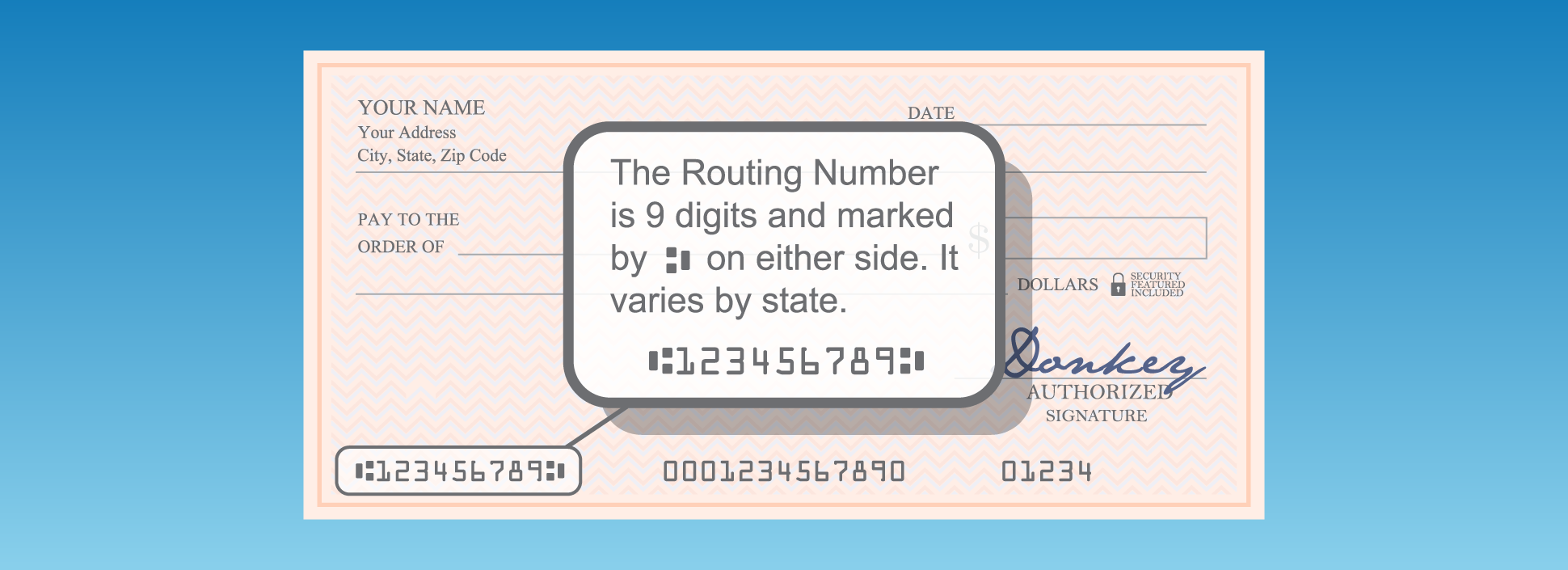
Officially known as an ABA (American Bankers Association) Routing Transit Number, a routing number is a nine-digit code used by financial institutions in the United States to identify where a payment originates and where it needs to go. Established in 1910, its primary purpose was to facilitate the sorting and delivery of paper checks. Today, its role has expanded dramatically, serving as a critical identifier for electronic funds transfers (EFTs).
Each routing number is unique to a specific bank or credit union, and sometimes even to a particular branch or region within a larger institution. It essentially directs funds to the correct financial institution, ensuring that your money reaches Chase Bank and not another entity.
Why You Need Your Chase Routing Number
The applications for your Chase routing number are extensive and touch nearly every aspect of modern financial life. You’ll frequently be asked for it in scenarios such as:
- Setting up Direct Deposit: For paychecks, government benefits (like Social Security), or tax refunds. Your employer or the issuing agency needs your bank’s routing number and your account number to send funds directly to your Chase account.
- Automatic Bill Payments (ACH Transactions): When you authorize a utility company, landlord, or loan servicer to automatically debit your account, they typically require your routing number and account number.
- Wire Transfers: Both domestic and international wire transfers depend on accurate routing numbers to ensure funds are sent to the correct receiving bank. Note that wire transfers often use a different routing number than standard ACH transfers.
- Online Payments and Transfers: Many online payment platforms and person-to-person transfer services might request your routing number to link your bank account.
- Funding Investment Accounts: When transferring funds from your Chase checking or savings account to an external brokerage or investment account.
- Tax Payments: When making federal or state tax payments directly from your bank account.
Without the correct routing number, these critical financial transactions can be delayed, rejected, or, in worst-case scenarios, misdirected, leading to significant inconvenience and potential fees.
Distinguishing Routing Numbers from Account Numbers
It’s vital not to confuse your routing number with your account number, though they are often requested together.
- Routing Number: Identifies your bank (Chase).
- Account Number: Identifies your specific account within Chase (e.g., your checking account, savings account, etc.).
Think of the routing number as the street address of a building (Chase Bank) and your account number as the specific apartment number within that building. Both are essential for delivering mail (or money) to the correct recipient.
Multiple Avenues to Locate Your Chase Routing Number
Chase Bank understands the importance of easily accessible financial information. Consequently, they provide several convenient methods for customers to find their routing numbers, catering to various preferences and situations.
On Your Checks and Deposit Slips
For many, the most traditional and readily available source for their routing number is their physical checks or deposit slips.
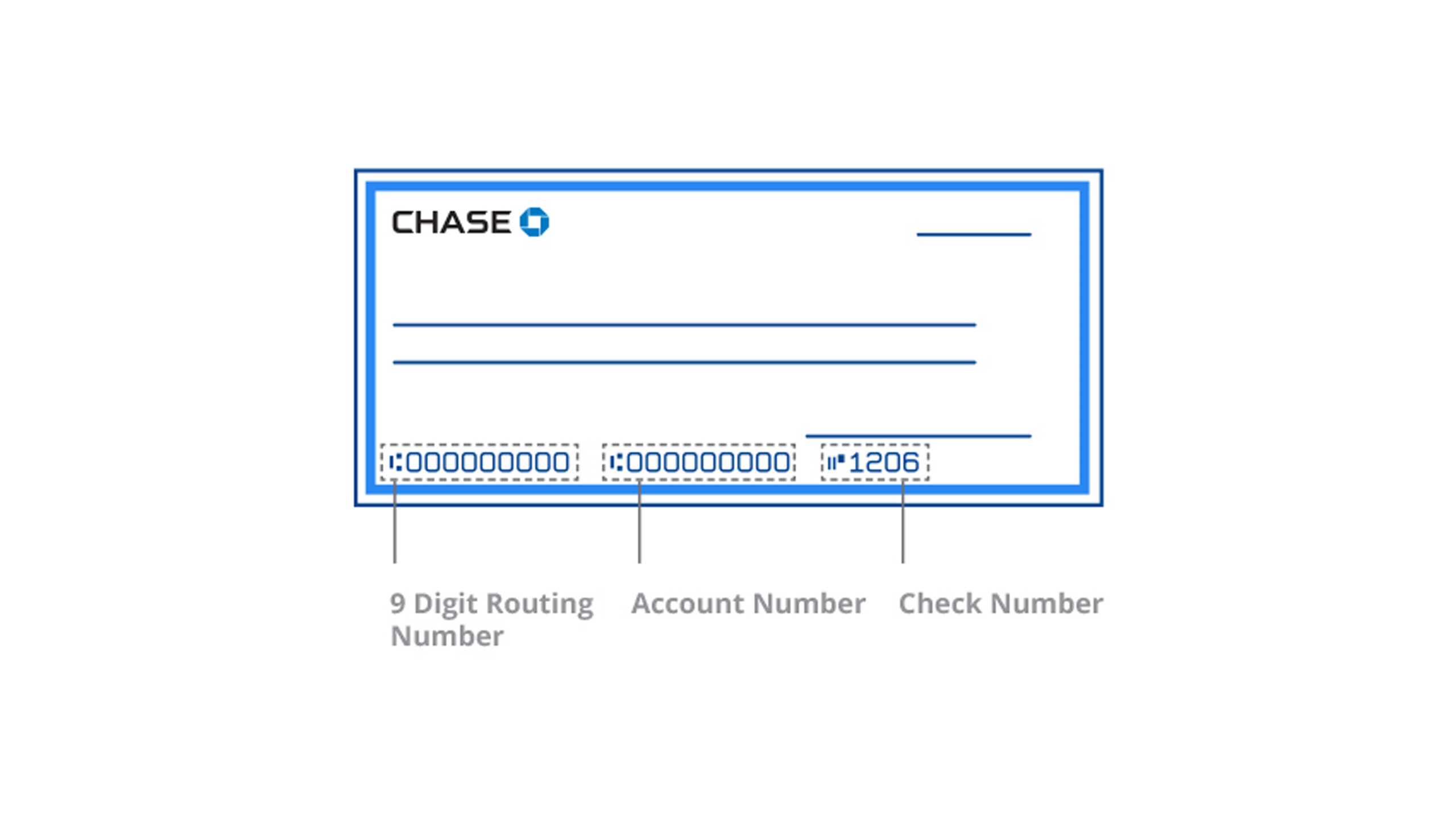
- Checks: Look at the bottom left-hand corner of your personal or business checks. You’ll typically see three sets of numbers. The first set of nine digits on the far left is your routing number. The middle set is your account number, and the third set is your check number.
- Deposit Slips: Similar to checks, deposit slips also feature the routing number, usually in the same bottom-left position.
This method is quick and reliable, provided you have a checkbook handy. Always ensure you’re using a check from the specific account for which you need the routing number, as you might have multiple Chase accounts.
Through Chase Online Banking
In our digital age, online banking portals have become the go-to resource for managing finances. Chase’s online banking platform offers a straightforward way to find your routing number.
- Log In: Access your Chase online banking account via their official website (www.chase.com).
- Select Account: Once logged in, navigate to the specific checking or savings account for which you need the routing number.
- Account Details/Statements: Look for a section often labeled “Account Details,” “Customer Service,” “Account Services,” or “Statements.” Within this section, your routing number is usually clearly displayed alongside your account number and other pertinent information. Some users might find it by clicking on the account name itself, which often expands to show more details.
The exact pathway might vary slightly based on website updates, but the information is consistently available within your account’s detailed view.
Using the Chase Mobile App
The Chase Mobile App provides unparalleled convenience, allowing you to manage your banking on the go. Finding your routing number through the app is just as simple:
- Log In: Open the Chase Mobile App on your smartphone or tablet and log in securely.
- Select Account: Tap on the specific checking or savings account.
- Show Details: Look for an option like “Show Details,” “Account Details,” or a similar link. This will typically reveal your account number and the associated routing number. For some app versions, you might need to tap a small ‘i’ icon or an arrow next to the account name.
The mobile app ensures that your routing number is always just a few taps away, making it incredibly useful when you’re not near a computer or your checkbook.
Contacting Chase Customer Service
If you encounter any difficulties or prefer direct assistance, Chase customer service is always an option.
- Phone: Call Chase’s customer service line. After verifying your identity, a representative can provide you with the correct routing number for your account. This is particularly useful if you need to confirm details or have specific questions about wire transfer routing numbers.
- Secure Message: Within your online banking portal, you can often send a secure message to Chase customer service. They will typically respond within a business day with the requested information.
- Branch Visit: For in-person assistance, visit any Chase branch. A bank representative will be able to help you locate your routing number and provide any other financial guidance you may need.
Chase Bank Website Resources
Chase also provides a dedicated section on its official website for general routing number information. While not tied to your specific account login, these pages often list the common routing numbers used for different regions or types of transactions (e.g., wire transfers). A quick search on “Chase routing number” on their website should direct you to this resource. Always cross-reference this with your account details if possible, especially if you opened your account in a different state or have unique account types.
Special Considerations for Chase Routing Numbers
While the process of finding your routing number is generally straightforward, Chase, like other large financial institutions, has nuances that customers should be aware of. These considerations ensure you use the correct number for the intended transaction.
Are Routing Numbers State-Specific or Account-Type Specific?
This is a common point of confusion. For many large banks like Chase, the routing number can indeed vary based on:
- Geographic Region: While Chase is a national bank, certain states or regions may have different routing numbers, particularly if the bank acquired smaller regional banks over time. However, for most common checking and savings accounts opened directly with Chase today, they often streamline to a relatively small set of routing numbers.
- Account Type: Generally, standard checking and savings accounts will share a common routing number for ACH transactions. However, specific types of accounts or specialized services might use different ones. For instance, wire transfers almost always utilize a distinct routing number.
Crucial Note: Always verify the routing number directly from your account details (online banking, mobile app, or checks) rather than relying on a general online search. This ensures accuracy for your specific account.
Routing Numbers for Wire Transfers vs. ACH Transfers
This distinction is perhaps the most critical for Chase customers to understand:
- ACH (Automated Clearing House) Transfers: These are common electronic transfers used for direct deposits, bill payments, and standard person-to-person transfers. The routing number found on your checks and within your online/mobile account details is typically for ACH transactions.
- Wire Transfers: These are faster, often more expensive, and more secure electronic transfers, primarily used for large sums or urgent transactions. Domestic wire transfers usually require a specific Chase routing number different from the standard ACH routing number. International wire transfers, on the other hand, typically require a SWIFT code (Society for Worldwide Interbank Financial Telecommunication) instead of an ABA routing number, along with other bank details.
If you are initiating or receiving a wire transfer, always confirm the correct routing number directly with Chase or through their official wire transfer instructions, which are usually available on their website or by contacting customer service. Using the wrong number can lead to significant delays, fees, or even loss of funds.
What to Do If You Have Multiple Chase Accounts
If you maintain multiple checking or savings accounts with Chase, it’s paramount to ensure you’re using the correct routing number for the specific account involved in a transaction.
- Verify for Each Account: When finding your routing number through online banking or the mobile app, explicitly select the correct account before retrieving the details.
- Check Different Checkbooks: If you have separate checkbooks for different Chase accounts, the routing number printed on each check will correspond to that specific account.
Assuming all your Chase accounts share the same routing number can lead to errors, especially if your accounts were opened at different times, in different regions, or for different purposes.
Best Practices for Using and Protecting Your Routing Number
While a routing number is generally considered less sensitive than your account number, handling it with care is part of sound financial hygiene. Adhering to best practices can prevent errors and enhance your financial security.
Verifying the Routing Number
The golden rule for any financial transaction is “double-check, then triple-check.”
- Before Submission: Always verify the routing number before providing it to an employer, biller, or any other party. A single incorrect digit can reroute your funds or delay critical payments.
- Official Sources: Rely only on official Chase sources (your checks, online banking, mobile app, or direct contact with customer service) to confirm your routing number. Avoid third-party websites or unverified sources.
When to Be Cautious About Sharing Your Routing Number
While providing your routing and account numbers to legitimate entities for direct deposit or bill pay is standard practice, exercise caution in other scenarios:
- Unsolicited Requests: Be wary of emails, calls, or texts from unknown sources requesting your banking information. Legitimate financial institutions or government agencies will rarely ask for this sensitive data via unsecure channels.
- Suspicious Websites/Apps: Only enter your banking details on secure, encrypted websites or trusted apps. Look for “https://” in the URL and a padlock icon.
- Phishing Scams: Routing and account numbers, when combined, can be used to initiate fraudulent transactions. Be vigilant against phishing attempts designed to trick you into revealing this information.
Impact of Incorrect Routing Numbers
Mistakes happen, but an incorrect routing number can have several negative repercussions:
- Delayed Transactions: Funds may be held up for days or weeks as banks attempt to correct the error or return the transaction.
- Returned Payments: For automated payments, an incorrect routing number will likely result in the payment being returned, potentially incurring late fees from the biller and fees from Chase for insufficient information.
- Fraudulent Activity: In rare but serious cases, an incorrect routing number could, in combination with other compromised data, facilitate fraudulent activity, though this is less common than with a compromised account number.
By exercising diligence and using the correct routing number, you can avoid these financial headaches and ensure your transactions proceed smoothly.
Conclusion
The Chase routing number, though a seemingly small detail, is an indispensable component of your financial toolkit. It’s the critical link that ensures your money finds its way to and from your accounts efficiently and securely. Whether you’re setting up your next paycheck for direct deposit, scheduling automatic bill payments, or handling more complex wire transfers, knowing how to quickly and accurately locate your Chase routing number is a fundamental aspect of modern personal finance.
By leveraging the various convenient methods provided by Chase – from the familiar figures on your checkbook to the intuitive interfaces of online banking and mobile apps – you can always access this vital information. Remember to distinguish between ACH and wire transfer routing numbers, verify your details from official sources, and practice caution when sharing sensitive financial information. Armed with this knowledge, Chase account holders can navigate their financial lives with greater confidence and control, ensuring every transaction lands precisely where it’s intended.
aViewFromTheCave is a participant in the Amazon Services LLC Associates Program, an affiliate advertising program designed to provide a means for sites to earn advertising fees by advertising and linking to Amazon.com. Amazon, the Amazon logo, AmazonSupply, and the AmazonSupply logo are trademarks of Amazon.com, Inc. or its affiliates. As an Amazon Associate we earn affiliate commissions from qualifying purchases.