
Understanding and meeting your Recommended Dietary Allowance (RDA) for protein is a cornerstone of maintaining optimal health, supporting muscle growth, aiding recovery, and facilitating various critical bodily functions. For decades, determining one’s individual protein RDA involved manual calculations, consulting complex nutritional tables, or seeking expert advice. While these traditional methods remain valid, the advent of sophisticated technology has revolutionized the way we can not only find our protein RDA but also track, manage, and optimize our protein intake with unprecedented precision and ease. This article delves into the technological landscape that empowers individuals to accurately pinpoint and adhere to their protein requirements, moving beyond cumbersome spreadsheets to intuitive digital solutions.
Understanding the Basics: Why RDA for Protein Matters, and How Tech Helps Interpret It
Before exploring the technological tools, it’s crucial to grasp the fundamental concept of protein RDA and the factors that influence it. Protein isn’t a one-size-fits-all nutrient; individual needs vary significantly. Technology, through its ability to process complex data and provide personalized insights, emerges as an invaluable ally in navigating these nuances.
What is RDA for Protein, and How Technology Standardizes Its Definition?
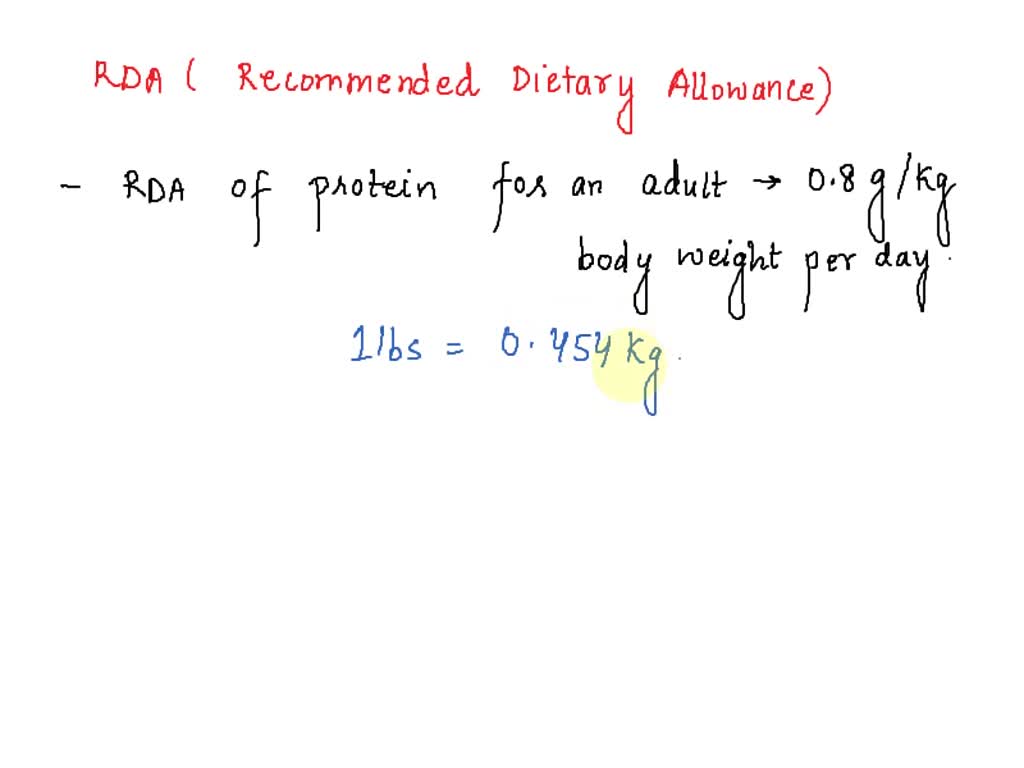
The Recommended Dietary Allowance (RDA) for protein is the average daily level of intake sufficient to meet the nutrient requirements of nearly all (97–98%) healthy individuals. It’s a guideline established by health organizations to prevent deficiency and ensure basic physiological functions. Typically, the general adult RDA for protein is 0.8 grams per kilogram of body weight. However, this is a baseline.
Technology platforms, from basic online calculators to advanced AI-driven nutrition apps, effectively codify these established guidelines. Instead of manually applying the 0.8 g/kg rule, users simply input their weight, and the application instantly provides a baseline RDA. This standardization, embedded within software algorithms, eliminates human error in initial calculations and ensures consistent application of health authority recommendations. Furthermore, these tools often provide context, explaining the ‘why’ behind the number and the source of the recommendation, fostering greater user understanding.
Factors Influencing Your Protein Needs: Personalization through Algorithmic Interpretation
While a general RDA exists, numerous individual factors significantly modify protein requirements. These include age, sex, activity level, body composition goals (e.g., muscle gain, weight loss), pregnancy, lactation, and specific health conditions. Manually adjusting for all these variables can be a daunting task, requiring a deep understanding of nutritional science.
This is where technology truly shines. Modern nutrition apps and software leverage sophisticated algorithms to interpret a user’s unique profile. When you input your age, gender, weight, height, activity level (sedentary, moderately active, very active, athlete), and personal goals, the software dynamically adjusts the protein RDA recommendation. For instance:
-
Age: Older adults often require more protein to combat sarcopenia (age-related muscle loss), and apps can automatically factor this in.
-
Activity Level: Athletes or individuals engaged in regular intense exercise typically need higher protein intake (e.g., 1.2-2.0 g/kg) for repair and growth. Advanced apps feature detailed activity logging that can recalibrate protein needs in real-time based on logged workouts.
-
Body Composition Goals: Someone aiming for muscle hypertrophy will receive a higher protein target than someone in a maintenance phase. Many apps offer goal-setting features that directly impact macro recommendations.
By integrating these variables into their core functionality, technological tools provide a personalized RDA that is far more accurate and actionable than a generic guideline, all without requiring the user to become a nutrition expert.
The Limitations of Manual Calculation: Paving the Way for Digital Solutions
Relying solely on manual calculations and memory for protein intake management presents several challenges:
-
Complexity and Time-Consuming: Accurately calculating protein from every meal and snack, factoring in differing food sources, and then comparing it against a dynamically shifting RDA is tedious and prone to errors.
-
Inaccuracy: Estimating portion sizes and protein content of various foods without a robust database often leads to significant inaccuracies.
-
Lack of Dynamic Adjustment: Manual methods struggle to adapt quickly to changes in activity levels, weight fluctuations, or evolving health goals, making it difficult to maintain an optimal intake over time.
-
Limited Insights: Manual tracking provides little in the way of comparative data, trend analysis, or actionable insights for improvement.
These limitations underscore the profound utility of digital solutions. Technology automates the calculation, provides vast food databases, offers dynamic adjustments, and generates insightful reports, thereby making protein RDA management accessible, accurate, and sustainable for everyone.
Leveraging Digital Tools and Apps for Protein RDA Calculation and Tracking
The market is saturated with digital tools designed to simplify nutritional tracking, and protein RDA calculation is a central feature of many. These tools range from basic online calculators to sophisticated, comprehensive nutrition management platforms.
Comprehensive Nutrition Tracking Apps: Your Personal Digital Dietitian
Applications like MyFitnessPal, Chronometer, LoseIt!, and FoodNoms have become household names for a reason. They offer an all-encompassing solution for dietary management, with protein RDA calculation and tracking as core functionalities.
-
Vast Food Databases: These apps boast extensive, often user-contributed and verified, food databases. Users can search for virtually any food item, scan barcodes, or even use AI-powered photo recognition to log their meals. Each food entry typically includes detailed macronutrient breakdowns, allowing the app to precisely calculate the protein consumed.
-
Personalized Goal Setting: Upon setup, users input their vital statistics, activity levels, and health goals (e.g., weight loss, muscle gain). The app’s algorithms then generate a personalized daily caloric and macronutrient target, including a specific protein RDA, which is dynamically adjusted based on the user’s progress or changes in activity.
-
Real-time Tracking and Feedback: As users log their food throughout the day, the app provides real-time updates on their protein intake compared to their RDA. Visual cues (progress bars, color-coding) make it easy to see if one is meeting, exceeding, or falling short of their target.
-
Meal Planning and Recipe Analysis: Many apps allow users to create and save custom meals or analyze recipes, instantly calculating the protein content per serving, which aids in proactive meal planning to hit RDA targets.
-
Integration with Wearables: Seamless integration with smartwatches and fitness trackers allows these apps to automatically adjust caloric expenditure, which in turn can fine-tune protein recommendations based on actual activity levels.
Specialized Protein Calculators and Websites: Quick and Focused Solutions
For those who don’t require a full-fledged nutrition tracker, a multitude of free online protein calculators and dedicated websites offer quick and straightforward RDA estimations. These tools are typically simpler, requiring just a few inputs (weight, activity level, gender) to provide an immediate protein recommendation.
-
Simplicity and Accessibility: Often found on health and fitness websites, these calculators are easy to use and require no app downloads or extensive setup. They are excellent for getting a baseline RDA quickly.
-
Educational Context: Many specialized calculators also provide brief explanations of why certain protein levels are recommended, helping users understand the rationale behind their numbers.
-
Specific Use Cases: Some calculators cater to very specific populations, such as bodybuilders, endurance athletes, or individuals following ketogenic diets, offering more tailored (though still generalized) recommendations.
While not offering the robust tracking and personalization of comprehensive apps, these tools serve as an excellent starting point for understanding one’s protein needs without commitment to a complex platform.
Smart Wearables and Integrated Health Ecosystems: Holistic Data for Informed Decisions
The evolution of smart wearables has significantly impacted how we collect and interpret personal health data, indirectly influencing protein RDA management. While wearables don’t directly calculate protein, they provide crucial data that feeds into more comprehensive systems.
-
Activity Level Monitoring: Smartwatches and fitness trackers accurately monitor daily steps, activity minutes, heart rate, and even sleep quality. This data is often synced with nutrition tracking apps, allowing algorithms to adjust the protein RDA based on actual energy expenditure. A day with an intense workout session might see a slightly increased protein recommendation compared to a rest day.
-
Body Composition Tracking: Smart scales, integrated with health apps, can track weight and body fat percentage. Changes in body composition, especially muscle mass, can trigger adjustments in protein targets as a user progresses towards specific fitness goals.
-
Holistic Health Dashboards: Modern health ecosystems (like Apple Health, Google Fit) aggregate data from various devices and apps, providing a centralized view. This integrated data allows nutrition apps to offer more informed and dynamic protein RDA recommendations, considering a broader spectrum of physiological parameters.
This interconnectedness means that your protein RDA is no longer a static number but a dynamically adjusted target, influenced by your real-time lifestyle and physiological state, all thanks to integrated technology.
The Rise of AI and Personalized Nutrition Platforms
Beyond basic calculation and tracking, Artificial Intelligence (AI) is ushering in a new era of personalized nutrition, transforming protein RDA from a static guideline into a dynamic, adaptive recommendation engine.
AI-Driven Dietary Analysis: Beyond Basic Input
Traditional apps rely on user input and pre-programmed algorithms. AI takes this several steps further. AI-driven platforms can analyze vast amounts of data, including dietary patterns, lifestyle choices, genetic predispositions, and even gut microbiome data (if available), to provide hyper-personalized protein recommendations.
-
Pattern Recognition: AI can identify subtle patterns in eating habits, such as consistent protein deficiencies at certain meals or tendencies to overconsume protein on specific days. It can then offer proactive suggestions to balance intake.
-
Contextual Recommendations: Instead of just saying “eat more protein,” AI might suggest specific protein sources that align with a user’s dietary preferences, allergies, or cultural background, making compliance much easier.
-
Predictive Analysis: AI can anticipate how changes in activity or diet might affect protein needs in the future, offering foresight rather than just reactive tracking.
Machine Learning for Dynamic RDA Adjustments: Adapting and Learning
Machine learning (ML), a subset of AI, enables nutrition platforms to learn and adapt over time. As a user continues to log data, the ML model refines its understanding of their unique metabolism, preferences, and responses to different protein levels.

-
Adaptive Target Setting: If a user consistently struggles to meet a high protein target, the ML model might suggest a more gradual increase or different strategies to achieve it, rather than maintaining an unachievable goal. Conversely, if a user consistently thrives on a higher protein intake than initially recommended, the system can adjust the target upwards.
-
Goal-Based Optimization: ML algorithms can analyze a user’s progress towards specific goals (e.g., muscle gain, weight loss) and adjust protein recommendations based on empirical evidence of what works best for that individual, rather than relying solely on generalized formulas.
-
Feedback Loop Integration: ML allows for a continuous feedback loop where user input (how they feel, energy levels, satiety) is incorporated to fine-tune protein suggestions, moving beyond pure numerical tracking to include subjective well-being.
Virtual Nutrition Coaches and AI Chatbots: Interactive Guidance
AI-powered virtual nutrition coaches and chatbots are emerging as accessible alternatives or supplements to human dietitians. These tools can engage users in natural language conversations, providing guidance on protein intake, answering questions, and offering motivational support.
-
Personalized Advice: Users can ask questions like “How much protein should I eat after my workout?” or “What are good protein sources for a vegetarian?” and receive instant, personalized, and context-aware answers.
-
Meal Ideas and Recipes: Chatbots can generate meal ideas that meet specific protein targets and dietary preferences, complete with recipes and nutritional breakdowns.
-
Behavioral Nudging: AI can use behavioral science principles to offer gentle nudges and reminders to stay on track with protein goals, helping to build sustainable habits.
These interactive AI tools democratize access to personalized nutritional guidance, making expert-level advice on protein RDA available to a broader audience without the high cost of one-on-one consultations.
Best Practices for Using Tech to Manage Your Protein Intake
While technology offers incredible power, its effectiveness hinges on how it’s used. Maximizing the benefits of these tools requires thoughtful engagement and an understanding of their limitations.
Data Accuracy and Consistency: The Foundation of Reliable Recommendations
The cardinal rule for any data-driven system is “garbage in, garbage out.” For nutrition apps, this means accurate and consistent logging.
-
Diligent Logging: Log every food item consumed, including snacks and beverages, immediately or as soon as possible.
-
Accurate Portions: Use food scales, measuring cups, and spoons to precisely measure portions. Avoid estimation wherever possible.
-
Detailed Entries: When logging, opt for specific food entries (e.g., “chicken breast, boneless, skinless, cooked”) over generic ones (e.g., “chicken”) to ensure accurate macronutrient data. Use barcode scanners or recipe importers for ease and accuracy.
-
Update Personal Info: Regularly update your weight, activity level, and goals within the app to ensure your protein RDA remains relevant.
Inaccurate or inconsistent data will lead to skewed protein intake reports and potentially misguided recommendations, negating the benefits of the technology.
Interpreting the Data: Beyond Just Numbers
Technology provides a wealth of data, but raw numbers alone aren’t enough. Learning to interpret this data is key to making informed decisions.
-
Identify Trends: Look for patterns over time. Are you consistently under-consuming protein on certain days? During specific meals? This helps pinpoint areas for improvement.
-
Connect to How You Feel: Correlate your protein intake with your energy levels, satiety, workout performance, and recovery. If the numbers look good but you feel sluggish, further investigation might be warranted.
-
Understand Context: An app might tell you your protein intake was low, but why was it low? Did you skip a meal? Was a planned meal unavailable? Understanding the context helps in problem-solving.
-
Utilize Reports and Graphs: Most apps provide charts and graphs visualizing protein intake over days, weeks, or months. These visual aids make it easier to grasp overall trends and adherence.
The technology is a tool for data collection and analysis; the user’s role is to interpret and act upon those insights thoughtfully.
Balancing Tech with Professional Guidance: When to Consult an Expert
While tech is powerful, it is not a replacement for professional medical or nutritional advice, especially for individuals with specific health conditions, dietary restrictions, or complex goals.
-
Complex Health Conditions: Individuals with kidney disease, diabetes, eating disorders, or other medical conditions should always consult a registered dietitian or physician before making significant dietary changes, regardless of what an app recommends.
-
Unusual Goals: For elite athletes or individuals pursuing highly specialized dietary protocols, professional guidance ensures the tech tools are being used appropriately and safely.
-
Addressing Stagnation or Confusion: If you’re consistently hitting your protein RDA but not seeing desired results, or if you feel overwhelmed by the data, a professional can offer personalized insights and adjustments that tech alone might miss.
-
Validating Recommendations: Sometimes, a quick check with a professional can confirm that the tech’s recommendations align with your personal circumstances and overall health strategy.
Think of technology as an empowering assistant, providing data and general guidance, but recognize when the nuance of human expertise is indispensable.
Exploring Advanced Features: Maximizing the Value of Your Tools
Many apps offer advanced features that can significantly enhance protein management. Taking the time to explore and utilize these can unlock greater value.
-
Recipe Analysis: Input your own recipes or import them from websites to automatically calculate the protein content per serving. This is invaluable for home cooks aiming to hit targets.
-
Barcode Scanning: Quickly log packaged foods by scanning their barcodes, which pulls up verified nutritional information directly.
-
Meal Planning Tools: Use built-in meal planners to pre-log meals for the day or week, ensuring you hit your protein RDA proactively.
-
Community Features: Some apps offer forums or groups where users can share tips, recipes, and support, which can be motivating for maintaining adherence.
-
Integration with Other Health Apps: Connect your nutrition app with fitness trackers, sleep monitors, and other health apps to create a holistic data ecosystem that informs more precise protein recommendations.
Investing time in mastering these advanced features can transform your nutrition app from a simple tracker into a comprehensive personal health management system.
The Future of Protein RDA Management: Innovations on the Horizon
The rapid pace of technological advancement promises even more sophisticated ways to manage protein intake in the coming years, pushing the boundaries of personalization and real-time intervention.
Hyper-Personalization with Genomic Data: Tailoring to Your DNA
The integration of genomic data is set to revolutionize personalized nutrition. Companies are already offering DNA-based dietary recommendations. In the future, this could mean protein RDA suggestions tailored not just to your activity level but to how your unique genetic makeup processes and utilizes protein.
-
Genetic Predisposition: Understanding genetic markers related to muscle growth, recovery, satiety, or protein metabolism could lead to ultra-specific protein targets that maximize individual potential.
-
Nutrigenomics: This field studies how nutrients interact with genes. Future apps might use genomic data to recommend specific types of protein (e.g., whey, casein, plant-based) that are most beneficial for your genetic profile.
Real-time Biosensors and Wearables: Continuous Monitoring for Dynamic RDA
The next generation of wearables may feature non-invasive biosensors capable of continuously monitoring metabolic markers, not just activity.
-
Continuous Glucose Monitoring (CGM): While primarily for diabetes management, CGMs offer insights into blood sugar response to different foods, which can indirectly inform protein timing and type for better satiety and energy.
-
Ketone Monitoring: For those on ketogenic diets, continuous ketone monitoring could help optimize protein intake to maintain ketosis.
-
Amino Acid Sensors (Future): Imagine a wearable that could monitor circulating amino acid levels, providing real-time feedback on protein status and dynamically adjusting your immediate intake recommendations. This would move protein RDA from a daily average to an hourly, or even minute-by-minute, recommendation.
Gamification and Community Support: Enhancing Adherence through Tech
Gamification techniques, where health goals are framed as games with rewards and challenges, are proving effective in boosting adherence.
-
Streaks and Badges: Apps will increasingly use streaks for consecutive days of hitting protein goals, badges for milestones, and points systems to make the tracking process more engaging.
-
Social Challenges: Creating team challenges or competitions with friends within the app can leverage social motivation to encourage consistent protein intake.
-
AI-Driven Community Moderation: AI could help foster positive and supportive communities within apps, providing encouragement and relevant information while flagging misinformation.
These innovations promise a future where managing your protein RDA is not just accurate and easy, but also highly engaging, deeply personalized, and seamlessly integrated into your daily life.

Conclusion
The journey to find and manage your protein RDA has been dramatically transformed by technology. From basic online calculators to comprehensive nutrition tracking apps, and now to the cutting edge of AI-driven personalized platforms and sophisticated biosensors, digital tools have demystified protein requirements, making optimal nutrition accessible to a broader audience. These technologies empower individuals to move beyond generic guidelines, offering personalized, dynamic, and actionable insights into their protein needs. By embracing these digital advancements and utilizing them wisely—with an emphasis on data accuracy, thoughtful interpretation, and an understanding of when professional guidance is still essential—anyone can effectively harness the power of tech to optimize their protein intake and, in doing so, significantly enhance their overall health and well-being. The future of protein management is digital, personalized, and increasingly intelligent.
aViewFromTheCave is a participant in the Amazon Services LLC Associates Program, an affiliate advertising program designed to provide a means for sites to earn advertising fees by advertising and linking to Amazon.com. Amazon, the Amazon logo, AmazonSupply, and the AmazonSupply logo are trademarks of Amazon.com, Inc. or its affiliates. As an Amazon Associate we earn affiliate commissions from qualifying purchases.