
In the intricate landscape of personal finance, understanding your health insurance status isn’t just a matter of compliance; it’s a critical component of financial stability and well-being. Unexpected medical expenses are a leading cause of bankruptcy, underscoring the profound financial imperative of knowing whether you’re covered, what your policy entails, and how to access its benefits. This article serves as a comprehensive guide to help you ascertain your health insurance status, delve into the details of your coverage, and integrate this knowledge into a robust personal financial strategy.
Initial Steps to Uncover Your Coverage Status
The journey to discovering your health insurance status often begins with a methodical review of your personal records and recent financial activities. Many individuals may be covered without a conscious recollection, especially if their enrollment was automatic or managed by an employer or parent.

Reviewing Personal Financial Records
Start by sifting through documents that might indicate active insurance coverage. This includes past tax returns, particularly if you’ve claimed premium tax credits or deductions for health insurance. Look for Explanation of Benefits (EOB) statements from medical providers or insurers, which detail services rendered and how they were covered. While EOBs are typically sent after you’ve used services, their presence confirms past or present coverage. Also, check any mail marked with “Important Health Insurance Information,” “Annual Enrollment,” or “Summary of Benefits.” Digital records are equally important; comb through your email inbox for communications from health insurance providers, HR departments, or state marketplaces. Many insurers are moving towards paperless communication, making email a primary channel for policy updates and billing.
Contacting Previous Employers and HR Departments
If you’ve recently changed jobs or are unsure if your former employer’s benefits terminated immediately upon your departure, reaching out to their Human Resources (HR) department is a crucial step. HR is responsible for managing employee benefits, including health insurance enrollment and termination dates. They can provide documentation of your coverage period, offer information about COBRA election notices (if applicable), and clarify if any post-employment coverage (like a short-term extension or severance package benefit) was in place. Even if it’s been a while, companies typically retain these records, which can be invaluable for confirming past coverage or understanding the timeline of your insurance history. Remember to request this information in writing or via a verifiable email to ensure you have a record of their response.
Checking Bank Statements and Bills for Premium Payments
Your bank statements and credit card bills are tangible evidence of financial transactions, and they can often reveal ongoing health insurance payments. Look for recurring charges from insurance companies (e.g., “Aetna,” “Blue Cross Blue Shield,” “UnitedHealthcare,” or specific marketplace names), payroll deductions labeled “health insurance premium,” or payments made to your employer for your share of a group plan. Even small, regular deductions can indicate active coverage. If you find such payments, make a note of the date and amount, then contact the entity receiving the payment (the insurer or your former employer’s benefits administrator) with this information. This concrete evidence can help them quickly locate your policy details.
Navigating Common Sources of Health Insurance
Understanding the primary avenues through which most people obtain health insurance can significantly narrow down your search and guide your inquiry. Each source has a distinct process for accessing policy information.
Employer-Sponsored Plans: Your HR Gateway
For a vast number of Americans, health insurance comes through their workplace. If you are currently employed or were recently employed, your employer’s human resources or benefits department is your first point of contact. They can confirm your enrollment status, provide you with your member ID, and direct you to the plan’s specific details, including how to obtain an insurance card. Even if you’ve left a job, HR can often confirm the exact date your coverage ended and whether you were eligible for COBRA (Consolidated Omnibus Budget Reconciliation Act), which allows you to continue your previous employer’s health coverage for a limited time, albeit at a higher cost. Understanding your COBRA eligibility is vital for avoiding a gap in coverage, which can have significant financial repercussions.
Government-Sponsored Programs: Medicare, Medicaid, and CHIP
Government programs play a significant role in providing health coverage for specific populations.
- Medicare: Primarily for individuals aged 65 or older, or those with certain disabilities or end-stage renal disease. If you fall into these categories, you should have received a Medicare card. You can also check your enrollment status and access your information through your MyMedicare.gov account or by calling 1-800-MEDICARE.
- Medicaid: Provides health coverage to low-income individuals and families. Eligibility varies by state. If you believe you might be covered by Medicaid, contact your state’s Medicaid agency or visit their website. They can verify your enrollment and help you get a replacement card.
- Children’s Health Insurance Program (CHIP): Offers low-cost health coverage for children in families who earn too much to qualify for Medicaid but cannot afford private insurance. Like Medicaid, information for CHIP can be found through your state’s health and human services department.
Individual Marketplace Plans (Affordable Care Act)
Under the Affordable Care Act (ACA), individuals and families can purchase health insurance through state or federal marketplaces (e.g., Healthcare.gov). If you enrolled through a marketplace, you can log into your account on the respective website. Your dashboard should display your current plan information, policy documents, and how to contact your insurer. If you created an account but can’t remember your login details, there are typically “forgot username” or “forgot password” options. Remember to check both state-specific marketplaces and the federal platform if you’re unsure where you initially enrolled.
Coverage Through a Parent’s Plan (for Young Adults)
Under the ACA, young adults can typically stay on a parent’s health insurance plan until they turn 26, regardless of whether they are married, financially dependent, or living at home. If you are under 26 and your parents have health insurance, inquire with them directly. They can confirm your coverage status and provide you with a copy of your insurance card or member ID number. This is a crucial, often overlooked, source of coverage for many young adults transitioning into independent financial management.
Direct Purchase from an Insurer
Some individuals purchase health insurance directly from an insurance company outside of the marketplace. If this applies to you, you should have direct records from that insurer, including policy numbers, statements, and contact information. Visit the insurer’s official website, which usually has a member login portal, or call their customer service line. Be prepared to provide personal identifying information (like your Social Security Number or date of birth) to verify your identity.
What to Do If You Can’t Locate Your Information or Have Lapses
Despite thorough searching, some individuals may still be unable to confirm their coverage or discover they have a lapse in insurance. This situation, while concerning, is manageable with the right steps and resources.
Utilizing State Department of Insurance Resources
Every state has a Department of Insurance (or an equivalent regulatory body) responsible for overseeing insurance companies and protecting consumers. If you suspect you have coverage but cannot find any records or contact the insurer, your state’s Department of Insurance can be an invaluable resource. They can often help you verify if a policy was ever issued in your name, provide contact information for insurers licensed in your state, or assist with complaints if you believe there’s an issue with your coverage. They also often have resources for finding health insurance if you are currently uninsured.

Exploring Health Insurance Navigators and Brokers
Health insurance navigators are trained individuals or organizations that provide free, unbiased assistance to consumers seeking health insurance coverage. They can help you understand your options, complete applications for marketplace plans or government programs, and even troubleshoot issues with existing coverage. Brokers, while similar, typically work for specific insurance companies and can offer more tailored advice, often earning a commission. Both can be incredibly helpful if you are struggling to understand your options or navigate the complex world of health insurance, particularly when you are facing a coverage gap. Finding a local navigator or broker can be done through the HealthCare.gov website or your state’s Department of Insurance.
Understanding Short-Term and Catastrophic Coverage Options
If you find yourself uninsured, exploring short-term health insurance plans or catastrophic plans can be a temporary solution to mitigate financial risk.
- Short-term plans offer limited coverage for a defined period (e.g., three months to a year). They are generally much cheaper but do not cover pre-existing conditions and are not ACA-compliant, meaning they may not cover essential health benefits. They are best used as a bridge during transitions.
- Catastrophic plans are available through the ACA marketplace for individuals under 30 or those with a hardship exemption. They have very high deductibles but offer comprehensive benefits once the deductible is met and cover preventive care for free. These are designed to protect against worst-case scenarios and are generally more affordable than standard plans. Both options require careful financial consideration to understand their limitations and benefits.
Assessing the Financial Risks of Being Uninsured
Being uninsured carries significant financial risks. A single emergency room visit for a minor issue can cost hundreds or thousands of dollars, while a serious illness or accident can lead to medical bills that quickly accumulate to tens or hundreds of thousands. Without insurance, you are solely responsible for these costs, which can deplete savings, force asset sales, and lead to overwhelming debt. From a personal finance perspective, health insurance acts as a crucial safety net, protecting your assets and future earning potential from the devastating impact of medical debt. Understanding these risks should motivate swift action to secure coverage.
Beyond Confirmation: Understanding Your Coverage Details for Financial Planning
Confirming you have health insurance is only the first step. True financial preparedness comes from understanding the nuances of your policy. This knowledge empowers you to make informed decisions about your healthcare, manage costs, and budget effectively.
Key Terms: Deductibles, Copayments, Coinsurance, and Out-of-Pocket Maximums
These terms are the bedrock of understanding your financial responsibility under any health insurance plan:
- Deductible: The amount you must pay out-of-pocket for covered healthcare services before your insurance plan starts to pay. For example, if your deductible is $2,000, you pay the first $2,000 of covered medical expenses each year.
- Copayment (Copay): A fixed amount you pay for a covered healthcare service after you’ve paid your deductible. For instance, a $20 copay for a doctor’s visit.
- Coinsurance: Your share of the cost of a covered healthcare service, calculated as a percentage (e.g., 20%) of the allowed amount for the service. You pay coinsurance after you’ve met your deductible.
- Out-of-Pocket Maximum: The most you have to pay for covered services in a plan year. Once you reach this limit, your health insurance plan pays 100% of the cost of covered benefits. This is a critical figure for budgeting worst-case financial scenarios.
Understanding these terms allows you to anticipate costs and budget for potential healthcare expenses throughout the year.
Accessing Your Summary of Benefits and Coverage (SBC)
Every health insurance plan, by law, must provide a Summary of Benefits and Coverage (SBC). This standardized document outlines what the plan covers, what it costs, and your rights as a patient. It’s a plain-language, easy-to-understand overview that allows for direct comparison between different plans. Your SBC will detail deductibles, copays, coinsurance, the out-of-pocket maximum, and examples of how the plan would cover common medical events. Access your SBC through your insurer’s member portal, by calling their customer service, or through your employer’s HR department. This document is essential for evaluating the financial implications of your specific plan.
The Financial Impact of Network Restrictions and Prior Authorizations
Two other critical aspects with significant financial implications are network restrictions and prior authorizations.
- Network Restrictions: Most plans operate within a network of doctors, hospitals, and other healthcare providers. Using out-of-network providers can result in significantly higher costs, as your plan may cover a much smaller percentage, or none at all. Understanding your plan’s network, and verifying if your preferred providers are in-network, is crucial for managing your healthcare budget.
- Prior Authorizations: Many services, particularly expensive ones like certain surgeries, specialized medications, or imaging tests, require “prior authorization” from your insurance company. This means your doctor must get approval from the insurer before you receive the service. Without prior authorization, the insurer may refuse to cover the cost, leaving you with the entire bill. Always confirm with your provider and insurer if prior authorization is needed for upcoming procedures or treatments to avoid unexpected financial burdens.
Proactive Financial Management of Your Health Insurance
Integrating health insurance into your broader financial plan is not a one-time task but an ongoing process. Regular review and strategic utilization of financial tools can optimize your healthcare spending and enhance your overall financial security.
Annual Review of Your Policy and Financial Needs
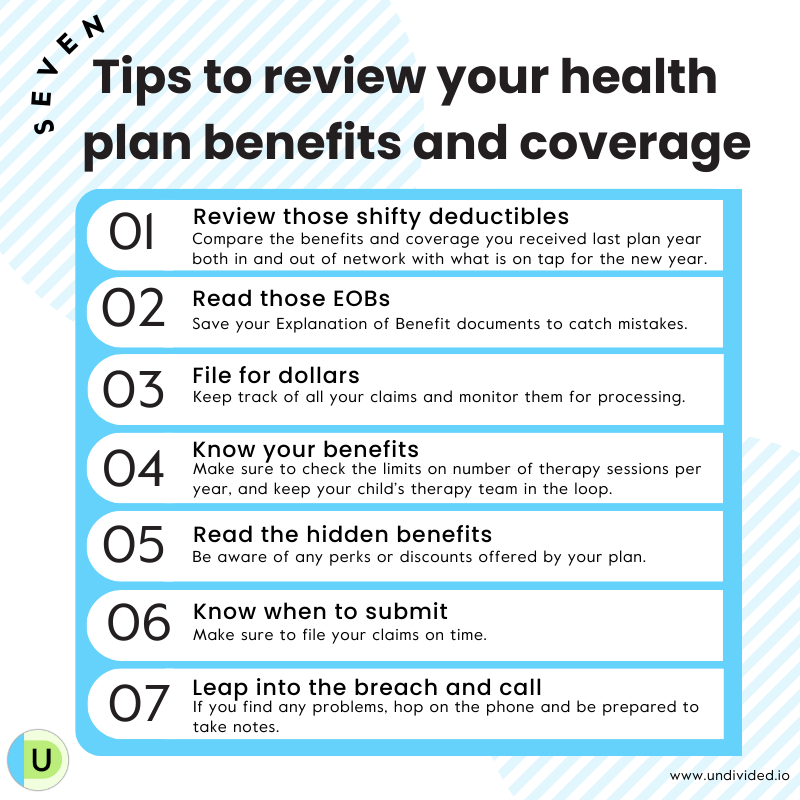
Health insurance plans, like personal financial situations, are subject to change. Insurers often adjust deductibles, copays, networks, and covered services annually. Your own health needs, family status, and financial capacity can also evolve. Therefore, conducting an annual review of your health insurance policy, ideally during open enrollment periods, is paramount. Compare your current plan’s benefits and costs with alternative options available through your employer or the marketplace. Consider factors like your anticipated healthcare usage, prescription needs, and any upcoming life events (e.g., marriage, new child) that might impact your coverage requirements. This proactive approach ensures your insurance continues to align with your financial goals and health demands.
Budgeting for Healthcare Costs: Premiums, Deductibles, and Beyond
Effective financial planning necessitates budgeting for all healthcare-related expenses, not just the monthly premiums. Create a comprehensive budget that accounts for:
- Premiums: The regular amount you pay to maintain your coverage.
- Deductibles: Plan to set aside funds, perhaps in a separate savings account, to cover your deductible. If you have a high-deductible health plan (HDHP), this is especially critical.
- Copayments and Coinsurance: Factor in typical visit costs for doctors, specialists, and prescriptions based on your expected usage.
- Out-of-Pocket Maximum: While this is a worst-case scenario, understanding this limit helps you define the maximum financial exposure you face in a year, which can inform emergency fund planning.
- Uncovered Services: Budget for any services or treatments not covered by your plan, such as certain cosmetic procedures or alternative therapies.
By itemizing these potential costs, you can avoid financial surprises and ensure your emergency fund is adequately sized for health-related contingencies.
Leveraging Health Savings Accounts (HSAs) and Flexible Spending Accounts (FSAs)
For those with eligible health plans, Health Savings Accounts (HSAs) and Flexible Spending Accounts (FSAs) are powerful financial tools for managing healthcare costs with tax advantages:
- Health Savings Accounts (HSAs): Available with High-Deductible Health Plans (HDHPs), HSAs offer a triple tax advantage: contributions are tax-deductible, earnings grow tax-free, and withdrawals for qualified medical expenses are tax-free. Unlike FSAs, HSA funds roll over year after year, belong to you even if you change jobs, and can be invested. They can function as both a short-term savings vehicle for medical expenses and a long-term retirement savings tool.
- Flexible Spending Accounts (FSAs): Typically offered through employers, FSAs allow you to set aside pre-tax money from your paycheck to pay for eligible out-of-pocket medical costs. The primary drawback is the “use-it-or-lose-it” rule, where most funds must be spent within the plan year (though some plans offer a grace period or limited carryover).
Understanding and utilizing HSAs or FSAs can significantly reduce your tax burden and make healthcare more affordable, directly impacting your overall financial health. Consult with a financial advisor to determine which, if any, of these accounts aligns best with your financial situation and health insurance plan.
Conclusion: The Foundation of Financial Security
Discovering whether you have health insurance, and subsequently comprehending its intricacies, is far more than a simple administrative task; it is a fundamental pillar of personal financial security. From meticulously reviewing records to proactively managing your policy and leveraging financial tools, each step reinforces your ability to navigate the unpredictable landscape of healthcare costs. In a world where medical emergencies can swiftly dismantle years of financial planning, possessing comprehensive health coverage and a thorough understanding of its mechanisms is not merely an option, but an indispensable strategy for safeguarding your wealth, protecting your future, and ensuring peace of mind.
aViewFromTheCave is a participant in the Amazon Services LLC Associates Program, an affiliate advertising program designed to provide a means for sites to earn advertising fees by advertising and linking to Amazon.com. Amazon, the Amazon logo, AmazonSupply, and the AmazonSupply logo are trademarks of Amazon.com, Inc. or its affiliates. As an Amazon Associate we earn affiliate commissions from qualifying purchases.