
Managing your personal finances effectively often involves making strategic decisions about your banking tools. While opening a debit card account is straightforward, knowing how and when to close one is an equally important aspect of maintaining a healthy financial ecosystem. Whether you’re consolidating accounts, switching banks, or responding to a security breach, understanding the proper procedure for closing a debit card can save you time, stress, and potential financial headaches. This guide delves into the nuances of debit card closure, offering insights and a step-by-step approach to ensure a smooth transition.
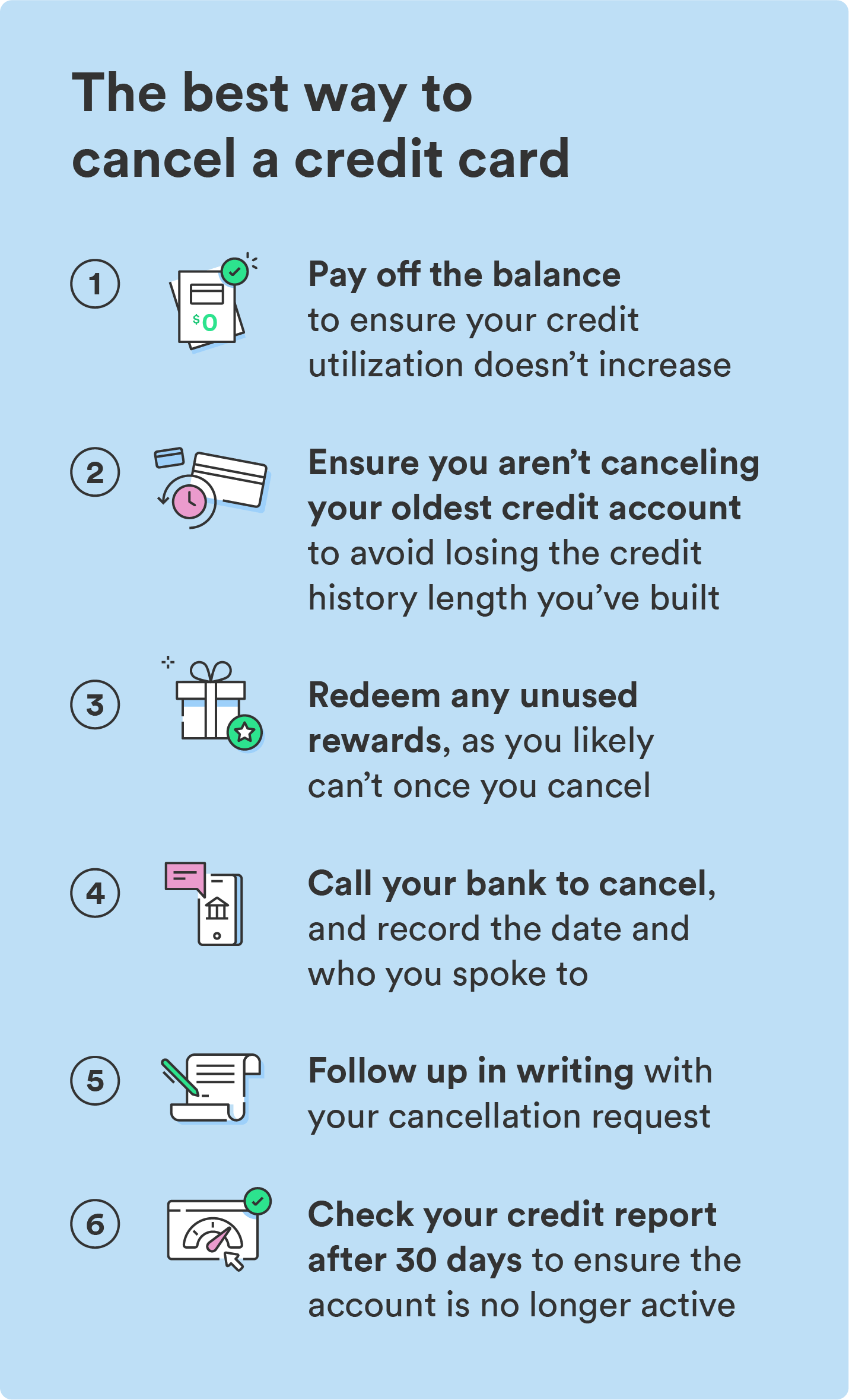
Understanding When and Why to Close Your Debit Card
Closing a debit card isn’t a decision to be taken lightly; it usually implies closing the associated bank account or at least discontinuing the use of a specific card. There are various legitimate reasons why individuals choose to close their debit cards, each warranting careful consideration and a structured approach. Recognizing these scenarios can help you determine if closing your card is the right move for your financial situation.
Common Scenarios for Card Closure
Several situations might prompt you to consider closing a debit card. One of the most frequent reasons is switching banks. Perhaps you’ve found a new financial institution that offers better interest rates, lower fees, or more convenient services. In such cases, closing your old debit card and account is a logical step after establishing your new banking relationship. Another common trigger is account consolidation. Many individuals find themselves with multiple bank accounts and associated debit cards, often opened over the years for different purposes. Consolidating these into fewer, more manageable accounts can simplify budgeting, tracking expenses, and overall financial oversight.
Security concerns also frequently lead to card closure. If your debit card has been lost, stolen, or compromised in a data breach, cancelling the card and potentially closing the associated account might be necessary to prevent unauthorized transactions. While banks typically replace compromised cards, closing the entire account might be preferred in severe cases or if you’ve lost trust in the security of that particular account. Lastly, discontinuing use of an account for an extended period can be a reason. Maintaining dormant accounts can sometimes incur fees, and they can also become targets for fraudsters if not regularly monitored. Closing an unused debit card and account can reduce financial clutter and potential liabilities.
Benefits of Proactive Card Management
Beyond reacting to specific events, proactively managing your debit cards offers several benefits. Firstly, it enhances your financial clarity. By having fewer, actively used accounts, you gain a clearer picture of your income and expenditures, making budgeting more effective. Secondly, it contributes to improved security. Each open account, especially those linked to debit cards, represents a potential vulnerability. By closing unnecessary cards, you reduce the attack surface for fraudsters. This is particularly true for accounts you no longer actively monitor.
Furthermore, proactive management can lead to cost savings. Some bank accounts have maintenance fees, minimum balance requirements, or charges for inactivity. Closing accounts that are not serving you can eliminate these recurring costs. Finally, it fosters a sense of financial empowerment. Taking control of your banking relationships, rather than letting old accounts linger, demonstrates a sophisticated approach to personal finance. It signifies a deliberate choice to optimize your financial tools for your current needs and goals.
Essential Preparatory Steps Before Initiating Closure
Before you even think about contacting your bank to close your debit card, there are crucial preparatory steps you must undertake. Skipping these can lead to significant inconvenience, financial disruption, or even unexpected charges. A thorough pre-closure checklist ensures a seamless transition and prevents any lingering ties to the account you intend to shut down.
Zeroing Out Your Account Balance
The absolute first step is to empty the account associated with the debit card. This means withdrawing all funds, transferring them to another account, or using them to pay bills. Do not leave any balance, even a small one. Many banks require an account to have a zero balance before it can be officially closed. Conversely, if you have an outstanding overdraft or any pending charges, you must clear these entirely. Failure to do so will prevent the bank from closing the account and could lead to further fees or collection efforts. Double-check your account activity for any pending transactions that might still clear, as these could put your account back into a non-zero state.
Updating Automatic Payments and Direct Deposits
This is arguably the most critical and often overlooked step. Most people have numerous automatic payments, subscriptions, and direct deposits linked to their primary debit card or checking account. Before closing, you must meticulously identify and update all of these. This includes:
- Utility bills: Electricity, gas, water, internet, phone.
- Loan payments: Mortgage, car loans, student loans.
- Insurance premiums: Health, auto, home.
- Subscriptions: Streaming services (Netflix, Spotify), gym memberships, software.
- Direct deposits: Your salary, government benefits, or other recurring income.
Failing to update these can result in missed payments, late fees, service interruptions, and a significant amount of hassle to rectify. Create a comprehensive list and systematically update each one to your new bank account or payment method. Allow ample time for these changes to take effect, perhaps a full billing cycle, before proceeding with the closure.
Preserving Your Financial Records
Even after closing an account, you might need access to its transaction history for tax purposes, budgeting reviews, or dispute resolution. Before closure, make sure to download and save all necessary account statements and transaction histories. Banks typically offer digital statements for several years, but access can be limited or revoked once an account is officially closed. It’s advisable to save at least the past 5-7 years of statements, or as much as you deem necessary, in a secure digital or physical format. This provides a personal financial archive that could prove invaluable in the future.
Notifying Relevant Parties and Linked Services
Beyond automatic payments, think about any other services or individuals that might be directly linked to your debit card or account. This could include peer-to-peer payment apps like PayPal, Venmo, or Cash App, where your debit card might be the primary funding source. Update these services with your new banking details. If it’s a joint account, ensure all account holders are aware of and agree to the closure. Consider any family members or beneficiaries who might be impacted by the account’s closure, especially if it held significant funds or served a specific purpose. Proactive communication prevents misunderstandings and ensures everyone is on the same page.
The Step-by-Step Process of Closing Your Debit Card
Once you’ve meticulously completed all preparatory steps, you’re ready to initiate the actual closure process with your bank. While the exact steps might vary slightly between financial institutions, the general procedure remains consistent. Approaching this systematically ensures that the closure is official, documented, and hassle-free.
Choosing Your Bank’s Closure Method
Most banks offer several ways to close an account and its associated debit card. You can typically choose from:
- In-person at a branch: This is often the most recommended method, especially for complex situations or if you prefer direct communication. You can speak with a representative, get immediate confirmation, and address any last-minute questions. Remember to bring valid identification (driver’s license, passport) and your debit card.
- By phone: Many banks have dedicated customer service lines for account closures. Be prepared to provide your account number, personal identification details, and possibly answer security questions to verify your identity.
- By mail: Some banks allow closure requests via a written letter. If opting for this, send it via certified mail with a return receipt requested to ensure proof of delivery. Clearly state your intent to close the account and debit card, include your account number, and sign the letter.
- Online portal/app: A few modern banks offer the option to close accounts directly through their online banking portal or mobile app. Check your bank’s specific features for this convenience, but be aware it’s less common for full account closures than for simply deactivating a card.

Evaluate which method is most convenient and secure for you, considering the complexity of your account and your need for immediate confirmation.
Providing Necessary Information and Verification
Regardless of the method chosen, your bank will require certain information to process the closure and verify your identity. This typically includes:
- Account number(s): The full account number of the checking or savings account associated with the debit card.
- Personal identification: Your full name, address, date of birth, and possibly your Social Security Number (SSN) or Taxpayer Identification Number (TIN).
- Valid government-issued ID: If closing in person, you’ll need a driver’s license, state ID, or passport.
- Reason for closure: While you’re not obligated to give a detailed explanation, providing a general reason (e.g., “switching banks,” “account no longer needed”) can help the process.
- Your physical debit card: Some banks may ask for the card back, especially if closing in person.
Be prepared to answer security questions to confirm you are the authorized account holder. This vigilance helps protect your account from unauthorized closure requests.
Securing Official Confirmation
This step is absolutely critical. Always request written confirmation that your debit card and the associated account have been officially closed. This confirmation can be an email, a letter sent via postal service, or a printout if you close in person. The document should clearly state the account number, the date of closure, and confirm that there are no remaining balances or liabilities. This serves as your official record and protection in case any issues arise later, such as unexpected charges or collection attempts on a supposedly closed account. Without this written proof, it can be challenging to resolve disputes. Follow up with your bank if you do not receive confirmation within a reasonable timeframe (e.g., 7-10 business days).
Safe Disposal of the Physical Card
Once the account is officially closed and you have your confirmation, the final physical step is to safely dispose of your debit card. Simply throwing it in the trash is not secure. Identity thieves can piece together card numbers and expiration dates from discarded cards. The best practice is to:
- Cut the card into multiple pieces: Ensure you cut through the magnetic strip, the chip (if present), and the account number.
- Shred it: If you have a cross-cut shredder, use it to shred the card into tiny, unreadable fragments.
- Distribute pieces: For an extra layer of security, dispose of the pieces in different trash bags or on different days.
This ensures that the physical card cannot be misused after the account is closed, providing complete peace of mind.
Navigating Potential Challenges and Post-Closure Considerations
Even with careful planning, sometimes unforeseen issues can arise during or after the closure process. Being aware of potential pitfalls and understanding how to address them can save you significant stress. Furthermore, maintaining good financial hygiene post-closure is just as important as the pre-closure steps.
Addressing Outstanding Balances and Pending Transactions
One of the most common challenges arises when an account has an outstanding balance or pending transactions you weren’t aware of. If your account shows a negative balance due to an overdraft or an unposted transaction, the bank will not be able to close it until this is resolved. Promptly pay any outstanding amounts. Similarly, if there are transactions that are still “pending” (e.g., a recent purchase that hasn’t fully cleared), you’ll need to wait until these transactions are processed and the final balance is confirmed before closure can occur. Attempting to close an account with pending transactions can lead to those transactions being rejected, causing issues with merchants and potentially incurring fees.
Understanding the Impact on Your Financial Profile
For most individuals, closing a debit card (and its associated checking account) has minimal to no impact on your credit score. Debit cards are linked to demand deposit accounts, not credit lines, and therefore do not directly report to credit bureaus. However, if the checking account you’re closing was frequently overdrawn and these overdrafts led to charge-offs or collections, that negative activity could be reported to specialized banking reporting agencies (like ChexSystems). A negative history with these agencies could make it harder to open new checking accounts in the future. Always ensure all accounts are in good standing before closure.
What to Do If You Encounter Issues
If you face difficulties closing your account—for example, if the bank is unresponsive, demands unreasonable fees, or if you find unexpected charges post-closure—don’t hesitate to escalate the issue.
- Speak to a supervisor: Request to speak with a branch manager or a senior customer service representative.
- Submit a formal complaint: Follow the bank’s internal complaint procedure, typically found on their website.
- Contact regulatory bodies: In the United States, you can file a complaint with the Consumer Financial Protection Bureau (CFPB) or your state’s banking regulator. These agencies can often mediate or investigate issues, providing a level of recourse.
- Keep meticulous records: Document every interaction, including dates, times, names of representatives, and summaries of conversations. This documentation is invaluable if you need to pursue formal complaints.
Ongoing Security Measures
Even after your debit card and account are closed, maintaining vigilance is crucial. Regularly monitor your new bank statements to ensure no lingering unauthorized activity from the old card or account occurs (though unlikely if properly closed). Shred all old bank statements, financial documents, and any mail related to the closed account before discarding them. Consider subscribing to an identity theft monitoring service for an added layer of protection, especially if the closure was due to a security breach. Proactive security habits extend beyond the point of closure and are a lifelong commitment in managing personal finance.
Alternatives to Full Card Closure
While closing a debit card and its associated account is often the best course of action in specific situations, it’s not always the only solution. Sometimes, a less drastic measure might suffice, especially if you foresee potential future use for the account or want to maintain a relationship with the bank.
Temporary Freezes and Replacements
If your primary concern is the security of your debit card (e.g., you’ve misplaced it or suspect unauthorized use but haven’t decided to switch banks), many banks offer the ability to temporarily freeze or lock your card. This instantly prevents any new transactions from being processed while you locate the card or investigate suspicious activity. If the card is genuinely lost or stolen, you can report it to your bank, and they will typically cancel the old card and issue a replacement with a new card number, often linked to the same underlying account. This allows you to maintain your bank account without the disruption of a full closure.

Managing Unused Accounts Effectively
If you have an account that you don’t use frequently but don’t want to close entirely (perhaps it’s a legacy account, or you want to keep options open), you can still manage it effectively to prevent issues.
- Periodically review statements: Even if dormant, check statements regularly for any unauthorized activity or unexpected fees.
- Understand fees: Be aware of any inactivity fees or minimum balance requirements that might apply to unused accounts. If these costs outweigh the benefit of keeping the account open, closure might be more prudent.
- Downgrade account type: Some banks offer basic, low-fee or no-fee checking accounts that are better suited for occasional use than premium accounts with more features and higher costs. You might be able to downgrade your account to avoid unnecessary expenses.
Ultimately, the decision to close a debit card and its associated account should align with your broader financial goals. By following a structured approach, understanding the implications, and preparing thoroughly, you can execute this financial task with confidence and security, paving the way for a more streamlined and secure financial future.
aViewFromTheCave is a participant in the Amazon Services LLC Associates Program, an affiliate advertising program designed to provide a means for sites to earn advertising fees by advertising and linking to Amazon.com. Amazon, the Amazon logo, AmazonSupply, and the AmazonSupply logo are trademarks of Amazon.com, Inc. or its affiliates. As an Amazon Associate we earn affiliate commissions from qualifying purchases.