
Navigating the complexities of modern personal finance requires a deep understanding of the tools and identifiers that govern your purchasing power. Among the most critical pieces of information for any consumer is their credit card account number. While it may seem like a straightforward string of digits, the account number is the gateway to your credit line, your payment history, and your overall financial identity. Whether you are setting up an automated bill payment, transferring a balance to a lower-interest card, or reporting a lost or stolen physical card, knowing exactly how to locate and secure this information is paramount.

Understanding the Anatomy of a Credit Card Number
Before diving into the methods of retrieval, it is essential to distinguish between the physical digits printed on your card and the underlying account identity used by financial institutions. Most consumers use the terms “credit card number” and “account number” interchangeably, but in the banking world, they can represent slightly different data points depending on the issuer’s internal structure.
The 16-Digit Primary Account Number (PAN)
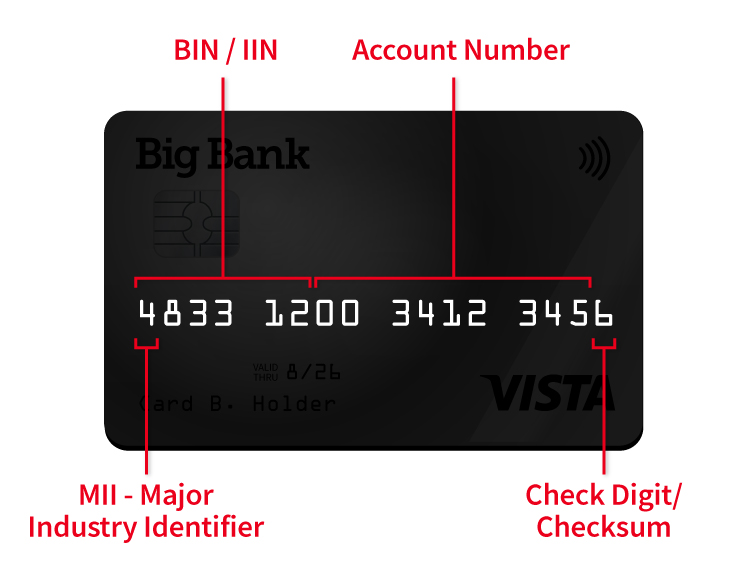
The most visible identifier is the 16-digit number (though some issuers like American Express use 15 digits) typically found on the front or back of your physical card. This is technically known as the Primary Account Number (PAN). This sequence is not random; it follows the ISO/IEC 7812 standard. The first digit represents the Major Industry Identifier (MII)—for example, 4 for Visa and 5 for Mastercard. The first six to eight digits represent the Issuer Identification Number (IIN), which tells the payment network which bank issued the card. The digits that follow, excluding the final “check digit,” represent your individual account.
The Internal Account Number vs. The Card Number
For many major banks, your credit card number is your account number. However, some credit unions and specialized financial institutions assign a separate, shorter “account number” that remains constant even if your physical card is replaced due to expiration or fraud. If you are setting up an electronic funds transfer (EFT) or a direct payment from a payroll provider, you may specifically be asked for the internal account number rather than the PAN. Understanding this distinction ensures that your payments are routed correctly and that your financial records remain accurate.
Primary Methods to Locate Your Credit Card Information
In a digital-first banking environment, there are several secure ways to retrieve your account details without having the physical card in your hand. Most financial institutions have optimized their platforms to provide this information while maintaining strict security protocols.
Utilizing Mobile Banking Apps and Online Portals
The most efficient way to find your credit card account number is through your bank’s mobile application or website.
-
Log In Securely: Use biometric authentication or multi-factor authentication (MFA) to access your dashboard.
-
Navigate to the Specific Card Account: If you have multiple accounts with the same bank (e.g., a checking account, a mortgage, and a credit card), select the specific credit card you are inquiring about.
-
Find the “Account Details” or “Card Info” Section: Banks often mask the full number for security reasons, displaying only the last four digits. Look for an icon shaped like an eye or a link that says “View Full Number.”
-
Verify Your Identity: Most apps will require a secondary security check—such as a thumbprint scan or a one-time passcode sent to your phone—before revealing the full 16-digit number and the CVV code.
Reviewing Physical and Electronic Billing Statements
Your monthly billing statement is a legal document that contains vital information regarding your credit usage. It is also a reliable source for your account details. If you receive paper statements, look at the top right or left corner under “Account Summary.”
If you have opted for paperless billing, you can download a PDF of your most recent statement through your online portal. While some statements may mask a portion of the number (e.g., XXXX-XXXX-XXXX-1234), many include the full account identifier in the section designated for “Remittance Information” or “Payment Instructions.” This is particularly useful when you need the number for tax purposes or for reconciling business expenses.
Checking Original Card Issuance Documentation
When you first open a credit card account, the issuer sends a “welcome packet” that includes the physical card attached to a paper document. This document contains the full account number, your credit limit, and the terms of your Cardholder Agreement. If you maintain a physical or digital filing system for your financial records, this original document is an authoritative source for your account information.
Alternative Retrieval Methods and Emergency Scenarios
There are instances where digital access is unavailable and physical documents have been misplaced. In these cases, you must rely on the administrative infrastructure of your financial institution.
Contacting Customer Service and Identity Verification
If you cannot log in to your account, you can call the customer service number located on the back of your card (if you have it) or found on the bank’s official website. Because the credit card account number is sensitive information, the representative will put you through a rigorous identity verification process. You may be asked to provide:
-
Your Social Security Number (SSN) or Taxpayer Identification Number (TIN).
-
Your full legal name and billing address.
-
The date and amount of your most recent transaction.
-
The names of other authorized users on the account.
Once your identity is confirmed, the representative may provide the account number or, more commonly, help you regain access to your digital portal where you can view it securely.
Visiting a Local Branch
For those who bank with traditional institutions that have physical locations, visiting a branch is a highly secure way to retrieve account information. You will need to provide a government-issued photo ID. The bank teller or personal banker can then access your profile and provide your account details. This method is often the safest for individuals who suspect their digital devices have been compromised, as it bypasses the internet entirely.
Protecting Your Credit Card Account Number from Fraud
Once you have located your account number, the focus must shift to protection. In the landscape of modern finance, data is a high-value commodity for bad actors. Protecting your account number is the first line of defense against identity theft and unauthorized charges.
Best Practices for Digital Storage and Security
Avoid storing your credit card number in unencrypted formats, such as a “Notes” app on your phone, an unencrypted spreadsheet, or an email draft. If you must store your financial details digitally, utilize a reputable password manager that offers encrypted “Secure Notes” features. These tools use AES-256 bit encryption to ensure that even if your device is lost, your financial data remains inaccessible to others.
Furthermore, always be wary of “phishing” attempts. No legitimate bank will ever email or text you asking for your full credit card account number. If you receive a communication requesting this information, it is almost certainly a fraudulent attempt to gain access to your funds. Always navigate directly to the bank’s official website or app rather than clicking on links provided in messages.
The Role of Virtual Card Numbers
Many modern credit card issuers, such as Capital One, Apple Card, and Citi, offer “virtual card numbers.” These are temporary or merchant-specific account numbers that link back to your primary account but keep your real account number hidden. Using virtual numbers for online shopping is an excellent strategic move for financial security. If a merchant suffers a data breach, the hacker only gains access to a virtual number that can be easily deactivated without requiring you to close your entire credit card account.
Strategic Financial Management and the Account Number
Understanding how to access and use your credit card account number is more than just a logistical necessity; it is a component of sophisticated financial management.
Consolidating Information for Business and Tax Purposes
For entrepreneurs and freelancers, keeping track of specific account numbers is essential for segregating personal and business expenses. When integrating your credit cards with accounting software like QuickBooks or Xero, you will often need to provide the full account number to establish a secure API feed. This ensures that every transaction is tracked in real-time, simplifying tax preparation and financial auditing.
Credit Building and Debt Management
Knowing your account details is also crucial when managing debt. If you are executing a “Debt Snowball” or “Debt Avalanche” method, you will need your account numbers to set up targeted payments from your primary checking account. Additionally, if you ever need to dispute an error on your credit report, you must provide the specific account number associated with the disputed entry to the credit bureaus (Equifax, Experian, or TransUnion).
In conclusion, your credit card account number is a foundational element of your financial life. Whether you access it through a mobile app, an old-fashioned paper statement, or by speaking with a bank representative, managing this information with care and precision is vital. By treating this number with the same level of security as your Social Security Number, and by leveraging modern tools like virtual numbers and encrypted storage, you can navigate the financial world with confidence, knowing that your assets and your identity are well-protected.
aViewFromTheCave is a participant in the Amazon Services LLC Associates Program, an affiliate advertising program designed to provide a means for sites to earn advertising fees by advertising and linking to Amazon.com. Amazon, the Amazon logo, AmazonSupply, and the AmazonSupply logo are trademarks of Amazon.com, Inc. or its affiliates. As an Amazon Associate we earn affiliate commissions from qualifying purchases.