
In the modern financial landscape, your bank account number serves as the foundational identifier for almost every significant transaction. Whether you are setting up a direct deposit for a new career opportunity, authorizing an automated clearing house (ACH) payment for monthly utilities, or initiating a complex wire transfer, having immediate and secure access to your Chase bank account number is essential. Despite the prevalence of digital banking, many consumers find themselves momentarily hindered when asked for these specific digits, often confusing them with the numbers printed on their physical debit cards.
Understanding how to retrieve this information efficiently—while maintaining the highest standards of digital security—is a core competency of personal financial management. This guide provides an exhaustive walkthrough of the various methods available to Chase customers to locate their account and routing numbers, alongside best practices for safeguarding this sensitive data in an era of increasing cyber threats.
Digital Banking: Locating Your Information via Chase Online and the Mobile App
For the vast majority of Chase customers, the quickest and most secure way to access account details is through the bank’s digital infrastructure. Chase has invested heavily in its user interface (UI) to ensure that sensitive information is both accessible to the owner and shielded from unauthorized viewers.
Using the Chase Mobile App
The Chase Mobile® app is often the most convenient tool for on-the-go financial management. To find your account number here, follow these professional protocols:
-
Biometric Authentication: Log in using FaceID, TouchID, or your secure passcode. Ensuring you are on a private connection (avoiding public Wi-Fi) is a critical first step for data integrity.
-
Account Selection: On the main dashboard, you will see a list of your accounts (e.g., Total Checking, Savings, or Business Checking). Tap the specific account for which you need the number.
-
Account Details: Once inside the specific account view, look for the section labeled “Account Details” or a “Show Details” link. By default, Chase masks your account number, showing only the last four digits to protect your privacy from shoulder-surfers.
-
Revealing the Number: Tap on the masked account number or the “See full account number” option. You may be prompted for a secondary verification or simply a confirmation tap to reveal the full string of digits.
Accessing the Chase Online Portal
For those working from a desktop or laptop, the Chase Online℠ website provides a comprehensive view of your financial profile. The process is similar to the app but offers more robust options for downloading documentation.
-
Secure Sign-In: Navigate to the official Chase website and enter your credentials. Always verify the URL and the padlock icon in the browser address bar to ensure you are not on a phishing site.
-
Dashboard Navigation: From the “Accounts” summary page, click on the name of the account you wish to inspect.
-
Account Services: Look for the “Account Details” tab. Here, the account number will initially be hidden. Click the “Show” icon (often represented by an eye symbol or a text link) next to the “Account Number” field.
-
Routing Number Integration: Directly adjacent to your account number, Chase typically displays the routing number. This is particularly useful as both are usually required simultaneously for financial setups.
Security Protocols for Digital Access
When accessing your account number digitally, it is imperative to employ rigorous security measures. Chase utilizes 128-bit encryption, but the user remains the most common point of failure. Ensure that you have enabled Multi-Factor Authentication (MFA), which requires a one-time code sent to your mobile device or email whenever you log in from an unrecognized browser. Never take screenshots of your revealed account number; if you must record it, use an encrypted password manager rather than a plain text note or a physical scrap of paper.
Physical and Documentary Methods to Retrieve Your Account Details
While digital methods are preferred for speed, physical documents remain a reliable “paper trail” for identifying your account details. These methods are particularly useful if you are locked out of your digital account or need to verify information for legal or tax purposes.
The Anatomy of a Personal Check
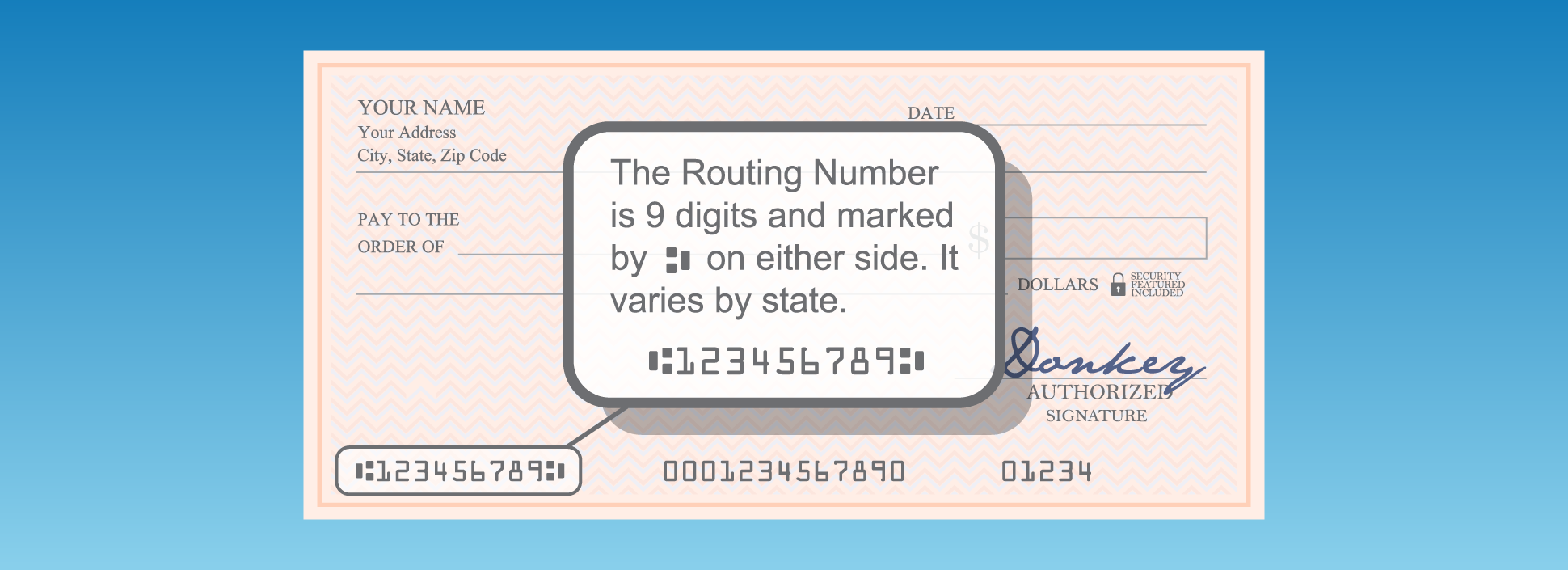
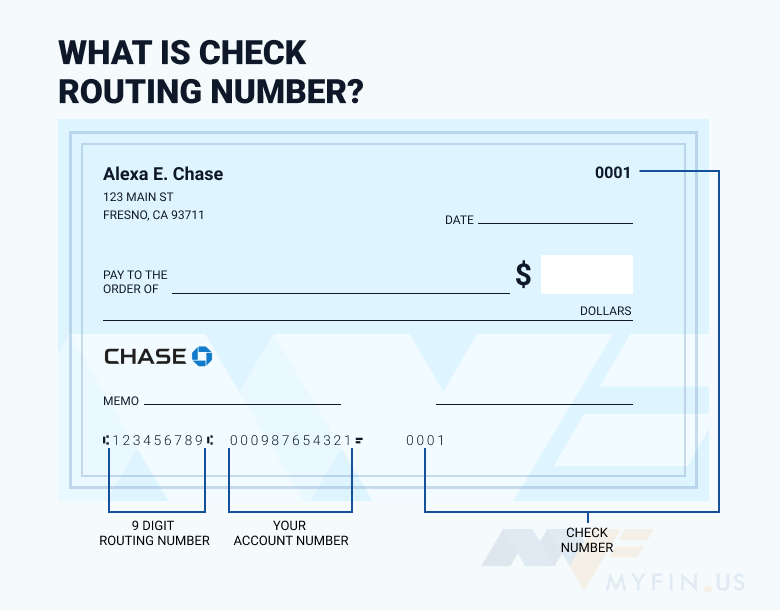
If you use a Chase checking account and possess a physical checkbook, your account and routing numbers are printed at the bottom of every check. This area is known as the MICR (Magnetic Ink Character Recognition) line.
-
The Routing Number: The first nine digits on the far left of the MICR line represent the ABA (American Bankers Association) routing number. This identifies Chase as the specific financial institution.
-
The Account Number: The second set of numbers, typically located in the middle or toward the right, is your unique account number. It is usually followed by the specific check number.
-
The Check Number: The final set of digits on the right matches the number in the top-right corner of the check.
It is a common mistake to include the check number as part of the account number. When filling out forms, ensure you are only extracting the middle sequence.
Analyzing Your Monthly Statements
Your monthly Chase bank statements serve as official legal records and contain all necessary identification numbers. You can access these via mail or by downloading a PDF version through the “Statements & Documents” tab on the Chase website.
-
Location of Data: On the first page of a Chase statement, your account number is typically located in the top-right header or within the “Account Summary” box.
-
Utility: Statements are often required by lenders or government agencies (such as the IRS or SSA) as proof of account ownership. Unlike the “masked” numbers seen on the mobile dashboard, statements will display the full account number for your records.
Reviewing Original Account Opening Documents
If you have kept the folder provided to you when you first opened your account at a physical Chase branch, the “Account Signature Card” or the “Deposit Account Agreement” will list your full account number. These documents are vital for understanding the specific terms of your account, such as minimum balance requirements and fee structures, alongside your identifying data.
Understanding the Difference Between Account and Routing Numbers

In personal finance, the distinction between an account number and a routing number is fundamental. Misidentifying these can lead to failed transactions, late fees, or funds being sent to the wrong institution.
The Routing Number (ABA Number)
The routing number is a nine-digit code that identifies the financial institution within the United States. Chase, being a massive national bank, uses several different routing numbers based on the geographic region where the account was opened. For example, a Chase account opened in New York will have a different routing number than one opened in Texas.
This number is public information and is used primarily to “route” the money to the correct bank. You can often find a list of Chase routing numbers by state on the bank’s official help pages without even logging in.
The Account Number
Your account number is your private, unique identifier within Chase. If the routing number is the “zip code” that gets the mail to the right post office, the account number is the “street address” that ensures the mail reaches the correct house. Because this number is unique to your wealth, it must be guarded with the same level of care as a Social Security number.
When to Use Each
-
Direct Deposit: Requires both the routing and account number.
-
Domestic Wire Transfers: Requires both, plus the bank’s physical address.
-
International Wires (SWIFT): Requires the account number and a SWIFT/BIC code, which is different from a domestic routing number.
-
Paying Bills Online: Usually requires both numbers to establish an “Electronic Check” or ACH payment.
Alternative Professional Methods and Customer Support
If digital access is unavailable and you do not have physical checks or statements, there are professional avenues to retrieve your information through Chase’s corporate infrastructure.
Visiting a Local Branch
One of the benefits of banking with a large institution like Chase is the physical branch network. You can visit any Chase branch during business hours to request your account information.
-
Identification Requirements: To protect against identity theft, a banker will require a valid government-issued photo ID (driver’s license, passport, or military ID).
-
Verification: They may also ask security questions or require you to insert your Chase debit card into their system and enter your PIN. This remains the most secure “in-person” way to verify your identity before sensitive data is disclosed.
Contacting Chase Customer Service Securely
You can call the number on the back of your debit card or 1-800-935-9935. However, for security reasons, customer service representatives are often restricted from reading your full account number over the phone. Instead, they may offer to mail a physical statement to your address on file or help you regain access to your online banking portal where you can view the number yourself.
Protecting Your Financial Data in a Digital Economy
Once you have located your Chase account number, the responsibility shifts to data stewardship. Financial tools are only as effective as the security measures surrounding them.
Safeguarding Against Identity Theft and Phishing
Cybercriminals often use “phishing” emails or “smishing” (SMS phishing) to trick users into revealing their bank details. Chase will never send you a text message asking you to click a link and enter your full account number or password. If you receive a suspicious request, do not engage. Instead, log in through the official app or website independently to check for alerts.
When to Change Your Account Number
In the unfortunate event that your account number is compromised—perhaps through a lost checkbook or a data breach at a third-party vendor—you must act quickly. Unlike a credit card, which can be easily canceled and replaced, a bank account number is more deeply integrated into your financial life.
If a compromise occurs, Chase will likely recommend closing the current account and opening a new one with a fresh account number. This requires migrating all your direct deposits and automated bill payments, which is a significant undertaking. Therefore, proactive protection—using encrypted connections and avoiding sharing your number unnecessarily—is always the best strategy.
The Role of Financial Tools and Aggregators
Many modern consumers use financial aggregators like Mint, YNAB (You Need A Budget), or Personal Capital. These tools use secure APIs or services like Plaid to link to your Chase account. When using these services, you often don’t need to manually enter your account number; instead, you authenticate via Chase’s secure “OAuth” portal, which allows the third-party app to see your balance and transactions without ever actually seeing or storing your full account number. Utilizing these secure handshakes is a sophisticated way to manage your money without increasing your surface area for potential data leaks.
By mastering the various ways to find and protect your Chase account number, you ensure that your financial operations remain seamless, professional, and secure. Whether through the sleek interface of the mobile app or the time-tested reliability of a monthly statement, your account information is the key to navigating the complex world of modern personal finance.
aViewFromTheCave is a participant in the Amazon Services LLC Associates Program, an affiliate advertising program designed to provide a means for sites to earn advertising fees by advertising and linking to Amazon.com. Amazon, the Amazon logo, AmazonSupply, and the AmazonSupply logo are trademarks of Amazon.com, Inc. or its affiliates. As an Amazon Associate we earn affiliate commissions from qualifying purchases.