
In the modern landscape of digital banking, the ability to quickly and securely access your financial credentials is a fundamental skill for effective money management. JPMorgan Chase, as one of the largest financial institutions in the world, provides a robust suite of digital and physical tools designed to give customers total control over their accounts. Whether you are setting up a direct deposit for a new job, linking your bank to an investment platform, or coordinating an electronic bill payment, your Chase account number is the primary identifier that ensures your funds reach the correct destination.
Locating this number may seem straightforward, but due to Chase’s stringent security protocols, these digits are often masked or tucked behind several layers of authentication. This guide provides a detailed walkthrough of the various methods available to retrieve your Chase account number, while also exploring the broader context of how this information fits into your personal financial strategy.
Navigating the Chase Digital Ecosystem: Mobile and Desktop Solutions
The most convenient way to find your account number in the current banking era is through Chase’s digital platforms. By leveraging the Chase Mobile app or the Chase Online portal, you can access your information within seconds. However, it is important to understand the specific steps required to unmask these numbers, as they are hidden by default to protect you from unauthorized “shoulder surfing” or screen recording.
The Chase Mobile App Method
For the majority of users, the Chase Mobile app is the primary interface for daily banking. To find your account number here, follow these steps:
-
Secure Login: Open the app and authenticate using your biometric data (Face ID or Fingerprint) or your traditional password.
-
Select the Account: On the main dashboard, you will see a list of your accounts (Checking, Savings, Credit Cards). Tap on the specific account for which you need the number.
-
Find the Account Details: Look for a link or section titled “Show details” or “Account services.” In many versions of the app, there is a small “eye” icon or a text link labeled “Show” next to the masked account number (e.g., ****1234).
-
Verification: Upon tapping the display icon, the full account number will be revealed.
This digital method is preferred because it eliminates the need for physical paperwork, which can be lost or stolen. It is a core component of modern financial tools that empower users to manage their liquidity on the go.
Accessing the Chase Online Portal
If you are working from a computer—perhaps while filling out financial forms or setting up a brokerage account—the Chase Online website is equally efficient.
-
Sign In: Navigate to the Chase homepage and enter your credentials. You may be prompted for a Two-Factor Authentication (2FA) code sent to your mobile device.
-
Dashboard Overview: Once on the main page, click on the specific checking or savings account you are interested in.
-
Account Detail Reveal: Just like the mobile app, the full account number is hidden for security. Look for the “See full account number” link, usually located near the top of the account summary page or under the “Account Details” tab.
-
Documentation Download: If you need the account number for formal verification, you can also navigate to the “Statements & Documents” section within the online portal to download a PDF of your most recent statement, which will contain the full number.
Utilizing Physical and Static Documents
While digital access is the standard, there are several traditional methods to find your Chase account number. These physical documents often serve as secondary verification methods when digital tools are unavailable or when a third party requires a “voided check” or a formal bank statement.
Decoding Your Personal Checks
If you have a Chase checking account and use paper checks, your account number is printed directly on every leaf. This is often the fastest way to find the information if you keep your checkbook nearby.
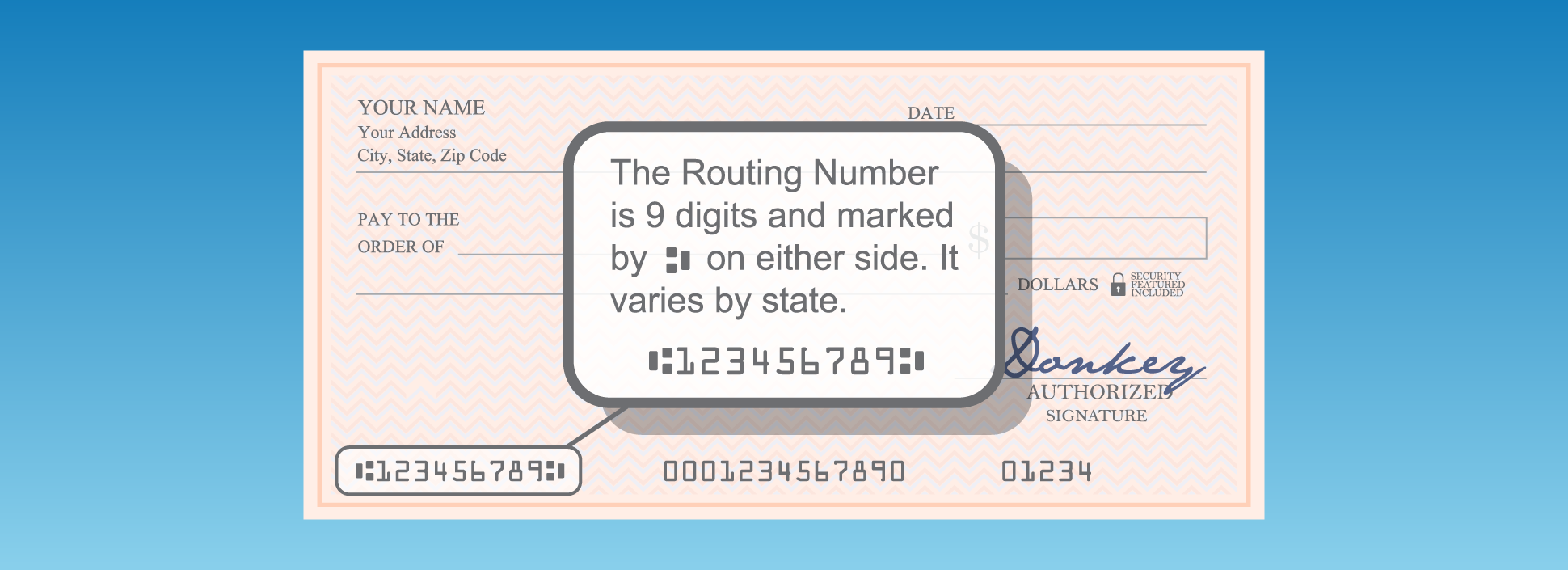
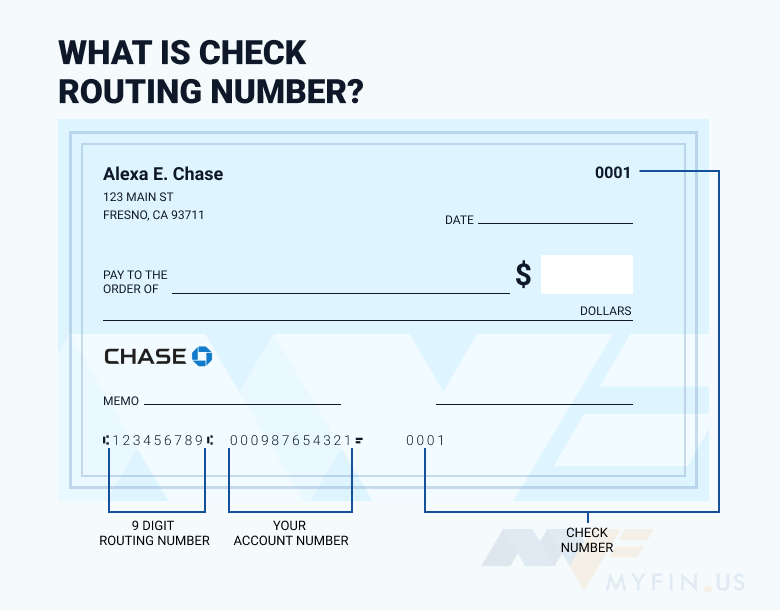
At the bottom of a standard Chase check, you will see a string of numbers printed in a specialized font known as MICR (Magnetic Ink Character Recognition). This string typically consists of three distinct segments:
-
The Routing Number: A nine-digit number on the far left that identifies Chase as the specific financial institution.
-
The Account Number: The middle set of numbers (or sometimes the set following the routing number) is your unique account identifier.
-
The Check Number: The final, shorter set of digits that matches the number in the top-right corner of the check.
Understanding how to read these numbers is a basic tenet of financial literacy. It allows you to quickly provide information for ACH transfers without needing to log into an app.
Reviewing Monthly Statements and Tax Documents
Every month, Chase generates a statement that summarizes your transactions, interest earned, and fees. This document is a goldmine of financial information.
-
Paper Statements: If you still receive mail from Chase, look at the top-right or top-left corner of the first page. Your full account number is listed there alongside your name and address.
-
Electronic Statements (eStatements): If you have opted for paperless banking, these statements are stored as PDFs in your online account. They are identical to paper statements and are legally recognized for all financial applications.
-
Tax Forms (1099-INT): During tax season, Chase provides forms detailing the interest your accounts have accrued. These forms also list your account number for identification purposes with the IRS.

The Vital Distinction: Account Numbers vs. Routing Numbers
A common point of confusion in personal finance is the difference between an account number and a routing number. Providing the wrong one can lead to failed transfers, late fees, or funds being sent to the wrong institution. To manage your money effectively, you must understand the role each plays in the American banking system.
Routing Numbers for ACH and Direct Deposits
The routing transit number (RTN) is a nine-digit code that identifies the bank where the account is held. Chase has multiple routing numbers based on the geographic region where you opened your account and the type of transaction you are performing.
-
ACH Routing Numbers: These are used for direct deposits (your paycheck) and automatic bill payments (like your utility bills).
-
Geographic Variation: A Chase account opened in New York will have a different routing number than one opened in California. It is crucial to use the routing number associated with your specific branch region, which can also be found in the “Account Details” section of the Chase app.
Routing Numbers for Wire Transfers
Wire transfers are often handled differently than standard ACH transfers. Chase frequently uses a specific routing number for domestic wires and a SWIFT/BIC code for international wires. Using a standard ACH routing number for a wire transfer can result in the transaction being rejected or delayed. If you are involved in high-stakes financial transactions, such as a real estate closing or large business payment, always verify the specific “Wire Routing Number” via the Chase website or by calling a representative.
Integrating Your Account Number into Your Financial Strategy
Knowing your account number is not just about identification; it is the “address” for your capital. In the context of wealth management and online income, your account number is the conduit through which your financial goals are realized.
Setting Up Direct Deposits and Automated Income
One of the most effective ways to build wealth is through the automation of your finances. By providing your Chase account and routing numbers to your employer’s payroll department, you ensure that your income is deposited reliably.
Furthermore, if you have a “side hustle” or earn income through platforms like Shopify, Etsy, or YouTube, you must link your Chase account number to these platforms’ payment gateways. This allows for a seamless flow of income from your business activities directly into your primary financial hub, where you can then allocate those funds toward savings or investments.
Linking External Accounts for Wealth Management
For those focused on investing and long-term financial growth, the account number is used to link Chase to external brokerage accounts (such as Vanguard, Fidelity, or Charles Schwab). By establishing a “linked account” via ACH, you can easily move excess liquidity from your Chase checking account into market-based investments. This interconnectedness is a hallmark of sophisticated personal finance, allowing for the rapid deployment of capital when investment opportunities arise.
Safeguarding Your Financial Identity
Because your account number is the key to your funds, protecting it is a critical aspect of digital security. In an era of increasing financial fraud, you must treat your account number with the same level of confidentiality as your Social Security number.
Protecting Your Account Information
-
Avoid Public Wi-Fi: Never log into your Chase account to retrieve your account number while on a public or unsecured Wi-Fi network. Hackers can use “man-in-the-middle” attacks to intercept your login credentials and account details.
-
Secure Shredding: If you print statements or have old checkbooks that you no longer use, always destroy them using a cross-cut shredder. Identity thieves often scout for “trash” that contains full account numbers.
-
Monitor for Unauthorized Access: Regularly review your transaction history. If you notice small “test” deposits or unfamiliar withdrawals, it may be a sign that your account number has been compromised.
What to Do if Your Account Number is Compromised
If you believe your Chase account number has fallen into the wrong hands, time is of the essence. You should immediately:
-
Contact Chase Fraud Department: Notify the bank so they can freeze the account and prevent further unauthorized transactions.
-
Open a New Account: In most cases of compromise, Chase will require you to close the current account and move your funds to a new account with a new number.
-
Update Your Automations: This is the most tedious part of the process, as you will need to provide your new account number to your employer and all billers currently linked to the old account.
By maintaining a clear understanding of where to find your Chase account number and how to use it securely, you position yourself as a proactive participant in your own financial life. Whether through a quick tap on a smartphone or the careful review of a monthly statement, your ability to access this information is the foundation of a well-organized and secure financial future.
aViewFromTheCave is a participant in the Amazon Services LLC Associates Program, an affiliate advertising program designed to provide a means for sites to earn advertising fees by advertising and linking to Amazon.com. Amazon, the Amazon logo, AmazonSupply, and the AmazonSupply logo are trademarks of Amazon.com, Inc. or its affiliates. As an Amazon Associate we earn affiliate commissions from qualifying purchases.