
The allure of global exploration is undeniable, yet for many, the seemingly insurmountable cost of airfare remains a significant barrier. The dream of traversing continents, experiencing diverse cultures, and creating unforgettable memories often collides with the stark reality of flight prices. However, finding cheap tickets isn’t a matter of luck or relentless searching alone; it’s a finely honed financial strategy. It requires a deep understanding of market dynamics, disciplined budgeting, and the astute application of various financial tools and tactics. This guide will dismantle the myth that affordable travel is exclusive, revealing how a robust financial mindset can unlock the world without breaking the bank. By reframing ticket procurement as a series of strategic financial decisions, you can transform your travel aspirations into achievable realities, ensuring every journey is as enriching as it is economically sound.
Mastering the Art of Financial Flexibility for Travel
Achieving optimal financial outcomes when purchasing tickets hinges significantly on flexibility. This isn’t merely about open dates but about understanding the economic levers that influence pricing and adapting your approach accordingly. Cultivating financial agility in your travel planning can yield substantial savings, allowing your travel budget to stretch further than you might imagine.
Embracing Off-Peak and Shoulder Seasons
One of the most impactful financial decisions you can make is selecting your travel dates wisely. Peak seasons, driven by high demand during holidays, school breaks, and major events, invariably lead to inflated ticket prices. Airlines capitalize on this predictable surge in demand, instituting dynamic pricing models that reflect market eagerness to pay a premium. Conversely, off-peak seasons—typically late fall to early spring, excluding major holidays—offer a significant reprieve for your wallet. During these times, demand plummets, compelling airlines to lower fares to fill seats.
Shoulder seasons, which are the periods immediately before or after peak times, strike a brilliant financial balance. You often get decent weather and fewer crowds than peak season, but at a notably reduced cost. For example, traveling to Europe in May or September rather than July or August can shave hundreds of dollars off your airfare. This strategy directly translates into substantial savings, liberating funds that can be reallocated towards experiences, accommodations, or even future travel investments. By aligning your travel calendar with the economic ebb and flow of demand, you position yourself to capture maximum financial value.
The Power of Incognito Browsing and VPNs (Financial Impact)
While seemingly technical, the use of incognito browsing modes and Virtual Private Networks (VPNs) serves a crucial financial purpose in the realm of ticket purchasing. Airlines and online travel agencies (OTAs) often employ sophisticated tracking mechanisms that monitor your browsing behavior. They may use cookies and IP addresses to infer your interest levels in specific routes or dates. If a website detects repeated searches for the same flight, it might subtly increase the displayed price, creating a sense of urgency or exploiting perceived higher intent to purchase. This is a subtle yet effective form of dynamic pricing aimed at maximizing revenue per customer.
Incognito mode helps mitigate this by not storing cookies or browsing history, essentially presenting you as a new user with each visit. A VPN takes this a step further by masking your IP address and allowing you to appear as though you’re browsing from a different geographical location. Since ticket prices can vary significantly based on the country of origin or the perceived economic status of a region (some countries may see lower base fares for the same route), a VPN allows you to test different virtual locations to uncover potentially cheaper fares. These tools are not just about privacy; they are essential financial defense mechanisms that level the playing field, ensuring you’re not unknowingly penalized for your research and helping you secure the most competitive price point.
Setting Price Alerts and Leveraging Dynamic Pricing
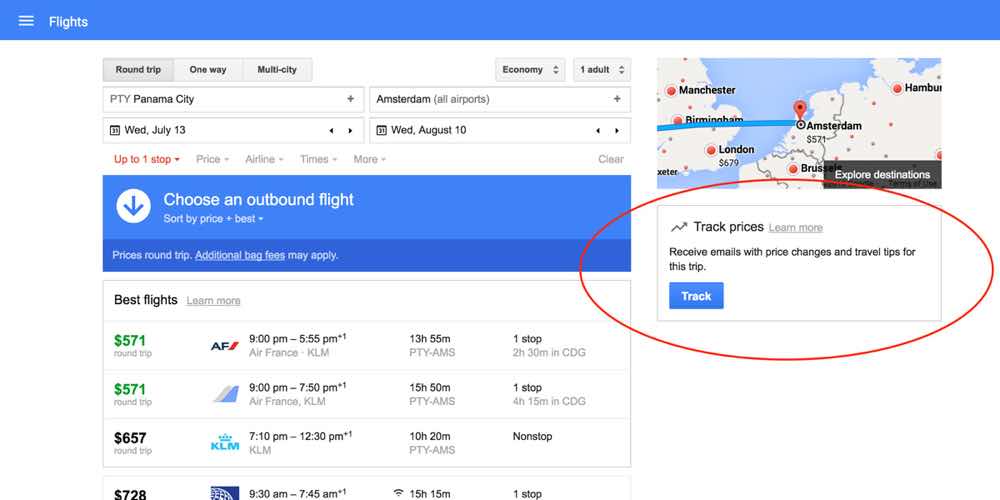
Airline ticket prices are notoriously volatile, fluctuating not just daily, but sometimes hourly. This dynamic pricing model is driven by algorithms that respond to demand, capacity, competitor pricing, and historical data. For the financially astute traveler, this volatility presents both a challenge and an opportunity. Rather than endlessly refreshing search pages, which can be an inefficient use of your time and lead to frustration, leveraging price alert tools is a superior financial strategy.
Platforms like Google Flights, Skyscanner, Hopper, and Kayak offer robust price alert functionalities. By setting up alerts for your desired route and dates, you effectively automate the monitoring process. You receive notifications when prices drop, allowing you to act swiftly when a financially opportune moment arises. These tools empower you to capitalize on the inherent unpredictability of airfare markets. Furthermore, some apps, like Hopper, even provide “buy” or “wait” recommendations based on predictive analytics, offering a data-driven financial forecast to guide your purchasing decision. This systematic approach transforms an often-stressful task into a financially optimized process, ensuring you secure tickets at or near their lowest possible price point.
Strategic Budgeting and Financial Planning for Ticket Purchases
Successful travel finance extends far beyond finding a good deal on a ticket; it encompasses a holistic approach to budgeting and planning that ensures financial stability before, during, and after your trip. A well-constructed financial plan is the bedrock of stress-free and affordable travel.
Establishing a Dedicated Travel Savings Fund
The most fundamental step in securing cheap tickets and affordable travel is the proactive establishment of a dedicated travel savings fund. Instead of hoping to find spare cash when a good deal appears, a consistent, systematic approach to saving provides the financial muscle to seize opportunities. Treat your travel fund like any other important financial goal, integrating it into your monthly budget. Allocate a specific amount from your income to this fund, perhaps automating transfers to a separate high-yield savings account.
This approach not only accumulates the necessary capital but also instills financial discipline. It transforms travel from an occasional splurge into an attainable, budgeted expense. By having funds readily available, you are in a stronger position to commit to a purchase when an attractive fare emerges, rather than missing out due to a lack of immediate liquidity. A robust travel savings fund is the ultimate financial preparation, empowering you to make purchases confidently and strategically.
Understanding the True Cost: Beyond the Ticket Price
A common financial pitfall for travelers is focusing solely on the advertised ticket price, only to be ambushed by a slew of additional costs. To truly find “cheap” tickets, one must understand and budget for the comprehensive financial outlay of air travel. This includes a host of potential expenses such as baggage fees (checked and sometimes carry-on), seat selection charges, in-flight amenities (food, blankets, entertainment), credit card processing fees, airport taxes (which are sometimes included but worth verifying), and even currency conversion fees if booking in a foreign currency without a no-foreign-transaction-fee card.
Budget airlines, in particular, are masters of unbundling services, offering a low base fare but charging for virtually every add-on. A seemingly cheap ticket can quickly inflate to surpass a full-service carrier’s fare once all necessary extras are accounted for. Before clicking ‘buy,’ meticulously review the airline’s fee structure. Factor in the cost of a checked bag if you need one, or the price of an assigned seat if comfort is paramount. By calculating the “all-in” financial cost, you can make an informed decision, ensuring that the initial “cheap” ticket remains genuinely economical in the grand scheme of your travel budget.
Leveraging Credit Card Rewards and Miles (Financial Tools)
For the financially savvy traveler, credit card rewards programs are powerful tools that can significantly reduce the cash outlay for airfare, effectively making tickets “cheaper” or even free. This strategy, however, demands responsible credit management and a clear understanding of financial products. Many travel-focused credit cards offer lucrative sign-up bonuses, often thousands of points or miles, after meeting a minimum spending requirement within the first few months. These bonuses alone can be enough for a domestic round-trip ticket or contribute substantially to an international one.
Beyond sign-up bonuses, ongoing spending on these cards can accrue points that are redeemable for flights. Some cards offer accelerated earning rates on travel or specific spending categories. To maximize financial benefit, it’s crucial to choose cards that align with your spending habits and travel goals. Always ensure you pay your balance in full and on time to avoid interest charges, which would negate any financial benefit from rewards. Furthermore, understand the redemption value of points across different airlines or hotel chains. Strategic use of these financial instruments transforms everyday spending into a pathway for discounted or free travel, making tickets remarkably more accessible.

Smart Purchasing Tactics: Navigating the Market for Optimal Value
The moment of purchase requires a blend of market awareness and strategic decision-making. Navigating the myriad options and understanding the underlying economics of ticketing can unlock significant financial advantages.
The Advantage of Booking in Advance vs. Last-Minute Deals
The age-old debate of when to book – far in advance or at the last minute – has distinct financial implications. For the vast majority of travelers, booking several months in advance (typically 2-4 months for domestic flights, and 4-8 months for international) offers the greatest financial advantage. Airlines often release their cheapest fare buckets first to stimulate early bookings and gauge demand. As the departure date approaches, and especially as flights begin to fill up, the remaining seats are sold at progressively higher prices. This is a core aspect of airline revenue management, aimed at maximizing profit.
While the mythical “last-minute deal” does occasionally exist, it’s a high-risk, low-reward financial gamble for most. These deals are usually limited to specific routes that an airline is struggling to fill and often come with less flexibility, meaning you must be able to drop everything and go. For the average traveler with a fixed schedule and destination, relying on last-minute discounts is a poor financial strategy, more likely to result in exorbitant fares than savings. The financially prudent approach is to plan ahead, monitor prices in the optimal booking window, and secure your tickets when you identify a favorable rate.
Exploring Alternative Airports and Routes for Cost Savings
Financial optimization in travel often means looking beyond the obvious. Focusing solely on flying into or out of your primary nearest airport, or directly to your desired city, can severely limit your options and inflate ticket costs. Many metropolitan areas are served by multiple airports, and even airports in nearby cities might offer significantly cheaper fares. For example, flying into a smaller regional airport a short drive from a major city can sometimes be hundreds of dollars cheaper than flying directly into the main hub.
This strategy requires a financial assessment of the trade-off: is the savings on the flight worth the additional time and cost of ground transportation from the alternative airport? Similarly, direct flights often carry a premium for convenience. Opting for a flight with a layover, particularly through a major airline hub, can often yield substantial financial savings. The key is to be flexible with your routing and willing to connect. Utilize search engines that allow you to compare prices across multiple airports within a specific radius, revealing a broader spectrum of financially advantageous routes. This tactical flexibility can turn a seemingly expensive journey into an affordable one.
The Economics of One-Way vs. Round-Trip Tickets
The traditional assumption is that round-trip tickets are always cheaper than two one-way tickets. While this often holds true, particularly with legacy carriers, it’s not an absolute financial rule, especially in today’s dynamic market. Low-cost carriers and certain international routes sometimes price one-way tickets competitively, and in some scenarios, purchasing two separate one-way tickets can be financially advantageous.
This strategy offers greater flexibility, allowing you to fly into one city and depart from another without incurring “open-jaw” fees, or even combine different airlines for each leg to leverage the cheapest fare on each segment. For instance, you might find a fantastic deal on a one-way flight with one airline, and an equally attractive return flight with a different carrier. This requires more meticulous financial planning and booking, but the potential savings can be significant. Always compare the total cost of a round-trip ticket versus two distinct one-way tickets, particularly when dealing with budget airlines or complex international itineraries, to ensure you are capturing the maximum financial value.
Advanced Financial Hacks for Maximizing Savings
Beyond the fundamental strategies, a deeper dive into the nuances of airline pricing and booking platforms can uncover more advanced financial hacks that, while requiring a bit more effort, can lead to truly exceptional savings.
Error Fares and Price Glitches: Seizing Rare Financial Opportunities
Error fares, or “mistake fares,” are rare but highly lucrative financial anomalies that occur when an airline or OTA inadvertently publishes an incorrect price for a ticket. These glitches can be due to human error, currency conversion mistakes, or technical issues within pricing systems. When they occur, the price can be astronomically low—sometimes even just a fraction of the actual cost.
Finding these fares requires diligence and swift action. Specialized websites and social media groups dedicated to identifying error fares constantly monitor pricing systems. Subscribing to their alerts can give you a critical edge. The window to book an error fare is usually very narrow, sometimes just hours, before the mistake is noticed and corrected. Once booked, there’s always a slight risk the airline might not honor it, though many do, especially if the ticket is confirmed and processed. Seizing these opportunities is a high-reward financial play for those who are quick to act and have the immediate funds available, turning an expensive journey into an unbelievable bargain.
Employing Stopovers as a Cost-Cutting Strategy
While layovers are often seen as a necessary inconvenience, strategic stopovers can be leveraged as a powerful financial tool. A stopover involves spending more than 24 hours in a connecting city before continuing to your final destination. Sometimes, adding a stopover in a major airline hub can actually make the overall ticket cheaper than a direct flight or a short layover. This counterintuitive financial dynamic occurs because airlines might be trying to fill seats on less popular routes or incentivize traffic through their hub cities.
Beyond the potential for direct savings on the ticket itself, a stopover offers an additional financial benefit: the opportunity to explore an extra city for virtually no additional airfare cost. This means you’re extracting more value from your initial flight investment. When searching for flights, experiment with multi-city searches that include a deliberate stopover in a potential hub city. Not only can this reduce your overall travel expenditure, but it also enriches your travel experience by adding another destination to your itinerary, maximizing the return on your financial investment in the journey.
Budget Airlines vs. Full-Service Carriers: A Financial Comparison
The choice between a budget airline and a full-service carrier is a critical financial decision that extends beyond the initial ticket price. Budget airlines, often lauded for their incredibly low base fares, operate on an “unbundled” service model. This means that while the initial fare might be enticingly low, nearly every amenity—checked luggage, carry-on bags, seat selection, in-flight meals, even printing your boarding pass at the airport—comes with an additional charge. These cumulative fees can quickly escalate, potentially making the final cost comparable to, or even exceeding, a full-service carrier.
Full-service carriers, conversely, typically include a certain baggage allowance, seat selection, and meals in their fare. While their base prices may appear higher, their “all-in” cost can sometimes represent better financial value, especially for longer international flights or for travelers who require specific amenities. The financially astute traveler will meticulously calculate the total cost for both options, factoring in all potential fees against their personal needs and preferences. For short, no-frills trips with minimal luggage, budget airlines often offer superior financial efficiency. For longer journeys or when comfort and convenience are priorities, a full-service carrier might provide a better overall financial proposition.

Conclusion
Finding cheap tickets to anywhere is not an elusive quest but a financially disciplined pursuit. It demands more than casual browsing; it calls for a strategic mindset, a keen understanding of market economics, and the astute application of various financial tools and tactics. From embracing flexible travel dates and leveraging credit card rewards to understanding the true cost beyond the base fare and exploiting advanced booking hacks, every strategy discussed is rooted in sound financial principles.
By incorporating these approaches into your travel planning, you transform yourself from a passive consumer into an active financial manager of your travel budget. The world is vast and waiting to be explored, and the barrier of cost is surmountable with the right financial wisdom. Embark on your next adventure with confidence, knowing that you possess the financial acumen to unlock remarkable experiences without compromising your fiscal well-being. Your journey to affordable global travel starts now, powered by smart money choices.
aViewFromTheCave is a participant in the Amazon Services LLC Associates Program, an affiliate advertising program designed to provide a means for sites to earn advertising fees by advertising and linking to Amazon.com. Amazon, the Amazon logo, AmazonSupply, and the AmazonSupply logo are trademarks of Amazon.com, Inc. or its affiliates. As an Amazon Associate we earn affiliate commissions from qualifying purchases.