
Navigating the landscape of health insurance can often feel like deciphering a complex financial puzzle, and in a state as populous and diverse as California, the stakes are particularly high. For millions of residents, understanding the true cost of health insurance is not just a matter of budgeting; it’s a critical component of personal financial planning and overall well-being. From individual plans purchased through the state marketplace to employer-sponsored benefits and government assistance programs, the price of coverage varies dramatically based on a multitude of factors. This guide aims to demystify the costs associated with health insurance in California, providing a comprehensive overview that empowers consumers to make informed financial decisions about their healthcare.
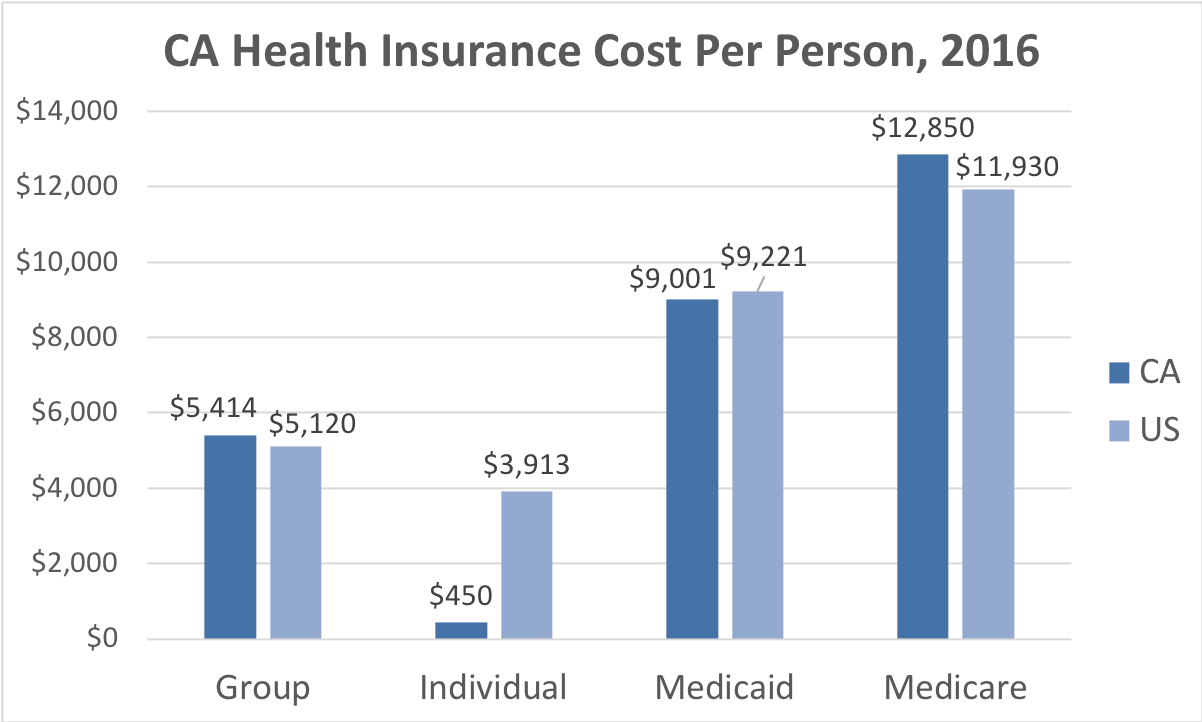
California operates under its own state-based exchange, Covered California, which is a key player in determining access and cost for many individuals and families. The Golden State’s commitment to expanding healthcare access means there are numerous avenues to explore, each with its own cost implications and benefits. Far from a one-size-fits-all figure, the “how much” question for health insurance in California requires a deep dive into individual circumstances, plan types, and the available financial aid that can significantly reduce out-of-pocket expenses. Understanding these variables is the first step toward securing adequate and affordable health coverage, aligning health needs with financial realities.
Understanding California’s Health Insurance Landscape
California’s approach to health insurance is shaped by both federal regulations, primarily the Affordable Care Act (ACA), and specific state initiatives. This unique blend creates a robust, albeit sometimes intricate, system designed to maximize coverage for its residents.
The Role of Covered California
Central to California’s health insurance ecosystem is Covered California, the state’s official health insurance marketplace. Established under the ACA, Covered California is where individuals and families who do not receive insurance through an employer or government program can shop for plans. It acts as a one-stop shop, allowing consumers to compare various plans from different insurance carriers, check their eligibility for financial assistance, and enroll in coverage. The marketplace is designed to foster competition among insurers, theoretically leading to more competitive pricing and diverse plan options. All plans offered through Covered California are ACA-compliant, meaning they cover essential health benefits, cannot deny coverage based on pre-existing conditions, and cap out-of-pocket maximums.
Types of Health Insurance Plans (PPO, HMO, EPO, POS)
The cost of health insurance is inextricably linked to the type of plan you choose, primarily due to how each plan structures its network of providers and referral requirements.
- HMO (Health Maintenance Organization): Typically the most affordable option, HMOs require you to choose a primary care physician (PCP) within their network who then refers you to specialists. Out-of-network care is generally not covered, except in emergencies.
- PPO (Preferred Provider Organization): PPOs offer more flexibility, allowing you to see any doctor or specialist without a referral, both in-network and out-of-network. However, out-of-network care usually comes at a higher cost. This flexibility makes PPOs generally more expensive than HMOs.
- EPO (Exclusive Provider Organization): EPOs are a hybrid, offering a network of doctors and hospitals, but generally not requiring a PCP referral to see specialists within that network. Like HMOs, they typically don’t cover out-of-network care, except in emergencies. Their cost often falls between HMOs and PPOs.
- POS (Point of Service): POS plans combine elements of HMOs and PPOs. You typically choose a PCP who refers you to specialists within the network, but you also have the option to go out-of-network for a higher cost, similar to a PPO.
Key Factors Influencing Premiums
Several critical factors directly impact how much you pay for health insurance premiums in California:
- Age: Premiums generally increase with age, with older individuals typically paying more.
- Location: Rates can vary significantly by county or even by specific ZIP code within California, reflecting local healthcare costs and competition among insurers.
- Plan Category (Metal Tier): As discussed below, the “metal level” of a plan (Bronze, Silver, Gold, Platinum) directly correlates with its premium and out-of-pocket cost structure.
- Tobacco Use: Insurers are permitted to charge tobacco users higher premiums.
- Number of People Covered: Adding spouses or dependents to a plan will increase the overall premium.
- Carrier: Different insurance companies offer varying rates for similar levels of coverage.
It’s important to note that, under the ACA, gender and pre-existing health conditions no longer impact premiums.
Deconstructing the Costs: What You Actually Pay
When discussing health insurance costs, it’s crucial to look beyond just the monthly premium. The true financial burden includes a combination of upfront payments and out-of-pocket expenses incurred when you receive care.
Average Monthly Premiums by Age and Location
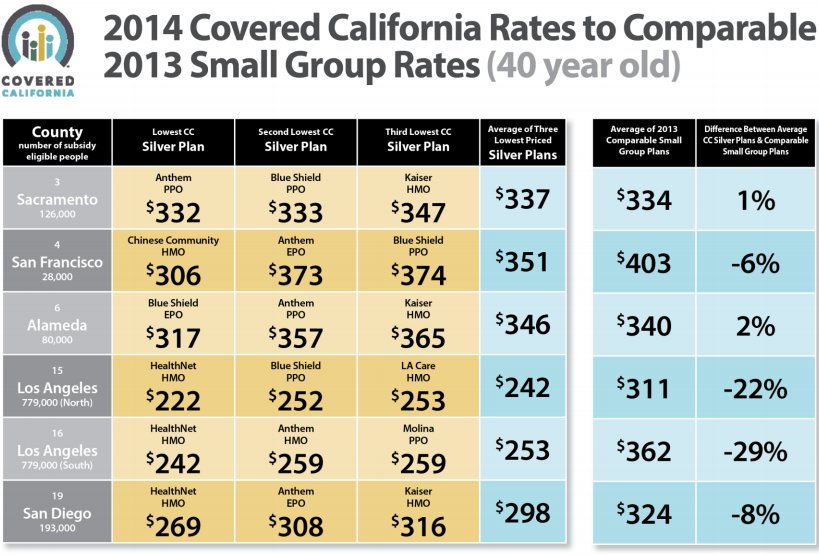
The average monthly premium for a benchmark Silver plan (which is used to calculate subsidies) for an individual in California can range from approximately $400 to $700 or more per month before any subsidies are applied. This figure fluctuates significantly. For instance, a younger individual in a less expensive county might pay closer to the lower end, while an older individual in a high-cost area like Los Angeles or San Francisco could face premiums at the higher end. A family plan, naturally, will be several times this amount. For example, a family of four might see unsubsidized premiums ranging from $1,200 to over $2,500 per month. These averages are illustrative and serve as a starting point before considering the substantial impact of financial assistance.
The Impact of Metal Tiers (Bronze, Silver, Gold, Platinum)
Covered California, like other state exchanges, categorizes plans into “metal tiers” based on how they split costs between the insurer and the consumer:
- Bronze plans: These have the lowest monthly premiums but the highest deductibles and out-of-pocket costs. They cover approximately 60% of healthcare costs on average, with you paying 40%. They are suitable for those who rarely need medical care and want protection against catastrophic events.
- Silver plans: Offer moderate premiums and moderate deductibles. They cover about 70% of costs on average (you pay 30%). Silver plans are particularly significant because they are the only plans eligible for Cost-Sharing Reductions (CSRs), which can dramatically lower deductibles, copays, and out-of-pocket maximums for eligible low-income individuals.
- Gold plans: These have higher monthly premiums but lower deductibles and out-of-pocket costs when care is needed. They cover about 80% of costs on average (you pay 20%). Good for those who expect to use medical services frequently.
- Platinum plans: Featuring the highest monthly premiums but the lowest deductibles and out-of-pocket costs. They cover approximately 90% of costs on average (you pay 10%). Best for those with chronic conditions or very high anticipated medical needs.
Choosing a tier involves a trade-off between monthly premiums and out-of-pocket expenses when care is sought.
Deductibles, Copayments, Coinsurance, and Out-of-Pocket Maximums
Beyond premiums, these terms define your financial responsibility when you actually use your insurance:
- Deductible: The amount you must pay for covered healthcare services before your insurance plan starts to pay. For example, if you have a $5,000 deductible, you pay the first $5,000 in medical costs each year before your insurer begins to contribute. Bronze plans typically have the highest deductibles.
- Copayment (Copay): A fixed amount you pay for a covered healthcare service after you’ve paid your deductible. For instance, a $30 copay for a doctor’s visit or a $15 copay for a prescription.
- Coinsurance: Your share of the cost of a covered healthcare service, calculated as a percentage (e.g., 20%) of the allowed amount for the service after you’ve met your deductible. If your coinsurance is 20% and the allowed amount for a service is $100, you pay $20.
- Out-of-Pocket Maximum (OOPM): The most you have to pay for covered services in a plan year. Once you reach this limit, your health plan pays 100% of the costs of covered benefits for the remainder of the year. The OOPM includes deductibles, copayments, and coinsurance, but not your monthly premiums. This is a critical financial safety net.
Financial Assistance and Subsidies: Making Insurance Affordable
For many Californians, the full sticker price of health insurance is daunting. Fortunately, significant financial assistance programs are available through Covered California, substantially reducing the actual cost of coverage.
Premium Tax Credits (APTC)
The most common form of financial aid is the Advance Premium Tax Credit (APTC). This federal subsidy is available to individuals and families with incomes between 100% and 400% of the Federal Poverty Level (FPL) (and temporarily, for 2021-2025, even higher income levels can qualify for subsidies that cap their premium contributions at 8.5% of their income). The APTC lowers your monthly premium, with the amount of the credit based on a sliding scale – the lower your income, the larger the subsidy. These credits are paid directly to your insurance company, reducing the amount you owe each month. It’s crucial to report accurate income estimates to Covered California, as discrepancies can lead to tax reconciliation issues.
Cost-Sharing Reductions (CSR)
Cost-Sharing Reductions (CSRs) are another vital form of assistance, designed to lower your out-of-pocket costs when you receive medical care. Unlike APTCs, which reduce premiums, CSRs specifically decrease your deductibles, copayments, coinsurance, and out-of-pocket maximums. CSRs are available to individuals and families with incomes between 100% and 250% of the FPL. Critically, CSRs are only available with Silver plans. This makes Silver plans a particularly attractive option for lower-income individuals, as they can get the benefits of a Gold or even Platinum-level plan in terms of out-of-pocket costs, while paying Silver-level premiums (further reduced by APTCs).
Medi-Cal: California’s Medicaid Program
For individuals and families with very low incomes (generally below 138% of the FPL), Medi-Cal provides free or low-cost health coverage. Medi-Cal is California’s version of Medicaid and is a comprehensive program that covers a wide range of medical services. Eligibility for Medi-Cal is determined based on income, household size, and other factors. Unlike plans through Covered California, Medi-Cal has no monthly premiums, deductibles, or copays for most services. It serves as a crucial safety net, ensuring that even the most financially vulnerable Californians have access to essential healthcare. Enrollment in Medi-Cal is ongoing throughout the year, not limited to specific enrollment periods.
Strategies for Reducing Health Insurance Costs
Beyond understanding the subsidies, proactive financial planning and smart consumer choices can significantly impact your overall health insurance expenses.
Shopping Smart on Covered California
The most effective strategy for managing costs is to meticulously compare plans on Covered California during the annual open enrollment period (typically November 1st to January 31st).
- Utilize the Plan Finder: Covered California’s online tool allows you to input your income and household size to see estimated subsidies and compare plans side-by-side.
- Consider all Metal Tiers: Don’t automatically dismiss Bronze plans. If you’re healthy and have an emergency fund, a Bronze plan with a low premium and high deductible might be cost-effective for catastrophic coverage. Conversely, if you qualify for CSRs, a Silver plan becomes an exceptionally good value.
- Evaluate Networks: Ensure your preferred doctors and hospitals are in-network for any plan you consider. Out-of-network care can be surprisingly expensive.
- Account for Drug Costs: Check if your prescription medications are covered and what tier they fall into within each plan’s formulary.
Exploring Employer-Sponsored Plans
If your employer offers health insurance, it’s almost always the most cost-effective option. Employers typically subsidize a significant portion of premiums, and many offer a variety of plan types (HMO, PPO) to choose from. Even if your employer plan seems expensive, compare its net cost (premium minus employer contribution, plus estimated out-of-pocket) against unsubsidized plans on Covered California. In most cases, if your employer offers “affordable” coverage (meaning the employee’s share of the premium for self-only coverage is less than 9.12% of their household income for 2023), you won’t qualify for APTCs on Covered California, even if the employer plan doesn’t cover your family.
Health Savings Accounts (HSAs) and Flexible Spending Accounts (FSAs)
These tax-advantaged accounts can significantly reduce your effective healthcare costs:
- Health Savings Accounts (HSAs): Available only with high-deductible health plans (HDHPs), HSAs allow you to contribute pre-tax dollars (or tax-deductible contributions if you contribute post-tax) to save for future medical expenses. The money grows tax-free and withdrawals for qualified medical expenses are also tax-free. HSAs offer a triple tax advantage and are portable, meaning the funds are yours even if you change jobs or plans.
- Flexible Spending Accounts (FSAs): Offered through employers, FSAs allow you to set aside pre-tax money for healthcare expenses. While not portable and often subject to a “use-it-or-lose-it” rule (though some plans offer a grace period or limited carryover), they can save you money on predictable medical, dental, and vision costs.
Navigating Medicare and CalPERS (if applicable)
For Californians aged 65 and older, or those with certain disabilities, Medicare becomes the primary insurer. Medicare has different parts (A, B, D, and C/Medigap) each with their own premiums, deductibles, and copays. Many seniors also look into CalPERS (California Public Employees’ Retirement System) if they are retired public employees, which offers various health plans often integrated with Medicare. Understanding these specific programs is crucial for older adults and requires a separate financial planning approach focused on these distinct benefits.
Beyond Premiums: The True Cost of Healthcare
While monthly premiums are the most visible cost, a holistic view of health insurance finances includes understanding potential future expenses and the value derived from coverage.
Unexpected Medical Expenses
One of the primary financial benefits of health insurance is protection against catastrophic and unexpected medical expenses. A severe accident, a sudden illness, or a complex chronic condition can quickly lead to medical bills costing tens or even hundreds of thousands of dollars. Without adequate insurance, such events can be financially ruinous. Even with a high-deductible plan, the out-of-pocket maximum provides a cap on your annual liability, transforming potentially unlimited costs into a manageable, albeit sometimes substantial, figure.
Preventive Care and Wellness Programs
ACA-compliant plans, including those offered through Covered California, are required to cover a range of preventive services at no additional cost (no copay or deductible). This includes annual physicals, vaccinations, cancer screenings, and certain counseling services. Investing in these preventive measures can save significant money in the long run by detecting and addressing health issues early, before they become more serious and costly to treat. Many plans also offer wellness programs, sometimes with incentives, which can further promote health and potentially reduce future healthcare utilization.
The Value of Comprehensive Coverage
Ultimately, the “cost” of health insurance isn’t just a number on a bill; it’s an investment in your health and financial security. Comprehensive coverage provides peace of mind, access to a broad network of medical professionals, and protection against the unpredictable nature of health. For many, the ability to seek medical attention without fear of crippling debt far outweighs the monthly premium. The “value” lies in not only covering illness but in enabling proactive health management and safeguarding against unforeseen financial burdens.

Conclusion
Determining “how much health insurance is in California” is a multifaceted inquiry that demands a personalized approach. While unsubsidized premiums can appear high, ranging from hundreds to thousands of dollars monthly depending on age, location, and plan type, the reality for many Californians is significantly different due to robust financial assistance. Understanding the roles of Covered California, the various plan types, and the nuances of deductibles, copayments, and out-of-pocket maximums is paramount. Critically, leveraging Premium Tax Credits and Cost-Sharing Reductions, particularly with Silver plans, can transform unaffordable prices into manageable expenses. Furthermore, exploring employer-sponsored options, utilizing tax-advantaged accounts like HSAs, and prioritizing preventive care are all vital components of a sound financial strategy for healthcare in the Golden State. Ultimately, the true cost of health insurance in California is not merely its premium, but the careful balance between financial outlay and the invaluable peace of mind and access to care it provides.
aViewFromTheCave is a participant in the Amazon Services LLC Associates Program, an affiliate advertising program designed to provide a means for sites to earn advertising fees by advertising and linking to Amazon.com. Amazon, the Amazon logo, AmazonSupply, and the AmazonSupply logo are trademarks of Amazon.com, Inc. or its affiliates. As an Amazon Associate we earn affiliate commissions from qualifying purchases.