
In an era defined by data and digital innovation, the quest to understand and manage our caloric needs has transformed from a complex, often imprecise endeavor into an accessible, data-driven science. For decades, individuals relied on generalized formulas or subjective estimations to gauge their daily energy requirements. Today, a powerful confluence of mobile applications, wearable technology, artificial intelligence, and advanced software provides unprecedented insight into our unique metabolic profiles and activity levels, enabling a highly personalized approach to nutrition.
Understanding one’s caloric needs is fundamental to achieving a diverse range of health and fitness goals, from weight management and muscle gain to optimizing athletic performance and preventing chronic diseases. Calories are the units of energy our bodies derive from food, fueling every biological process from breathing and thinking to exercising and repairing tissues. Consuming too many calories leads to weight gain, while too few can result in weight loss and nutrient deficiencies. The challenge has always been to pinpoint that optimal balance. This article delves into how technological advancements have made this precision not just possible, but easily attainable for anyone with a smartphone or internet connection, empowering individuals to move beyond guesswork and embrace an era of enlightened, data-backed nutrition.
The Digital Revolution in Calorie Tracking
The journey from rudimentary food journaling to sophisticated digital nutrition platforms marks a significant leap in how we approach our dietary needs. Technology has democratized access to tools that were once the exclusive domain of nutritionists and dietitians, making personalized caloric management a reality for millions.
Evolution from Manual Calculations to Smart Algorithms
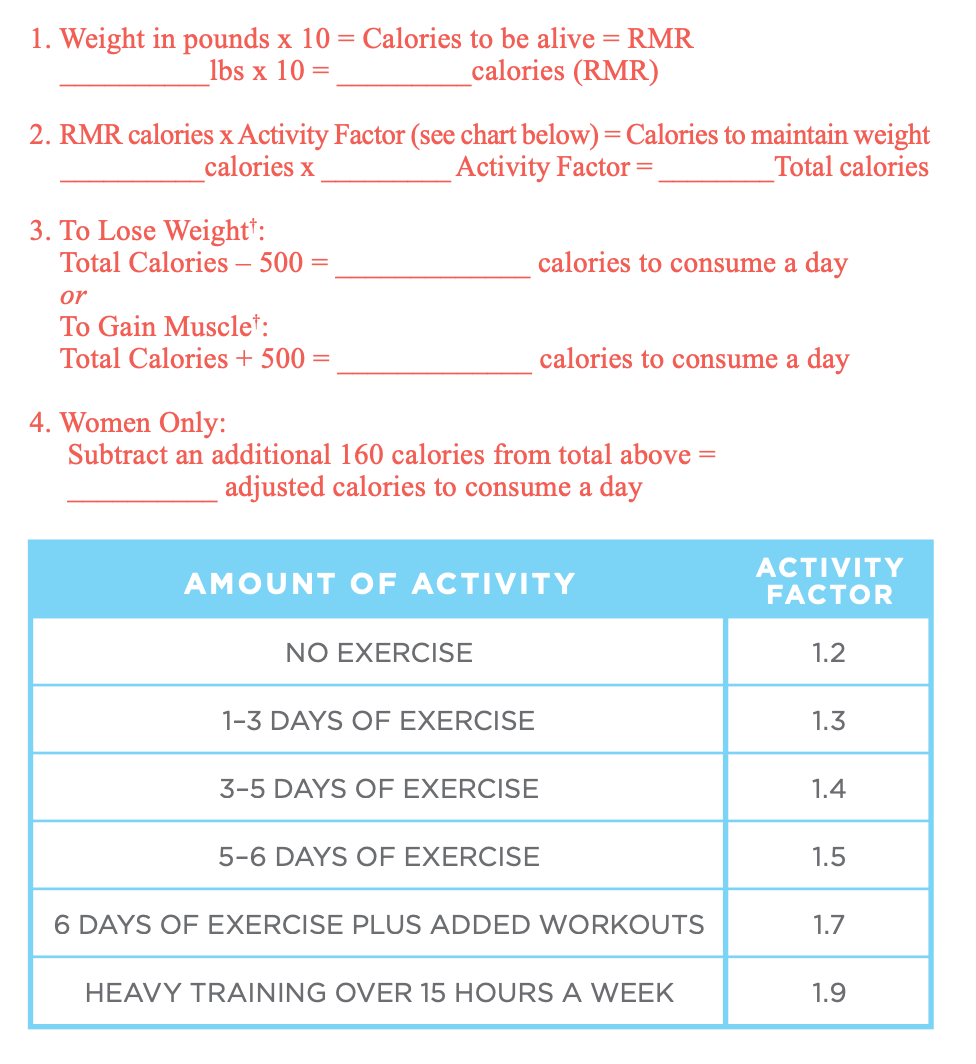
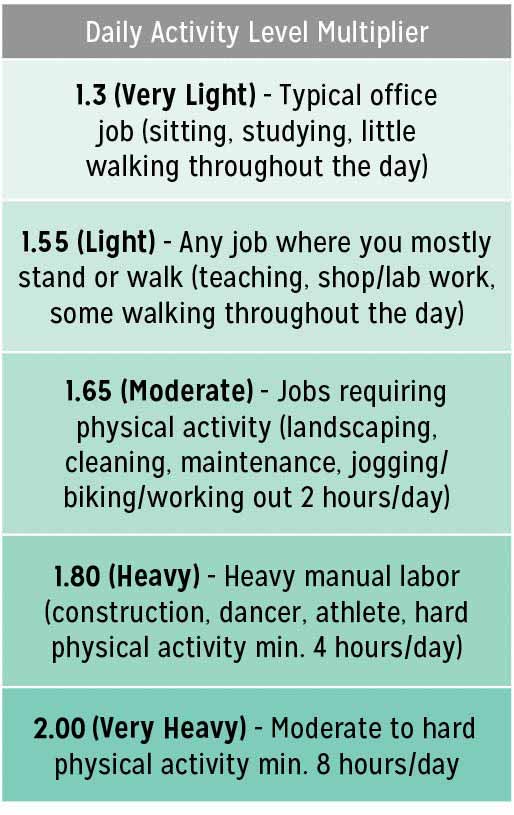
Historically, determining caloric needs involved manual calculations based on formulas like the Mifflin-St Jeor equation or Harris-Benedict equation, which estimate Basal Metabolic Rate (BMR) – the energy expended at rest – and then adjust for activity level to find Total Daily Energy Expenditure (TDEE). While foundational, these methods required some mathematical acumen and often yielded generalized figures. The digital revolution streamlined this process dramatically. Early online calculators automated these formulas, but modern applications have gone further, integrating vast food databases, activity tracking, and intelligent algorithms to provide real-time, dynamic caloric insights. This evolution means users no longer need to understand the underlying equations; they simply input their data, and the technology does the complex computation, offering user-friendly outputs that are actionable and easy to interpret. The shift signifies a move from theoretical calculation to practical, guided application, removing barriers to entry for anyone serious about managing their caloric intake.
The Role of Mobile Apps and Online Calculators
Mobile applications have emerged as the vanguard of personal nutrition management. Platforms like MyFitnessPal, LoseIt!, Cronometer, and countless others offer comprehensive ecosystems for tracking food intake, exercise, and progress. These apps typically feature extensive databases of foods, including brand-specific items and restaurant meals, allowing users to log their meals with remarkable accuracy. By inputting food items, the apps automatically calculate and display the caloric and macronutrient breakdown, comparing it against the user’s personalized daily targets. This immediate feedback loop is invaluable for fostering awareness and guiding dietary choices. Many apps also allow for barcode scanning, making the logging process even more efficient.
Beyond food tracking, these applications often integrate with other health platforms and devices, creating a holistic view of the user’s energy balance. They provide visual progress charts, goal-setting features, and reminders, transforming the often tedious task of calorie counting into an engaging and manageable routine. Online calculators, while less interactive, serve as excellent starting points for individuals to quickly estimate their BMR and TDEE based on age, gender, weight, height, and activity level. These tools often include explanations of different activity levels and offer general guidelines for weight loss or gain, providing a crucial initial benchmark before diving into more granular tracking.
Wearable Technology: Passive Data Collection
The advent of wearable technology has added another powerful dimension to caloric needs assessment. Devices such as Fitbits, Apple Watches, Garmins, and other smartwatches continuously monitor various physiological parameters, providing a more accurate picture of daily energy expenditure than self-reported activity alone. These wearables track steps, distance, heart rate, sleep patterns, and often integrate GPS to map exercise routes. Advanced algorithms within these devices can estimate calories burned during exercise and throughout the day, adjusting TDEE estimates based on actual movement and heart rate data.
By linking wearable devices to nutrition tracking apps, users can achieve a highly integrated system. The calories burned from a morning run, as detected by a smartwatch, can automatically be synced to a calorie tracking app, which then updates the remaining caloric budget for the day. This passive, continuous data collection minimizes manual input, reduces the potential for human error, and provides a much more dynamic and responsive caloric management system. For instance, on a day with an intense workout, the app can automatically show a higher caloric allowance, removing the guesswork and ensuring that the body is adequately fueled or is maintaining an appropriate deficit.
Demystifying Caloric Needs with AI and Advanced Software
The capabilities of technology extend far beyond simple tracking. Artificial intelligence (AI) and sophisticated software are pushing the boundaries of personalization, offering insights and guidance that were once the exclusive domain of highly skilled human experts.
AI-Powered Nutrition Platforms
AI is rapidly transforming how we receive nutritional advice, moving from static recommendations to dynamic, adaptive coaching. AI-powered nutrition platforms, such as Noom, PlateJoy, and emerging AI-driven coaching apps, leverage machine learning algorithms to analyze vast amounts of user data – including food preferences, dietary restrictions, activity levels, progress toward goals, and even psychological patterns – to provide hyper-personalized meal plans and recommendations.
Unlike traditional apps that merely track input, AI platforms learn from user behavior and physiological responses. If a user consistently struggles with a particular type of food or finds certain meal plans unsustainable, the AI can adapt, suggesting alternatives or strategies to overcome these challenges. They can identify patterns that might not be obvious to the human eye, such as the impact of sleep quality on food cravings or the correlation between specific macronutrient ratios and energy levels. This level of personalized, adaptive coaching represents a paradigm shift, making professional-grade nutritional guidance accessible and scalable.
Integrating Data for Holistic Insights
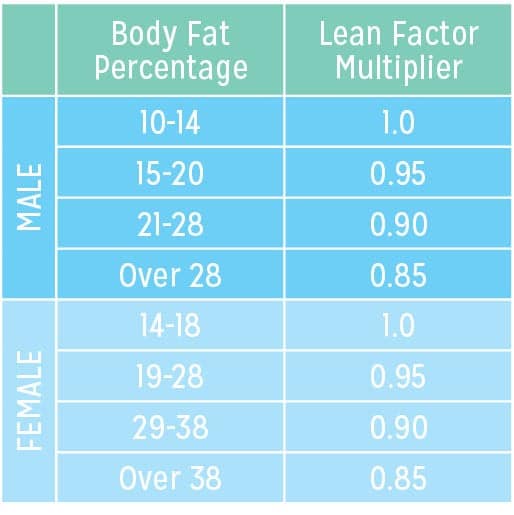
Advanced software platforms are increasingly capable of integrating data from multiple disparate sources to construct a truly holistic view of an individual’s energy balance. This means pulling information not just from food logs and wearables, but also from smart scales that track body composition (weight, body fat percentage, muscle mass), blood glucose monitors, and even genetic testing results.
By combining these data streams, software can provide a much richer and more accurate understanding of how the body is responding to dietary and lifestyle changes. For example, if a user’s weight isn’t changing despite a consistent caloric deficit, the integrated data might reveal a drop in muscle mass or an unexpected increase in BMR due to an intense training regimen. This comprehensive data integration allows for more nuanced adjustments to caloric targets, ensuring that goals are met effectively and healthily. It moves beyond simple calorie counting to a detailed analysis of body composition changes, metabolic rate fluctuations, and overall physiological responses to diet and exercise.
Predictive Modeling for Goal-Oriented Nutrition
One of the most exciting applications of AI in caloric management is predictive modeling. Based on historical data and current input, advanced software can project the likely outcomes of dietary and activity choices over time. For example, if a user consistently maintains a 500-calorie deficit, the AI can predict their projected weight loss over a specified period, giving them a clear, data-backed roadmap to their goals.
This predictive capability isn’t just about forecasting; it’s about optimizing strategy. If a user aims to lose a certain amount of weight by a specific date, the AI can suggest the daily caloric deficit required and even recommend adjustments to activity levels. This moves beyond reactive tracking to proactive planning, empowering individuals to make informed decisions that align directly with their long-term health and fitness objectives. It provides a level of foresight that transforms guesswork into guided strategy, significantly enhancing the likelihood of success.
Navigating the Digital Landscape: Choosing the Right Tools
With a plethora of technological solutions available, choosing the right tools to find and manage caloric needs can be daunting. Thoughtful consideration of features, accuracy, and personal requirements is crucial.
Evaluating App Features and Accuracy
When selecting a nutrition app or online tool, several factors should guide your decision. A robust and comprehensive food database is paramount; it should include a wide variety of generic foods, brand-specific products, and restaurant items, ideally with verified nutritional information. A user-friendly interface that makes logging quick and intuitive is also essential for long-term adherence. Look for apps that offer integration with popular wearable devices and other health platforms to create a seamless data ecosystem. Advanced features like macronutrient tracking, meal planning capabilities, and goal-setting tools can further enhance the experience. Finally, consider the scientific backing of the app’s algorithms; reputable tools often cite their methodologies or are developed in consultation with nutrition experts to ensure accuracy and effectiveness. Reading reviews and comparing features across different platforms can help in making an informed choice.
Understanding Data Privacy and Security
The collection of personal health and dietary data raises significant privacy and security concerns. Users share intimate details about their eating habits, activity levels, weight, and sometimes even medical conditions. It is crucial to choose platforms that prioritize data privacy and employ robust security measures to protect sensitive information. Review the app’s privacy policy to understand how your data is collected, stored, used, and shared. Look for apps that offer options for data anonymization or export, and be wary of platforms that seem overly eager to share data with third parties. Trustworthy services will be transparent about their data handling practices and compliant with relevant data protection regulations like GDPR or HIPAA, depending on the region.
The Human Element: When to Consult Professionals
While technology offers powerful tools for self-management, it is important to remember that it is a facilitator, not a substitute for professional medical or nutritional advice. Individuals with specific health conditions (e.g., diabetes, heart disease, eating disorders), pregnant women, competitive athletes, or those with complex dietary restrictions should always consult with a registered dietitian, nutritionist, or healthcare provider. Technology can provide data and generalized recommendations, but a human expert offers personalized guidance tailored to unique physiological needs, medical history, and individual circumstances. They can interpret data in context, address underlying health issues, and provide emotional support and accountability that apps cannot. Technology empowers, but professional guidance ensures safety and optimal outcomes for specialized cases.
Future Trends in Personalized Caloric Management
The trajectory of technology in nutrition suggests an even more integrated, personalized, and intuitive future, pushing the boundaries of what’s possible in caloric management.
Hyper-Personalization Through Biometric Data
The next frontier in caloric management lies in hyper-personalization, driven by increasingly granular biometric data. Emerging technologies like continuous glucose monitors (CGMs), originally for diabetes management, are now being explored by non-diabetics to understand individual glycemic responses to different foods. This real-time feedback can inform more precise dietary choices, optimizing energy levels and mitigating blood sugar spikes. Similarly, advancements in personalized microbiome analysis, using stool samples to understand gut bacteria composition, could soon influence highly individualized dietary recommendations, as the gut microbiome plays a significant role in nutrient absorption, metabolism, and even mood. These technologies promise to move beyond generic caloric targets to truly bespoke nutritional advice, tailored to an individual’s unique internal biology.
Gamification and Community Features
Engagement and adherence are critical for successful long-term caloric management. Future nutrition apps will likely leverage gamification techniques more extensively, incorporating challenges, rewards, badges, and progress streaks to make the process more enjoyable and motivating. Community features, allowing users to share progress, exchange tips, and participate in group challenges, will also grow in importance. The social aspect can provide crucial accountability and peer support, transforming individual caloric tracking into a shared journey. Imagine virtual nutrition coaches powered by AI, guiding you through gamified challenges alongside a supportive community, all designed to make healthy eating a sustainable habit rather than a chore.
Seamless Integration with Smart Home Ecosystems
The vision for the future includes a seamless integration of caloric management with smart home ecosystems. Imagine smart refrigerators that track food inventory and suggest meal plans based on your caloric goals, smart scales that automatically update your weight and body composition data in your nutrition app, and even smart cooking appliances that adjust recipes based on your personalized dietary requirements. This level of integration would automate much of the manual input currently required, making caloric management effortless and deeply embedded in daily life. For example, a smart kitchen could automatically log ingredients used in a meal, calculate its caloric content, and subtract it from your daily budget, all without a single tap on your phone.
Conclusion
The evolution of technology has profoundly transformed how we approach “how to find caloric needs.” From the simplicity of mobile apps and the diligence of wearable devices to the intelligence of AI-powered platforms, individuals now have an unprecedented array of tools to accurately assess, track, and manage their energy intake. This digital revolution empowers us to move beyond generalized advice, offering highly personalized insights that pave the way for more effective weight management, enhanced athletic performance, and improved overall health outcomes.
However, amidst this technological abundance, mindful engagement remains key. Choosing the right tools, understanding data privacy, and knowing when to seek professional human guidance are crucial aspects of leveraging technology responsibly. As future innovations promise even deeper levels of personalization and seamless integration into our daily lives, the journey of understanding our caloric needs will only become more precise, intuitive, and empowering. The future of nutrition is undoubtedly digital, offering a powerful pathway to a healthier, more informed you.
aViewFromTheCave is a participant in the Amazon Services LLC Associates Program, an affiliate advertising program designed to provide a means for sites to earn advertising fees by advertising and linking to Amazon.com. Amazon, the Amazon logo, AmazonSupply, and the AmazonSupply logo are trademarks of Amazon.com, Inc. or its affiliates. As an Amazon Associate we earn affiliate commissions from qualifying purchases.