
In an increasingly interconnected world, travel has become more accessible, yet the cost of airfare remains a significant hurdle for many. For the astute financial planner and budget-conscious adventurer alike, mastering the art of finding airfare deals is not just a skill—it’s a critical component of personal finance management and intelligent spending. This comprehensive guide delves into the strategies, tools, and insights necessary to consistently uncover and secure the best flight prices, transforming your travel aspirations into affordable realities. We’ll explore the underlying dynamics of airline pricing, leverage sophisticated digital financial tools, employ strategic booking techniques, and unlock the value of loyalty programs, all with the singular goal of maximizing your travel budget.

Understanding the Airfare Landscape
Before diving into specific tactics, it’s crucial to grasp the inherent volatility and complexity of airline pricing. Airfare is not a fixed commodity; it’s a dynamic product influenced by myriad factors, from fuel costs and seasonal demand to competitive pressures and sophisticated algorithms. A foundational understanding of this landscape empowers you to anticipate price fluctuations and position yourself for optimal savings.
The Dynamics of Airline Pricing
Airlines employ highly sophisticated revenue management systems that adjust prices in real-time based on demand, remaining seats, booking patterns, competitor pricing, and even individual user browsing history. This means that two people searching for the same flight at the same time might see different prices. Factors like the day of the week, time of day, and major holidays significantly impact demand and, consequently, pricing. For instance, flights departing on Tuesdays, Wednesdays, and Saturdays are often cheaper due to lower business travel demand. Similarly, red-eye flights or those with inconvenient timings tend to be more affordable. Understanding these patterns is the first step in outsmarting the system.
When to Book: The “Sweet Spot”
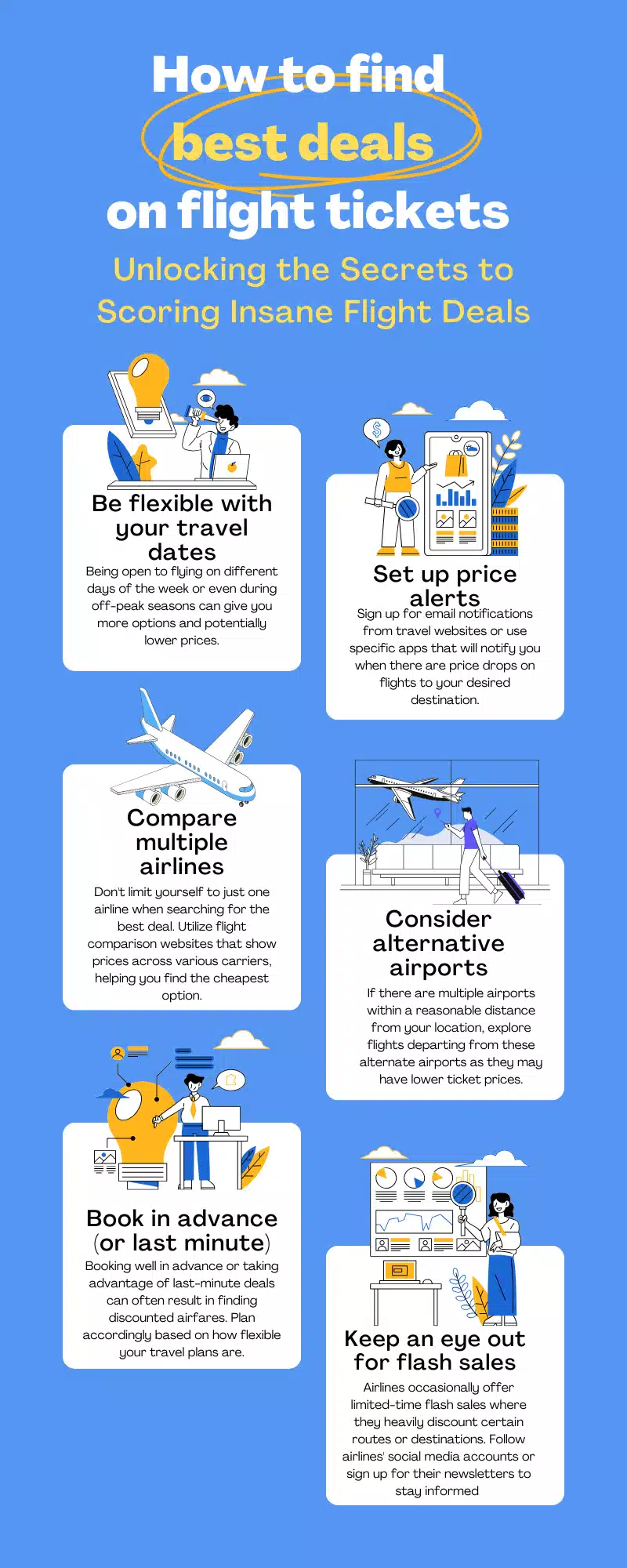
While there’s no single magic number, extensive data analysis suggests an optimal booking window. For domestic flights, this “sweet spot” typically falls between 1 to 3 months before departure. For international travel, it extends to 2 to 8 months in advance. Booking too early (e.g., more than 9 months out) often means paying higher prices because airlines haven’t yet released their full fare classes, while booking last-minute (within 2-3 weeks) almost guarantees inflated costs due to high demand for remaining seats. This window allows you to capitalize on early bird discounts without being caught by last-minute price hikes. Patience, combined with timely action, is a virtue in this pursuit.
Flexibility as Your Greatest Asset
Perhaps the most potent weapon in your airfare arsenal is flexibility. Being flexible with your travel dates, times, and even destination can unlock significant savings. If your schedule permits, consider flying during the off-season for your chosen destination, or during shoulder seasons (the periods just before or after peak season). Traveling mid-week instead of over weekends, or choosing early morning/late-night flights, can shave hundreds off your ticket price. Furthermore, if you’re open to different destinations, you can often follow the deals, letting the lowest airfare dictate your next adventure rather than a rigid pre-determined plan. This strategic adaptability is a cornerstone of intelligent financial travel planning.
Leveraging Digital Tools for Savings
In the digital age, a wealth of online financial tools and platforms are available to help consumers navigate complex markets, and airfare is no exception. These tools are indispensable for comparing prices, tracking changes, and identifying anomalies that lead to significant savings.
Mastering Flight Search Engines
The cornerstone of modern airfare searching lies in utilizing advanced flight search engines. Platforms like Google Flights, Skyscanner, Kayak, Momondo, and Expedia are not merely booking portals; they are sophisticated aggregators that scan thousands of routes and airlines to present you with the best available prices.
-
Google Flights: Renowned for its intuitive calendar view, allowing you to easily spot the cheapest dates to fly, and its “Explore” feature which shows destinations based on your budget. It also allows tracking of specific flights.
-
Skyscanner: Excellent for “everywhere” searches, perfect for those with flexible destinations. It also highlights the cheapest month to fly.
-
Kayak: Offers a comprehensive comparison of hundreds of travel sites at once, with a “Price Forecast” feature to advise whether to buy now or wait.
Learning to use their advanced filters—for things like number of stops, specific airlines, or even airport distance—is crucial for refining your search and uncovering hidden gems.
Price Alerts and Tracking Tools
Given the dynamic nature of airfare pricing, manually checking prices multiple times a day is impractical. This is where price alert tools become invaluable financial assistants. Most major flight search engines, including Google Flights and Skyscanner, offer free price alert services. You input your desired route and dates, and the system notifies you via email when the price drops or significantly changes. Additionally, dedicated services like Hopper utilize predictive analytics to tell you if you should buy now or wait, based on historical data and future predictions. Setting up multiple alerts for various date ranges or slightly different routes can significantly increase your chances of catching a deal. This proactive approach saves time and ensures you don’t miss a fleeting opportunity.
Incognito Mode and VPNs: Myth vs. Reality
A persistent myth in airfare searching is that airlines track your browsing history and raise prices based on repeat visits. While airlines do use complex algorithms, and dynamic pricing is real, there’s little concrete evidence that clearing cookies or using incognito mode consistently lowers prices. The primary factor influencing price changes during your search is the underlying demand and algorithm adjustments, not your personal browsing history in real-time. Similarly, using a VPN to appear as if you’re browsing from a different country can occasionally yield different prices, especially for specific routes where local currency or market conditions apply, but it’s not a consistent method for broad savings and can complicate booking if your payment method doesn’t match the perceived location. Focus on price alerts and flexibility rather than these less reliable tactics.
Strategic Booking Techniques
Beyond simply searching for flights, implementing smart booking strategies can drastically reduce costs. These methods often involve thinking outside the box and being willing to make slightly less conventional choices for substantial financial gain.
Exploring Alternative Airports
Major international airports often come with a premium. Researching flights to and from smaller, regional airports near your primary destination can uncover significantly cheaper fares. For example, flying into London Stansted or Luton instead of Heathrow, or into Burbank instead of LAX, might require a short train or bus connection, but the savings on airfare can often outweigh the minor inconvenience and additional ground transportation cost. Always factor in the total cost and time for the entire journey, but don’t dismiss a cheaper flight simply because it doesn’t land at the most prominent airport. This is a classic financial optimization strategy: evaluate the total cost of ownership.
Open-Jaw and Multi-City Flights
An “open-jaw” flight is one where you fly into one city and depart from another (e.g., fly into London, take a train to Paris, and fly home from Paris). A “multi-city” flight allows you to visit several destinations before returning home. Both can be surprisingly cost-effective compared to booking multiple one-way tickets or round-trips to the same city. Often, flight search engines have a “multi-city” or “add a stopover” option that can help you construct these itineraries, often leading to better deals than separate bookings. This strategy is particularly useful for European travel, where inter-city travel by train or bus is efficient and affordable.
The Power of Layovers
Direct flights are convenient, but that convenience often comes at a premium. Flights with one or more layovers are almost invariably cheaper. If you have the time and patience, opting for a longer layover can translate into significant savings. Sometimes, a strategically chosen layover can even turn into a mini-sightseeing opportunity if it’s long enough. Evaluate the trade-off between time saved and money saved. For budget travelers, a layover is a small price to pay for a much cheaper ticket, directly impacting your overall travel budget.
Budget Airlines: Friend or Foe?
Budget airlines like Ryanair, EasyJet, Spirit, and Southwest have revolutionized air travel by offering extremely low base fares. However, it’s crucial to understand their business model. These airlines unbundle services, charging extra for everything from checked baggage and seat selection to in-flight meals. While they can offer incredible deals, always calculate the total cost, including all potential add-ons. For short trips with minimal luggage, they can be a financial godsend. For longer journeys or those requiring more amenities, a full-service airline might actually be a better value once all fees are considered. Read the fine print carefully to avoid hidden costs that can negate initial savings.
Loyalty Programs and Credit Card Perks
For frequent flyers, or even those planning a significant trip, leveraging loyalty programs and travel-focused credit cards can unlock extraordinary value, turning routine spending into future travel opportunities. This is a critical aspect of long-term financial planning for travel.
Maximizing Airline Miles and Points
Enrolling in airline loyalty programs is a no-brainer. Even if you don’t fly one airline exclusively, accumulating miles from various partners within an alliance (e.g., Star Alliance, SkyTeam, Oneworld) can add up. The real trick is strategically earning and redeeming these miles. Look for promotional offers, bonus miles for specific routes, or opportunities to earn miles through partner hotels or car rentals. The value of miles fluctuates, so research optimal redemption values—sometimes redeeming for an upgrade or a specific route offers better value than a standard economy ticket. This is essentially a form of deferred savings, where current spending earns future travel currency.
Travel Credit Cards: Sign-Up Bonuses and Benefits
Travel credit cards are powerful financial tools designed to reward cardholders with points, miles, and travel-related perks. Many cards offer substantial sign-up bonuses (e.g., 50,000 to 100,000 points) after meeting an initial spending requirement, which can often be enough for a round-trip domestic flight or a significant portion of an international one. Beyond bonuses, these cards often provide benefits like free checked bags, priority boarding, airport lounge access, travel insurance, and no foreign transaction fees—all of which save you money directly or indirectly. However, it’s imperative to use these cards responsibly, paying off your balance in full each month to avoid interest charges that would quickly negate any travel rewards. This requires careful budgeting and financial discipline.
The Art of Award Travel Redemptions
Redeeming miles and points effectively is an art form. While airline award charts can be complex, understanding them can lead to outsized value. Look for “sweet spots” where a relatively low number of miles can secure a high-value flight, perhaps in business or first class, which would be prohibitively expensive to pay for with cash. Be flexible with dates, as award availability can be limited. Tools like AwardHacker or the airline’s own award search engines can help you find optimal redemption opportunities. This requires planning and a keen eye for value, treating your points like a precious financial asset.
Beyond the Booking: Ancillary Cost Savings
Finding a cheap flight is only half the battle. Many travelers overlook the array of ancillary costs that can inflate the total price of their journey. Strategic management of these expenses is vital for comprehensive financial savings.
Baggage Fees: Pack Smart or Pay Less
Baggage fees are a significant revenue stream for airlines and a common surprise expense for travelers. Always check the baggage policy of your airline before packing. Budget airlines are notorious for strict weight and size limits, with hefty fees for exceeding them or for bringing carry-on bags. Investing in a lightweight, regulation-sized carry-on can save you money on multiple trips. For longer journeys, consider shipping some items ahead or simply packing lighter. If checking a bag is unavoidable, some travel credit cards offer a free checked bag perk, or purchasing the baggage allowance online in advance is usually cheaper than at the airport counter. This is a direct saving on a common travel expense.
Seat Selection and In-Flight Services
Many airlines now charge for seat selection, especially for preferred seats with more legroom or closer to the front. If you’re traveling solo and don’t mind where you sit, opting not to pay for seat selection can save you money; you’ll typically be assigned a seat at check-in. Similarly, in-flight meals and entertainment often come at an additional cost. Pack your own snacks and drinks (after security, of course) and download movies or books to your device. These small adjustments prevent unnecessary spending and allow you to reallocate those funds to more impactful experiences at your destination.
Ground Transportation Considerations
The cost of getting to and from the airport can sometimes rival the cost of a cheap flight itself. Research public transportation options (trains, buses, shuttles) as they are almost always more economical than taxis or ride-shares. If staying for an extended period, consider multi-day public transport passes that also cover airport transfers. Pre-booking airport transfers or comparing prices between different shuttle services can also yield savings. Always factor these costs into your total travel budget when comparing flight deals to ensure you’re getting a true overall saving.

Conclusion
Finding airfare deals is a multifaceted endeavor that combines market understanding, digital literacy, strategic planning, and financial discipline. By understanding the dynamic pricing models, leveraging powerful online tools, employing clever booking techniques, and maximizing loyalty programs, you can significantly reduce your travel expenses. Every dollar saved on airfare is a dollar that can be allocated to experiences, accommodations, or other financial goals. Embrace flexibility, plan strategically, and consistently employ these insights to transform your travel aspirations into affordable realities, making every journey a testament to intelligent personal finance.
aViewFromTheCave is a participant in the Amazon Services LLC Associates Program, an affiliate advertising program designed to provide a means for sites to earn advertising fees by advertising and linking to Amazon.com. Amazon, the Amazon logo, AmazonSupply, and the AmazonSupply logo are trademarks of Amazon.com, Inc. or its affiliates. As an Amazon Associate we earn affiliate commissions from qualifying purchases.