
In the rapidly evolving landscape of digital finance, Cash App has emerged as a prominent player, transforming how millions of individuals and small businesses manage their money. Far more than just a peer-to-peer payment application, Cash App has blossomed into a comprehensive financial ecosystem, offering tools for spending, saving, investing, and even earning. Understanding “how Cash App works” is crucial for anyone looking to harness its full potential to streamline their financial life, optimize their investments, or power their entrepreneurial ventures.
At its core, Cash App is designed for simplicity and speed, bridging the gap between traditional banking and the instant gratification of digital transactions. This guide will delve into the mechanics of this ubiquitous financial tool, exploring its various features through the lens of personal finance, investment opportunities, and its utility for fostering online income and side hustles. By understanding its foundational operations, users can make informed decisions to leverage Cash App effectively, ensuring their financial management is not just convenient but also secure and strategically aligned with their monetary goals.
Understanding Cash App’s Core Functionality: Seamless Peer-to-Peer Transactions
The cornerstone of Cash App’s appeal lies in its incredibly straightforward peer-to-peer (P2P) payment system. This functionality allows users to send and receive money from friends, family, or even strangers with just a few taps on their smartphone, bypassing the often cumbersome processes of traditional banking transfers. This ease of use has made it an indispensable tool for splitting bills, repaying small debts, or sending quick financial assistance.
Sending and Receiving Funds Instantly
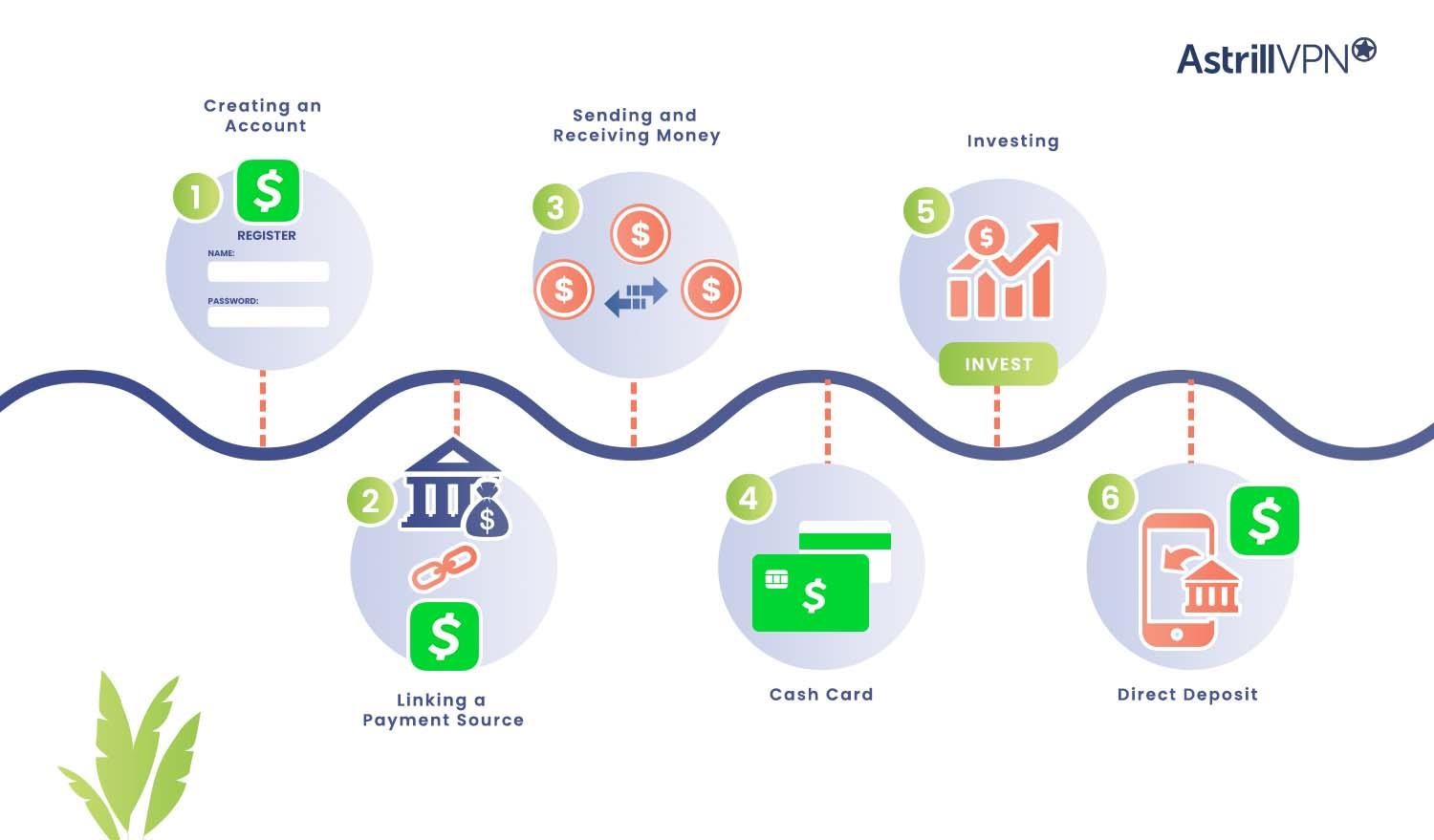
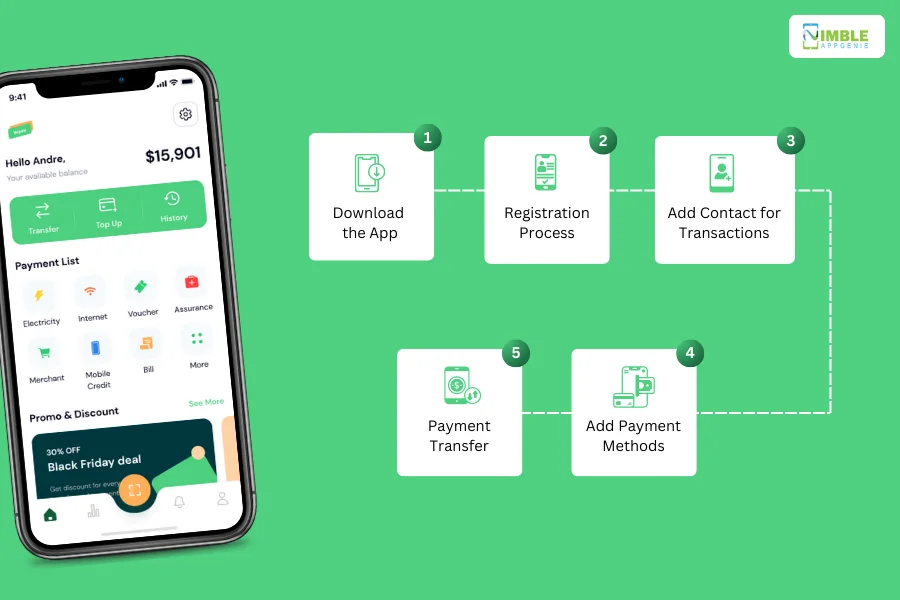
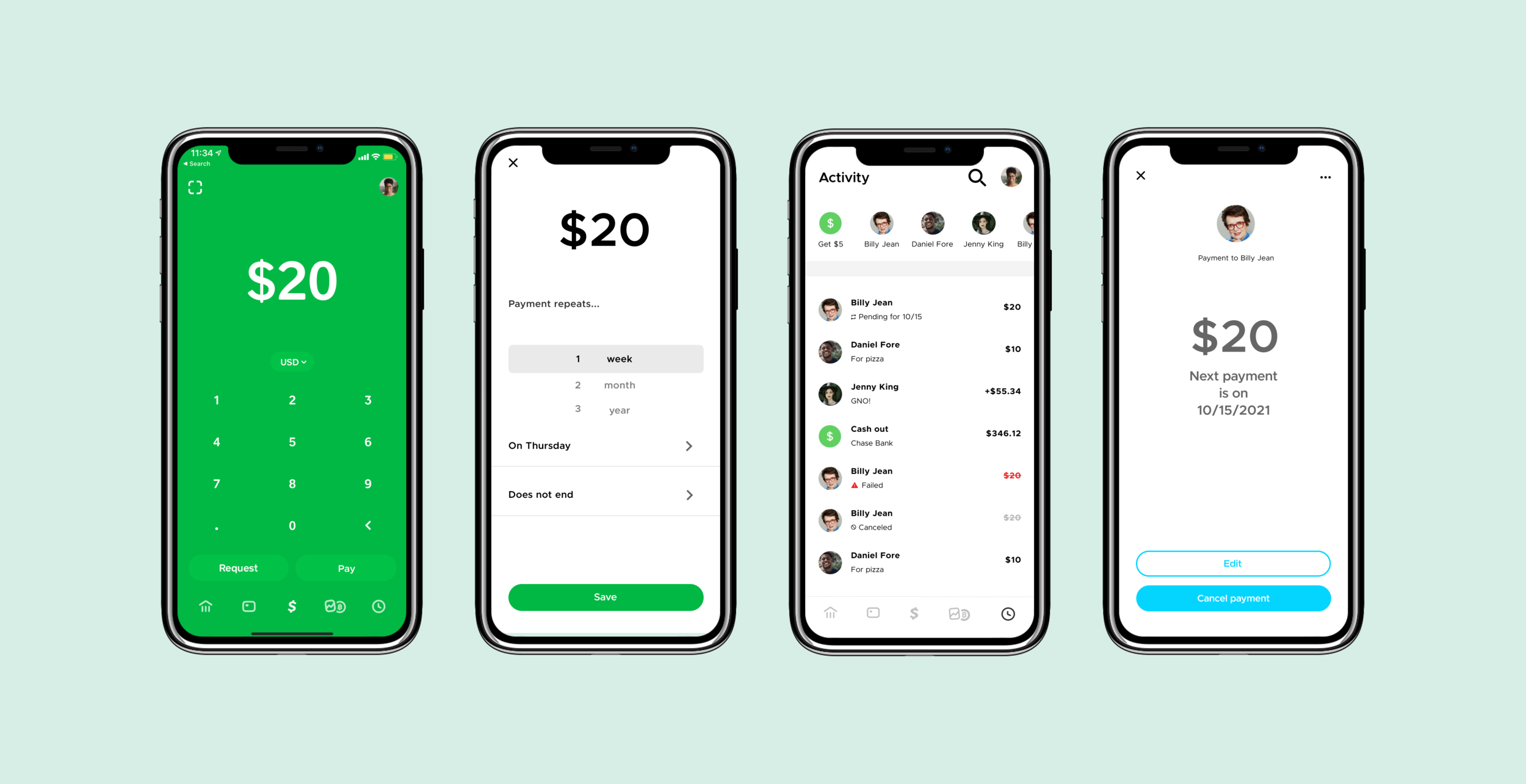
The process of sending money via Cash App is remarkably simple. Once a user has linked a bank account or debit card to their Cash App profile, they can enter the recipient’s unique $Cashtag, phone number, or email, specify the amount, and confirm the transaction. The funds are typically transferred almost instantly, making them immediately available in the recipient’s Cash App balance. Similarly, receiving money is equally effortless. When someone sends funds to a user, the money appears in their Cash App balance, ready to be spent using the Cash Card, invested, or transferred back to a linked bank account. This immediacy significantly reduces the friction associated with small financial exchanges, fostering a culture of quick and convenient money movement.
Requesting Money and Splitting Bills
Beyond sending, Cash App also empowers users to proactively request money. This feature is particularly useful in social scenarios, such as when splitting a restaurant bill, collecting contributions for a group gift, or reminding someone about a borrowed amount. Users can send a request for a specific sum to one or more contacts, who can then fulfill the request with a simple confirmation. This eliminates awkward conversations and ensures fair contributions, making financial interactions more transparent and less confrontational. The ability to easily request funds further solidifies Cash App’s role as a versatile tool for everyday financial coordination among individuals.
Security Measures for P2P Transfers
While convenience is paramount, Cash App does not compromise on the security of P2P transfers. The platform employs various security protocols to protect users’ funds and personal information. These include encryption of transaction data, optional PIN or fingerprint verification for sending money, and continuous monitoring for suspicious activity. Additionally, users are advised to only send money to people they know and trust, as P2P payments are often instant and irreversible. Understanding and utilizing the available security features, such as enabling notifications for all transactions and regularly reviewing account activity, is essential for maintaining a secure financial experience within the app.
Leveraging Cash App for Everyday Personal Finance
Cash App transcends basic P2P payments by offering a suite of features that integrate seamlessly into daily personal finance management. From facilitating direct deposits to providing a tangible spending card, it aims to serve as a primary financial hub for many users, particularly those seeking alternatives to traditional banking or desiring more agile financial tools.
The Cash Card: A Gateway to Your Balance
One of Cash App’s most powerful features for personal finance is the Cash Card. This is a customizable, free-to-order debit card issued by Sutton Bank and powered by Visa. It is directly linked to a user’s Cash App balance, allowing them to spend the funds in their account anywhere Visa is accepted, both online and in physical stores. The Cash Card provides an immediate and practical way to utilize the money received or stored within Cash App, effectively transforming the digital balance into a tangible payment method. This feature is particularly appealing for those who prefer to keep their spending separate from their primary bank account or for individuals who do not have traditional bank accounts.
Direct Deposit: Your Paycheck, Faster
Cash App offers the convenience of direct deposit, enabling users to receive their paychecks, tax refunds, and government benefits directly into their Cash App account. Upon activation, users receive a routing number and account number, which they can provide to their employer or relevant agencies. A significant advantage of Cash App’s direct deposit is the potential for funds to become available up to two days earlier than with many traditional banks. This feature significantly enhances Cash App’s utility as a primary financial tool, allowing users to manage their income and daily expenses all within one application, often with quicker access to their funds.
Boosting Your Savings with Offers and Rewards
Beyond mere transaction processing, Cash App integrates various mechanisms to help users stretch their money further. Its “Boosts” feature offers instant discounts at specific retailers, restaurants, or online services when users pay with their Cash Card. These are customizable, one-time-use discounts that users can select and apply to their purchases, providing immediate savings. While not a traditional savings account with interest, these Boosts effectively reduce spending on everyday items, indirectly contributing to better financial management by lowering out-of-pocket costs. Regularly checking and activating relevant Boosts can lead to significant cumulative savings over time, enhancing the overall value proposition for users focused on optimizing their personal spending.
Expanding Your Financial Horizons: Investing and Bitcoin on Cash App
Cash App has broadened its scope beyond basic spending and sending to include accessible investment opportunities, democratizing access to financial markets for a wider audience. This expansion into investment tools allows users to grow their wealth directly within the app, making it a powerful contender in the realm of modern financial platforms.
Accessible Stock Investing: Fractional Shares for All
One of the most groundbreaking features for financial empowerment on Cash App is its integrated stock investing platform. Users can buy and sell stocks from major companies with as little as $1, thanks to the concept of fractional shares. This means that instead of having to purchase an entire share, which can be expensive for high-value stocks, users can invest a small dollar amount to own a fraction of a share. This significantly lowers the barrier to entry for stock market investing, making it accessible to individuals who might not have substantial capital to begin with. The process is streamlined and intuitive, allowing users to browse popular stocks, view their performance, and execute trades with ease, all from their Cash App balance. This feature transforms Cash App into a gateway for new investors to dip their toes into the market and begin building an investment portfolio.
Buying and Selling Bitcoin: A Step-by-Step Guide
In addition to traditional stocks, Cash App also facilitates the buying and selling of Bitcoin (BTC). Recognizing the growing interest in cryptocurrencies, Cash App provides a simple, secure, and user-friendly platform for engaging with the world’s most popular digital asset. Users can purchase Bitcoin directly using their Cash App balance or linked debit card, and then hold it within the app or even transfer it to an external cryptocurrency wallet. The process is designed to be straightforward, presenting real-time pricing and transparent transaction fees. This functionality caters to both seasoned crypto enthusiasts and beginners looking to explore digital currencies without the complexities often associated with dedicated crypto exchanges. However, it’s crucial for users to understand the inherent volatility and risks associated with cryptocurrency investments.
Understanding Investment Risks and Opportunities
While Cash App makes investing accessible, it’s imperative for users to approach these features with a clear understanding of financial risks. Both stock and Bitcoin investments carry the potential for loss, and their values can fluctuate significantly. Cash App itself functions as a broker for these investments, providing the platform, but it does not offer financial advice. Users should conduct their own research, consider their financial goals, and understand their risk tolerance before investing. The opportunity lies in the potential for capital appreciation over time, but this must be balanced against the inherent uncertainties of market movements. Cash App’s role is to provide the mechanism, while the responsibility for informed investment decisions rests with the user, emphasizing the importance of financial literacy within this feature set.
Cash App for Business and Side Hustles: Monetizing Your Endeavors
Cash App isn’t just for personal transactions; it has also evolved into a valuable tool for entrepreneurs, freelancers, and small businesses. Its functionalities can streamline payment collection, simplify financial tracking, and even help individuals monetize their side hustles, offering a low-cost, high-convenience solution for managing business finances.
Accepting Payments for Goods and Services
For individuals operating side hustles or small businesses, Cash App provides an incredibly easy way to accept payments. By simply providing their $Cashtag, phone number, or email, entrepreneurs can receive funds directly from customers for goods sold or services rendered. This eliminates the need for complex point-of-sale systems or expensive merchant accounts, making it an ideal solution for home-based businesses, freelance work, or pop-up shops. The instant nature of Cash App payments means businesses receive their funds immediately, improving cash flow and reducing payment processing delays. This direct approach empowers micro-entrepreneurs to focus more on their craft and less on payment logistics.
Managing Business Transactions and Reporting
While Cash App doesn’t offer a full suite of traditional accounting software, it provides basic functionalities that can assist in managing business transactions. Users can distinguish between personal and business payments (though the core account might remain a personal one unless a separate business account is established), track income, and review transaction histories. This digital record-keeping simplifies the process of monitoring revenue and expenses, which is crucial for tax purposes and financial planning. For more robust reporting, transaction data can be exported, allowing business owners to integrate it into more comprehensive accounting software or spreadsheets. This capability makes Cash App a viable, albeit basic, financial tool for managing the monetary flow of nascent businesses.
Integrating with Other Financial Tools for Business Growth
For growing businesses, Cash App can serve as a convenient payment collection method that integrates with a broader financial strategy. While it may not replace a dedicated business bank account or sophisticated accounting platforms, its instant payment capabilities can complement these tools. For example, funds received via Cash App can be easily transferred to a dedicated business bank account, consolidating finances for more complex operations. Furthermore, the accessibility and widespread adoption of Cash App among consumers mean that businesses offering it as a payment option can cater to a wider customer base, potentially increasing sales and market reach. By understanding its strengths as a payment facilitator, businesses can strategically incorporate Cash App into their overall financial toolkit to support growth and operational efficiency.
Navigating Fees, Limits, and Customer Support: What You Need to Know
While Cash App champions convenience and accessibility, users must be aware of its operational parameters, including transaction fees, sending and receiving limits, and the avenues for customer support. Understanding these aspects is crucial for a seamless and predictable financial experience within the app.
Transparent Fee Structures and Transaction Limits
Cash App generally offers free standard deposits to a bank account and free P2P payments from a linked bank account or Cash App balance. However, certain transactions may incur fees. For instance, instant deposits to a linked debit card typically come with a small fee (usually 0.5%–1.75% of the transaction amount). Similarly, using a credit card to send money will incur a 3% fee. For business accounts, a small fee is often applied to transactions processed. Cash App also imposes limits on how much money users can send and receive, particularly for unverified accounts. Initially, users might be limited to sending $250 per week and receiving $1,000 per month. Verification, which typically involves providing personal information like a full name, date of birth, and the last four digits of a Social Security Number, significantly raises these limits, often to $7,500 per week for sending and unlimited receiving. Being aware of these fees and limits prevents unexpected charges or transaction failures, ensuring financial predictability.
Protecting Your Funds: Advanced Security Features
Cash App prioritizes the security of user funds and personal data. Beyond basic PIN and fingerprint authentication, the platform employs advanced encryption technologies to protect all financial information and transactions. Users can also enable security locks for their Cash Card to prevent unauthorized use if the card is lost or stolen. For added protection, Cash App offers email and SMS notifications for all account activities, allowing users to monitor their transactions in real-time. Moreover, the platform continuously monitors for suspicious activity and employs fraud detection algorithms to identify and mitigate potential threats. While Cash App provides robust security features, users play a vital role in maintaining their account’s integrity by using strong, unique passwords, being wary of phishing attempts, and never sharing their login credentials.
Accessing Support When You Need It
Despite its intuitive design, users may occasionally encounter issues or require assistance. Cash App provides several channels for customer support. The in-app support feature allows users to directly contact the support team, often providing quicker and more personalized assistance. There is also an extensive support website with FAQs and troubleshooting guides that address common inquiries. For more urgent matters, users can reach out via phone, though wait times can vary. It’s important to only use official Cash App support channels to avoid scams. Knowing how to access and effectively communicate with customer support ensures that any financial hiccups can be resolved efficiently, reinforcing confidence in the platform as a reliable financial tool.
Conclusion
Cash App has evolved far beyond its initial identity as a simple P2P payment application. Today, it stands as a versatile and potent financial management tool, deeply embedded in the “Money” category for its wide array of features catering to personal finance, investing, online income generation, and even small business operations. By offering seamless money transfers, a convenient debit card, direct deposit capabilities, accessible investment options for stocks and Bitcoin, and functionalities for business transactions, Cash App empowers users to take greater control over their financial lives.
Understanding “how Cash App works” means recognizing its comprehensive ecosystem designed for modern financial demands. It provides an agile alternative or complement to traditional banking, fostering financial inclusion and accessibility. However, like any financial instrument, maximizing its benefits requires users to be mindful of its fee structures, transaction limits, and the importance of engaging with its security features and customer support channels responsibly. As digital finance continues its rapid expansion, Cash App remains a compelling solution for anyone looking to navigate their monetary journey with greater ease, speed, and strategic insight.
aViewFromTheCave is a participant in the Amazon Services LLC Associates Program, an affiliate advertising program designed to provide a means for sites to earn advertising fees by advertising and linking to Amazon.com. Amazon, the Amazon logo, AmazonSupply, and the AmazonSupply logo are trademarks of Amazon.com, Inc. or its affiliates. As an Amazon Associate we earn affiliate commissions from qualifying purchases.