
In an increasingly digital world, where online payments, direct deposits, and mobile banking dominate daily transactions, the humble paper check might seem like an anachronism. Yet, for many individuals and businesses, checks remain a vital tool for various financial activities – from paying rent or utilities to making large purchases or managing specific vendor payments. Understanding how to navigate and utilize these financial instruments, particularly something as fundamental as finding a check number, is crucial for effective personal finance management.
A check number is more than just a sequential identifier; it’s a critical piece of information that plays a significant role in financial tracking, reconciliation, fraud prevention, and even dispute resolution. Whether you’re balancing your checkbook, reviewing a bank statement, initiating a stop payment, or simply need to reference a past transaction, knowing where and how to locate this number is an indispensable skill. This comprehensive guide will demystify the process, ensuring you can confidently pinpoint a check number, whether you have the physical check in hand or are relying on digital records.

Understanding the Anatomy of a Bank Check
To effectively find a check number, it’s essential to understand the basic layout and key components of a standard bank check. While modern checks might feature various designs and security elements, their core structure remains remarkably consistent across financial institutions.
Decoding the MICR Line
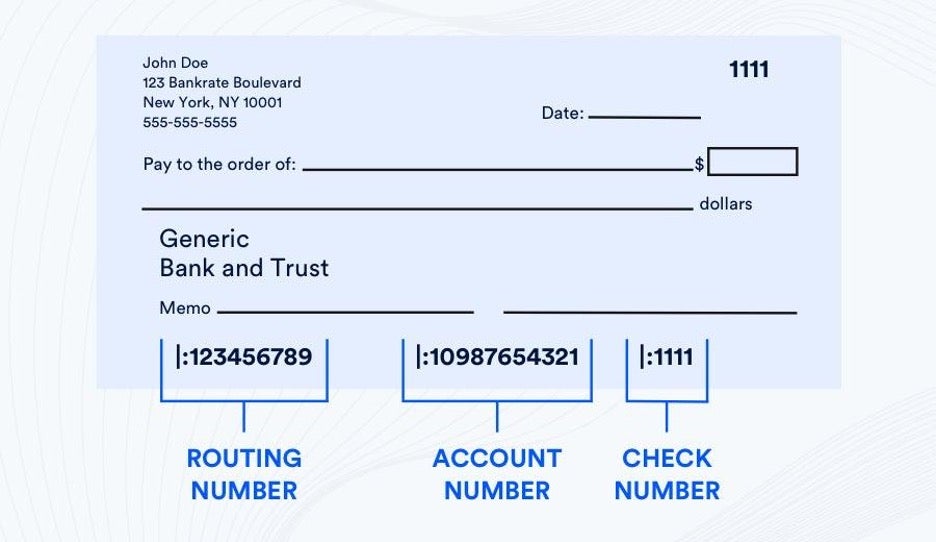
The most critical area on any check for numerical identification is the Magnetic Ink Character Recognition (MICR) line, located at the very bottom. This specialized line is printed with magnetic ink, allowing machines to quickly read and process the check’s essential information. The MICR line is divided into three primary segments, each serving a distinct purpose:
- Routing Number: This nine-digit code identifies the specific financial institution (your bank) responsible for processing the transaction. It’s akin to a bank’s address in the financial system.
- Account Number: This series of digits uniquely identifies your specific checking account at your bank. It’s crucial for ensuring funds are withdrawn from the correct account.
- Check Number: Usually the last set of numbers on the MICR line, this is the sequential identifier for that specific check. Its placement here ensures machine readability for tracking purposes.
The Check Number’s Position
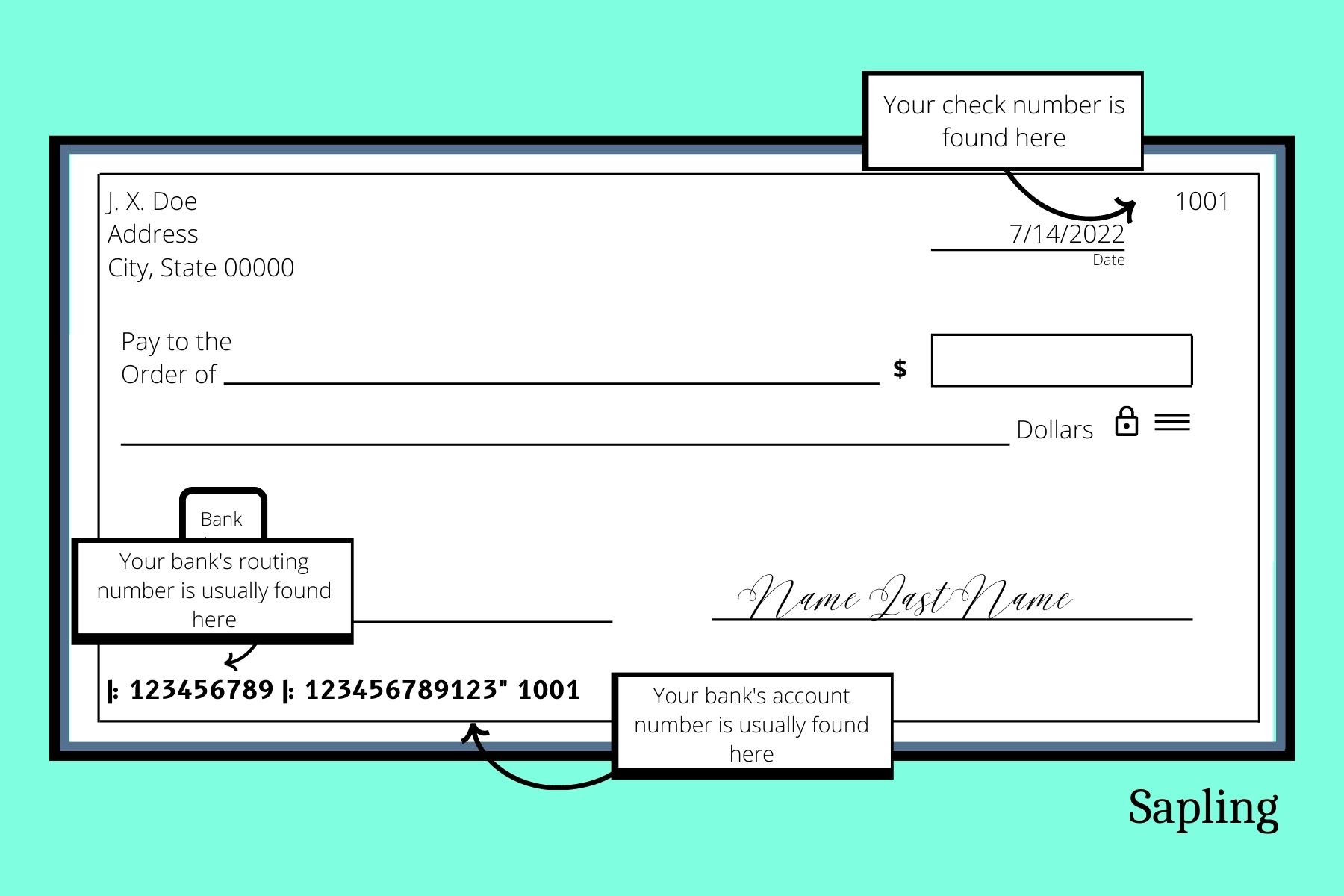
Beyond the MICR line, the check number is almost universally printed in another prominent location: the top right-hand corner of the check. This dual placement serves both human readability and machine processing. When you look at a blank check, you’ll typically see a small, discrete number in the upper right. This number corresponds directly to the one found on the MICR line. The consistency of this placement across virtually all checks makes it easy to spot quickly.
Other Key Identifiers
While the check number, routing number, and account number are paramount for processing, a check also contains other important details. These include the check issuer’s name and address, the date line, the payee line (“Pay to the order of”), the numerical and written amount lines, and the signature line. While these elements are crucial for the check’s validity and purpose, they do not directly assist in finding the check number itself. Understanding the distinct role of each identifier helps to narrow your focus when searching for specific information.
Locating Check Numbers on Physical Checks
Having a physical check in hand is the most straightforward way to find its corresponding number. Its design is standardized to ensure ease of identification for both the issuer and the recipient.
Standard Placement
As previously mentioned, the check number is almost universally located in two key positions on a physical check:
- Top Right Corner: This is the most visually prominent location for quick reference. It’s designed to be easily spotted at a glance, allowing you to record or reference the number before or after writing the check.
- Bottom Right of the MICR Line: This is the machine-readable version of the same number. Its presence here is critical for the banking system to process and track the check electronically. While you’ll typically refer to the top-right number for manual tasks, both numbers are identical and serve the same purpose.
Variations Across Banks
While the general placement is standard, minor stylistic variations might exist between different banks or check printers. For instance, the font, size, or exact positioning within the top right corner might differ slightly. In some rare cases, the check number might be preceded by a specific symbol or followed by a dash. However, these are usually minor aesthetic differences that do not obscure the number’s identity or make it difficult to locate. If you’re having trouble, simply look for the distinct sequential number that isn’t part of the date or amount.
The Importance of Sequential Numbering
A fundamental aspect of check numbers is their sequential nature. When you order a new box of checks, they will arrive pre-numbered in ascending order (e.g., 101, 102, 103…). This sequential numbering is vital for:
- Tracking: It allows you to keep a clear record of which checks have been written and cashed.
- Reconciliation: By comparing your check register or digital records with your bank statement, you can ensure that all checks written have cleared and that no checks are missing.
- Identifying Gaps: Gaps in the sequence could indicate a lost or stolen check, prompting further investigation.
Always be mindful of the sequence when writing checks and when ordering new ones, as it’s a built-in security and organizational feature.
Finding Check Numbers Without a Physical Check
In today’s digital age, it’s increasingly common to need a check number when the physical check is no longer available, either because it has been mailed, deposited, or simply lost. Fortunately, banks provide several digital and traditional avenues for retrieving this information.
Online Banking Portals
Your bank’s online banking website or mobile app is often the quickest and most convenient way to find check numbers for checks you’ve issued or received.
- Transaction History: Navigate to your checking account’s transaction history. Most banks will list the check number alongside the payee and amount for cleared checks. You might need to expand transaction details to see it.
- Check Images: Many banks offer the ability to view digital images of cleared checks. By clicking on a specific check transaction, you can often view a front and back image of the processed check, making it easy to spot the check number in the top right corner or on the MICR line. This feature is invaluable for verifying details.
- Search Functionality: Some advanced banking platforms allow you to search transactions by date, amount, payee, or even check number (if you have part of it).
Bank Statements
Monthly or quarterly bank statements, whether paper or electronic (eStatements), are comprehensive records of your account activity.
- Cleared Checks Section: Bank statements typically have a section dedicated to listing checks that have cleared during the statement period. This list will almost always include the check number, the date it cleared, and the amount.
- Transaction Detail: For more detailed statements, the check number might be listed alongside each individual debit transaction where a check was processed. Regularly reviewing your bank statements is not only good practice for finding check numbers but also for monitoring your financial health and identifying any unauthorized activity.
Check Registers or Ledgers
For those who prefer traditional record-keeping, a physical check register or ledger remains an effective tool.
- Manual Tracking: As you write each check, you should ideally record the date, payee, amount, and the check number in your register. This creates a chronological log of all issued checks.
- Digital Alternatives: For a more modern approach, budgeting software or spreadsheet applications can serve as digital check registers, allowing you to input and search for check numbers electronically. Maintaining a register is a habit that significantly simplifies reconciliation and finding past check details.
Contacting Your Bank
If all else fails, your bank’s customer service department is equipped to assist you.
- Customer Service Hotline: Call your bank’s support number. Be prepared to verify your identity with account details and personal information. The representative can usually look up transactions and provide the check number you need.
- In-Person Visit: For more complex inquiries or if you prefer face-to-face interaction, visiting a branch can also be an option. Remember that the bank will likely require identification for security purposes.
Why Knowing Your Check Numbers Matters
Beyond the simple act of locating it, understanding the significance of a check number is fundamental to sound financial management. It’s a key piece of data that supports accuracy, security, and efficiency in your financial dealings.
Financial Reconciliation and Budgeting
One of the primary uses of check numbers is in the process of financial reconciliation. By comparing the checks listed in your check register or budgeting software against the cleared checks on your bank statement, you can:
- Verify Transactions: Ensure that every check you wrote has been properly debited from your account for the correct amount.
- Identify Outstanding Checks: Track checks that have been written but have not yet cleared your bank, providing a true picture of your available balance.
- Prevent Overdrafts: By knowing exactly what funds are committed, you can avoid unintentional overdrafts. This meticulous tracking is the cornerstone of responsible budgeting and cash flow management.
Preventing Fraud and Errors
Check numbers act as a vital audit trail. If you notice an unauthorized or incorrect debit from your account, the check number can be a critical piece of evidence:
- Fraud Detection: An unfamiliar check number on your statement can signal a fraudulent check that has been forged or altered.
- Error Identification: It helps pinpoint specific transactions that might have been processed incorrectly by the bank or a merchant. Providing a check number makes it much easier for your bank to investigate and resolve such discrepancies.
Voiding Checks and Stopping Payments
There are instances where you might need to stop a payment on a check you’ve issued or void a check entirely. In both scenarios, the check number is absolutely essential:
- Stop Payment Order: If a check has been lost, stolen, or issued in error, you can request your bank to place a stop payment order. This prevents the check from being cashed. The bank will require the exact check number, along with the amount and payee, to identify and flag that specific check in their system.
- Voiding a Check: For setting up direct deposit or automatic bill payments, you might be asked for a voided check. A voided check typically has “VOID” written largely across its front, rendering it unusable for payment but still providing all your account and routing information. Knowing the check number allows you to track which check was voided and for what purpose.
Tax Preparation and Audits
Accurate financial records are paramount during tax season or in the event of an audit. Check numbers contribute significantly to this:
- Expense Verification: If you pay business expenses or make charitable contributions via check, the check number helps you match these payments to specific receipts or documentation, substantiating your deductions.
- Income Tracking: For self-employed individuals, tracking incoming payments via check, using their respective numbers, aids in accurate income reporting. Maintaining well-organized records, including check numbers, can streamline tax preparation and provide crucial evidence if your tax return is ever questioned.
Best Practices for Managing Your Check Information
Mastering the art of finding a check number is just one part of effective financial document management. Adopting sound practices for handling your check information will enhance your financial security and organization.
Keep a Detailed Check Register
Whether manual or digital, consistently updating a check register is perhaps the most fundamental practice. Immediately after writing a check, record the date, payee, amount, and, crucially, the check number. This creates a real-time ledger that empowers you to track your spending and understand your true available balance, minimizing the risk of overdrafts and simplifying reconciliation.
Regular Bank Statement Review
Make it a habit to meticulously review your bank statements as soon as they become available. Compare the transactions listed against your check register and other financial records. Look for familiar payees, correct amounts, and sequential check numbers. This proactive approach helps in quickly identifying and rectifying any discrepancies, unauthorized transactions, or errors, strengthening your financial security.
Secure Storage of Checks
Treat blank checks with the same care you would cash or credit cards. Store them in a secure location where they are not easily accessible to unauthorized individuals. Unused checks contain your account and routing numbers, which are sensitive financial identifiers. Similarly, keep copies or records of voided or used checks in a safe place, as they may be needed for future reference, such as during audits or dispute resolution.
Leverage Digital Record Keeping
Embrace the digital tools offered by your financial institution. Utilize online banking portals and mobile apps to view transaction histories, access check images, and manage your accounts. Many budgeting apps can also integrate with your bank, providing automated tracking and categorization of expenses. Digital records are often searchable, allowing for quick retrieval of check numbers and other transaction details, enhancing efficiency and reducing reliance on physical paper trails.
Conclusion
The ability to confidently find a check number, whether on a physical check, through online banking, or by reviewing statements, is an essential skill in modern personal finance. Far from being an outdated piece of information, the check number serves as a powerful tool for financial reconciliation, fraud prevention, and maintaining meticulous records. In an age where financial security and accuracy are paramount, understanding the anatomy of a check and knowing how to access its identifiers empowers you to better manage your money, protect your assets, and navigate your financial landscape with greater confidence and control. By integrating these practices into your financial routine, you’ll not only streamline your bookkeeping but also fortify your overall financial well-being.
aViewFromTheCave is a participant in the Amazon Services LLC Associates Program, an affiliate advertising program designed to provide a means for sites to earn advertising fees by advertising and linking to Amazon.com. Amazon, the Amazon logo, AmazonSupply, and the AmazonSupply logo are trademarks of Amazon.com, Inc. or its affiliates. As an Amazon Associate we earn affiliate commissions from qualifying purchases.