
Filing taxes can often feel like navigating a complex labyrinth, fraught with deadlines, forms, and an alphabet soup of deductions and credits. Yet, it’s a fundamental aspect of personal finance that, when handled correctly, ensures compliance and can significantly impact your financial well-being. For the 2023 tax year, understanding the landscape, gathering your documents, and choosing the right approach can transform a potentially stressful chore into a manageable and even empowering financial exercise. This comprehensive guide will demystify the process, offering insights and actionable steps to help you confidently file your 2023 taxes.
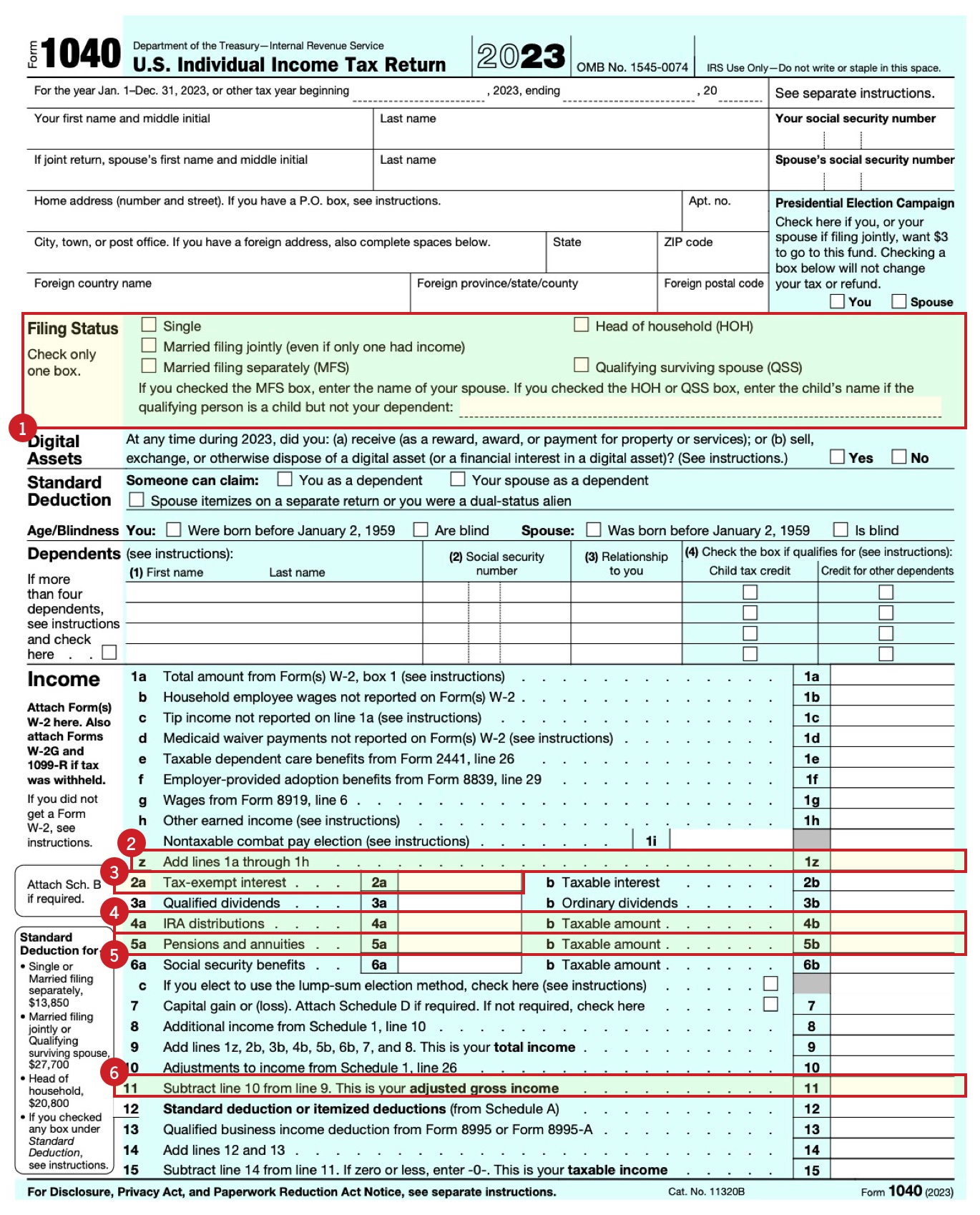
I. Understanding Your 2023 Tax Obligations and Key Deadlines
Before diving into the specifics of filing, it’s crucial to grasp the foundational elements: what period your taxes cover, when they’re due, and whether you’re required to file in the first place. These initial insights set the stage for a smooth tax season.
A. The 2023 Tax Year Overview
The 2023 tax year covers income earned and financial transactions completed between January 1, 2023, and December 31, 2023. When you file your taxes in early 2024, you are reporting on these activities. It’s important to remember that tax laws and thresholds can change annually, making it vital to reference information specific to the 2023 tax year. Key adjustments often include standard deduction amounts, income tax brackets, and limits for various credits and deductions. Staying informed about these changes is the first step toward accurate filing.
B. Key Deadlines for Filers
The primary deadline for most individual taxpayers to file federal income tax returns for the 2023 tax year is typically April 15, 2024. If April 15 falls on a weekend or holiday, the deadline shifts to the next business day. State income tax deadlines often align with the federal deadline but can vary, so it’s essential to check your specific state’s tax department website.
For those who need more time, filing an extension with the IRS (Form 4868) typically grants an additional six months, moving the deadline to October 15, 2024. However, an extension to file is not an extension to pay. If you estimate you will owe taxes, you must pay them by the original April deadline to avoid penalties and interest, even if you’ve filed an extension. For quarterly estimated tax payments (relevant for self-employed individuals, freelancers, and those with significant income not subject to withholding), specific deadlines exist throughout the year (e.g., April 15, June 15, September 15, and January 15 of the following year for the fourth quarter).
C. Who Needs to File?
Not everyone is required to file a tax return. Your obligation generally depends on your gross income, filing status (single, married filing jointly, head of household, etc.), and age. The IRS provides specific thresholds each year. For example, if your gross income is below the standard deduction for your filing status, you might not have to file.
However, even if you’re not required to file, you might want to if:
- You had taxes withheld from your pay and are due a refund.
- You qualify for refundable tax credits, such as the Earned Income Tax Credit (EITC), Child Tax Credit, or education credits.
- You received advance payments of the Premium Tax Credit.
It’s always better to err on the side of caution or consult a tax professional if you’re unsure, as missing a filing requirement can lead to penalties.
II. Gathering Essential Documents for a Seamless Filing Process
The foundation of an accurate tax return lies in meticulous record-keeping. Having all your financial documents organized and readily accessible before you begin the filing process will save you considerable time and reduce the likelihood of errors.
A. Income Documentation: W-2s, 1099s, and More
This category forms the core of your reported income.
- Form W-2, Wage and Tax Statement: Received from your employer(s), this form reports your annual wages and the amount of taxes withheld. You should receive one from each employer by January 31.
- Form 1099-NEC, Nonemployee Compensation: If you worked as an independent contractor or freelancer and earned $600 or more from a single client, they should provide you with this form.
- Form 1099-MISC, Miscellaneous Information: Reports various types of income, such as rent, prizes, or awards.
- Form 1099-INT, Interest Income: From banks, brokerage firms, or other financial institutions reporting interest earned.
- Form 1099-DIV, Dividends and Distributions: From investments, reporting dividends and capital gain distributions.
- Form 1099-B, Proceeds From Broker and Barter Exchange Transactions: Reports gains or losses from the sale of stocks, bonds, or other securities.
- Form SSA-1099, Social Security Benefit Statement: If you receive Social Security benefits.
- Other Income Statements: This could include K-1s from partnerships or S-corporations, gambling winnings (W2-G), or unemployment compensation (1099-G).
Ensure you have all relevant income forms. If you haven’t received a form you expect by early February, contact the issuer directly.
B. Deduction and Credit Supporting Documents
To claim deductions and credits, you need documentation to back them up. This often requires proactive record-keeping throughout the year.
- Mortgage Interest Statement (Form 1098): For homeowners, reports mortgage interest paid.
- Student Loan Interest Statement (Form 1098-E): Reports interest paid on qualified student loans.
- Tuition Statement (Form 1098-T): For students, reports qualified tuition and related expenses.
- Receipts for Medical Expenses: If you itemize deductions and have significant out-of-pocket medical costs.
- Receipts for Charitable Contributions: Documentation for cash and non-cash donations.
- Records of Child Care Expenses: Necessary for the Child and Dependent Care Credit.
- Property Tax Statements: For homeowners, local property taxes paid.
- Business Expense Records: For self-employed individuals, detailed records of all business-related expenses (mileage logs, office supply receipts, software subscriptions, etc.).
C. Personal Information and Prior Year Records
Don’t forget the basics. You’ll need:
- Your Social Security number (SSN) or Individual Taxpayer Identification Number (ITIN) and those of your spouse and dependents.
- Your date of birth and your spouse’s/dependents’ dates of birth.
- Your bank account and routing numbers for direct deposit of any refund.
- A copy of your prior year’s tax return (e.g., your 2022 return when filing for 2023). This provides a helpful reference for recurring income sources, deductions, and credits, and can streamline data entry if using tax software.
III. Navigating Your Filing Options: DIY vs. Professional Help
Once you have your documents in hand, the next decision is how you will actually prepare and submit your return. Several viable paths exist, each with its own advantages.
A. Online Tax Software: Cost-Effective and User-Friendly Solutions
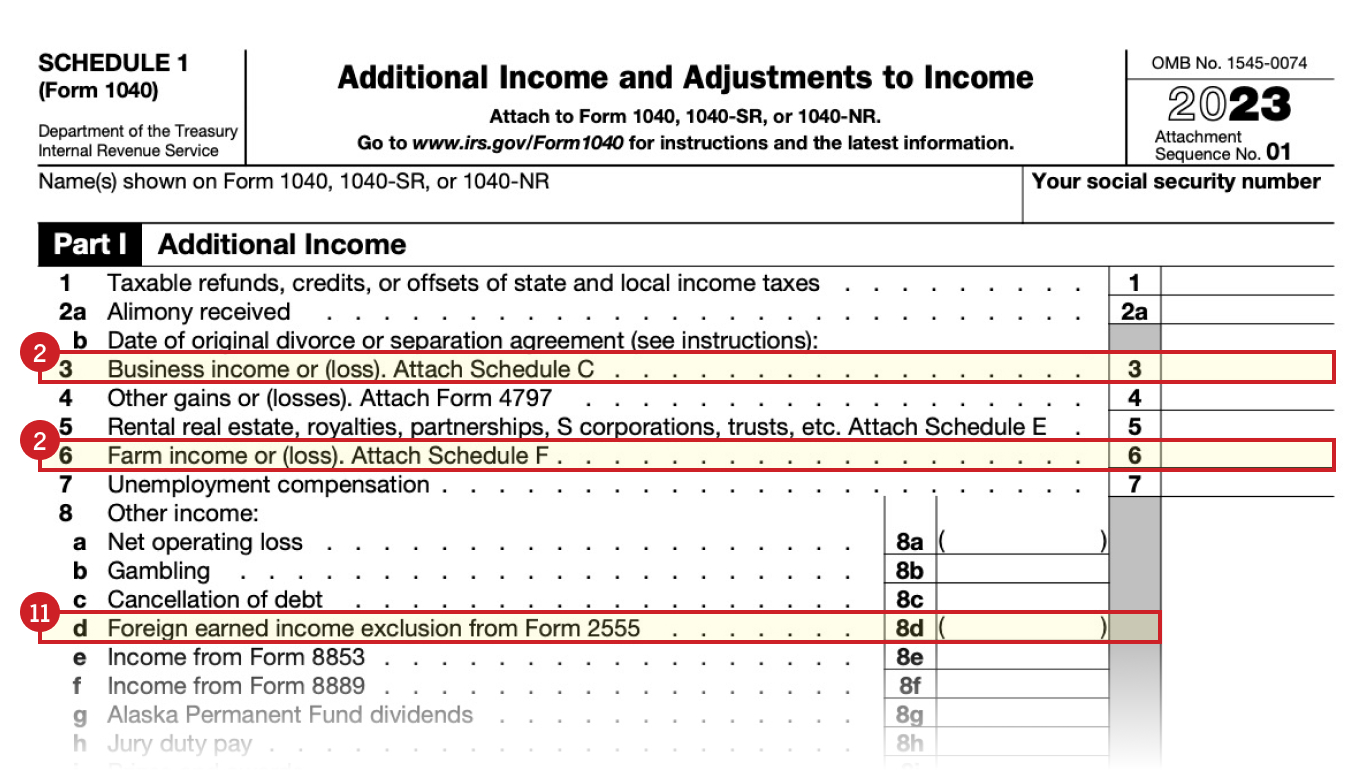
For most taxpayers with straightforward returns, online tax software is a popular and efficient choice. Companies like TurboTax, H&R Block, TaxAct, and FreeTaxUSA offer guided interviews that walk you through the process, prompting you for information and automatically calculating your taxes.
- Pros: Generally less expensive than a professional, convenient (can be done anytime, anywhere), offers error checks, and supports e-filing. Many even have free versions for simple returns.
- Cons: Requires you to understand your own financial situation and input data accurately. Might struggle with very complex tax situations (e.g., intricate investments, multiple businesses).
- Considerations: Look for software that matches your tax complexity. Some versions are better for W-2 earners, while others cater to self-employed individuals or those with investments. Check for state filing costs as these are often separate.
B. Professional Tax Preparers: When Expertise Matters
For complex tax situations, significant life changes (marriage, divorce, starting a business), or simply peace of mind, hiring a professional tax preparer can be invaluable. This includes Certified Public Accountants (CPAs), Enrolled Agents (EAs), or other qualified tax preparers.
- Pros: Expertise in complex tax laws, identifies all eligible deductions and credits, offers tax planning advice, and provides audit support. Saves you time and reduces stress.
- Cons: More expensive than DIY software. Requires finding a reputable and trustworthy professional.
- Considerations: Look for credentials (CPA, EA, attorney), inquire about their experience with situations similar to yours, ask about fees upfront, and ensure they are available for questions throughout the year.
C. Free Filing Options and Assistance Programs
Don’t overlook free resources!
- IRS Free File Program: If your Adjusted Gross Income (AGI) is below a certain threshold (which changes annually), you may qualify to use free tax preparation software offered by IRS partners. This is distinct from commercial “free” versions that often upsell you.
- Volunteer Income Tax Assistance (VITA) and Tax Counseling for the Elderly (TCE): These IRS-sponsored programs offer free tax help to qualified individuals, including those with low to moderate income, persons with disabilities, the elderly, and those with limited English proficiency. Certified volunteers provide free basic income tax return preparation.
IV. Maximizing Your Refund: Deductions, Credits, and Strategic Planning
A key objective for many filers is to minimize their tax liability and maximize any potential refund. This involves a strategic understanding and application of deductions and credits.
A. Common Deductions to Lower Your Taxable Income
Deductions reduce your taxable income, meaning you pay tax on a smaller portion of your earnings. You can generally take either the standard deduction or itemize deductions, whichever results in a larger reduction.
- Standard Deduction: A fixed dollar amount that varies by filing status and age, and is adjusted annually for inflation. Most taxpayers take the standard deduction as it’s simpler and often larger than their itemized deductions.
- Itemized Deductions: Requires you to list out specific eligible expenses, such as:
- State and Local Taxes (SALT): Up to $10,000 (combined for property, income, and sales taxes).
- Mortgage Interest: Interest paid on your home mortgage (for up to $750,000 in loan principal).
- Medical and Dental Expenses: Amounts exceeding 7.5% of your AGI.
- Charitable Contributions: Donations to qualified organizations.
- Other potential deductions: Student loan interest, IRA contributions, self-employment expenses (for business owners), health savings account (HSA) contributions, educator expenses, etc.
Always keep detailed records for any deduction you claim.
B. Exploring Tax Credits: Dollar-for-Dollar Savings
Unlike deductions, which reduce taxable income, tax credits directly reduce the amount of tax you owe, dollar for dollar. Some credits are even “refundable,” meaning if the credit reduces your tax liability to zero, you might receive the remaining credit amount as a refund.
- Child Tax Credit (CTC) and Credit for Other Dependents: Significant credits for families with qualifying children and other dependents.
- Earned Income Tax Credit (EITC): A refundable credit for low-to-moderate-income working individuals and families.
- Education Credits: American Opportunity Tax Credit (AOTC) and Lifetime Learning Credit (LLC) help offset higher education expenses.
- Child and Dependent Care Credit: For expenses paid for the care of a qualifying individual to allow you to work or look for work.
- Premium Tax Credit (PTC): For those who purchase health insurance through the Health Insurance Marketplace.
- Retirement Savings Contributions Credit (Saver’s Credit): For low- and moderate-income individuals contributing to retirement accounts.
- Energy-Efficient Home Improvement Credit and Residential Clean Energy Credit: For making certain improvements to your home or installing renewable energy equipment.
Carefully review the eligibility requirements for each credit, as they often have income limits and specific criteria.
C. Proactive Planning for Future Tax Years
Tax filing shouldn’t just be an annual scramble; it should be an integral part of your financial planning.
- Adjust Withholding: Review your W-4 form with your employer to ensure the correct amount of tax is withheld from your paycheck. Too much means an interest-free loan to the government; too little could result in penalties.
- Estimated Tax Payments: If you’re self-employed or have significant income not subject to withholding, make quarterly estimated tax payments to avoid penalties.
- Maximize Retirement Contributions: Contributing to a 401(k), IRA, or other retirement accounts can offer significant tax benefits, either by reducing taxable income (traditional accounts) or allowing for tax-free growth and withdrawals in retirement (Roth accounts).
- Track Expenses Year-Round: Develop a system (spreadsheet, app, dedicated folder) to track deductible expenses, charitable donations, and other relevant financial data throughout the year. This makes tax season infinitely easier.
- Consider Tax-Advantaged Accounts: Explore HSAs, 529 plans for education, and other accounts that offer specific tax benefits.
V. What Happens After You File: Audits, Refunds, and Amendments
Filing your return isn’t necessarily the final step. There are post-filing considerations, from tracking your refund to understanding potential IRS communications.
A. Tracking Your Refund Status
If you’re expecting a refund, you can track its status using the IRS’s “Where’s My Refund?” tool, usually within 24 hours of e-filing or four weeks after mailing a paper return. You’ll need your Social Security number, filing status, and the exact refund amount shown on your return. Most refunds are issued within 21 days for e-filed returns with direct deposit.
B. Understanding Tax Notices and Potential Audits
Receiving a letter from the IRS can be unsettling, but it doesn’t automatically mean an audit. Most IRS notices are requests for additional information, corrections to a mathematical error, or reminders about unpaid taxes.
- Respond Promptly: If you receive a notice, read it carefully and respond within the specified timeframe.
- Keep Copies: Always keep copies of any correspondence you send to or receive from the IRS.
- Seek Professional Help: If the notice is complex or suggests an audit, consider consulting a tax professional to help you understand and respond appropriately.
While less than 1% of individual tax returns are audited, knowing what to expect can ease concerns. An audit is a review of your accounts and financial information to ensure information is reported correctly. Cooperation and having proper documentation are key.

C. Amending Your Tax Return
Mistakes happen. If you discover an error after you’ve filed your return, you can correct it by filing an amended return using Form 1040-X, Amended U.S. Individual Income Tax Return. You generally have three years from the date you filed your original return or two years from the date you paid the tax, whichever is later, to file an amended return. Whether the error results in more tax owed or a larger refund, it’s important to correct your records with the IRS.
Filing your 2023 taxes successfully is about more than just compliance; it’s an opportunity to review your financial year, identify areas for optimization, and plan for future financial health. By approaching the task with organization and informed decisions, you can ensure accuracy, maximize your financial outcomes, and gain valuable insights into your personal financial landscape.
aViewFromTheCave is a participant in the Amazon Services LLC Associates Program, an affiliate advertising program designed to provide a means for sites to earn advertising fees by advertising and linking to Amazon.com. Amazon, the Amazon logo, AmazonSupply, and the AmazonSupply logo are trademarks of Amazon.com, Inc. or its affiliates. As an Amazon Associate we earn affiliate commissions from qualifying purchases.