
Navigating the complexities of the American tax system is often viewed as a daunting financial burden. For many taxpayers, the cost of tax preparation software can eat into a hard-earned refund, creating a barrier to financial wellness. TurboTax, one of the most prominent financial tools in the industry, offers a “Free Edition” designed for taxpayers with simple tax situations. However, understanding exactly how to qualify and navigate the platform without accidentally opting into paid services requires a strategic approach.
By mastering the nuances of free filing, you can keep more of your money while ensuring your obligations to the IRS are met with precision. This guide explores the mechanisms of TurboTax’s free offerings, the eligibility requirements, and the financial best practices to ensure your filing process remains entirely cost-free.

Understanding the Landscape of Free Tax Filing
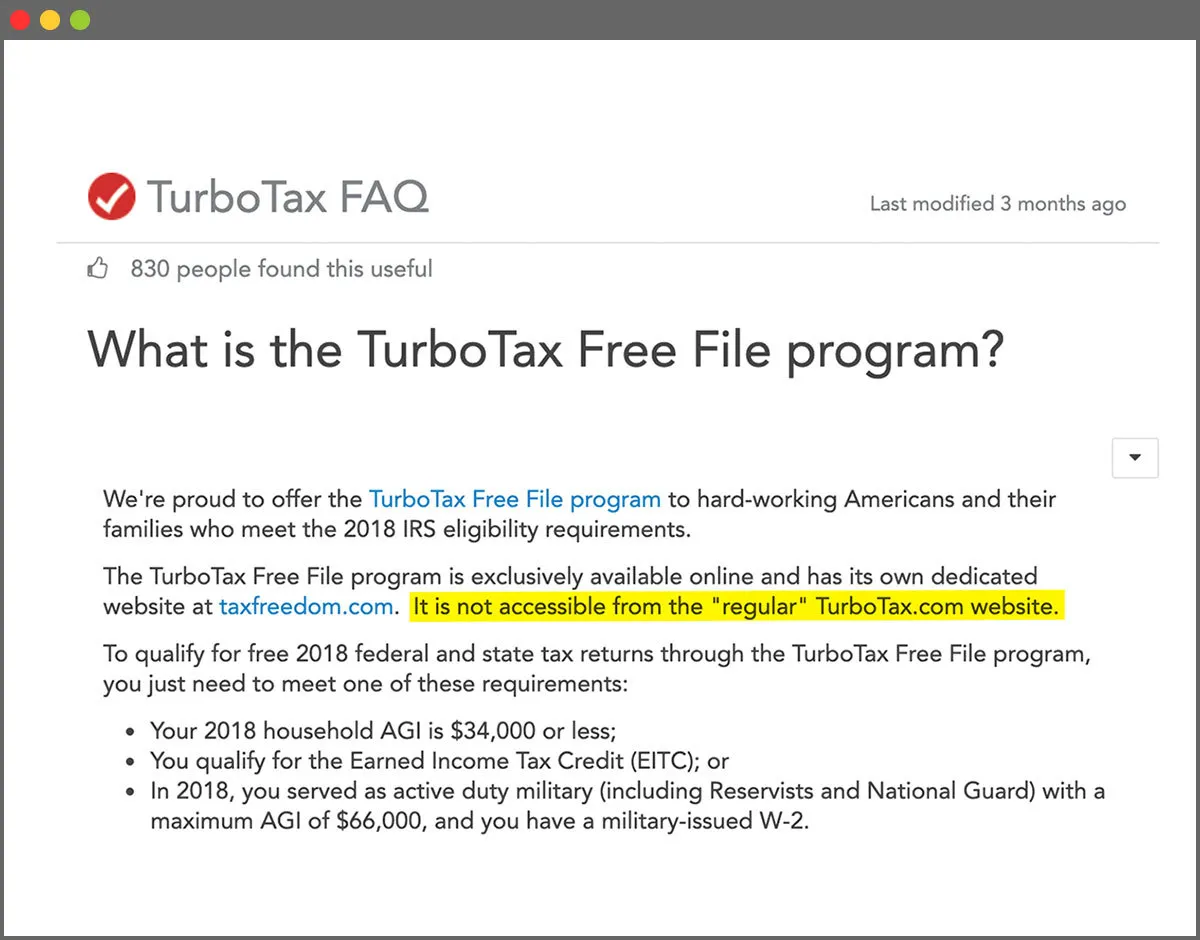
The term “free” in the world of financial software often comes with caveats. To successfully file without a fee, you must first distinguish between the various programs available through TurboTax and the broader IRS initiatives. TurboTax generally offers two primary paths for free filing: the TurboTax Free Edition and the IRS Free File program.
The TurboTax Free Edition vs. Simple Returns
The TurboTax Free Edition is specifically built for “simple tax returns.” In the context of personal finance, a simple return generally refers to a Form 1040 with no attached schedules. This typically covers taxpayers whose income is derived solely from W-2 wages, limited interest or dividend income (1099-INT or 1099-DIV), and those claiming the standard deduction.
If your financial life involves student loan interest deductions, health savings account (HSA) contributions, or freelance “gig economy” income reported on a 1099-NEC, you may find that the standard Free Edition prompts an upgrade. Understanding this distinction early in the process prevents the frustration of reaching the end of your return only to discover a fee is required to file.
The IRS Free File Program
It is also essential to distinguish between the commercial Free Edition and the IRS Free File program. The latter is a partnership between the IRS and various tax software providers, including Intuit (the parent company of TurboTax). This program is strictly income-based. For the current tax year, taxpayers with an Adjusted Gross Income (AGI) below a specific threshold (generally $79,000) are eligible for free federal filing through participating software providers via the IRS.gov website. While TurboTax has participated in this program in the past, it is vital to check the current IRS Free File website to see if they are a current partner, as the commercial “Free Edition” has different eligibility rules than the government-mandated program.
A Step-by-Step Strategic Approach to Filing
Filing your taxes for free is not just about starting the software; it is about maintaining a disciplined path through the user interface. Financial tools are often designed with “upsell” paths that highlight the convenience of paid features. To remain in the free tier, you must be diligent about your selections.
Initial Setup and Data Integration
The first step in the process is creating an account or logging into an existing one. To maximize efficiency and ensure accuracy—which is paramount in personal finance—you should gather all digital copies of your W-2s and 1099s. TurboTax allows for the direct import of data from many employers and financial institutions. Using this feature reduces manual entry errors, which are a leading cause of IRS audits and delayed refunds.
When prompted to select a product, ensure you choose the Free Edition. The platform will often ask if you want “Live” assistance or “Max” protection. From a personal finance perspective, these are insurance-like products. While they offer value to some, they carry significant fees. If you are confident in your documentation and have a straightforward financial year, declining these add-ons is the only way to keep the cost at zero.
Navigating the “Upsell” Prompts
As you progress through the software, you may encounter prompts suggesting that a paid version would help you find more deductions. It is a common misconception that free software results in a smaller refund. In reality, the tax code is the same regardless of the software tier you use. The difference lies in the software’s ability to handle complex forms. If you have a simple W-2 income and are taking the standard deduction, the Free Edition calculates your refund with the same accuracy as the most expensive professional suite.
Final Review and Filing
Before submitting, TurboTax provides a summary of your return. This is the moment to verify that no “convenience fees” or “refund processing fees” have been added to your total. One common pitfall is choosing to pay for state filing fees (if applicable) out of your federal refund. Financial institutions often charge a significant service fee—sometimes upwards of $40—to facilitate this transaction. To keep your filing truly free, choose to pay any necessary state fees with a credit or debit card directly, or check if your state offers a separate free filing portal.

Maximizing Credits and Deductions in the Free Tier
The goal of tax filing is not just to comply with the law, but to optimize your financial position by claiming every credit and deduction for which you are eligible. Even within the Free Edition, there are several key financial levers you can pull to increase your refund.
The Standard Deduction and Tax Efficiency
For the vast majority of taxpayers, the standard deduction offers a better financial outcome than itemizing. Since the 19.9% tax reform several years ago, the standard deduction has nearly doubled, making it the most efficient choice for simple returns. By choosing the standard deduction, you remain within the Free Edition’s parameters while significantly lowering your taxable income.
Earned Income Tax Credit (EITC) and Child Tax Credit
The TurboTax Free Edition fully supports the Earned Income Tax Credit (EITC) and the Child Tax Credit. These are “refundable” credits, meaning they can reduce your tax liability below zero, resulting in a payment from the government. For low-to-moderate-income families, these credits are vital components of a healthy personal finance strategy. Ensure you accurately input all information regarding dependents and total earned income to trigger these benefits.
Interest and Dividend Income
Even if you have minor investments, you may still qualify for free filing. Interest from a high-yield savings account or dividends from a small brokerage account can typically be reported on the Free Edition, provided they do not require Schedule B for large amounts. This allows you to grow your wealth through passive income without necessarily complicating your tax filing to the point of requiring paid software.
Avoiding Common Financial Pitfalls
The path to free filing is often derailed by small financial complexities that taxpayers overlook. Being aware of these triggers can help you decide whether to simplify your finances or prepare for the cost of an upgrade.
The “Form 1040” Limitation
The commercial Free Edition is strictly for those who can file a simple 1040. If you have self-employment income, even if it is a small side hustle, the IRS requires Schedule C. TurboTax generally requires an upgrade to “Premium” or “Self-Employed” tiers to process Schedule C. From a business finance perspective, it is often worth the upgrade to ensure your business expenses are properly deducted, but for a true “free” experience, your income must be limited to standard employee wages.
Unemployment Income and Other Nuances
In recent years, the handling of unemployment income has shifted. While many platforms previously included this in free tiers, it is important to verify each year’s current rules. If your financial year included unemployment benefits, check the form requirements early in the process. Similarly, if you sold cryptocurrency or stocks, the required Schedule D will almost certainly trigger a move out of the free tier.
State Filing Costs
While federal filing is often free, state filing is where many users encounter unexpected costs. Some versions of TurboTax Free Edition include one free state return, while others charge for it. If you live in a state with no income tax (like Florida, Texas, or Washington), this is not an issue. However, for those in high-tax states, you should evaluate whether filing your state return through the state’s own Department of Revenue website is a more cost-effective alternative to paying the TurboTax state filing fee.
Building a Long-Term Financial Documentation Strategy
Filing for free is significantly easier when your financial house is in order. Tax preparation should not be an annual scramble; it should be the final step of a year-round personal finance strategy.
Year-Round Organization
To ensure you qualify for free filing in the future, keep a digital folder of all tax-related documents. Use apps to scan receipts or save PDF versions of your W-2s and 1099s as they arrive in January. When your documentation is organized, the time spent in the software is minimized, reducing the likelihood of making errors that lead to paid support requests.
Evaluating Alternatives
While TurboTax is a powerful tool, a savvy financial mind always compares options. Other platforms like FreeTaxUSA or the IRS’s own “Direct File” pilot program offer different structures for free filing that might accommodate more complex forms (like student loan interest or HSA contributions) without the cost. Part of a robust personal finance plan is knowing which tool provides the most value for your specific situation.
In conclusion, filing for free on TurboTax is entirely possible for those with simple financial lives, provided they navigate the software with a keen eye on eligibility requirements. By understanding the boundaries of the Free Edition, avoiding unnecessary add-ons, and maintaining organized financial records, you can fulfill your tax obligations while keeping your financial resources focused on your personal growth and investment goals. This disciplined approach to tax season is a hallmark of effective personal financial management.
aViewFromTheCave is a participant in the Amazon Services LLC Associates Program, an affiliate advertising program designed to provide a means for sites to earn advertising fees by advertising and linking to Amazon.com. Amazon, the Amazon logo, AmazonSupply, and the AmazonSupply logo are trademarks of Amazon.com, Inc. or its affiliates. As an Amazon Associate we earn affiliate commissions from qualifying purchases.