
The discovery that you have unfiled tax returns from previous years can be a source of significant anxiety. Whether the delay was caused by a personal crisis, financial hardship, or simply a misunderstanding of your filing requirements, the weight of “back taxes” can feel like a shadow over your financial future. However, the internal revenue services of most nations, particularly the IRS in the United States, prioritize compliance over punishment. Filing your back taxes is the first and most crucial step toward resolving your debt and reclaiming your peace of mind.
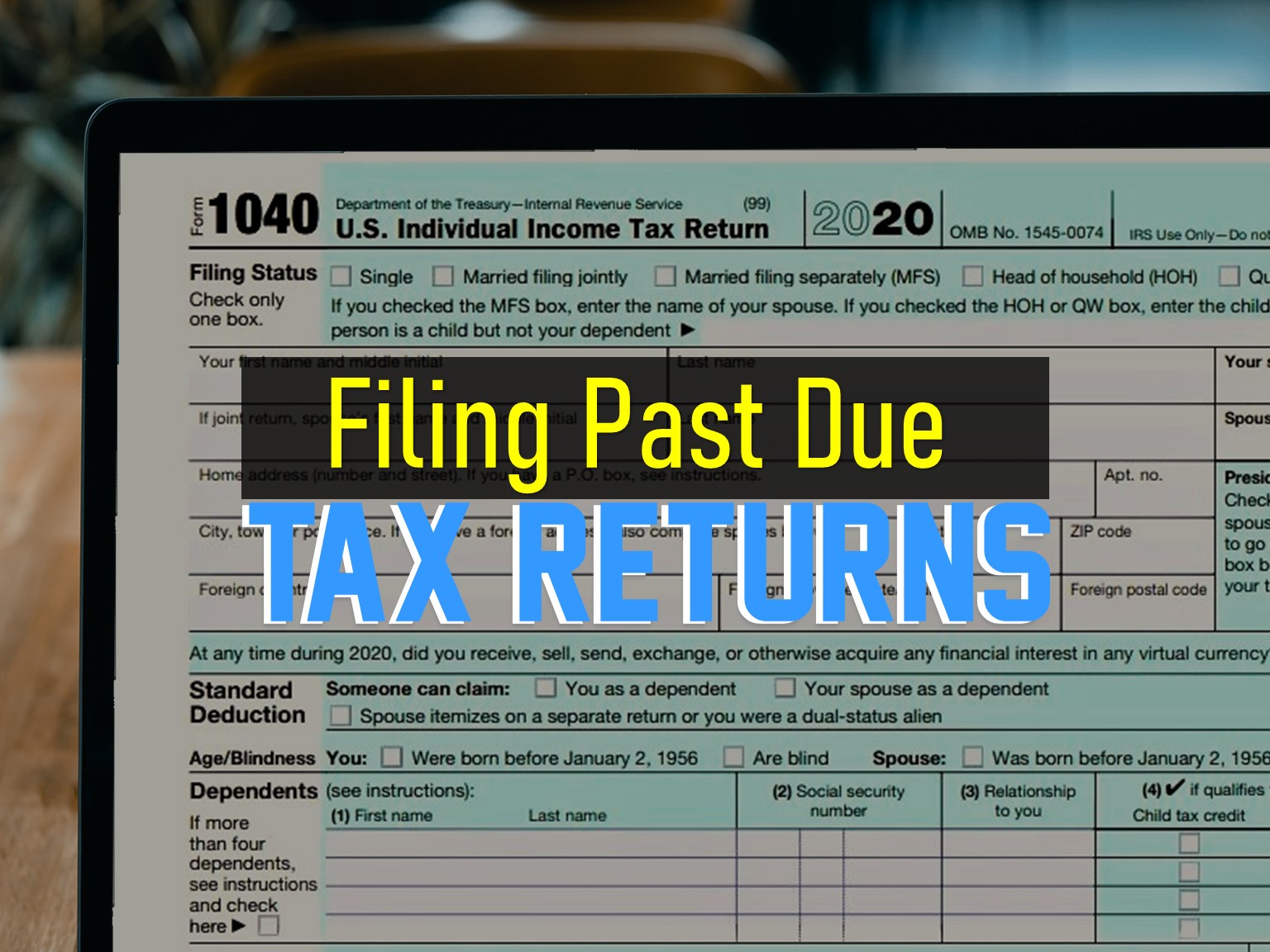
In this guide, we will explore the nuances of the filing process, the potential penalties for delay, and the strategic options available for those who find themselves unable to pay their full balance immediately. By treating this process as a structured financial project, you can mitigate damage and move toward a clean slate.
Understanding the Implications of Unfiled Tax Returns
Before diving into the “how,” it is vital to understand the “why.” Ignoring the IRS does not make the problem disappear; in fact, it compounds the financial burden through a variety of mechanisms. Understanding these implications is the first step in motivating oneself to take action.
Failure-to-File vs. Failure-to-Pay Penalties
One of the most common misconceptions in personal finance is that you should not file your taxes if you cannot afford to pay them. This is a costly mistake. The IRS distinguishes between the “Failure-to-File” penalty and the “Failure-to-Pay” penalty. The penalty for failing to file is significantly higher—typically 5% of the unpaid taxes for each month or part of a month that a tax return is late. In contrast, the failure-to-pay penalty is generally only 0.5% per month. By filing your back taxes even without an immediate payment, you effectively stop the more aggressive 5% penalty from accumulating.
The Statute of Limitations and Lost Refunds
Many taxpayers hesitate to file back taxes because they fear they will owe money, but for many, the opposite is true. If you are owed a refund, there is generally no penalty for filing late. However, there is a strict statute of limitations. In the United States, you typically have a three-year window from the original due date to claim a tax refund. If you wait longer than three years to file, that money becomes the property of the U.S. Treasury, and you lose the right to claim it.
Substitute for Returns (SFR) and Social Security Credits
If you do not file, the IRS may eventually file a “Substitute for Return” (SFR) on your behalf. This is rarely in your favor. When the IRS prepares an SFR, they use only the income reported to them (via W-2s or 1099s) and do not give you credit for deductions, exemptions, or expenses you might be entitled to. This results in a much higher tax bill than you actually owe. Furthermore, for self-employed individuals, failing to file means your earnings are not reported to the Social Security Administration, which can negatively impact your future retirement benefits.
A Step-by-Step Guide to Filing Your Back Taxes
Filing taxes for years that have long passed requires a methodical approach. You cannot simply use current-year forms for income earned five years ago; you must adhere to the specific tax laws and forms of the year in question.
Gathering Necessary Documentation
The foundation of any accurate tax return is documentation. You will need W-2s from former employers and 1099 forms for any contract work, interest, or dividends. If you are self-employed, you will need records of your business expenses. If these documents have been lost or destroyed over time, do not panic. You can request a “Wage and Income Transcript” from the IRS. This document summarizes the data reported to the government by your employers and financial institutions, providing a roadmap for your filing.
Choosing the Correct Forms and Software
Tax laws change annually. Standard deductions, tax brackets, and available credits in 2018 were vastly different from those in 2023. You must use the specific tax forms for the year you are filing. While many modern tax software platforms allow you to file for the current and perhaps the two previous years, older returns often require manual preparation or the use of professional-grade software utilized by CPAs. If you are filing manually, ensure you download the prior-year versions of Form 1040 and any necessary schedules from the IRS website.
Submitting the Returns
Once your returns are completed, they generally cannot be e-filed if they are more than a few years old. Most back taxes must be printed and mailed to the appropriate IRS processing center. It is highly recommended to send these via certified mail with a return receipt requested. This provides you with legal proof that you have fulfilled your filing obligations should any disputes arise regarding the date of submission.

Strategic Repayment Options and IRS Relief Programs
Filing the return is only half the battle if you discover you owe a balance that exceeds your current savings. The IRS offers several programs designed to help taxpayers who are acting in good faith to resolve their debts.
Installment Agreements (Payment Plans)
For most people, an installment agreement is the most practical solution. If you owe less than $50,000, you can often apply for a streamlined installment agreement online. This allows you to pay off your balance over a period of up to 72 months. While interest and a small failure-to-pay penalty will continue to accrue during the life of the plan, an installment agreement protects you from more aggressive collection actions like bank levies or wage garnishments.
Offer in Compromise (OIC)
The “Offer in Compromise” is a program that allows you to settle your tax debt for less than the full amount you owe. This is often marketed by “tax relief” companies as a simple fix, but in reality, the IRS has very strict eligibility requirements. They will only accept an OIC if they believe the amount offered is the most they can reasonably expect to collect within a specific timeframe. You must provide a detailed breakdown of your assets, income, and necessary living expenses. If your “reasonable collection potential” is less than the debt, you may be eligible.
Currently Not Collectible (CNC) Status
If you are experiencing extreme financial hardship—meaning that paying even a small amount toward your taxes would leave you unable to afford basic living expenses like rent or food—you may qualify for “Currently Not Collectible” status. While this does not wipe away the debt, it pauses all collection activities. The IRS will periodically review your financial situation to see if your income has increased, but while in CNC status, you are protected from levies.
Navigating Professional Assistance and Audits
While some individuals can handle one or two years of back taxes on their own, complex cases often require professional intervention. Knowing when to hire an expert can save you thousands of dollars in the long run.
When to Hire a CPA, Enrolled Agent, or Tax Attorney
If you are dealing with multiple years of unfiled returns, self-employment income, or the threat of a tax lien, professional help is invaluable.
- CPAs (Certified Public Accountants): Best for complex financial situations and ensuring all deductions are maximized.
- Enrolled Agents (EAs): Federally licensed tax practitioners who specialize in tax preparation and have unlimited representation rights before the IRS.
- Tax Attorneys: Necessary if you are facing criminal charges or need to litigate a case in tax court.
Professionals can also help you apply for “Penalty Abatement.” If you had a legitimate reason for not filing—such as a serious illness or a natural disaster—the IRS may waive the penalties associated with your back taxes through the “First-Time Abate” policy or “Reasonable Cause” criteria.
Dealing with IRS Notices
Once you file your back taxes, you may receive a series of notices. It is essential to read these carefully and respond promptly. These notices might confirm your balance, request additional information, or outline your right to an appeal. Ignoring these notices is the fastest way to trigger a levy on your bank account. A professional can act as your power of attorney, speaking to the IRS on your behalf and ensuring your rights are protected throughout the process.
Conclusion: The Path to Financial Freedom
Filing back taxes is an exercise in accountability that yields long-term dividends. By stepping forward voluntarily, you demonstrate a “good faith” effort to comply with the law, which often makes the IRS more willing to work with you on repayment terms.
The journey from tax delinquency to “current” status involves three pillars: gathering accurate historical data, utilizing the correct forms for each specific year, and leveraging IRS programs to manage the resulting debt. Once your back taxes are filed, the most important step is to remain compliant moving forward. By adjusting your withholdings or making quarterly estimated payments, you can ensure that you never find yourself in this position again. The relief of being “square with the government” is not just a financial benefit—it is a foundational component of a stable and secure financial life.
aViewFromTheCave is a participant in the Amazon Services LLC Associates Program, an affiliate advertising program designed to provide a means for sites to earn advertising fees by advertising and linking to Amazon.com. Amazon, the Amazon logo, AmazonSupply, and the AmazonSupply logo are trademarks of Amazon.com, Inc. or its affiliates. As an Amazon Associate we earn affiliate commissions from qualifying purchases.