
Navigating the financial landscape of car rentals is often more complex than a simple glance at a daily rate suggests. For the savvy consumer, understanding “how much to rent a car” requires a deep dive into personal finance, risk management, and market dynamics. Whether you are renting for a business trip, a vacation, or as a temporary replacement for a primary vehicle, the final invoice often looks starkly different from the initial quote. This guide analyzes the economic factors that dictate rental prices and provides a strategic framework for minimizing your total outlay.

Understanding the Base Cost: Market Dynamics and Vehicle Classification
The “sticker price” of a car rental is rarely a fixed number; it is a fluid figure governed by the principles of supply and demand, much like airline tickets or hotel rooms. To budget effectively, one must understand the underlying economic drivers that cause these fluctuations.
Market Volatility and Seasonal Pricing
The rental car industry utilizes sophisticated dynamic pricing algorithms. During peak travel seasons—such as summer holidays, December festivities, or major regional events—prices can surge by 200% or more. Conversely, renting during the “shoulder season” or mid-week can result in significant savings. From a financial planning perspective, the “when” of your rental is just as important as the “what.” Data suggests that booking approximately three to six weeks in advance often hits the “sweet spot” of availability and price optimization, preventing the “last-minute premium” charged to desperate travelers.
Vehicle Class and the Depreciation Factor
Rental agencies categorize vehicles into classes: Economy, Compact, Intermediate, Standard, Full-size, and Luxury/SUV. Financially, the gap between an Economy car and a Full-size sedan might only be $10 to $15 per day, but the secondary costs—specifically fuel consumption—can widen this gap. Furthermore, the rental agency’s pricing is tied to the vehicle’s depreciation and maintenance costs. High-end luxury vehicles carry higher daily rates not just for the prestige, but because the agency’s capital expenditure and insurance premiums for those assets are significantly higher.
Duration and the Law of Diminishing Marginal Cost
In car rentals, the “daily rate” usually decreases as the rental duration increases. A one-day rental is almost always the most expensive way to access a vehicle on a per-hour basis. Weekly rates often offer a “buy five days, get two free” structure. For those considering long-term rentals (30 days or more), many companies offer “mini-leases” which significantly lower the daily cost, making it a viable alternative to short-term leasing or vehicle ownership for temporary residents.
The “Hidden” Financial Layers: Navigating Fees, Taxes, and Surcharges
The most common mistake in budgeting for a car rental is failing to account for the secondary costs that are added at the final stage of the transaction. These “below-the-line” expenses can easily add 30% to 50% to your total bill.
Airport Concession Fees and Local Taxes
Renting from an airport terminal is the ultimate convenience, but it comes with a steep financial penalty. Airports charge rental companies “concession recovery fees” to operate on-site, which are passed directly to the consumer. Additionally, many municipalities levy specific “tourism taxes” or “stadium taxes” on car rentals to fund local infrastructure projects. By taking a short shuttle or rideshare to an off-airport rental location, a consumer can often bypass these specific surcharges, saving hundreds of dollars on a week-long rental.
Fuel Policies: The Cost of Convenience
Rental agencies typically offer three fuel options: prepaying for a full tank, having the agency refill it upon return, or returning it full yourself. From a personal finance standpoint, the third option is almost always the most economical. Prepaying for fuel might seem convenient, but you are charged for a full tank regardless of how much is left upon return, essentially gifting the agency any unused fuel. Allowing the agency to refill the car is the most expensive mistake, as “recovery fuel” rates are often 200% higher than local pump prices.
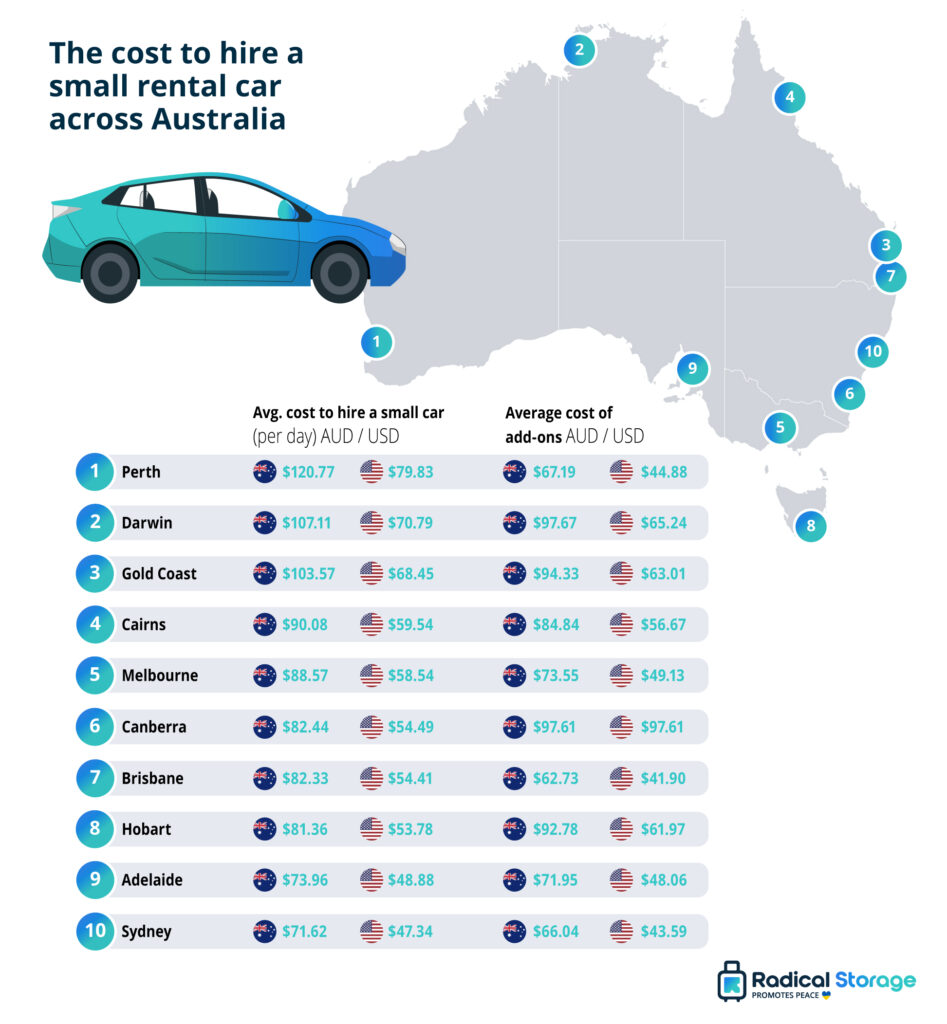
Age-Related Risk Premiums and Additional Drivers
The insurance industry views younger drivers (typically those under 25) as higher-risk assets. Consequently, rental companies charge a “Young Device Surcharge,” which can range from $20 to $50 per day. Similarly, adding an “additional driver” often incurs a daily fee. However, many corporate contracts, AAA memberships, or Costco Travel bookings waive these fees, highlighting the importance of leveraging memberships to reduce administrative costs.
Risk Management: Evaluating Insurance and Liability Outlays
Insurance is perhaps the most debated aspect of car rental costs. While it provides peace of mind, it is also a high-margin product for rental companies. Deciding whether to purchase the agency’s coverage is a critical financial decision that depends on your existing portfolio of protections.
Collision Damage Waivers (CDW) vs. Personal Insurance
The Loss Damage Waiver (LDW) or Collision Damage Waiver (CDW) offered at the counter can cost between $15 and $30 per day. Before accepting this, you must audit your primary auto insurance policy. If you have comprehensive and collision coverage on your personal vehicle, it often extends to rentals. However, there is a financial nuance: if you use your personal insurance for a rental claim, you are responsible for your deductible, and your future premiums may increase.
Leveraging Credit Card Benefits as Financial Tools
Many premium credit cards (such as those from American Express, Chase, or Capital One) offer “Secondary” or “Primary” rental car insurance as a built-in perk. Primary insurance is the gold standard; it pays the claim first, allowing you to bypass your personal insurance entirely. By understanding the “benefits guide” of your financial tools, you can confidently decline the expensive counter insurance, effectively saving $200 on a ten-day trip.
The “Loss of Use” and Administrative Fees
One often-overlooked financial risk is “Loss of Use.” If a rental car is damaged, the agency may charge you for the revenue they lose while the car is in the shop. Most personal auto insurance policies do not cover this. Some high-end credit cards do. Knowing this gap in coverage is essential for determining if the daily insurance fee at the counter represents a fair price for the risk mitigated.
Strategic Optimization: Reducing Your Total Outlay
To truly master the cost of renting a car, one must look beyond the major corporate brands and traditional booking methods. Modern financial strategies involve comparing different business models and leveraging loyalty ecosystems.
The Peer-to-Peer Economy: Turo and Getaround
The rise of the “sharing economy” has introduced peer-to-peer (P2P) platforms like Turo. Financially, P2P rentals can be 20-40% cheaper than traditional agencies, especially for specialty or luxury vehicles. Moreover, P2P platforms often have more transparent pricing models with fewer hidden “airport fees.” However, travelers should be aware that their personal insurance or credit card insurance might not cover P2P rentals as they do traditional “commercial” rentals. This requires a careful cost-benefit analysis of the insurance premiums required by the platform.
Loyalty Programs and The Power of Aggregation
Frequent renters should never book without a loyalty profile. Programs like National’s Emerald Club or Hertz Gold Plus Rewards do not just offer “points”; they offer “time-value” (bypassing the counter) and frequent free upgrades. Financially, being upgraded from a Compact to a Full-size for free is an immediate return on investment. Furthermore, using “Aggregator” sites (like Kayak or AutoSlash) allows you to track price drops after you have booked. Since most car rentals are “pay at the counter” and offer free cancellation, re-booking when a lower price is detected is a zero-risk strategy for capital preservation.
The Corporate and Association Discount Strategy
Many individuals have access to “Corporate Codes” through their employers or professional associations (like the Bar Association or various Unions). These codes often provide fixed rates that are immune to seasonal surges and frequently include insurance or waived fees for additional drivers. Checking for these affiliations is a mandatory step in a professional financial audit of your travel expenses.

Final Summary: The Real Cost of Mobility
In conclusion, the question of “how much to rent a car” is answered by a combination of the daily rate, mandatory taxes, fuel strategy, and risk mitigation choices. A $30/day “deal” can easily escalate to $90/day if you are hit with airport fees, age surcharges, and counter-bought insurance. By utilizing off-airport locations, leveraging credit card primary insurance, and monitoring price fluctuations through aggregators, a savvy consumer can reduce their total expenditure by as much as 50%. In the realm of personal finance, car rentals are a variable expense that rewards those who perform their due diligence and penalizes those who prioritize convenience over strategy.
aViewFromTheCave is a participant in the Amazon Services LLC Associates Program, an affiliate advertising program designed to provide a means for sites to earn advertising fees by advertising and linking to Amazon.com. Amazon, the Amazon logo, AmazonSupply, and the AmazonSupply logo are trademarks of Amazon.com, Inc. or its affiliates. As an Amazon Associate we earn affiliate commissions from qualifying purchases.