
Navigating the complexities of the tax code is a daunting task in any given year, but filing a return for a prior year—specifically 2022—presents its own unique set of financial hurdles and opportunities. Whether you missed the original April 2023 deadline due to personal circumstances or you are just now realizing you were eligible for a significant refund, the process of filing your 2022 tax return requires a strategic approach to documentation, software utilization, and an understanding of the specific credits available during that fiscal period.

From a personal finance perspective, filing late is not merely about compliance; it is about reclaiming capital that rightfully belongs in your portfolio. The Internal Revenue Service (IRS) typically provides a three-year window for taxpayers to claim refunds. For the 2022 tax year, this clock is ticking. Understanding the nuances of this specific year is essential for maximizing your return and minimizing potential liabilities.
The Financial Rationale for Filing a Prior-Year Return
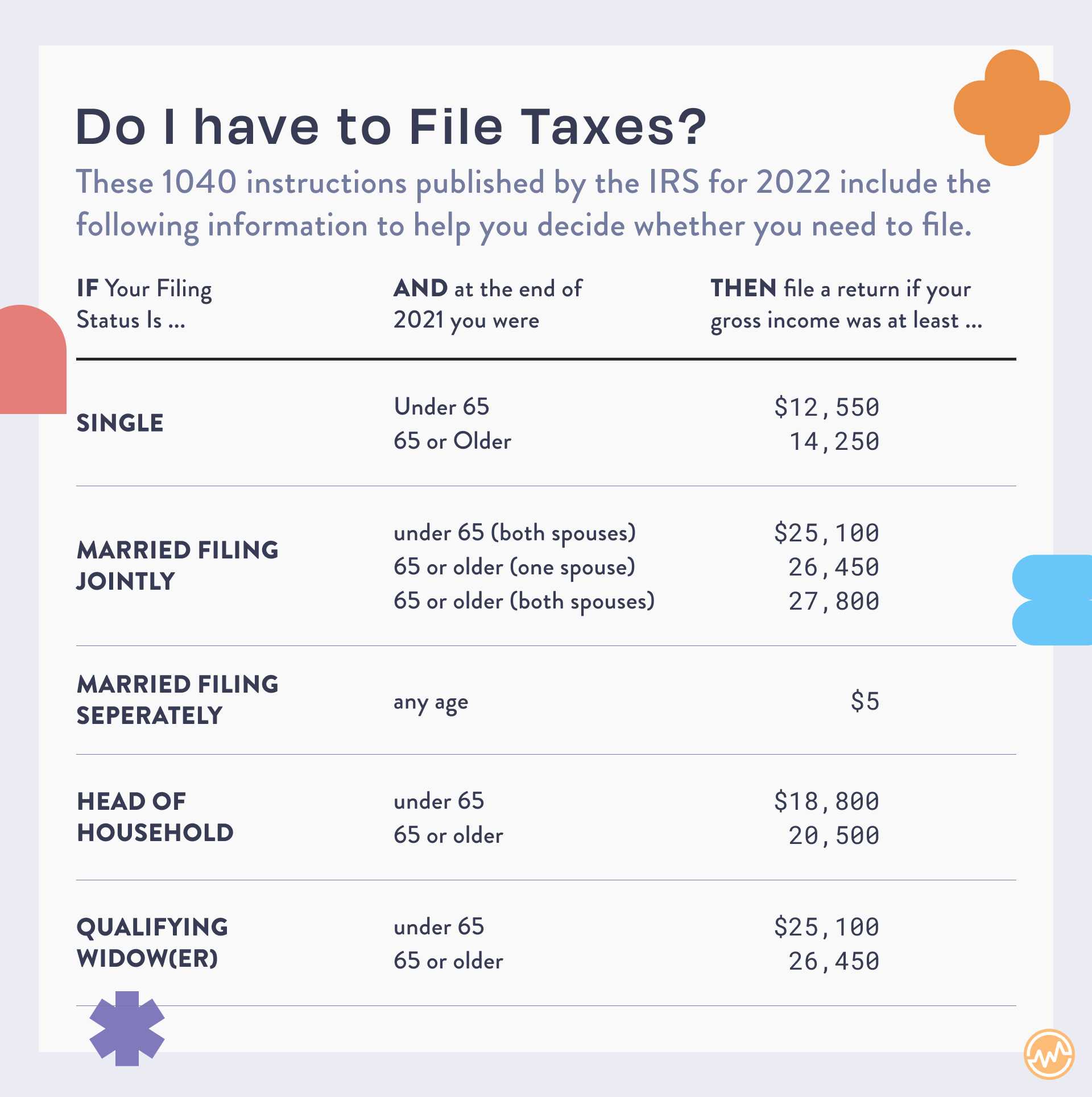
For many individuals, the motivation to file a late return is driven by the prospect of a refund. According to IRS data, millions of dollars in refunds go unclaimed every year because taxpayers fail to file. If you are owed money, there is no penalty for filing late. However, if you owe taxes, the financial implications of delaying your filing can be severe, involving compounding interest and failure-to-file penalties.
The Three-Year Refund Rule
The primary financial incentive for filing your 2022 return is the three-year statute of limitations. Generally, to claim a refund, you must file your return within three years of the original due date. For the 2022 tax year, this means you generally have until April 2026 to submit your paperwork and claim your money. Beyond this window, any unclaimed refund becomes the property of the U.S. Treasury. In the context of wealth management, leaving this money on the table is an avoidable loss that could otherwise be used for debt reduction, emergency savings, or long-term investments.
Mitigating Penalties and Interest
If you owe the IRS for 2022, filing as soon as possible is a critical move for your financial health. The failure-to-file penalty is significantly higher than the failure-to-pay penalty. The former is generally 5% of the unpaid taxes for each month or part of a month that a tax return is late, up to a maximum of 25%. By filing now, even if you cannot pay the full balance immediately, you stop the clock on the failure-to-file penalty. From a cash-flow management perspective, it is always better to establish a payment plan with the IRS than to remain in non-compliance, as interest rates on back taxes are often lower than those of high-interest credit cards.
Essential Documentation and Data Gathering for 2022
To file an accurate 2022 return, you must reconstruct your financial life as it existed during that calendar year. This requires meticulous record-keeping and, in some cases, reaching out to former employers or financial institutions for duplicate records.
Income Statements (W-2s and 1099s)
The foundation of your return is your income documentation. For 2022, you will need every W-2 from employers you worked for during that year. If you were part of the gig economy or worked as a freelancer, you will need your 1099-NEC or 1099-MISC forms.
A specific point of interest for the 2022 tax year involves the 1099-K. While the IRS delayed the implementation of the $600 reporting threshold for third-party payment processors (like Venmo and PayPal), many users still received these forms. It is vital to reconcile these forms with your actual business income to ensure you are not overpaying on non-taxable transactions, such as personal reimbursements from friends.
Adjustments to Income and Deductions
2022 saw specific shifts in standard deduction amounts. For the 2022 tax year, the standard deduction was:
-
Single or Married Filing Separately: $12,950
-
Married Filing Jointly: $25,900
-
Head of Household: $19,400
If your itemized deductions—such as mortgage interest, state and local taxes (SALT) up to $10,000, and charitable contributions—exceeded these amounts, you would benefit from itemizing. For many investors, documenting capital gains and losses from 2022 is also crucial. If you sold stocks or cryptocurrency at a loss during the 2022 market volatility, you can use those losses to offset gains, or even deduct up to $3,000 of excess loss against your ordinary income.
Strategic Selection of Filing Methods
Filing a prior-year return is more restrictive than filing for the current year. While the IRS emphasizes electronic filing, the options available for 2022 are more limited than they were during the peak of the 2023 tax season.
Utilizing Professional Tax Software
Most commercial tax software providers allow users to prepare returns for prior years. However, you generally cannot e-file a 2022 return as an individual through these platforms once the current tax year’s e-file window has fully transitioned. In most cases, you will need to use the software to prepare the return, print it out, and mail it to the IRS.
If you prefer e-filing for its faster processing times and digital confirmation, you must visit a certified tax professional. Authorized IRS e-file providers have access to systems that allow them to e-file returns for the current year and the two prior years. For the 2022 return, a professional can still e-file your documents, which is the most efficient way to ensure your return is processed without the delays associated with manual mail sorting.
The IRS Free File and Volunteer Programs
For those within certain income brackets, the IRS Free File program may still offer resources for prior-year preparation, though availability varies. Additionally, the Volunteer Income Tax Assistance (VITA) and Tax Counseling for the Elderly (TCE) programs offer free tax help to people who generally make $60,000 or less, persons with disabilities, and limited English-speaking taxpayers. These programs are invaluable for ensuring that low-to-moderate-income filers do not miss out on vital credits like the Earned Income Tax Credit (EITC).
Identifying Key Credits and Deductions Unique to 2022
The 2022 tax year was a transitional period as many pandemic-era tax provisions expired or returned to their pre-2021 levels. Understanding these changes is essential for an accurate filing.
The Child Tax Credit and Dependent Care Credit
Unlike the 2021 tax year, where the Child Tax Credit was fully refundable and significantly expanded, the 2022 credit returned to a maximum of $2,000 per qualifying child. It is also important to note that for 2022, the credit was only partially refundable. Similarly, the Child and Dependent Care Credit reverted to a maximum of $3,000 for one qualifying individual or $6,000 for two or more, with the credit being non-refundable for most taxpayers.
The Earned Income Tax Credit (EITC)
The EITC remains one of the most effective tools for boosting the financial standing of low-to-moderate-income workers. For the 2022 tax year, the maximum EITC for those without children was $560, while those with three or more children could receive up to $6,935. This credit is fully refundable, meaning it can provide a substantial cash infusion even if you owe zero taxes. Ensuring you meet the specific income thresholds and filing requirements for 2022 is a high-priority task for maximizing your total return.
Student Loan Interest and Education Credits
For those pursuing higher education or paying off debt, 2022 offered the American Opportunity Tax Credit (AOTC) and the Lifetime Learning Credit (LLC). If you were paying interest on student loans during 2022 (despite the federal payment pause, some private or older federal loans still accrued interest), you might be eligible to deduct up to $2,500 of that interest from your gross income, which can lower your overall tax liability.
Resolving Outstanding Issues and Managing Future Compliance
Filing your 2022 return is the first step in stabilizing your relationship with the IRS. However, the process does not end with the mailing of the form.
Tracking Your Refund or Balance Due
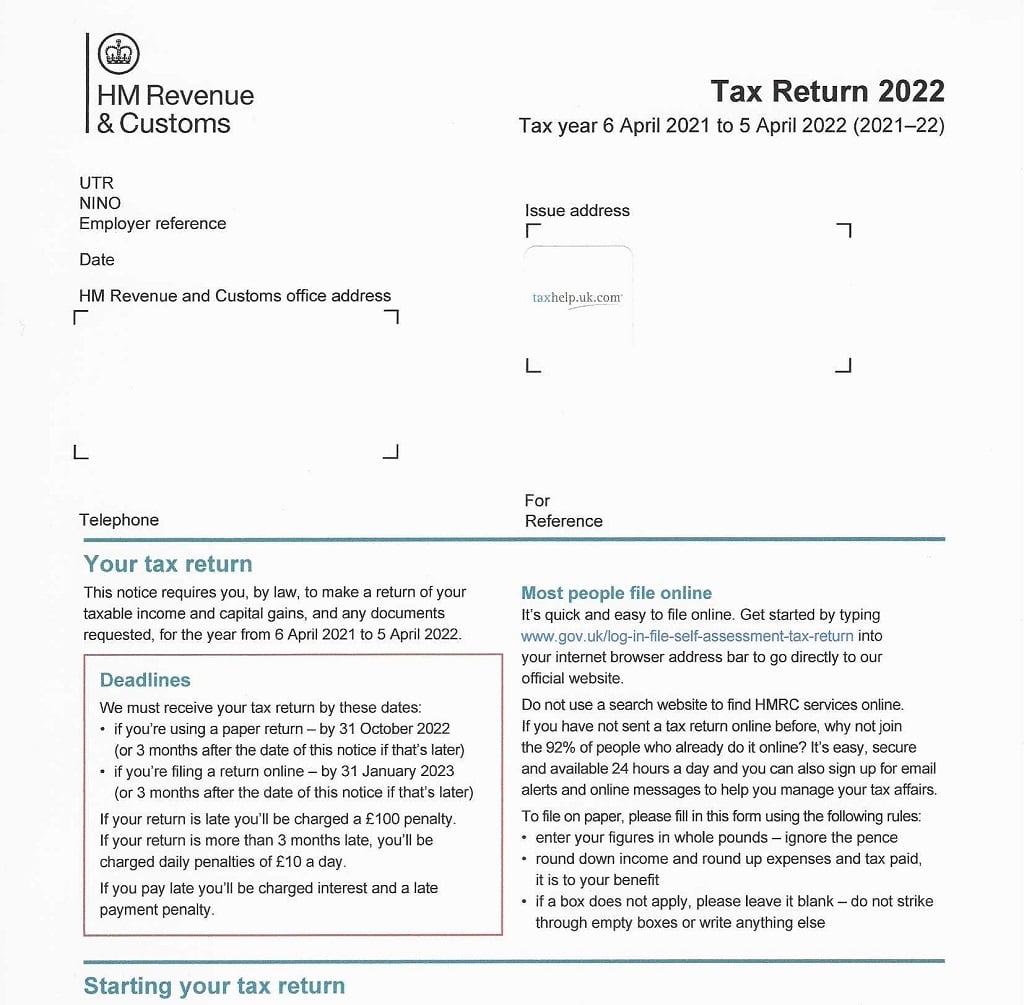
If you mailed a paper return for 2022, the processing time can take six to eight weeks, and sometimes longer during peak periods. You can use the “Where’s My Refund?” tool on the IRS website, but be aware that data for prior-year returns may not appear as quickly as current-year data. If you owe money, it is advisable to pay as much as possible at the time of filing to limit the accumulation of interest, which the IRS adjusts quarterly.
Setting Up a Payment Plan
If the 2022 return results in a tax bill that exceeds your current liquidity, the IRS offers several payment options. Short-term extensions and long-term installment agreements can be applied for online. From a personal finance perspective, an installment agreement is a structured way to manage debt without the stress of aggressive collection actions, such as wage garnishments or tax liens.
Looking Ahead: Improving Financial Documentation
The hurdles faced when filing a 2022 return late serve as a potent reminder of the importance of real-time financial tracking. Moving forward, utilizing financial tools—such as digital expense trackers, dedicated business bank accounts for freelancers, and cloud-based document storage—can ensure that future tax seasons are seamless. By maintaining a proactive stance on your finances, you ensure that you are never in a position where you are “leaving money on the table” due to lost records or missed deadlines.
Ultimately, filing your 2022 tax return is an exercise in financial responsibility and asset recovery. By meticulously gathering your 2022 data, understanding the specific legislative nuances of that year, and choosing the most efficient filing method, you can effectively close this chapter of your financial history and focus on future growth.
aViewFromTheCave is a participant in the Amazon Services LLC Associates Program, an affiliate advertising program designed to provide a means for sites to earn advertising fees by advertising and linking to Amazon.com. Amazon, the Amazon logo, AmazonSupply, and the AmazonSupply logo are trademarks of Amazon.com, Inc. or its affiliates. As an Amazon Associate we earn affiliate commissions from qualifying purchases.