
Understanding your individual caloric needs is a cornerstone of effective health, fitness, and weight management. In an era dominated by digital innovation, the once complex and often inaccurate process of estimating energy requirements has been revolutionized by an array of sophisticated technological tools. From intelligent wearable devices that track every movement to AI-driven applications that personalize dietary recommendations, technology offers unprecedented precision and insight into optimizing our nutritional intake. This article delves into how modern tech empowers individuals to accurately calculate and manage their caloric needs, transforming abstract dietary guidelines into actionable, data-driven strategies.
The Fundamental Science Behind Calorie Needs (Tech Integration)
Before diving into the digital tools, it’s crucial to grasp the basic physiological principles that govern our energy expenditure. Every individual’s caloric requirement is a dynamic figure influenced by a multitude of factors, and technology excels at capturing and processing these variables.
Understanding Basal Metabolic Rate (BMR) and Total Daily Energy Expenditure (TDEE) with Digital Tools
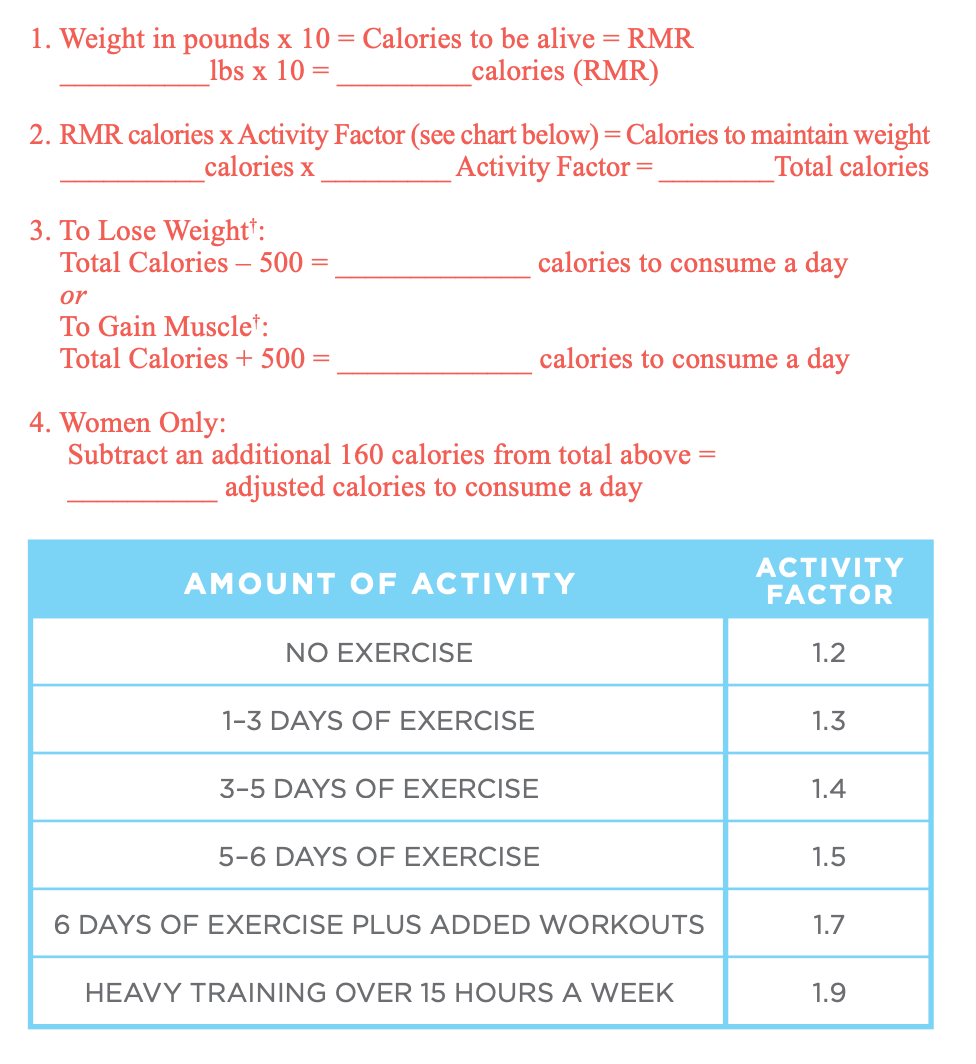
At the heart of calorie calculation lies the Basal Metabolic Rate (BMR), which represents the energy your body expends simply to perform fundamental life-sustaining functions at rest, such as breathing, circulation, and cell production. It’s the minimum caloric intake required just to exist. Traditionally, BMR was estimated through complex equations or clinical tests. Today, numerous online calculators, smartphone apps, and even some smart scales integrate these established formulas, like the Mifflin-St Jeor or Harris-Benedict equations, to provide instant BMR estimates. Users input basic demographic data—age, gender, height, and weight—and the tool immediately generates a personalized BMR. This automation removes the manual calculation burden, making it accessible to anyone with an internet connection.
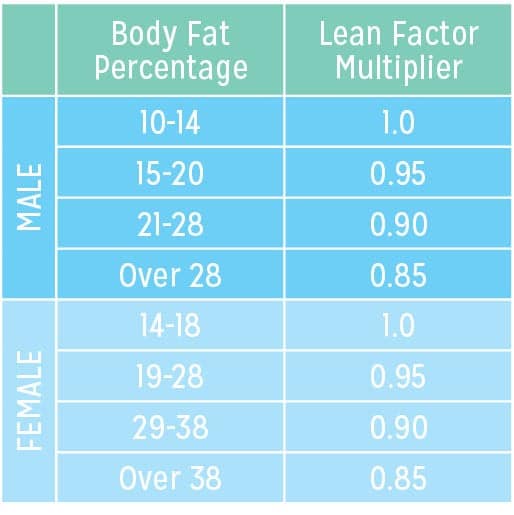
Beyond BMR, the Total Daily Energy Expenditure (TDEE) provides a more comprehensive picture. TDEE accounts for your BMR plus the calories burned through all daily activities, including physical exercise, work-related movements, and even the energy expended digesting food (thermic effect of food). Digital platforms often prompt users to select an activity level (e.g., sedentary, lightly active, moderately active, very active, extremely active), which then applies a multiplier to their BMR to estimate TDEE. This intelligent categorization, streamlined by intuitive user interfaces, translates scientific principles into practical, understandable figures. The power of these tools lies in their ability to demystify complex metabolic science, presenting users with a clear starting point for their caloric journey.
The Role of Activity Level in Calorie Calculation and Wearable Tech
The accuracy of TDEE hinges significantly on an honest and precise assessment of one’s activity level. This is where wearable technology has become indispensable. While traditional methods rely on self-reported activity, which can be prone to over- or underestimation, modern fitness trackers and smartwatches offer objective, continuous monitoring. These devices, worn on the wrist or body, utilize accelerometers, gyroscopes, and heart rate sensors to quantify movement throughout the day. They track steps taken, distance covered, duration of activities, and even differentiate between various exercise intensities.
When integrated with nutrition tracking apps, the data from these wearables can automatically adjust your estimated TDEE. For instance, if you have a particularly active day with an intense workout, your wearable will record the increased energy expenditure, and a connected app might recalculate your calorie target for that day or week. This real-time, data-driven feedback loop provides a far more dynamic and accurate estimation of daily calorie burn than static self-assessment. It empowers users to understand the direct caloric impact of their lifestyle choices, moving beyond generic recommendations to a truly personalized approach.
Navigating the Digital Landscape: Apps and Software for Calorie Management
The market is saturated with digital tools designed to simplify and enhance calorie management. Choosing the right application can significantly impact the effectiveness and sustainability of your nutritional strategy.
Essential Calorie Tracking Applications and Their Features
Calorie tracking apps have evolved into sophisticated nutrition management platforms, each offering a unique blend of features. Leading applications like MyFitnessPal, Lose It!, Cronometer, and MacroFactor provide extensive food databases, often containing millions of items with detailed nutritional information. This allows users to log their meals with remarkable precision, either by searching the database, scanning barcodes, or even snapping photos of their food (with AI-powered recognition).
Key features to look for include:
-
Comprehensive Food Databases: The larger and more accurate the database, the easier it is to log meals precisely.
-
Barcode Scanning: A time-saver for packaged foods.
-
Recipe Builders: Allows users to input ingredients for homemade meals and calculate nutritional values per serving.
-
Macronutrient Tracking: Beyond total calories, these apps typically break down intake into proteins, carbohydrates, and fats, crucial for specific dietary goals.
-
Meal Planning Tools: Some apps offer meal templates or suggestions based on caloric and macronutrient targets.
-
Integration with Wearables: Seamless data flow from fitness trackers and smartwatches to adjust calorie goals based on activity.
-
Progress Tracking: Charts and graphs to visualize weight changes, body fat percentages, and dietary adherence over time.
These apps serve as digital nutrition journals, providing a granular view of dietary habits and making it easier to identify areas for adjustment. The sheer convenience they offer in recording and analyzing food intake has made calorie tracking more accessible than ever before.
AI-Powered Nutrition Platforms and Personalized Recommendations
The next frontier in digital nutrition is AI. Artificial intelligence is moving beyond simple tracking to provide highly personalized and adaptive dietary guidance. These AI-powered platforms leverage machine learning algorithms to analyze vast amounts of data, including your dietary intake, activity levels, body metrics (weight, body fat), sleep patterns, and even self-reported energy levels.
How AI enhances calorie management:
-
Dynamic Calorie Targets: Unlike static calculators, AI can dynamically adjust your calorie and macronutrient targets in real-time based on your progress and energy expenditure. If your weight loss plateaus, the AI might suggest a slight reduction in calories or an increase in activity, learning from your body’s unique response.
-
Personalized Meal Suggestions: Based on your preferences, dietary restrictions, and caloric goals, AI can generate meal plans or suggest recipes that fit your specific needs, often adapting them over time as it learns your tastes.
-
Behavioral Nudging: Some AI tools incorporate behavioral science to provide gentle nudges, reminders, and motivational feedback, helping users stay consistent with their goals.
-
Pattern Recognition: AI can identify subtle patterns in your eating habits or activity that might be hindering progress, offering insights that human analysis might miss.
These intelligent systems are designed to evolve with you, offering a level of customization and responsiveness that static tools simply cannot match. They aim to not just tell you how many calories you need, but to guide you actively in achieving your goals by constantly learning and adapting.
The Precision of Wearable Technology in Real-Time Energy Expenditure
Wearable technology has moved beyond novelty to become a critical component in understanding real-time energy expenditure, offering a continuous stream of data that refines calorie calculations.
Smartwatches and Fitness Trackers: Beyond Step Counting
Modern smartwatches and fitness trackers are far more sophisticated than their predecessors that merely counted steps. They incorporate advanced sensors to estimate calorie burn with impressive, albeit not perfect, accuracy.
-
Heart Rate Monitoring: Many devices use optical heart rate sensors to track your pulse throughout the day and during exercise. Since heart rate correlates with energy expenditure, this data is used to estimate calories burned during activities and even at rest.
-
Motion Sensors (Accelerometers & Gyroscopes): These sensors detect movement patterns, distinguishing between walking, running, cycling, and other activities. Combined with personal biometrics (age, weight, height), algorithms convert these movements into estimated calorie expenditure.
-
GPS Tracking: For outdoor activities, GPS data allows for precise distance and pace tracking, further refining calorie burn estimates.
While no consumer device can match the precision of laboratory-grade equipment (like metabolic carts), the continuous, day-long data provided by wearables offers invaluable insights into your activity levels and how they translate into energy expenditure. This data, when integrated with nutrition apps, creates a powerful feedback loop, allowing users to see the immediate caloric impact of their physical efforts.
Advanced Biometric Data: From Sleep Quality to Stress Impact on Metabolism
The latest generation of wearables is pushing the boundaries of biometric tracking, collecting data that extends far beyond physical activity. This holistic data has the potential to provide an even more nuanced understanding of individual metabolic needs.
-
Sleep Tracking: Devices monitor sleep stages (light, deep, REM) and sleep duration. Poor sleep can impact hormones like ghrelin and leptin, which regulate appetite and metabolism. While direct caloric impact is still being researched, understanding sleep patterns can inform overall health and energy regulation.
-
Stress Monitoring (Heart Rate Variability – HRV): Some wearables track Heart Rate Variability, an indicator of autonomic nervous system activity and stress levels. Chronic stress can influence cortisol levels, potentially affecting metabolism and fat storage.
-
Skin Temperature & Blood Oxygen: These metrics, while not directly tied to calorie burn, offer insights into overall physiological state, recovery, and potential illness, all of which can indirectly influence metabolic rate.
-
Future Innovations (e.g., Continuous Glucose Monitors – CGMs): While primarily used by diabetics, CGMs are emerging for general wellness, offering real-time insights into how different foods affect blood sugar levels. This direct metabolic feedback could revolutionize personalized nutrition, allowing individuals to fine-tune food choices for optimal energy and metabolic health, providing an unprecedented layer of data for calorie and macronutrient optimization.
By synthesizing these diverse data points, advanced platforms can paint a more comprehensive picture of your metabolic health, offering personalized advice that considers not just what you eat and how much you move, but also how you sleep and manage stress.
Data Interpretation and Optimization: Turning Insights into Action
Collecting data is only the first step; the true power of technology lies in its ability to transform raw data into actionable insights, enabling continuous optimization of your calorie targets.
Analyzing Your Digital Nutrition Log for Dietary Patterns
Once you’ve consistently logged your food intake, the digital nutrition log becomes a treasure trove of information. Most apps provide intuitive dashboards and reports that summarize your daily, weekly, or monthly calorie and macronutrient intake.
-
Identify Trends: Look for patterns in your eating habits. Are you consistently under- or overeating on certain days? Do you tend to consume more calories from specific macronutrients?
-
Spot Nutritional Deficiencies/Excesses: The detailed breakdown of micronutrients (vitamins and minerals) offered by some apps can highlight areas where your diet might be lacking or where you might be getting too much of something.
-
Correlate Intake with Outcomes: Cross-reference your caloric intake with your weight changes, energy levels, and performance metrics (from wearables). For example, if you’re consistently eating at a deficit but not losing weight, your estimated TDEE might need adjustment, or your logging accuracy might need improvement.
-
Behavioral Insights: The log can reveal emotional eating triggers or habitual snacking patterns, offering opportunities for behavioral change.
These insights empower you to move beyond simply knowing “how many calories” to understanding “how” and “why” your current eating patterns impact your goals.
Iterative Adjustment: Using Technology to Adapt Your Calorie Targets
Calorie needs are not static; they change as your body weight changes, as your activity levels fluctuate, and as your metabolism adapts. Technology facilitates an iterative, data-driven approach to calorie management.
-
Periodic Reassessment: As you lose or gain weight, your BMR changes. Reputable apps and tools will prompt you to update your weight, automatically recalculating your BMR and TDEE to ensure your targets remain relevant.
-
Performance-Based Adjustments: If your goal is weight loss and you consistently meet your calorie targets but aren’t seeing progress, the technology allows you to easily make small, incremental adjustments (e.g., a 100-200 calorie reduction). Conversely, if you’re aiming for muscle gain and aren’t seeing results, you might slightly increase your intake.
-
A/B Testing Dietary Changes: Technology enables you to experiment with different dietary approaches (e.g., higher protein, lower carb) while meticulously tracking the caloric impact and correlating it with your body’s response. This scientific approach helps you discover what works best for your unique physiology.
-
Automated Goal Updates: Many advanced platforms can automatically suggest caloric adjustments based on your progress towards a specific goal, taking the guesswork out of modification.
This dynamic adjustment capability ensures that your caloric strategy remains optimized for your evolving body and goals, transforming calorie counting from a rigid regimen into a flexible, responsive, and ultimately more effective process.
Ensuring Accuracy and Data Privacy in Your Digital Calorie Journey
While technology offers incredible advantages, its effectiveness hinges on accurate input and a conscious approach to data privacy.
Best Practices for Data Entry and Device Calibration
The principle of “garbage in, garbage out” holds true for digital nutrition. The accuracy of your calorie calculations and tracking insights directly depends on the quality of the data you provide.
-
Accurate Food Logging:
-
Portion Sizes: Use a food scale to weigh portions whenever possible, especially for calorie-dense foods. Eyeballing can lead to significant errors.
-
Database Selection: Choose verified entries in app databases. User-submitted entries can sometimes be inaccurate.
-
Be Specific: Log all ingredients in recipes. Don’t just guess.
-
Consistency: Log everything, even small snacks or drinks, as they add up.
-
-
Wearable Calibration:
-
Personal Data: Ensure your wearable is updated with your correct age, height, weight, and gender, as these are crucial for its algorithms.
-
Proper Fit: Wear your device snugly to ensure accurate heart rate readings.
-
Regular Syncing: Sync your wearable regularly with its companion app to ensure all data is transferred and processed.
-
-
Honest Activity Reporting: If you’re using a manual activity multiplier, be honest about your true activity level. Overestimating can lead to setting calorie targets that are too high for your actual expenditure.
Taking these steps ensures that the data driving your personalized calorie insights is as precise and reliable as possible, leading to more effective outcomes.
Understanding Data Security and Privacy in Nutrition Apps
Nutrition and health apps collect highly personal and sensitive information. It’s paramount to be aware of how your data is being handled.
-
Review Privacy Policies: Before committing to an app, read its privacy policy to understand what data is collected, how it’s used, and whether it’s shared with third parties. Look for apps that prioritize user privacy and offer robust data protection.
-
Data Encryption: Ensure that the app uses encryption to protect your data both in transit (when it’s sent to servers) and at rest (when it’s stored).
-
Permissions: Be mindful of the permissions you grant to an app. Does it truly need access to your location, contacts, or other unrelated data?
-
Reputation of the Developer: Stick to reputable apps from well-established developers known for their commitment to security and privacy.
-
Strong Passwords and Two-Factor Authentication: Implement strong, unique passwords for your accounts and enable two-factor authentication whenever available to add an extra layer of security.
Your health data is valuable. By exercising due diligence, you can harness the power of technology for your nutritional goals while safeguarding your personal information.
In conclusion, figuring out your caloric needs is no longer a guessing game thanks to the extensive suite of technological tools available today. From BMR calculators and activity trackers to AI-driven nutrition platforms, technology provides an unprecedented level of precision, personalization, and actionable insight. By thoughtfully integrating these tools into your health journey, maintaining diligent data input, and being mindful of data privacy, you can unlock a truly optimized and sustainable approach to managing your energy intake and achieving your wellness aspirations.
aViewFromTheCave is a participant in the Amazon Services LLC Associates Program, an affiliate advertising program designed to provide a means for sites to earn advertising fees by advertising and linking to Amazon.com. Amazon, the Amazon logo, AmazonSupply, and the AmazonSupply logo are trademarks of Amazon.com, Inc. or its affiliates. As an Amazon Associate we earn affiliate commissions from qualifying purchases.