
Navigating the complex world of disability benefits can feel like deciphering an intricate financial puzzle at a time when you may already be facing significant personal challenges. For individuals unable to work due to illness, injury, or a debilitating condition, understanding the available financial lifelines is not just a matter of administrative compliance; it’s fundamental to maintaining financial stability, accessing necessary medical care, and ensuring a reasonable quality of life. This comprehensive guide aims to demystify disability benefits, offering a clear, step-by-step approach to understanding, applying for, and managing this crucial form of financial support.

Disability benefits are designed to provide income replacement and, often, healthcare access for those who can no longer perform substantial gainful activity. Whether through government programs or private insurance, these benefits serve as a critical safety net, allowing individuals and their families to cover essential living expenses when earned income is no longer an option. The journey to securing these benefits can be lengthy and demanding, but with the right knowledge and preparation, it is a navigable path.
Understanding the Landscape of Disability Benefits
Before embarking on the application process, it’s essential to grasp the various types of disability benefits available. The landscape is diverse, encompassing both public and private options, each with distinct criteria and purposes. A clear understanding of these distinctions will help you identify which programs are most relevant to your situation and optimize your approach.
Differentiating Between Short-Term and Long-Term Disability
One of the primary distinctions in disability benefits lies between short-term and long-term coverage. Short-term disability (STD) is typically offered through employers or private insurers and provides income replacement for a limited period, usually 3 to 6 months, for temporary incapacities. These benefits are designed to bridge the gap during recovery from an acute illness, injury, or maternity leave, allowing employees to return to work once their health permits. The benefit amount often ranges from 50% to 70% of your regular salary.
Long-term disability (LTD), conversely, is for more severe conditions that are expected to prevent you from working for an extended period, often years, or even permanently. Like STD, LTD can be an employer-sponsored benefit or purchased privately. The waiting period for LTD benefits typically begins after STD benefits expire, and the coverage usually provides a lower percentage of your income (e.g., 60%) but for a much longer duration, often up to retirement age if the disability persists. Understanding your employer’s offerings in both STD and LTD is a crucial first step in assessing your potential income replacement options.
Public vs. Private Disability Programs
The source of your disability benefits can significantly impact eligibility, benefit amounts, and application processes. Private disability programs are typically employment-based (either fully paid by the employer or through employee contributions) or individual policies purchased directly from an insurance company. These are contractual agreements, and the terms, conditions, and definitions of disability are outlined in your policy document.
Public disability programs, on the other hand, are government-funded. In the United States, the two primary federal programs are Social Security Disability Insurance (SSDI) and Supplemental Security Income (SSI). These programs are distinct from workers’ compensation (for job-related injuries) and veterans’ disability benefits (for service-related disabilities). SSDI is an insurance program for those who have worked and paid Social Security taxes, while SSI is a needs-based program for individuals with limited income and resources, regardless of work history. Many individuals may be eligible for both if they meet the criteria for each.
Key Federal Programs: SSDI and SSI
Social Security Disability Insurance (SSDI) is funded by payroll taxes and provides benefits to disabled individuals who have earned a sufficient number of work credits. To qualify for SSDI, you must have worked long enough and recently enough under Social Security. The amount of your monthly benefit is based on your lifetime average earnings covered by Social Security. SSDI also provides Medicare coverage after a waiting period.
Supplemental Security Income (SSI) is a federal program designed to provide financial assistance to aged, blind, and disabled individuals who have little or no income and resources. Unlike SSDI, eligibility for SSI is not based on work history but strictly on financial need. SSI benefits are a fixed amount (though they can vary by state if state supplements are provided) and come with Medicaid health coverage from day one. It’s crucial to understand that while both programs use the same medical definition of disability, their non-medical eligibility criteria are vastly different, making it possible for some individuals to qualify for one, both, or neither.
Eligibility Criteria: Who Qualifies and How
The pathway to securing disability benefits is paved with specific eligibility requirements, which vary significantly between programs. Navigating these criteria accurately is paramount to a successful application. This section breaks down the core requirements, focusing on the medical, work history, and financial need aspects.
Medical Requirements: Proving Your Disability
The cornerstone of any disability claim, whether public or private, is medical evidence. To be considered disabled under the Social Security Administration’s (SSA) rules, you must have a medical condition that prevents you from engaging in “substantial gainful activity” (SGA) and is expected to last for at least one year or result in death. The SSA uses a five-step sequential evaluation process to determine disability, which includes assessing if your condition is severe, meets a listing in the “Blue Book” (a list of impairments), or prevents you from doing past work or any other work available in the national economy.
Gathering comprehensive medical records is critical. This includes doctor’s notes, diagnoses, treatment plans, lab results, imaging scans (X-rays, MRIs), surgical reports, and records from specialists. The more detailed and consistent your medical history, the stronger your claim. It’s not enough to simply state you are disabled; you must provide objective medical evidence to support your claim. Private insurers may have their own definitions of disability, often distinguishing between “own occupation” (unable to do your specific job) and “any occupation” (unable to do any job for which you are reasonably suited), which can shift after a certain period of receiving benefits.
Work History Requirements: The SSDI Angle
For SSDI, your eligibility is directly tied to your work history. You must have worked long enough and recently enough, paying Social Security taxes on your earnings. This accumulates “work credits.” In 2024, you earn one work credit for each $1,730 of earnings, up to a maximum of four credits per year. The number of credits needed for disability benefits depends on your age when your disability began. For most adults, you need 40 credits, 20 of which must have been earned in the 10 years immediately before your disability began. Younger workers may qualify with fewer credits.
The SSA uses your “date last insured” (DLI) to determine if you meet the recency requirement. If your disability began after your DLI, you may not be eligible for SSDI, even if you accumulated enough credits earlier in your life. This work history requirement is what makes SSDI an insurance program; you (and your employers) have paid into it over your working life.
Financial Need Requirements: The SSI Angle
In stark contrast to SSDI, eligibility for SSI is based on financial need, not work history. To qualify for SSI, you must meet strict income and resource limits. Income includes earnings, pensions, Social Security benefits, and even “in-kind” support like free rent or food. Resources include cash, bank accounts, stocks, bonds, and other assets that can be converted to cash. The resource limit for an individual is very low ($2,000 in 2024), and for a couple, it’s ($3,000). Certain assets, such as your primary residence, one vehicle, and household goods, are typically excluded from these limits.
The SSA conducts a thorough review of your financial situation to determine if you meet these limits. This means providing detailed information about all sources of income, bank statements, and asset declarations. Because of these strict financial requirements, many individuals who might be medically disabled do not qualify for SSI if their income or resources exceed the limits. This is a critical distinction that often confuses applicants.
The Application Process: A Step-by-Step Walkthrough
Once you understand the eligibility criteria, the next step is to embark on the application process. This can be intricate and time-consuming, requiring meticulous documentation and patient follow-up. Approaching it systematically can significantly improve your chances of a successful outcome.
Gathering Essential Documentation
Preparation is key. Before you even begin filling out forms, compile all necessary documents. This includes:
-
Medical Records: As detailed as possible, covering all diagnoses, treatments, medications, and prognoses. Include contact information for all healthcare providers.
-
Work History Information: A comprehensive list of employers, job descriptions, dates of employment, and earnings for the past 15 years.
-
Personal Information: Birth certificate, Social Security card, marriage certificates (if applicable), and banking information for direct deposit.
-
Financial Records (for SSI): Bank statements, property deeds, details of other income sources, and asset information.
-
Prior Applications: Details of any previous applications for disability benefits or workers’ compensation.
Organize these documents thoroughly. A complete and accurate application package minimizes delays and reduces the likelihood of requests for additional information.

Submitting Your Application: Online, Phone, or In-Person
The Social Security Administration offers several ways to submit your application:
-
Online: For SSDI, you can apply entirely online at the SSA website. This is often the most convenient method. For SSI, you can start the application online, but you will need to complete an interview with the SSA either by phone or in person.
-
Phone: You can call the SSA’s toll-free number to begin the application process or schedule an appointment.
-
In-Person: Visiting your local Social Security office can be beneficial, especially if you have questions or need assistance filling out forms. It’s advisable to schedule an appointment beforehand.
Regardless of the method, ensure you keep copies of everything you submit. Once the application is submitted, you will receive confirmation and potentially a contact person for your case.
Understanding the Review and Decision Process
After submission, your application enters a multi-stage review process.
-
Initial Review: The SSA checks for non-medical eligibility (work history for SSDI, income/resources for SSI).
-
Disability Determination Services (DDS): If non-medical criteria are met, your case is sent to a state agency called Disability Determination Services. Here, a claims examiner and a medical consultant review your medical records, possibly contact your doctors, and may even send you for a consultative examination (CE) with an independent doctor. The DDS makes the initial medical determination of disability.
-
Decision: You will receive a written notice of the decision. This can take anywhere from three to six months, or even longer, from the date of application. If approved, the notice will detail your benefit amount, the start date of benefits, and information about Medicare/Medicaid.
It’s common for initial applications to be denied. Do not be discouraged by a denial; many successful claims are approved during the appeals process.
Navigating Challenges and Appeals
Receiving a denial for disability benefits can be incredibly disheartening, but it is not the end of the road. A significant percentage of claims are initially denied, making the appeals process a critical component of figuring out disability benefits. Understanding why denials occur and how to appeal effectively is crucial.
Common Reasons for Denial
Denials can stem from various factors, both medical and non-medical:
-
Insufficient Medical Evidence: This is the most common reason. The SSA may determine that your medical records do not adequately prove the severity of your condition or its expected duration. This includes lack of objective test results, inconsistent medical reports, or a history of non-compliance with treatment.
-
Failure to Meet Non-Medical Criteria: For SSDI, this could be due to not having enough work credits. For SSI, it might be exceeding the income or resource limits.
-
Ability to Perform Substantial Gainful Activity (SGA): The SSA might conclude that despite your condition, you can still perform work that earns above the SGA threshold (e.g., $1,550 per month for non-blind individuals in 2024).
-
Non-Compliance: Not attending scheduled medical exams, not providing requested documentation, or failing to respond to SSA communications can lead to denial.
-
Alcohol or Drug Addiction: While these are complex issues, if drug or alcohol addiction is determined to be a material factor contributing to your disability, benefits may be denied.
Understanding the specific reason for your denial (which will be detailed in your denial letter) is essential for formulating an effective appeal.
The Appeals Process: Reconsideration, Hearings, and Beyond
If your application is denied, you have 60 days from the date you receive the denial letter to file an appeal. The appeals process typically involves several stages:
-
Reconsideration: This is the first level of appeal. Your case is reviewed by a different DDS examiner and medical consultant who were not involved in the initial decision. You can submit new medical evidence at this stage.
-
Hearing by an Administrative Law Judge (ALJ): If reconsideration is denied, you can request a hearing before an ALJ. This is an in-person hearing (though increasingly virtual) where you can present your case, provide testimony, bring witnesses (like vocational experts or medical professionals), and submit additional evidence. This stage often has the highest success rate.
-
Appeals Council Review: If the ALJ denies your claim, you can appeal to the Appeals Council, which reviews the ALJ’s decision for legal or procedural errors. They can affirm the decision, reverse it, or send it back to an ALJ for further review.
-
Federal Court Review: As a last resort, if the Appeals Council denies your request for review or upholds the previous denial, you can file a lawsuit in federal district court.
Each stage of the appeals process offers an opportunity to strengthen your case with new evidence and expert testimony.
The Role of Legal Representation
While not mandatory, hiring an attorney specializing in Social Security Disability can significantly increase your chances of approval, particularly at the ALJ hearing stage. A disability lawyer can:
-
Gather and Organize Medical Evidence: They know what specific types of evidence the SSA requires.
-
Prepare Your Testimony: They can help you effectively articulate how your condition impacts your ability to work.
-
Cross-Examine Witnesses: During an ALJ hearing, they can question vocational and medical experts brought by the SSA.
-
Identify Legal Arguments: They understand the nuances of disability law and can highlight key precedents or regulations.
-
Manage Deadlines and Paperwork: They ensure all appeals are filed on time and all necessary forms are completed accurately.
Disability lawyers typically work on a contingency basis, meaning they only get paid if you win your case, and their fees are capped by law and must be approved by the SSA.
Managing Your Benefits and Financial Planning
Securing disability benefits is a significant milestone, but it’s just one piece of a broader financial puzzle. Successfully integrating these benefits into your overall financial strategy requires ongoing attention and proactive planning.
What to Expect After Approval
Upon approval, you will receive a notice detailing your monthly benefit amount, the “date of entitlement” (when your benefits officially begin), and any “back pay” (lump sum for benefits owed from previous months). For SSDI, Medicare coverage usually begins 24 months after your date of entitlement. For SSI, Medicaid typically starts immediately. It’s crucial to understand these details to plan your healthcare and financial budget.
You will also be informed of your responsibilities as a beneficiary, which include reporting any changes in your medical condition, work activity, or (for SSI recipients) income, resources, or living arrangements. Failure to report changes can lead to overpayments that you will be required to repay.
Understanding Work Incentives and Returning to Employment
The Social Security Administration has various “work incentives” designed to encourage beneficiaries to return to work if their condition improves. These programs allow you to test your ability to work without immediately losing your benefits and healthcare coverage. Key programs include:
-
Trial Work Period (TWP): For SSDI beneficiaries, you can work for up to 9 months (not necessarily consecutive) where you earn above a certain monthly amount (e.g., $1,110 in 2024) without your benefits being affected.
-
Extended Period of Eligibility (EPE): After the TWP, you have 36 months where you can receive benefits for any month your earnings are below the SGA level.
-
Impairment Related Work Expenses (IRWE): Certain expenses for items and services that you need to work because of your disability can be deducted from your earnings when SSA calculates if you are performing SGA.
-
Plan to Achieve Self-Support (PASS): For SSI recipients, this allows you to set aside income and resources for a work goal, without those assets affecting your SSI eligibility.
These incentives provide a safety net, allowing for a gradual transition back into the workforce without the fear of immediate financial loss.
Integrating Benefits into Your Overall Financial Strategy
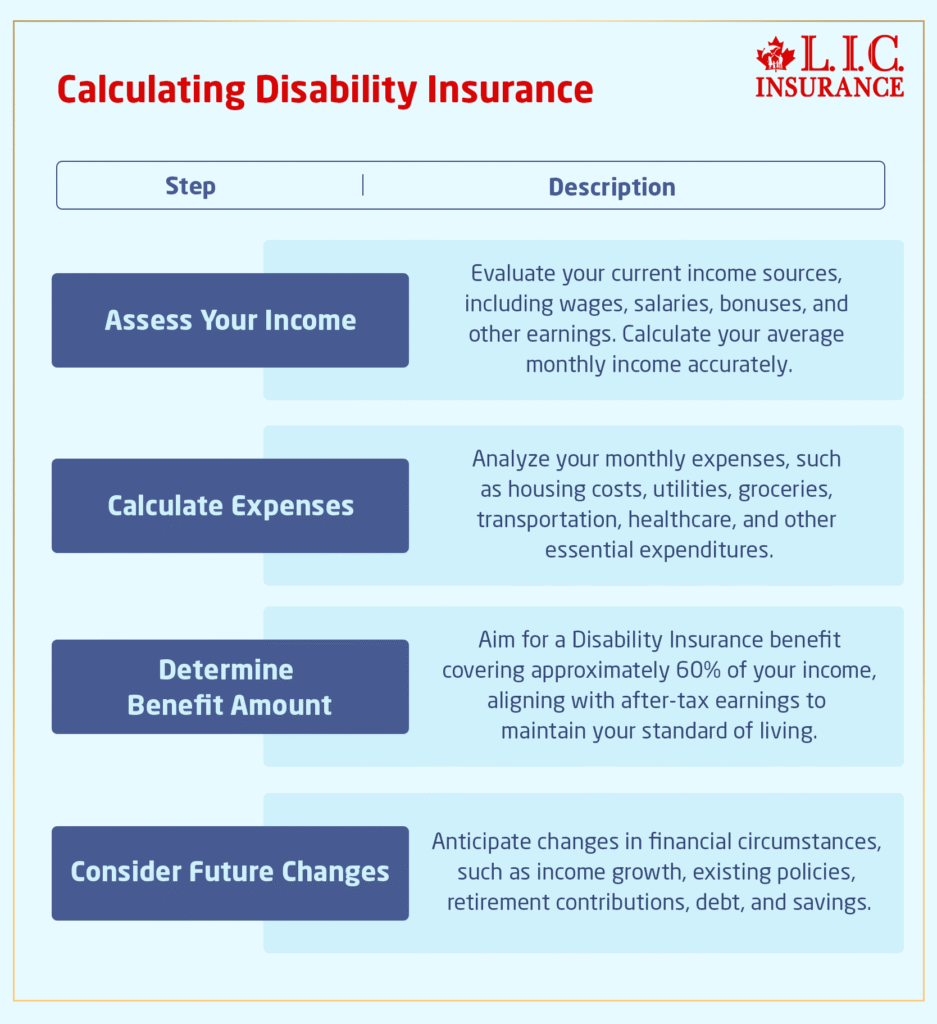
Disability benefits, while vital, may not fully replace your pre-disability income. It’s essential to integrate these benefits into a comprehensive financial plan.
-
Budgeting: Create a detailed budget based on your new income level, prioritizing essential expenses.
-
Healthcare Costs: Understand your Medicare or Medicaid coverage, including deductibles, co-pays, and uncovered services, and budget accordingly.
-
Debt Management: Explore options for managing existing debts, as some programs offer relief for individuals on disability.
-
Savings and Investments: Even with limited income, consider strategies for modest savings, perhaps through ABLE accounts for eligible individuals with disabilities, which allow for tax-advantaged savings without impacting SSI/Medicaid eligibility.
-
Estate Planning: Update wills, powers of attorney, and healthcare directives to reflect your current situation.
-
Seeking Professional Advice: A financial planner specializing in disability benefits or special needs planning can provide invaluable guidance on maximizing your benefits, managing your finances, and planning for the future.
Figuring out disability benefits is a journey that spans from initial application to long-term financial management. Proactive planning, diligent documentation, and a willingness to navigate the appeals process are all crucial for success.
In conclusion, understanding how to figure out disability benefits is a critical component of personal financial planning for anyone facing a debilitating health condition. The complexity of the various programs – from federal SSDI and SSI to private short-term and long-term insurance – necessitates a well-informed and strategic approach. By meticulously preparing documentation, understanding the eligibility criteria, diligently following the application process, and effectively appealing denials, individuals can secure the financial support they need. Furthermore, proactively managing these benefits and integrating them into a broader financial strategy ensures long-term stability and peace of mind. While challenging, navigating the disability benefits system is an achievable goal that can provide a vital financial lifeline during difficult times.
aViewFromTheCave is a participant in the Amazon Services LLC Associates Program, an affiliate advertising program designed to provide a means for sites to earn advertising fees by advertising and linking to Amazon.com. Amazon, the Amazon logo, AmazonSupply, and the AmazonSupply logo are trademarks of Amazon.com, Inc. or its affiliates. As an Amazon Associate we earn affiliate commissions from qualifying purchases.