
In the complex ecosystem of modern personal finance, the routing number stands as a fundamental pillar of domestic transactions. Whether you are setting up a direct deposit for a new job, scheduling an automated bill payment, or initiating a wire transfer to purchase a home, the American Bankers Association (ABA) routing number is the “financial address” that ensures your money reaches the correct destination. Despite its importance, many consumers find themselves searching through paperwork or digital interfaces, wondering: “How do I know my routing number?” Understanding where to find this information and what it signifies is essential for maintaining financial accuracy and security.

Understanding the Role of Routing Numbers in Personal Finance
A routing number, often referred to as a Routing Transit Number (RTN), is a nine-digit code used to identify a specific financial institution within the United States. Established by the American Bankers Association in 1910, this system was designed to facilitate the sorting, bundling, and shipment of paper checks. While the world has transitioned largely to digital transactions, the routing number remains the backbone of the Automated Clearing House (ACH) network and the Fedwire system.
What Exactly is an ABA Routing Number?
The nine-digit sequence is not random. Each segment of the routing number provides specific information to the Federal Reserve. The first four digits represent the Federal Reserve Bank district through which the institution’s transactions are processed. The next two digits identify the specific federal processing center. The seventh and eighth digits identify the specific bank or thrift institution, and the final ninth digit is a “check digit” used for verification. This mathematical structure allows computers to instantly validate that a routing number is legitimate before a transaction is even processed.
Routing Number vs. Account Number: Clearing the Confusion
It is common for individuals to confuse their routing number with their account number, but they serve two very different purposes. If you think of a financial transaction like delivering mail, the routing number is the zip code that identifies the post office (the bank), while the account number is the specific street address (your personal vault within that bank). You might share the same routing number with millions of other customers at a large national bank, but your account number is unique to you. For any transaction to be successful, both numbers must be provided accurately.
Where to Locate Your Routing Number Quickly
In the age of digital banking, there are several ways to retrieve your routing number within seconds. Depending on whether you prefer physical records or digital tools, you have multiple reliable sources.
The Physical Check Method
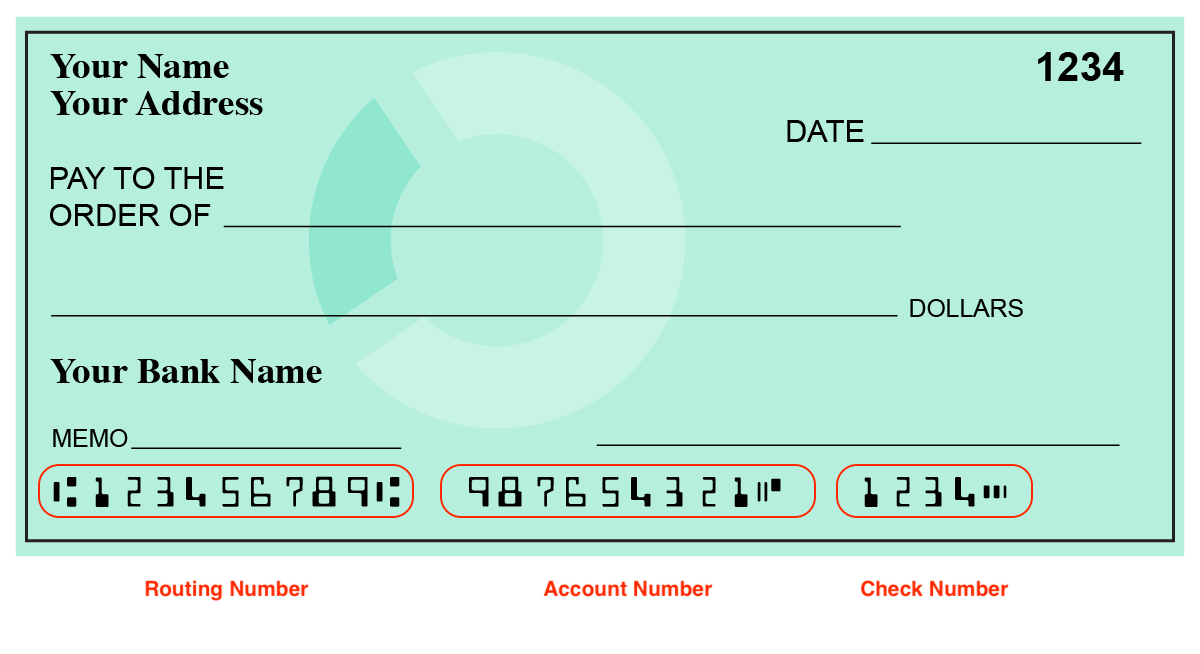
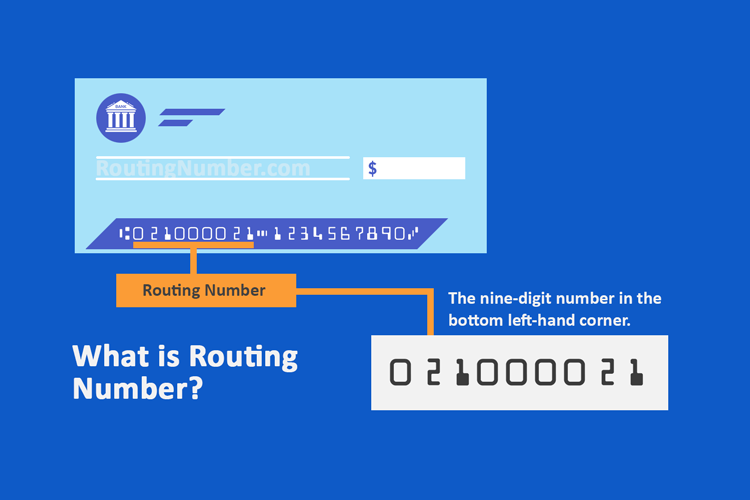
If you have a physical checkbook, finding your routing number is straightforward. Look at the bottom left-hand corner of any check. You will see three distinct sets of numbers printed in a specialized font known as MICR (Magnetic Ink Character Recognition).
-
The first sequence of nine digits is your routing number. It is typically bracketed by a specific symbol.
-
The second sequence is your account number.
-
The third, shorter sequence is the check number.
It is important to note that you should use a check, not a deposit slip, to find this number. Some banks use different routing numbers for deposit slips than they do for checks or electronic transfers.
Digital Banking: Apps and Online Portals
For those who have moved away from paper checks, your bank’s mobile app or online banking portal is the most efficient resource. Once you log in, navigate to the “Account Details” or “Summary” section of the specific account you are inquiring about. Banks usually list the routing number alongside your current balance and account number.
Large national banks often have a “Contact Us” or “Help” section where you can search for “routing number.” Because large institutions may have different routing numbers based on the state where you opened your account or the type of transaction you are performing, these digital tools are often more accurate than a general search engine.
Bank Statements and Direct Correspondence
Your monthly bank statement—whether delivered via mail or downloaded as a PDF—almost always contains your routing number. Look at the header of the document, usually near your name and address. If you are still unable to find it, a quick visit to the bank’s official website or a call to their customer service line will provide the answer. Most banks also list their routing numbers on a dedicated public page for easy access, as this information is not considered confidential in the same way an account number is.
Different Routing Numbers for Different Financial Transactions
One of the most frequent mistakes in personal finance is assuming that a bank has only one routing number. In reality, a single institution may utilize multiple numbers depending on the nature of the transaction and the geographic location of the account.
Domestic vs. International Transfers (SWIFT/BIC)
While the ABA routing number is the standard for domestic transfers within the U.S., it is not used for international transactions. If you are receiving money from abroad, the sender will likely ask for your SWIFT (Society for Worldwide Interbank Financial Telecommunication) code or BIC (Bank Identifier Code). This is an 8 to 11-character alphanumeric code that identifies your bank on a global scale. Using a domestic routing number for an international wire will result in a failed transaction and potential fees.
Wire Transfers vs. ACH Transfers
Banks often differentiate between ACH transfers (used for direct deposits and bill pays) and domestic wire transfers (used for high-priority, same-day movements of large sums). When you look up a routing number on a bank’s website, you may see two different columns: one labeled “Paper/ACH” and another labeled “Wire.”
-
ACH Routing Numbers: These are the most common. They are used for payroll, tax refunds, and routine payments.
-
Wire Routing Numbers: These are specific to the Fedwire system. Using an ACH routing number for a wire transfer can lead to the funds being held in a suspense account or returned to the sender, causing significant delays in time-sensitive transactions like real estate closings.
Ensuring Security and Accuracy in Your Financial Operations
Accuracy in financial documentation is paramount. A single transposed digit can lead to a cascade of administrative hurdles that may take weeks to resolve.
The Risks of Using an Incorrect Routing Number
If you provide an incorrect routing number for an outgoing payment, the transaction will likely be rejected by the receiving system. However, if the incorrect number happens to belong to a different valid financial institution, your funds could be sent to the wrong bank. While modern verification systems usually catch these errors because the account number won’t match any record at the destination bank, the process of reclaiming those funds is tedious and often involves “letters of indemnity” and significant wait times.
For incoming funds, such as a salary via direct deposit, an incorrect routing number means you won’t get paid on time. In the world of personal finance, cash flow is king; a three-day delay in a paycheck because of a routing error can lead to missed rent payments or overdraft fees.
Protecting Your Financial Information in a Digital Age
While routing numbers are technically public information (since they identify the institution, not the individual), they are a piece of the puzzle that fraudsters use for “ACH fraud.” By combining your routing number with your account number, a bad actor could potentially initiate unauthorized electronic withdrawals.
To protect yourself:
-
Never share your routing and account numbers over unsecured email or text messages.
-
Regularly monitor your bank statements for unauthorized ACH activity.
-
Use multi-factor authentication (MFA) on all financial accounts to ensure that even if someone has your bank details, they cannot access your portal to move money.
The Strategic Importance of Routing Numbers in Wealth Management
Understanding routing numbers is not just an administrative necessity; it is a component of a sophisticated financial strategy. As you grow your net worth and diversify your holdings across multiple institutions—such as high-yield savings accounts, brokerage accounts, and traditional checking—the ability to move money seamlessly between these entities becomes vital.
Knowing which routing numbers to use for “push” versus “pull” transfers can help you maximize interest earnings. For instance, when moving a large sum of money into a high-yield savings account, using the correct wire routing number can ensure your money starts earning interest today rather than three days from now. Furthermore, as banks merge and acquire one another, routing numbers often change. Staying informed about these corporate shifts ensures that your automated financial systems—the engines of your passive wealth building—continue to run without interruption.
In conclusion, the routing number is a small but mighty tool in your financial toolkit. By knowing where to find it, understanding the differences between ACH and wire codes, and verifying the digits before every major transaction, you safeguard your capital and ensure the smooth operation of your personal economy. In the digital age, being “finance-literate” means mastering these technical details to maintain control over your journey toward financial independence.
aViewFromTheCave is a participant in the Amazon Services LLC Associates Program, an affiliate advertising program designed to provide a means for sites to earn advertising fees by advertising and linking to Amazon.com. Amazon, the Amazon logo, AmazonSupply, and the AmazonSupply logo are trademarks of Amazon.com, Inc. or its affiliates. As an Amazon Associate we earn affiliate commissions from qualifying purchases.