
In an increasingly data-driven world, understanding and managing personal health has been revolutionized by technology. Gone are the days of rough estimations and one-size-fits-all dietary advice. Today, figuring out your precise calorie needs – the fundamental bedrock of any successful nutrition strategy – is an endeavor significantly enhanced, and often simplified, by an array of digital tools, AI-powered platforms, and smart devices. This isn’t just about weight management; it’s about optimizing energy levels, enhancing athletic performance, preventing chronic diseases, and cultivating a sustainable, healthy lifestyle tailored exactly to your unique physiology and goals.
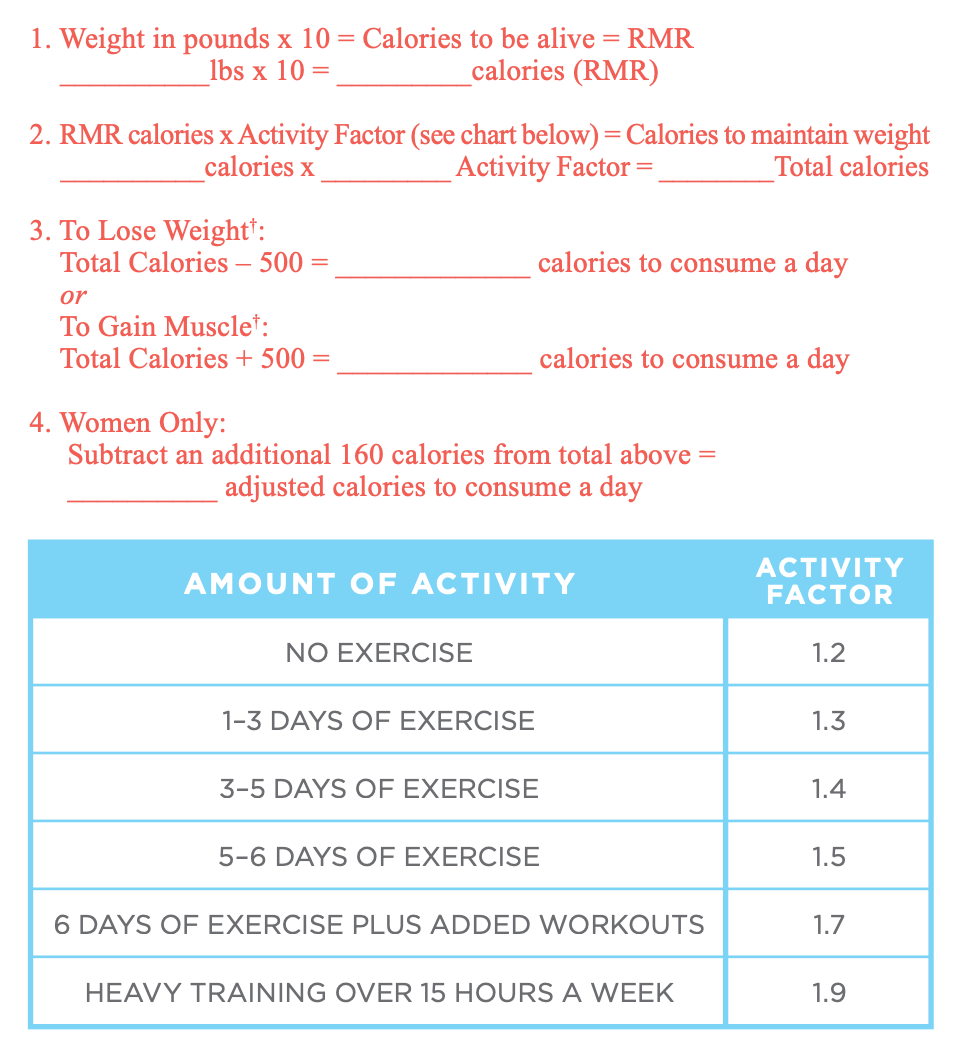
The sheer volume of information surrounding diet and nutrition can be overwhelming. What’s often overlooked, however, is that while specific diets may come and go, the core principle of energy balance remains constant: consume more calories than you expend, and you gain weight; consume fewer, and you lose weight; match them, and you maintain. The challenge lies in accurately determining both sides of this equation for an individual. This article will explore how modern technology empowers us to demystify calorie requirements, moving beyond educated guesses to provide actionable, data-backed insights for a healthier, more vibrant life.
The Digital Revolution in Calorie Tracking: From Spreadsheets to Smart Apps
The journey to precise calorie management has evolved dramatically. What once required tedious manual calculations and meticulous food journaling on paper, or even rudimentary spreadsheets, has transformed into a seamless, interactive experience driven by advanced digital platforms. These technological advancements have made the complex task of understanding energy balance accessible to virtually anyone with a smartphone.
The Evolution of Digital Tools for Calorie Calculation
Early digital methods for calorie calculation involved online calculators that required manual input of basic demographic data (age, sex, height, weight) and estimated activity levels. While a significant improvement over paper-based methods, these tools often provided generalized figures, lacking the granularity needed for highly personalized nutrition.
The real leap came with the proliferation of mobile applications. These apps integrate vast food databases, barcode scanners, and user-friendly interfaces to log meals quickly and accurately. Instead of just calculating your needs, they allow for real-time tracking of intake against those needs, providing instant feedback and helping users identify patterns in their eating habits. Popular examples include MyFitnessPal, Cronometer, and LoseIt!, which have collectively processed billions of food entries, creating an unprecedented dataset on human dietary patterns.
Beyond Basic Logging: Integrating Nutrition Databases and AI
Modern calorie-tracking apps go far beyond simple data entry. They incorporate sophisticated algorithms that learn from user behavior and preferences. For instance, some apps can predict common food combinations, suggest portion sizes based on past entries, or even analyze macro-nutrient breakdowns (protein, carbohydrates, fats) alongside total calories. This level of detail is crucial for individuals pursuing specific fitness goals, such as body recomposition or athletic performance, where not just calorie count but also nutrient timing and distribution matter.
Furthermore, these applications are increasingly leveraging artificial intelligence (AI) to enhance accuracy and personalization. AI can analyze dietary habits over time, identify common pitfalls, and offer proactive suggestions for healthier choices. It can detect if a user consistently falls short on protein, for example, and recommend specific foods or adjustments. This transition from passive data collection to active, intelligent guidance represents a significant leap in how technology assists with calorie management.
Understanding Your Basal Metabolic Rate (BMR) and Total Daily Energy Expenditure (TDEE) with AI
At the heart of figuring out calorie needs are two critical metrics: Basal Metabolic Rate (BMR) and Total Daily Energy Expenditure (TDEE). Technology, particularly AI, has made it easier than ever to calculate these figures with a higher degree of accuracy, moving beyond the traditional, often generalized, formulas.
The Science Behind BMR and TDEE
Basal Metabolic Rate (BMR) is the minimum number of calories your body needs to perform basic, life-sustaining functions while at rest. This includes breathing, circulation, cell production, and nutrient processing. It accounts for the largest portion of your daily calorie expenditure. Factors influencing BMR include age, sex, height, weight, and genetics.
Total Daily Energy Expenditure (TDEE) is the total number of calories your body burns in a 24-hour period, encompassing your BMR plus the calories expended through physical activity (Exercise Activity Thermogenesis – EAT), non-exercise activity thermogenesis (NEAT – e.g., fidgeting, walking around), and the thermic effect of food (TEF – calories burned digesting food).
AI-Driven Calculators and Predictive Models
While traditional formulas like the Mifflin-St Jeor or Harris-Benedict equations provide good starting points for BMR, AI-driven tools offer a more dynamic and personalized approach. These tools can ingest a broader range of data points than static calculators. By integrating information from wearables (heart rate, step count, sleep quality), self-reported activity levels, and even biometric data (if available from smart scales), AI algorithms can build a more comprehensive model of an individual’s metabolism.
AI can learn your unique metabolic fingerprint over time. For example, if a wearable consistently reports a higher heart rate variability during rest, an AI might subtly adjust your BMR estimate upwards, recognizing a potentially more active underlying physiology. Similarly, by correlating your reported food intake with changes in body weight (tracked via smart scales or manual input), AI can refine TDEE predictions with surprising accuracy, effectively calibrating itself to your specific energy balance. This predictive modeling moves beyond static estimates, offering a living, evolving picture of your calorie needs.
Personalized Nutrition: How Tech Adapts Calorie Recommendations to Your Goals
One of the most powerful applications of technology in calorie management is its ability to tailor recommendations to individual health and fitness goals. Whether you aim for weight loss, muscle gain, maintenance, or optimizing athletic performance, digital platforms provide dynamic guidance.
Goal-Oriented Calorie Adjustment Algorithms
Most advanced nutrition apps allow users to specify a goal: lose weight, gain weight, or maintain. Based on this, their algorithms automatically adjust the recommended daily calorie intake. For weight loss, a caloric deficit (e.g., 500 calories less than TDEE) is suggested. For muscle gain, a caloric surplus (e.g., 200-300 calories more than TDEE) is recommended. The sophistication comes in how these algorithms adapt over time.
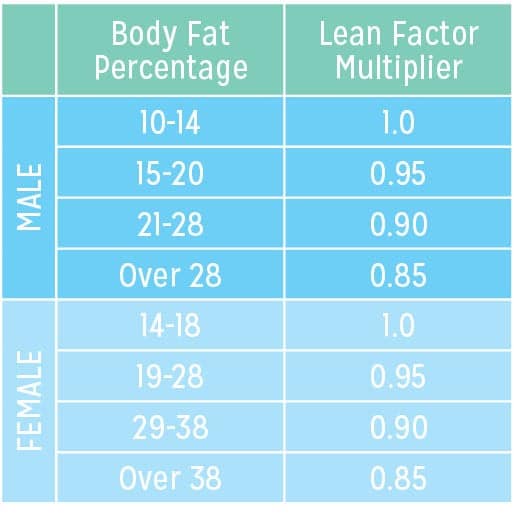
As your weight changes, your BMR and TDEE also change. A person losing weight will naturally require fewer calories to maintain their new, lighter body. Tech solutions automatically recalculate these needs and adjust calorie targets, preventing plateaus and ensuring continuous progress. This iterative adjustment is critical and far more effective than sticking to a static target.
Macro-nutrient Breakdown and Dietary Preferences
Beyond total calories, technology excels at breaking down macro-nutrient targets (protein, carbohydrates, fats) based on goals and dietary preferences. For instance:
- Weight Loss: Often prioritizes higher protein intake to preserve muscle mass during a caloric deficit.
- Muscle Gain: Requires sufficient protein and carbohydrates to fuel workouts and muscle repair.
- Athletes: May need specific carbohydrate timing around training sessions.
Advanced apps allow users to set custom macro ratios or choose from pre-set options (e.g., keto, high-protein, low-carb). They then track intake against these targets, offering insights into dietary balance. Some even integrate with genetic testing services to provide hyper-personalized recommendations based on an individual’s genetic predispositions to certain nutrients or metabolic traits, further refining calorie and macro targets.
Moreover, technology caters to specific dietary restrictions or preferences, such as vegetarian, vegan, gluten-free, or allergen-conscious diets. Apps can filter food databases, suggest appropriate alternatives, and ensure that personalized calorie targets are met without compromising health or adherence to dietary choices.
The Role of Wearables and IoT in Real-time Calorie Management
The advent of wearable technology and the Internet of Things (IoT) has brought an unprecedented level of real-time data collection to personal health, profoundly impacting how we understand and manage calorie expenditure. These devices bridge the gap between estimated activity levels and actual energy burned.
Wearable Devices: Quantifying Energy Expenditure
Fitness trackers and smartwatches (e.g., Apple Watch, Fitbit, Garmin) are central to this revolution. They continuously monitor a range of physiological metrics, including heart rate, steps taken, distance covered, sleep patterns, and even specific exercise types. Sophisticated algorithms within these devices translate this raw data into estimated calorie expenditure.
For example, a high heart rate during a workout indicates greater exertion and thus a higher calorie burn. Accelerometers and gyroscopes track movement patterns, differentiating between light activity, moderate exercise, and intense workouts. While not perfectly precise, the aggregated data from wearables provides a far more accurate picture of an individual’s TDEE than self-reported activity levels alone. This real-time feedback loop allows users to see the immediate impact of their physical activity on their daily calorie balance.
Integrating Wearables with Calorie Tracking Apps
The true power emerges when wearables seamlessly integrate with calorie-tracking applications. Data from a smartwatch, for instance, can automatically sync with a nutrition app, dynamically adjusting the user’s remaining calorie budget for the day. If a user has a particularly active day, the app might indicate a higher calorie allowance, or conversely, if activity is low, it might suggest reducing intake to stay on target.
This integration eliminates the need for manual logging of exercise, reducing user friction and increasing adherence. It also provides a holistic view of energy balance, combining energy in (food logged in the app) with energy out (activity detected by the wearable). Furthermore, some smart devices, like smart scales, integrate into this ecosystem, automatically recording weight changes, body fat percentage, and muscle mass, which further informs and adjusts calorie recommendations within the interconnected digital framework.
IoT in the Smart Kitchen: Future Directions
The future of calorie management extends beyond personal wearables into the broader IoT ecosystem, particularly the smart kitchen. Imagine smart blenders that calculate macro-nutrients of your smoothie, smart ovens that suggest cooking times based on food recognition, or even smart refrigerators that track inventory and suggest recipes based on your calorie goals and available ingredients. While nascent, these technologies promise to further automate and simplify the process of understanding and meeting calorie needs, turning the entire home environment into a supportive hub for personalized nutrition.
Beyond the Numbers: Future Trends in Calorie-Tracking Technology
While current technology offers impressive capabilities, the evolution of calorie-tracking is far from over. Future trends promise even greater precision, personalization, and integration, moving towards a truly holistic and effortless approach to nutritional management.
Continuous Glucose Monitoring (CGM) and Metabolic Health
One of the most exciting frontiers is the integration of Continuous Glucose Monitors (CGM) with calorie and nutrition tracking. While currently primarily used for diabetes management, CGMs offer real-time insights into how an individual’s body responds to different foods and macro-nutrient compositions by measuring blood glucose levels. Integrating this data with calorie tracking could lead to revolutionary personalized dietary advice. An AI could learn that certain food combinations, despite their calorie count, lead to better glucose stability for an individual, optimizing not just energy balance but also metabolic health and sustained energy levels, preventing post-meal energy crashes.
AI-Powered Food Recognition and Automated Logging
The biggest hurdle in calorie tracking remains accurate food logging. Manual entry, even with barcode scanners, can be tedious. Future AI advancements, particularly in computer vision, aim to solve this. Imagine simply taking a photo of your meal, and AI instantly identifies the food items, estimates portion sizes, and logs the calorie and macro-nutrient breakdown. This technology is already in development, with apps experimenting with image recognition for basic meals. As AI models become more sophisticated and databases grow, this could automate food logging almost entirely, significantly reducing the effort required from users.
Virtual Reality (VR) and Augmented Reality (AR) for Immersive Nutrition Education
Beyond tracking, VR and AR could transform how we learn about and engage with nutrition. Imagine an AR app that overlays nutritional information directly onto food items in your grocery cart, showing their calorie density or macro-nutrient contribution to your daily goals. Or a VR experience that visualizes the impact of different food choices on your body, making abstract nutritional concepts tangible and engaging. These immersive technologies could make understanding calorie needs and healthy eating habits more intuitive and fun, fostering deeper engagement and sustained behavioral change.
Integration with Predictive Health and Preventive Medicine
Ultimately, calorie-tracking technology will integrate more deeply with broader predictive health platforms. By analyzing long-term data on diet, activity, genetics, and biometric markers, AI could predict potential health risks (e.g., nutrient deficiencies, predisposition to certain conditions) and proactively adjust calorie and nutrient recommendations to mitigate these risks. This moves calorie management from a reactive tool to a cornerstone of preventive medicine, helping individuals optimize their health trajectory over their entire lifespan.
In conclusion, understanding your calorie needs is no longer a complex endeavor reserved for nutritionists or elite athletes. Thanks to a continuous wave of technological innovation – from smart apps and AI-driven calculators to wearables and emerging IoT devices – precise, personalized, and proactive calorie management is now within everyone’s reach. By embracing these tools, we empower ourselves to make informed dietary choices, optimize our health and fitness goals, and cultivate a lifestyle underpinned by scientific insight rather than guesswork, paving the way for a healthier future.
aViewFromTheCave is a participant in the Amazon Services LLC Associates Program, an affiliate advertising program designed to provide a means for sites to earn advertising fees by advertising and linking to Amazon.com. Amazon, the Amazon logo, AmazonSupply, and the AmazonSupply logo are trademarks of Amazon.com, Inc. or its affiliates. As an Amazon Associate we earn affiliate commissions from qualifying purchases.