
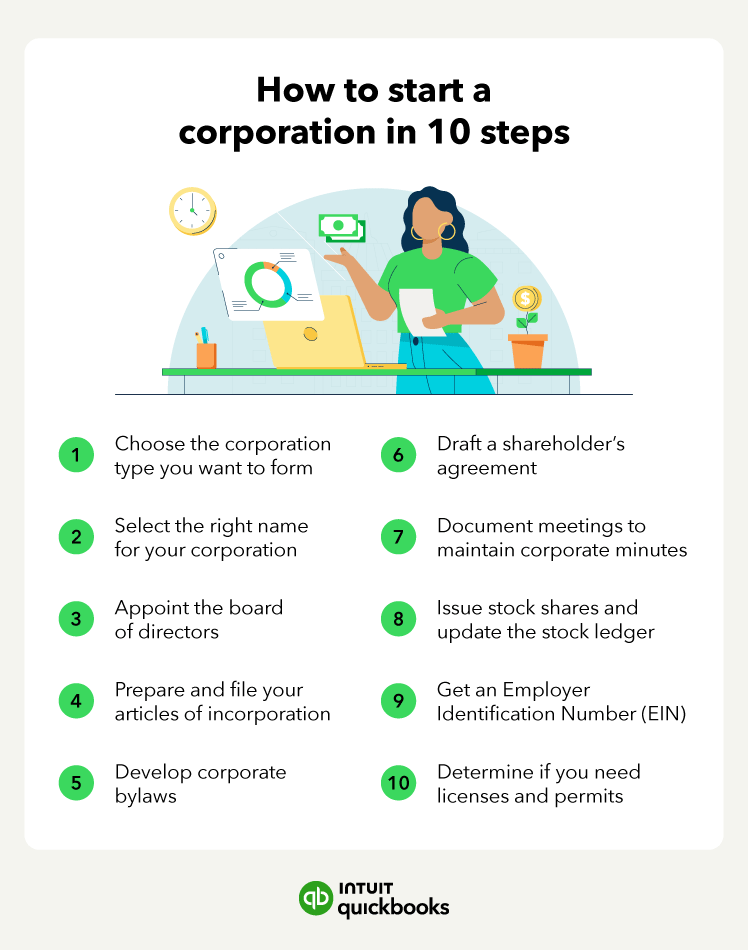
Establishing a company in the USA is an aspiration for many entrepreneurs, drawn by the robust economy, access to capital, and innovative ecosystem. However, the path from idea to a fully operational business entity is paved with critical financial decisions, legal compliance, and strategic planning. This guide will walk you through the essential steps, focusing specifically on the monetary and financial aspects of company formation in the United States, ensuring you lay a solid foundation for sustainable growth and profitability.
1. Laying the Financial Foundation: Initial Planning & Funding
The very first step in establishing a company is not just about having a great idea, but understanding its financial viability and how it will be brought to life. This involves a thorough assessment of business structures, a realistic projection of startup costs, and identifying appropriate funding mechanisms.

Understanding Business Structures and Their Financial Implications
Choosing the right legal structure for your company is perhaps one of the most significant financial decisions you’ll make. Each structure carries distinct implications for taxation, liability, administrative burden, and ability to raise capital.
-
Sole Proprietorship: Simple to set up, minimal cost. The owner and business are legally inseparable, meaning personal assets are at risk for business debts and liabilities. Profits are taxed as personal income.
-
Partnership (General or Limited): Similar to a sole proprietorship but with two or more owners. General partners have unlimited liability, while limited partners have liability restricted to their investment. Taxed on individual income. Offers more capital initially but complicates financial management with multiple stakeholders.
-
Limited Liability Company (LLC): Offers personal liability protection for owners (members) while providing pass-through taxation (profits taxed once at the individual level). This hybrid structure is popular for its balance of protection and simplicity. Formation costs are moderate, and ongoing compliance can be simpler than corporations.
-
Corporation (C-Corp or S-Corp):
-
C-Corporation (C-Corp): A separate legal entity from its owners, offering the strongest liability protection. Subject to “double taxation” – profits are taxed at the corporate level, and then again when distributed to shareholders as dividends. However, C-Corps have an easier time raising capital through equity financing and can reinvest profits without immediate personal tax implications. More complex and expensive to establish and maintain.
-
S-Corporation (S-Corp): A special election for small businesses that allows for pass-through taxation, avoiding the double taxation of a C-Corp, while still providing liability protection. Strict requirements regarding the number and type of shareholders.
-
-
Non-profit Corporation: Formed for charitable, educational, or religious purposes. While not focused on profit, it still requires sound financial management and strict compliance to maintain tax-exempt status.
Each choice directly impacts your company’s tax burden, how much of your personal wealth is exposed, and your future financial agility. Consulting with a financial advisor or an attorney specializing in business formation is highly recommended to select the structure that best aligns with your financial goals and risk tolerance.
Estimating Startup Costs and Developing a Budget
Once a structure is chosen, a detailed financial plan is crucial. This budget should account for every anticipated expense before your business generates significant revenue. Typical startup costs include:
-
Legal and Registration Fees: For forming your entity (LLC, C-Corp, etc.), obtaining licenses and permits.
-
Operating Expenses: Rent, utilities, internet, insurance, salaries, supplies, software subscriptions.
-
Asset Acquisition: Equipment, furniture, technology, inventory.
-
Marketing and Branding: Website development, initial advertising, logo design.
-
Professional Services: Accountants, lawyers, consultants.
-
Working Capital: A reserve to cover unexpected expenses or operational shortfalls during the initial months.
A realistic budget is not merely a list of expenses; it’s a financial roadmap that helps you secure funding and manage cash flow effectively in the critical early stages. Underestimating costs is a common pitfall that can lead to premature business failure.
Exploring Funding Avenues for Your New Venture
With a clear budget, the next step is to secure the necessary capital. Initial funding options typically include:
-
Personal Savings (Bootstrapping): Using your own money is the most common and often the least complicated way to start, demonstrating your commitment to investors.
-
Friends and Family: Often a source of early capital, but it’s crucial to treat these as formal investments with clear terms to avoid potential relationship strain.
-
Small Business Loans: Offered by banks and credit unions, often backed by the U.S. Small Business Administration (SBA). These typically require a solid business plan and sometimes collateral.
-
Angel Investors: High-net-worth individuals who invest in early-stage companies in exchange for equity.
-
Venture Capital (VC) Firms: Primarily invest in high-growth potential startups in exchange for significant equity stakes. More suitable for businesses seeking rapid scalability.
-
Crowdfunding: Platforms like Kickstarter or Indiegogo allow you to raise small amounts of money from a large number of people, often in exchange for a product pre-order or small equity stake.
Each funding source comes with its own financial implications regarding interest rates, equity dilution, repayment schedules, and investor expectations. Carefully evaluating these options against your business plan and financial projections is paramount.
2. Navigating Legal and Financial Registrations
Once your financial foundation is set, the practical steps of registering your business and ensuring financial compliance come into play. This involves critical interactions with federal, state, and local government agencies to ensure your business operates legally and transparently from a monetary perspective.
Obtaining Necessary Federal and State Tax IDs
A critical step for any U.S. business is obtaining the correct tax identification numbers.
-
Employer Identification Number (EIN): Often referred to as a Federal Tax Identification Number, the EIN is a unique nine-digit number assigned by the IRS. It’s essential for virtually all businesses in the USA, particularly if you have employees, operate as a corporation or partnership, or file certain excise, employment, or other tax forms. You’ll need an EIN to open a business bank account, file taxes, and handle payroll. Applying for an EIN is a straightforward, free process that can be done online through the IRS website.
-
State Tax IDs: Depending on your state and the nature of your business, you may need additional state tax identification numbers. These are typically required for collecting sales tax, managing state unemployment insurance, or handling state income tax withholding for employees. Requirements vary significantly by state, so checking your state’s Department of Revenue website is crucial.
Proper registration of these IDs ensures your business can legally collect and remit taxes, fulfilling a fundamental financial obligation.
Understanding Business Licenses and Permits (Financial Compliance)
Beyond tax IDs, most businesses require specific licenses and permits to operate legally. These often have associated fees and are crucial for financial compliance.
-
Federal Licenses/Permits: Certain industries, such as those dealing with alcohol, firearms, transportation, or broadcasting, require specific federal licenses. These can involve significant application fees and ongoing compliance costs.
-
State Licenses/Permits: Most states require a general business license, and many industries (e.g., healthcare, construction, cosmetology) have profession-specific licensing requirements. These licenses ensure that businesses meet certain standards and can involve renewal fees that must be factored into your operating budget.
-
Local (City/County) Licenses/Permits: Your local municipality will likely require a business license and may have zoning permits, health permits, or signage permits. These local fees, while often smaller individually, can add up and are essential for operating within local ordinances.
Failing to obtain the necessary licenses and permits can result in hefty fines, legal challenges, and even business closure, all of which have severe financial repercussions. It’s imperative to research and secure all required permissions before commencing operations.
Opening a Dedicated Business Bank Account
Separating personal and business finances is not merely good practice; it’s a financial imperative for legal and accounting clarity, especially if you’ve chosen an LLC or corporate structure.
-
Legal Compliance: For LLCs and corporations, commingling funds can lead to “piercing the corporate veil,” exposing personal assets to business liabilities.
-
Accounting and Tax Preparation: A separate account simplifies bookkeeping, making it easier to track income and expenses, reconcile bank statements, and prepare for tax season. This saves time and money on accounting services.
-
Professionalism: A business bank account and associated debit/credit cards enhance your company’s professional image, especially when dealing with suppliers, customers, and investors.
-
Credit Building: A dedicated business account is the first step towards establishing business credit, which is vital for securing future loans, lines of credit, and vendor terms.

When opening an account, you’ll typically need your EIN, business formation documents, and personal identification. Shop around for banks that offer business-friendly features, low fees, and services tailored to small businesses.
3. Strategic Financial Management for Early Growth
Establishing a company is only the beginning; sustaining it requires diligent and strategic financial management. From day-to-day transactions to long-term fiscal health, robust financial practices are the backbone of a successful enterprise.
Implementing Effective Bookkeeping and Accounting Practices
Accurate and consistent bookkeeping is non-negotiable for any business aiming for longevity. It’s the daily record-keeping of all financial transactions, providing the raw data for financial analysis.
-
Choose a System: Whether it’s simple spreadsheets for very small operations, cloud-based accounting software like QuickBooks or Xero, or hiring a professional bookkeeper, consistency is key. Digital solutions offer automation, error reduction, and easier reporting.
-
Track Everything: Meticulously record all income (sales, service fees) and expenses (salaries, rent, supplies, marketing). Categorize transactions correctly to aid in financial analysis and tax preparation.
-
Regular Reconciliation: Regularly compare your accounting records with bank statements and credit card statements to ensure accuracy and identify any discrepancies.
-
Separation of Duties: If feasible, especially as you grow, separating the roles of transaction recording, authorization, and reconciliation helps prevent errors and fraud.
Good bookkeeping feeds into effective accounting, which involves interpreting and summarizing these financial records to produce financial statements (balance sheets, income statements, cash flow statements). These statements are vital tools for understanding your company’s financial performance, making informed decisions, and attracting investors.
Managing Cash Flow and Working Capital
Cash flow is the lifeblood of any business. It refers to the movement of money in and out of your company. Positive cash flow means more money is coming in than going out, while negative cash flow can quickly lead to insolvency, even if your business is technically profitable.
-
Monitor Inflows and Outflows: Understand your sales cycles, payment terms for invoices, and recurring expenses. Forecast cash flow regularly (weekly or monthly) to anticipate potential shortfalls or surpluses.
-
Optimize Receivables and Payables: Encourage customers to pay promptly, perhaps through early payment discounts, and manage your own payments to suppliers strategically to maintain adequate cash on hand. Negotiating favorable payment terms with vendors can free up working capital.
-
Maintain a Cash Reserve: A contingency fund equivalent to several months of operating expenses can buffer against unexpected costs or revenue dips.
-
Understand Working Capital: This is the difference between your current assets (cash, accounts receivable, inventory) and current liabilities (accounts payable, short-term debt). Sufficient working capital ensures you can meet short-term obligations and fund day-to-day operations. Poor working capital management often triggers business failure.
Proactive cash flow management prevents liquidity crises and allows you to seize growth opportunities when they arise.
Understanding Tax Obligations and Incentives for New Businesses
Taxes are a significant financial consideration. A thorough understanding of your obligations and potential incentives is crucial for compliance and maximizing profitability.
-
Federal Taxes: Businesses are subject to income tax (corporate or individual, depending on structure), payroll taxes (Social Security, Medicare), and potentially excise taxes.
-
State and Local Taxes: These can include state income tax, sales tax, property tax, and various other local business taxes.
-
Tax Planning: Work with an accountant to develop a tax strategy that minimizes your tax burden within legal bounds. This can involve choosing the optimal business structure, taking advantage of allowable deductions (e.g., business expenses, depreciation), and utilizing tax credits.
-
New Business Incentives: Research federal, state, and local programs designed to support new businesses. These might include tax credits for hiring specific types of employees, investing in certain technologies, operating in designated zones, or specific industry incentives. These incentives can provide significant financial relief during the startup phase.
Regular consultation with a tax professional is invaluable to ensure compliance, avoid penalties, and optimize your financial position.
4. Scaling Your Company: Investment and Profitability
Once your company is established and operating efficiently, the focus shifts to strategic scaling. This involves making informed decisions about reinvesting profits, attracting further investment, and implementing strategies to ensure long-term financial health and increased profitability.
Reinvesting Profits for Sustainable Growth
As your company starts generating profits, a key decision is how to allocate these earnings. Smart reinvestment is critical for sustainable, organic growth.
-
Expansion of Operations: Investing in new equipment, larger facilities, or advanced technology can increase production capacity, improve efficiency, and expand your market reach.
-
Research and Development (R&D): Allocating funds to R&D can lead to new products, services, or process improvements, giving you a competitive edge and opening new revenue streams.
-
Marketing and Sales Initiatives: Increased investment in marketing campaigns, sales team expansion, or market penetration strategies can drive customer acquisition and revenue growth.
-
Talent Acquisition and Development: Investing in skilled employees and training programs enhances productivity, innovation, and service quality, which directly impacts profitability.
-
Debt Reduction: Using profits to pay down outstanding debts can significantly reduce interest expenses, improve your balance sheet, and free up cash flow for future investments.
The decision to reinvest should always be guided by a clear business strategy and a thorough financial analysis of the potential return on investment.
Attracting Further Investment and Debt Financing
As your company grows, its capital needs may exceed what can be covered by retained earnings. At this stage, attracting external investment or securing debt financing becomes a strategic move.
-
Equity Financing (Series A, B, etc.): For high-growth companies, venture capital firms or angel investors provide capital in exchange for a larger equity stake. This funding often comes with valuable mentorship and network access but dilutes ownership. Your financial statements (P&L, balance sheet, cash flow) and growth projections will be intensely scrutinized.
-
Debt Financing (Lines of Credit, Term Loans): Banks and other lenders can provide capital without diluting ownership. This requires consistent cash flow to service debt payments and a strong credit history. As your business matures, you may qualify for more favorable terms and larger loan amounts.
-
Strategic Partnerships: Sometimes, a strategic partner might invest capital or resources in exchange for a share of your business or a joint venture, offering both financial backing and market access.
Presenting a compelling financial narrative—strong revenue growth, clear path to profitability, and efficient use of capital—is paramount to securing these types of funding.
Strategies for Long-Term Financial Health and Profitability
Beyond immediate growth, ensuring the long-term financial health and increasing profitability requires continuous strategic oversight.
-
Diversify Revenue Streams: Relying on a single product or service can be risky. Exploring complementary offerings or expanding into new markets can stabilize revenue and reduce dependence on one source.
-
Cost Control and Optimization: Regularly review all operating expenses. Identify areas where costs can be reduced without compromising quality or efficiency. This might involve renegotiating supplier contracts, optimizing inventory, or streamlining processes.
-
Pricing Strategy: Periodically evaluate your pricing model to ensure it reflects market value, covers costs, and contributes to desired profit margins. Consider value-based pricing, dynamic pricing, or tiered pricing strategies.
-
Risk Management: Implement financial safeguards against potential risks, such as economic downturns, market shifts, or operational disruptions. This includes adequate insurance, diversification of investments, and maintaining robust contingency funds.
-
Succession Planning: For founder-led businesses, planning for leadership transitions and potential sales or mergers contributes to long-term financial stability and ensures value preservation for stakeholders.
Establishing a company in the USA is a multifaceted endeavor, with financial management at its core. By carefully planning your financial foundation, navigating the complexities of legal and tax registrations, diligently managing your cash flow, and strategically planning for growth and profitability, you can significantly increase your chances of building a thriving and sustainable enterprise. The journey is challenging, but with astute financial stewardship, the rewards are immense.
aViewFromTheCave is a participant in the Amazon Services LLC Associates Program, an affiliate advertising program designed to provide a means for sites to earn advertising fees by advertising and linking to Amazon.com. Amazon, the Amazon logo, AmazonSupply, and the AmazonSupply logo are trademarks of Amazon.com, Inc. or its affiliates. As an Amazon Associate we earn affiliate commissions from qualifying purchases.