
The share market, often perceived as a labyrinth of numbers and volatile movements, is in reality a dynamic marketplace where fortunes can be built through informed decisions and strategic execution. For many, the idea of “trading” conjures images of frenzied brokers on a trading floor, but in today’s digital age, the ability to participate in the share market is accessible to almost anyone with an internet connection. Trading in the share market involves buying and selling financial instruments, primarily stocks, with the goal of profiting from price fluctuations. Unlike long-term investing, which focuses on growth over years, trading often involves shorter time horizons, demanding a different set of skills, tools, and a robust understanding of market dynamics.
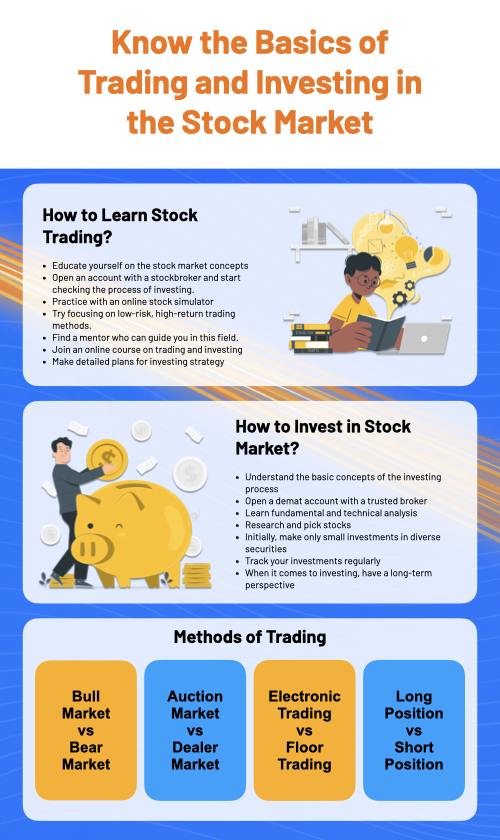
Embarking on a trading journey requires more than just capital; it demands discipline, continuous learning, and a firm grasp of risk management. This guide aims to demystify the process, providing a professional, insightful, and engaging roadmap for individuals looking to understand and engage in share market trading. We will delve into the fundamental concepts, explore various trading strategies, emphasize the critical role of risk management, and outline the practical steps to get started, all within the strict domain of personal finance and investing.
Laying the Foundation: Understanding the Share Market Basics
Before placing your first trade, it’s crucial to understand the fundamental components and terminology of the share market. This foundational knowledge will serve as your compass in navigating its complexities.
What is the Share Market?
At its core, the share market, also known as the stock market, is a platform where shares of publicly listed companies are bought and sold. A “share” represents a fractional ownership in a company. When you buy a share, you become a part-owner of that company. Companies issue shares to raise capital for expansion, research, or debt repayment. Investors and traders then buy these shares, hoping their value will increase, allowing them to sell for a profit. The market functions based on supply and demand; if more people want to buy a share than sell it, its price tends to rise, and vice-versa.
The market isn’t a single entity but a collection of exchanges (like the NYSE, NASDAQ, BSE, NSE) where securities are listed and traded. These exchanges provide a regulated environment for buyers and sellers to interact, ensuring transparency and fairness.
Key Players: Exchanges, Brokers, and Investors
Understanding the roles of different participants is vital.
- Stock Exchanges: These are the organized marketplaces (e.g., Bombay Stock Exchange, National Stock Exchange in India; New York Stock Exchange, NASDAQ in the US) where stocks and other securities are traded. They provide the infrastructure and regulatory framework for trading.
- Brokers: You cannot directly trade on an exchange. You need an intermediary – a stockbroker. Brokers are licensed professionals or firms that execute buy and sell orders on behalf of their clients. They provide trading platforms (online or offline), research, and sometimes advisory services. Choosing the right broker, considering their fees, platform features, and customer service, is a critical initial step.
- Investors/Traders: This category includes individuals, institutional investors (like mutual funds, pension funds), and hedge funds who buy and sell shares with the objective of capital appreciation or income. While both seek profit, their approaches and time horizons often differ significantly.
Differentiating Investing from Trading
Though often used interchangeably, “investing” and “trading” represent distinct approaches to participating in the share market.
- Investing: Typically involves a long-term strategy, focusing on the fundamental strength and growth potential of a company over several years or even decades. Investors aim to build wealth gradually through compounding returns, often holding stocks through market fluctuations. Their primary goal is capital appreciation and sometimes dividends.
- Trading: Generally involves shorter timeframes, ranging from minutes to a few months. Traders aim to profit from short-term price movements and market volatility. They are less concerned with a company’s long-term fundamentals and more focused on technical analysis, market sentiment, and quick entry/exit points. While potentially offering higher returns in shorter periods, trading also carries significantly higher risk.
Understanding this distinction is crucial for aligning your strategy with your financial goals and risk tolerance. This guide primarily focuses on the principles and practices of trading.
Types of Trading and Investment Strategies
The share market offers a spectrum of trading styles, each with its unique characteristics, risk profiles, and required commitment. Choosing the right style depends on your personality, capital, time availability, and risk appetite.
Short-Term Trading: Day Trading and Swing Trading
These strategies are at the heart of what most people envision as “trading.”
- Day Trading: As the name suggests, day traders buy and sell financial instruments within the same trading day, closing all positions before the market closes. They aim to profit from small intraday price movements, often using high leverage. Day trading requires intense focus, quick decision-making, and a deep understanding of technical analysis. It is highly demanding and carries substantial risk, often not recommended for beginners.
- Swing Trading: This strategy involves holding positions for a few days to several weeks, aiming to capture “swings” in price movements. Swing traders look for stocks that are poised to move significantly in one direction, often using technical indicators to identify entry and exit points. It requires less constant monitoring than day trading but still demands active engagement and careful risk management.
Long-Term Investing: Buy and Hold
While the focus here is on trading, it’s important to acknowledge the contrasting approach of long-term investing, which underpins the fundamental health of the market.
- Buy and Hold: Investors adopting this strategy purchase stocks of fundamentally strong companies and hold them for extended periods, sometimes years or even decades, regardless of short-term market fluctuations. They believe in the long-term growth potential of the company and the economy. This strategy typically involves less active management and is generally considered less risky than short-term trading.
Beyond Stocks: Options, Futures, and ETFs
The share market offers more than just direct equity trading.
- Options: These are contracts that give the buyer the right, but not the obligation, to buy or sell an underlying asset (like a stock) at a specified price on or before a certain date. Options trading can be complex and involves significant leverage, making them very risky but also potentially very rewarding.
- Futures: These are standardized contracts to buy or sell an asset at a predetermined price at a specified time in the future. Futures are primarily used for hedging or speculation and also involve high leverage and risk.
- Exchange Traded Funds (ETFs): These are investment funds traded on stock exchanges, much like individual stocks. An ETF typically holds assets like stocks, commodities, or bonds, and trades close to its net asset value over the course of the trading day. ETFs offer diversification and are a simpler way to invest in a basket of securities without individually buying each one.
For beginners, starting with direct equity trading (stocks) is generally recommended before venturing into more complex instruments like options and futures.
Developing Your Trading Edge: Analysis and Strategy
Successful trading is rarely about luck; it’s about making informed decisions based on thorough analysis and a well-defined strategy. Two primary methodologies guide market analysis.
Fundamental Analysis: Valuing Companies
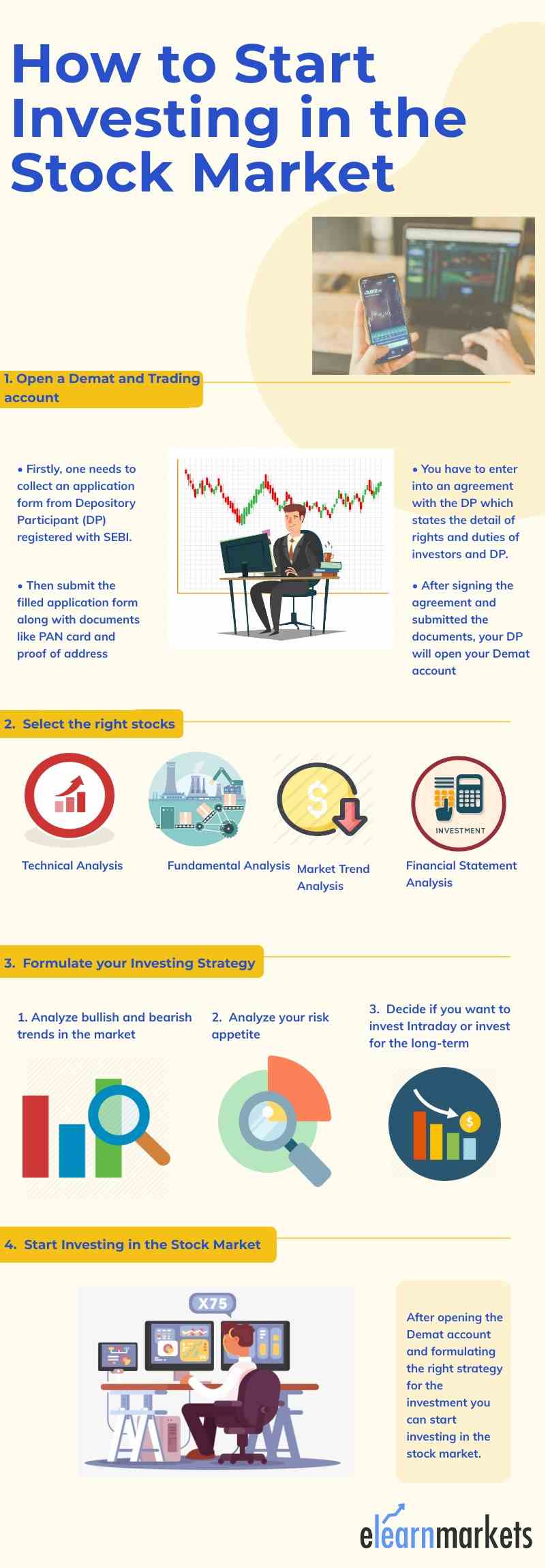
Fundamental analysis involves evaluating a company’s intrinsic value by examining its financial statements, management quality, industry trends, and economic outlook. Traders using this approach look at:
- Financial Health: Revenue, profits, debt, cash flow, and key ratios like Price-to-Earnings (P/E), Debt-to-Equity.
- Management: Competence, integrity, and strategic vision of the leadership team.
- Industry and Economy: The company’s position within its industry, competitive landscape, and broader economic factors that might impact its business.
While more prevalent in long-term investing, fundamental analysis can inform a trader’s decision, especially for swing trades, by identifying fundamentally strong companies that might be temporarily undervalued or poised for growth.
Technical Analysis: Charting Market Sentiment
Technical analysis is the study of past market data, primarily price and volume, to forecast future price movements. Technical traders believe that all relevant information is already reflected in the price. They use:
- Charts: Candlestick charts, bar charts, line charts to visualize price action over time.
- Indicators: Mathematical calculations based on price and volume data, such as Moving Averages, Relative Strength Index (RSI), MACD, Bollinger Bands, to identify trends, momentum, and potential reversal points.
- Patterns: Identifying recurring price patterns (e.g., head and shoulders, double top/bottom) that often precede predictable price movements.
Technical analysis is the bedrock for most short-term trading strategies, providing specific entry and exit signals. Mastering it requires practice and a keen eye for detail.
Crafting a Personalized Trading Plan
A trading plan is your blueprint for success. It outlines your strategy, risk management rules, and overall approach. A comprehensive trading plan should include:
- Trading Style: Day trading, swing trading, etc.
- Assets to Trade: Which stocks, sectors, or instruments will you focus on?
- Entry/Exit Criteria: Specific technical or fundamental signals that trigger a buy or sell.
- Position Sizing: How much capital will you allocate to each trade?
- Risk Management Rules: Stop-loss levels, maximum daily loss limits.
- Profit Targets: When will you take profits?
- Review Process: How often will you review and refine your plan?
A well-defined plan helps maintain discipline, reduces emotional decision-making, and provides a framework for evaluating performance.
Mastering Risk Management and Trading Psychology
These two elements are arguably the most crucial for long-term survival and success in trading. Without them, even the most robust strategy can crumble.
The Imperative of Risk Management: Stop-Losses and Position Sizing
Risk management is not an option; it’s a necessity. It involves protecting your trading capital from significant losses.
- Stop-Loss Orders: A stop-loss is an order placed with a broker to sell a security when it reaches a certain price. It limits your potential loss on a position. Always determine your stop-loss before entering a trade. Never trade without a stop-loss.
- Position Sizing: This refers to deciding how many shares or contracts to trade. A common rule of thumb is to risk only a small percentage (e.g., 1-2%) of your total trading capital on any single trade. This ensures that a single losing trade doesn’t significantly impair your ability to continue trading.
- Capital Preservation: Your primary goal as a trader should be capital preservation. If you don’t protect your capital, you won’t be in the game long enough to make profits.
Cultivating a Disciplined Trading Mindset
Trading is as much a psychological game as it is an analytical one. Emotions like fear, greed, hope, and overconfidence can derail even the most well-researched strategy.
- Discipline: Adhere strictly to your trading plan, even when it’s uncomfortable. Don’t chase trades, and don’t deviate from your risk management rules.
- Patience: Wait for your setups. Not every day offers a high-probability trading opportunity.
- Emotional Control: Learn to recognize and manage your emotions. Avoid revenge trading after a loss or overtrading after a win.
- Objectivity: Base decisions on data and analysis, not gut feelings or external noise.
Learning from Wins and Losses
Every trade, whether profitable or not, is a learning opportunity.
- Trading Journal: Maintain a detailed trading journal. Record every trade, including the entry/exit points, reasons for the trade, emotions felt, and lessons learned.
- Performance Review: Regularly review your journal and overall performance. Identify patterns in your successes and failures. What worked? What didn’t? Where did you deviate from your plan?
- Adaptation: The market is constantly evolving. Successful traders are those who continuously learn, adapt their strategies, and refine their understanding of market dynamics.
Getting Started: Practical Steps for New Traders
With the theoretical groundwork laid, it’s time to consider the practical steps to begin your trading journey in the share market.
Choosing the Right Brokerage Account
Your broker is your gateway to the market. Selecting the right one is paramount. Consider:
- Fees and Commissions: Compare brokerage charges, annual maintenance fees, and other hidden costs.
- Trading Platform: Is the platform user-friendly, stable, and equipped with the tools (charts, indicators, order types) you need? Does it offer mobile trading?
- Customer Service: How responsive and helpful is their support?
- Regulatory Compliance: Ensure the broker is regulated by the appropriate financial authorities in your region.
- Product Offerings: Do they offer access to the specific instruments you plan to trade (stocks, options, futures, etc.)?
Starting with a Demat Account and Trading Account
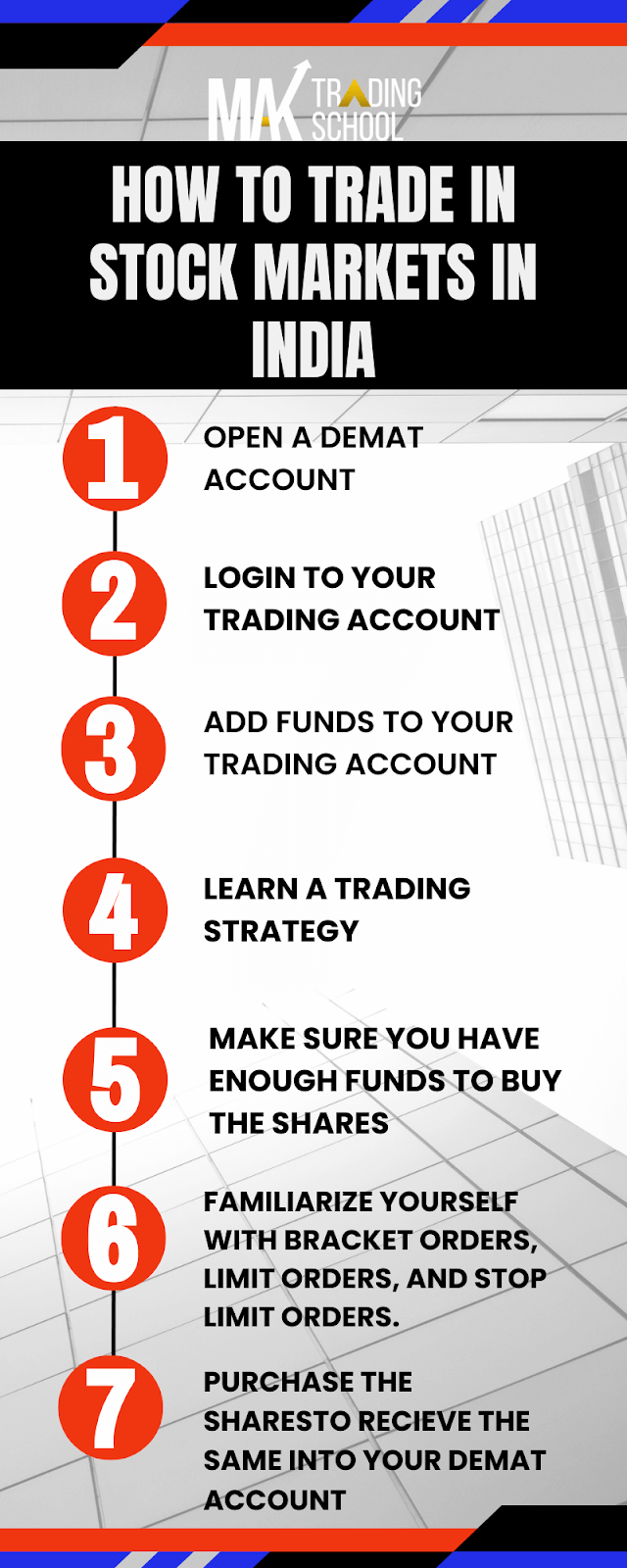
In many markets, particularly in India, you’ll need two distinct accounts to trade:
- Demat Account: A Demat (dematerialized) account holds your shares and securities in electronic form, much like a bank account holds your money. When you buy shares, they are credited to your Demat account; when you sell, they are debited.
- Trading Account: This account is used to place buy and sell orders in the share market. It acts as the interface between you and the stock exchange. Your trading account is usually linked to your Demat account and your bank account for funds transfer.
Many brokers offer a combined Demat and trading account opening process, simplifying the initial setup.
Continuous Learning and Adaptation
The journey of a trader is one of perpetual learning. The market is dynamic, influenced by countless factors, and what works today might not work tomorrow.
- Education: Read books, attend webinars, follow reputable financial news sources, and learn from experienced traders. Be wary of get-rich-quick schemes.
- Paper Trading: Before risking real money, practice with a “paper trading” or simulated trading account. Many brokers offer this feature, allowing you to execute trades with virtual money in real-time market conditions. This is invaluable for testing strategies and building confidence without financial risk.
- Start Small: When you do transition to live trading, begin with a small amount of capital that you can afford to lose. This minimizes the financial impact of inevitable beginner mistakes and allows you to gain experience gradually.
- Stay Updated: Keep abreast of global economic news, company-specific announcements, and regulatory changes that could impact the markets you trade in.
In conclusion, trading in the share market is a challenging but potentially rewarding endeavor. It requires a solid understanding of market mechanics, a well-defined strategy, stringent risk management, and a resilient psychological approach. By approaching it with dedication, discipline, and a commitment to continuous learning, individuals can navigate the share market and potentially achieve their financial objectives. Remember, the market rewards preparation and patience, not impulsive decisions or greed.
aViewFromTheCave is a participant in the Amazon Services LLC Associates Program, an affiliate advertising program designed to provide a means for sites to earn advertising fees by advertising and linking to Amazon.com. Amazon, the Amazon logo, AmazonSupply, and the AmazonSupply logo are trademarks of Amazon.com, Inc. or its affiliates. As an Amazon Associate we earn affiliate commissions from qualifying purchases.