
The financial landscape has undergone a seismic shift over the last decade, transitioning from a world dominated by centralized banking and fiat currencies to one that increasingly embraces decentralized digital assets. At the heart of this revolution is Bitcoin. For the modern investor, “doing Bitcoin” is no longer a fringe experiment; it is a strategic financial decision that requires a sophisticated understanding of market mechanics, risk management, and long-term asset allocation.
This guide explores the financial intricacies of Bitcoin, treating it as a legitimate asset class within a diversified portfolio. Whether you are looking to hedge against inflation or seeking high-growth opportunities, mastering the financial side of Bitcoin is essential for navigating the economy of the 21st century.

1. Bitcoin as a Strategic Financial Asset
To effectively “do Bitcoin,” one must first understand its unique position in the financial ecosystem. Unlike traditional stocks or bonds, Bitcoin does not represent a claim on a company’s earnings or a government’s debt. Instead, it functions as a digital commodity—often referred to as “Digital Gold.”
The Concept of Digital Scarcity
The fundamental value proposition of Bitcoin lies in its fixed supply. There will only ever be 21 million bitcoins. In a world where central banks frequently engage in quantitative easing and currency debasement, Bitcoin’s hard-capped supply offers a compelling counter-narrative. From a money management perspective, this scarcity makes Bitcoin a deflationary asset over the long term, contrasting sharply with the inflationary nature of the US Dollar or the Euro.
Modern Portfolio Theory and Bitcoin
Financial advisors are increasingly looking at Bitcoin through the lens of Modern Portfolio Theory (MPT). The goal of MPT is to maximize returns for a given level of risk by diversifying across uncorrelated assets. Historically, Bitcoin has shown a low correlation with the S&P 500 and gold, although these correlations can tighten during periods of extreme market stress. By adding a small allocation—typically 1% to 5%—to a traditional portfolio, investors can potentially enhance their Sharpe ratio, which measures risk-adjusted return.
2. Developing an Investment Strategy
“Doing Bitcoin” successfully requires moving away from the “get rich quick” mentality and adopting a disciplined investment framework. Because the market is open 24/7 and characterized by high volatility, a pre-defined strategy is your best defense against emotional decision-making.
Dollar-Cost Averaging (DCA)
For most individuals, the most effective financial strategy for Bitcoin is Dollar-Cost Averaging. This involves investing a fixed amount of money at regular intervals (e.g., $100 every week) regardless of the price.
- The Benefit: DCA mitigates the risk of “timing the market.” Since Bitcoin experiences significant price swings, buying at regular intervals ensures that you buy more units when prices are low and fewer when prices are high, effectively smoothing out your cost basis over time.
- The Execution: Many financial apps and exchanges allow for automated DCA, turning Bitcoin accumulation into a passive “set and forget” wealth-building tool.
Lump Sum Investing and Rebalancing
For those with a higher risk tolerance or a significant amount of liquid capital, lump-sum investing during market corrections can offer higher upside. However, this must be paired with a rebalancing strategy. If Bitcoin’s price surges and it now accounts for 20% of your portfolio instead of your target 5%, a professional financial approach dictates selling a portion to lock in gains and redistributing that capital back into more stable assets like bonds or index funds.
3. Navigating the Bitcoin Marketplace
The “how-to” of Bitcoin involves choosing the right platforms and understanding the costs associated with the digital asset market. In the world of money, every percentage point lost to fees is a percentage point taken away from your future compound growth.
Choosing the Right Financial On-Ramps
Investors generally have three main avenues for acquiring Bitcoin:
- Centralized Exchanges (CEXs): Platforms like Coinbase, Kraken, or Binance provide high liquidity and ease of use. They are ideal for beginners but require strict adherence to “Know Your Customer” (KYC) regulations.
- Bitcoin ETFs: For those who prefer to keep their investments within a traditional brokerage account (like Vanguard or Fidelity), Spot Bitcoin ETFs (Exchange-Traded Funds) allow for Bitcoin exposure without the need to manage digital keys. This is a massive leap forward for retirement planning and tax-advantaged accounts like IRAs.
- Peer-to-Peer (P2P) Platforms: These allow for more privacy but often come with higher spreads and increased operational risk.
Understanding Fees and Spreads
In the financial world, “free” is rarely free. Many apps that claim “zero-commission” trading actually make money through the “spread”—the difference between the buy and sell price. When executing large trades, it is vital to use “Limit Orders” rather than “Market Orders” to ensure you are buying at your intended price and minimizing the slippage that can erode your capital.
4. Risk Management and Asset Protection
In traditional finance, if you lose your credit card, you call the bank. In the world of Bitcoin, you are the bank. This shift in responsibility means that asset protection is a core component of your financial strategy.
The Custody Spectrum
How you store your Bitcoin is a financial decision based on the trade-off between convenience and security.
- Custodial Solutions: Leaving your Bitcoin on an exchange. This is convenient for frequent traders but exposes you to “platform risk”—if the exchange goes bankrupt, your assets may be frozen.
- Self-Custody (Cold Storage): Using hardware wallets to store Bitcoin offline. This removes third-party risk but places the burden of security entirely on the investor. For significant holdings, self-custody is the professional standard for long-term wealth preservation.
Tax Implications and Compliance
“Doing Bitcoin” correctly means staying on the right side of the law. In many jurisdictions, the IRS and other tax authorities treat Bitcoin as property. This means every time you sell Bitcoin or use it to purchase a good or service, it triggers a capital gains tax event.
- Short-term vs. Long-term: Holding Bitcoin for more than a year before selling often qualifies for lower long-term capital gains tax rates.
- Record Keeping: Using specialized crypto-tax software is essential for tracking your “cost basis” and ensuring that your annual filings are accurate. Failing to account for these liabilities can lead to significant financial penalties that outweigh your investment gains.
5. The Future of Bitcoin in Wealth Management
As we look toward the future, the integration of Bitcoin into the broader financial system is accelerating. We are moving beyond simple “buying and holding” into more complex financial maneuvers.
Bitcoin in Retirement and Estate Planning
The emergence of Bitcoin IRAs allows investors to hold the asset within a tax-deferred or tax-free (Roth) structure. This is a powerful tool for long-term wealth accumulation. Furthermore, estate planning for digital assets is a growing field. Investors must ensure that their private keys or exchange access details are included in their legal wills and that their heirs have a clear, secure path to inheriting these assets. Without a financial plan for “private key transition,” your Bitcoin wealth could be lost to the blockchain forever.
The Macroeconomic Outlook
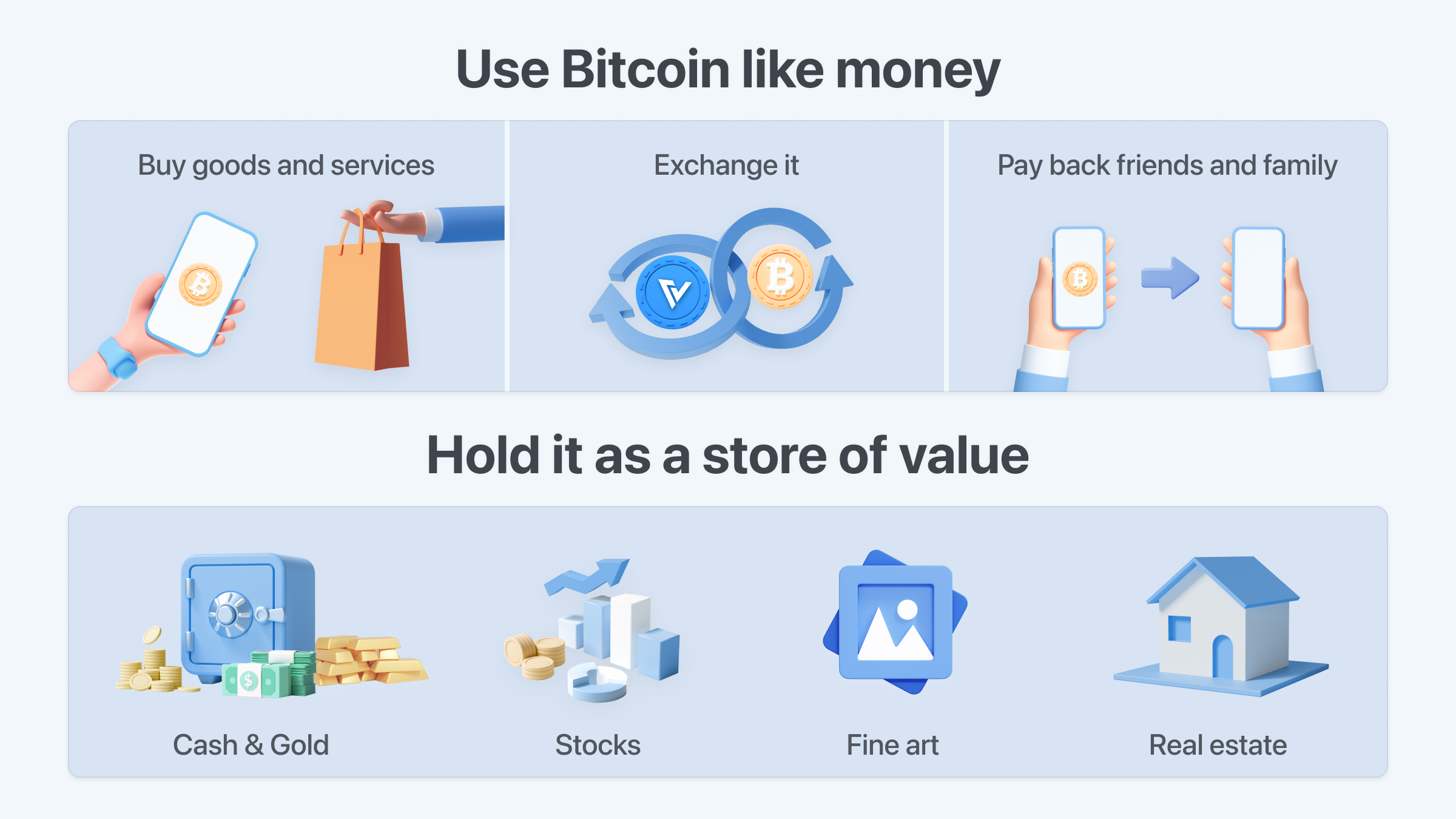
Bitcoin is increasingly viewed as a hedge against the “Great Debt Supercycle.” As global debt-to-GDP ratios reach historic highs, institutional investors see Bitcoin as an insurance policy. Integrating Bitcoin into your financial life is not just about seeking 10x returns; it is about diversifying away from systemic risks inherent in the modern banking system.
Conclusion
“How to do Bitcoin” is a question of financial literacy, not just technological savvy. It requires a disciplined approach to asset allocation, a rigorous strategy for security, and a long-term perspective on the evolution of money. By treating Bitcoin with the same professional scrutiny as one would a real estate investment or a stock portfolio, you position yourself to benefit from the ongoing digitalization of the global economy. The transition from fiat-only to a hybrid financial model is well underway; those who master the “money” of Bitcoin today will be the ones best prepared for the financial realities of tomorrow.
aViewFromTheCave is a participant in the Amazon Services LLC Associates Program, an affiliate advertising program designed to provide a means for sites to earn advertising fees by advertising and linking to Amazon.com. Amazon, the Amazon logo, AmazonSupply, and the AmazonSupply logo are trademarks of Amazon.com, Inc. or its affiliates. As an Amazon Associate we earn affiliate commissions from qualifying purchases.