
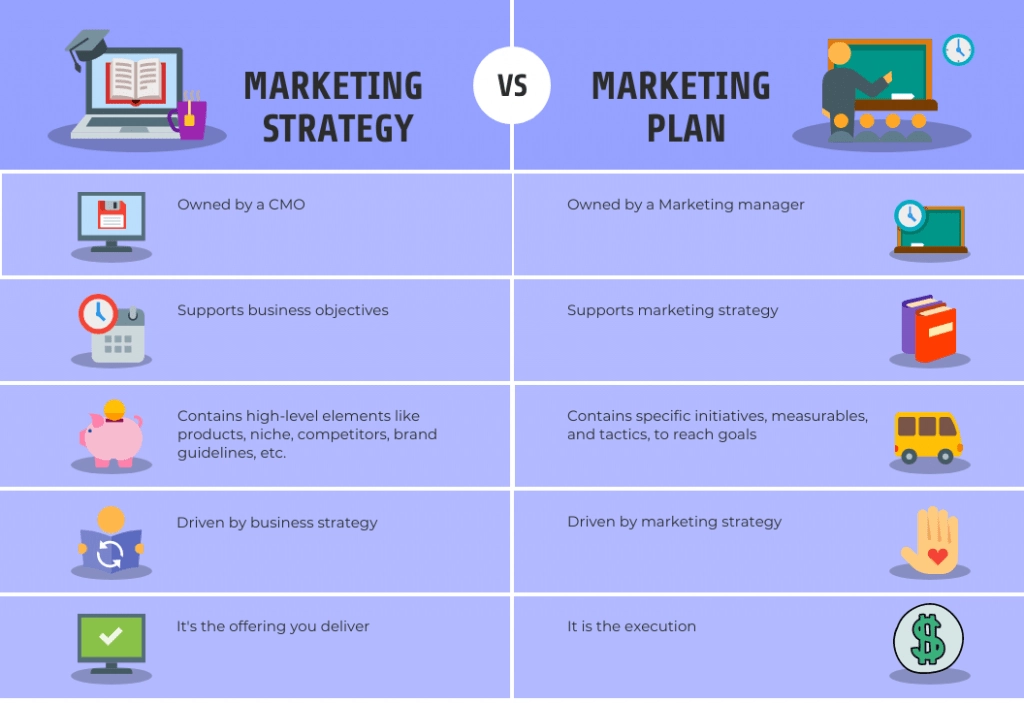
A well-crafted marketing plan is the compass that guides your brand through the competitive landscape, ensuring every effort aligns with overarching business objectives. It’s more than just a document; it’s a living strategy that informs decision-making, allocates resources effectively, and establishes a clear path to connecting with your target audience and achieving growth. Without a robust plan, marketing efforts can become fragmented, inefficient, and fail to deliver measurable results. This guide breaks down the essential steps to construct an impactful marketing plan that drives brand success.
The Strategic Foundation: Understanding Your Landscape
Before embarking on specific campaigns or tactics, a thorough understanding of your brand’s current position, market environment, and ultimate aspirations is paramount. This foundational work ensures that all subsequent marketing activities are strategically informed and purposeful.
Define Your Mission, Vision, and Goals
Every marketing plan must originate from a clear understanding of your brand’s core identity and ambitions.
- Mission: What is the fundamental purpose of your brand? What problem do you solve for customers? This statement defines your present existence.
- Vision: Where do you see your brand in the future? What impact do you aspire to make? The vision provides direction and inspiration.
- Goals: These are specific, measurable, achievable, relevant, and time-bound (SMART) objectives that your marketing efforts will contribute to. Examples include increasing brand awareness by 20% in six months, boosting market share by 5% in a specific segment, or generating 1,000 qualified leads per quarter. These goals must directly support broader business objectives.
Conduct a Situational Analysis (SWOT, PESTEL)
A comprehensive analysis of your internal and external environment provides critical context.
- SWOT Analysis: This framework evaluates your brand’s internal Strengths (e.g., strong brand reputation, innovative product), internal Weaknesses (e.g., limited budget, weak online presence), external Opportunities (e.g., emerging market trends, technological advancements), and external Threats (e.g., new competitors, economic downturns). Understanding these factors helps in leveraging advantages and mitigating risks.
- PESTEL Analysis: This broader external analysis considers Political, Economic, Social, Technological, Environmental, and Legal factors that could impact your brand’s operations and marketing strategies. For instance, a new data privacy regulation (Legal) could necessitate changes in your digital marketing approach, while an economic recession (Economic) might require adjustments to pricing or promotional strategies.
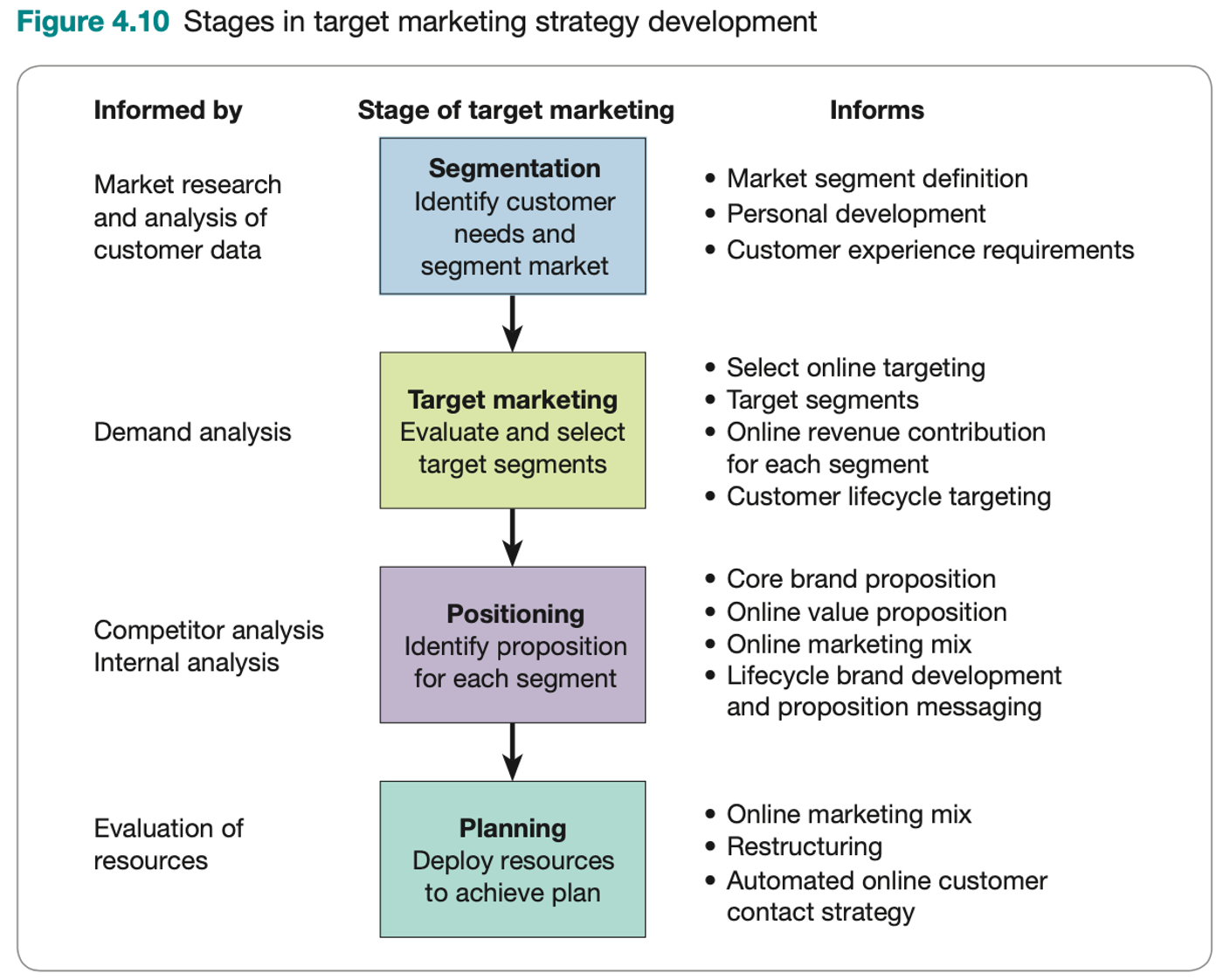
Identify Your Target Audience
Knowing precisely who you are trying to reach is non-negotiable. Generic messaging appeals to no one.
- Demographics: Basic data like age, gender, income, education, occupation, and location.
- Psychographics: Deeper insights into your audience’s values, attitudes, interests, lifestyles, and personality traits.
- Behavioral Data: How do they interact with products, services, or content similar to yours? What are their purchasing habits, brand loyalties, and usage patterns?
- Pain Points and Needs: What challenges do they face that your brand can address? What desires or aspirations do they have that your brand can fulfill?
- Buyer Personas: Create detailed, semi-fictional representations of your ideal customers based on your research. Give them names, backstories, and specific needs to humanize your target and make it easier to tailor your messaging.
Crafting Your Core Strategy: The Marketing Mix
With a solid foundation in place, the next step is to define the core elements of your marketing strategy, often referred to as the 4 Ps: Product, Price, Place, and Promotion. These elements are interdependent and must work in harmony to deliver a cohesive brand experience.
Product/Service Strategy
This involves defining what you are offering and how it meets customer needs.
- Product Features and Benefits: Clearly articulate what your product or service does and, more importantly, the value it provides to the customer. Focus on benefits, not just features.
- Brand Positioning: How do you want your brand and its offerings to be perceived in the market relative to competitors? This is about carving out a unique space in the customer’s mind.
- Brand Differentiation: What makes your offering unique or superior? This could be quality, innovation, customer service, design, or a specific niche focus.
- Product Life Cycle Stage: Is your product in introduction, growth, maturity, or decline? This influences marketing priorities, from building awareness to defending market share.
Pricing Strategy
Determining the right price point is crucial for profitability and market perception.
- Cost-Plus Pricing: Based on production costs plus a desired profit margin.
- Value-Based Pricing: Based on the perceived value of the product to the customer.
- Competitive Pricing: Benchmarking against competitor prices.
- Penetration Pricing: Setting a low initial price to gain market share quickly.
- Skimming Pricing: Setting a high initial price for innovative products to capture early adopters.
- Consider psychological pricing (e.g., $9.99 instead of $10) and discount strategies (e.g., volume discounts, seasonal sales). Your pricing must align with your brand’s positioning.
Place/Distribution Strategy
This element defines how and where your product or service will be made available to your target audience.
- Channels: Will you use direct sales, online stores (e-commerce), retail partners, wholesalers, or a combination?
- Reach and Coverage: How widely do you need to distribute your product to meet customer demand?
- Logistics: How will products be stored, transported, and delivered efficiently?
- Customer Experience: How does your distribution strategy contribute to or detract from the overall customer experience? For services, this might involve accessibility, ease of booking, or service delivery locations.

Promotion Strategy (The Communication Plan)
This is where you communicate your brand’s value to your target audience. It encompasses all your marketing communications efforts.
- Key Messaging: What core messages do you want to convey about your brand and its offerings? These should be consistent across all channels.
- Communication Channels: Which channels will you use to reach your audience? This could include:
- Content Marketing: Blogs, articles, videos, infographics, e-books.
- Social Media Marketing: Organic and paid strategies on platforms relevant to your audience.
- Search Engine Optimization (SEO): Optimizing your online content for search engines.
- Paid Advertising: Google Ads, social media ads, display ads, print ads.
- Email Marketing: Newsletters, promotional emails, lead nurturing sequences.
- Public Relations (PR): Media outreach, press releases, influencer marketing.
- Event Marketing: Trade shows, webinars, product launches.
- Integrated Marketing Communications (IMC): Ensure all promotional activities are coordinated and consistent, delivering a unified brand message across all touchpoints.
Implementation and Execution: Bringing the Plan to Life
A brilliant strategy is only as good as its execution. This phase translates your strategic decisions into actionable steps with clear responsibilities and resources.
Set Clear KPIs and Metrics
For each marketing goal, define specific Key Performance Indicators (KPIs) that will allow you to measure progress and success.
- Awareness: Website traffic, social media reach, brand mentions, impressions.
- Engagement: Click-through rates, time on page, social media interactions, email open rates.
- Conversion: Lead generation, sales, sign-ups, downloads.
- Customer Retention: Repeat purchases, customer lifetime value, churn rate.
Regularly tracking these metrics is vital for understanding what’s working and what isn’t.
Allocate Resources and Budget
Marketing activities require investment. A detailed budget breakdown ensures that funds are allocated strategically across different channels and campaigns.
- Budgeting Methods: Percentage of sales, competitive parity, objective and task method.
- Resource Allocation: Assigning staff, technology, and time to specific marketing initiatives.
- Cost-Benefit Analysis: Prioritize activities that promise the highest return on investment (ROI) or align most closely with critical brand goals.
Develop a Timeline and Responsibilities
A project plan with clear deadlines and assigned ownership is essential for efficient execution.
- Gantt Charts: Visual timelines can help manage complex projects.
- Milestones: Break down large goals into smaller, manageable milestones.
- Roles and Responsibilities: Clearly define who is responsible for each task, ensuring accountability and preventing duplication of effort.
- Cross-Functional Collaboration: Marketing plans often require input and execution from sales, product development, and customer service teams. Foster seamless collaboration.
Monitoring, Evaluation, and Adaptation
The market is dynamic, and a successful marketing plan must be agile. Continuous monitoring and evaluation are critical for staying relevant and effective.
Regular Performance Review
Schedule consistent reviews of your marketing performance against your established KPIs and goals.
- Data Analysis: Go beyond surface-level numbers. Dive into analytics to understand why certain results occurred.
- Reporting: Create clear, concise reports that highlight key findings, successes, and areas for improvement. Share these with relevant stakeholders.
Adjusting to Market Dynamics
The external environment is constantly shifting. Be prepared to adapt your plan.
- Competitor Actions: Monitor competitor strategies and be ready to respond.
- Consumer Behavior Changes: Track shifts in customer preferences, purchasing habits, or digital consumption.
- Technological Advancements: Leverage new tools or platforms that can enhance your marketing efforts.
- Economic Shifts: Adjust strategies during recessions or boom periods.
The Iterative Nature of Marketing Planning
A marketing plan is not a static document. It’s an iterative process of planning, execution, measurement, and refinement.
- Learn and Optimize: Use insights gained from performance reviews to optimize ongoing campaigns and inform future strategies.
- Feedback Loops: Establish mechanisms for collecting feedback from customers, sales teams, and other internal stakeholders.
- Annual Review and Refresh: Conduct a major review of your entire marketing plan annually (or more frequently if your industry demands it) to realign with overarching brand strategy and evolving market conditions.
By meticulously following these steps, brands can construct a robust, actionable marketing plan that not only outlines what to do but also provides the strategic framework for achieving sustainable growth and building lasting customer relationships.
aViewFromTheCave is a participant in the Amazon Services LLC Associates Program, an affiliate advertising program designed to provide a means for sites to earn advertising fees by advertising and linking to Amazon.com. Amazon, the Amazon logo, AmazonSupply, and the AmazonSupply logo are trademarks of Amazon.com, Inc. or its affiliates. As an Amazon Associate we earn affiliate commissions from qualifying purchases.