
As retirement approaches or even as you begin to enjoy your golden years, a common and critical question arises for many individuals: “How much can I earn and still draw Social Security?” The misconception that working after claiming Social Security benefits automatically leads to a complete loss of those benefits deters many from pursuing meaningful part-time work, side hustles, or even continuing their careers. The reality, however, is far more nuanced and offers significant flexibility for those who understand the rules.
Navigating the intricacies of Social Security’s earning limits is crucial for maximizing your retirement income. It’s a balance between continuing to contribute professionally, whether out of necessity or desire, and ensuring you receive the benefits you’ve earned throughout your working life. This comprehensive guide will demystify the Social Security Retirement Earnings Test, explain how earning limits work, clarify what income counts, and offer strategic insights to help you plan your financial future effectively.
The Core Concept: Social Security’s Retirement Earnings Test
At the heart of the question “how much can I earn and still draw Social Security?” lies the Retirement Earnings Test (RET). This test is the mechanism the Social Security Administration (SSA) uses to determine if your earnings exceed certain thresholds, which, in turn, can affect the amount of your Social Security benefits before you reach your Full Retirement Age (FRA).
What is the Retirement Earnings Test (RET)?
The Retirement Earnings Test is an income threshold that, if exceeded, will result in a temporary reduction of your Social Security benefits. It’s specifically designed to apply to individuals who are receiving Social Security benefits before they reach their Full Retirement Age (FRA). The underlying principle is that Social Security retirement benefits are primarily intended to replace lost income due to retirement, not to supplement full-time wages for those who are still considered “actively working” in the traditional sense, prior to their FRA.
It’s vital to understand that this test applies to earned income – wages from employment or net earnings from self-employment. It does not apply to other forms of income, which we will delve into later. The purpose isn’t to punish you for working, but rather to ensure benefits are allocated as intended. The good news is that any benefits withheld due to the RET are not lost forever; they typically lead to a recalculation of your benefits at your FRA, resulting in higher monthly payments going forward.
Distinguishing Between Before and After Full Retirement Age (FRA)
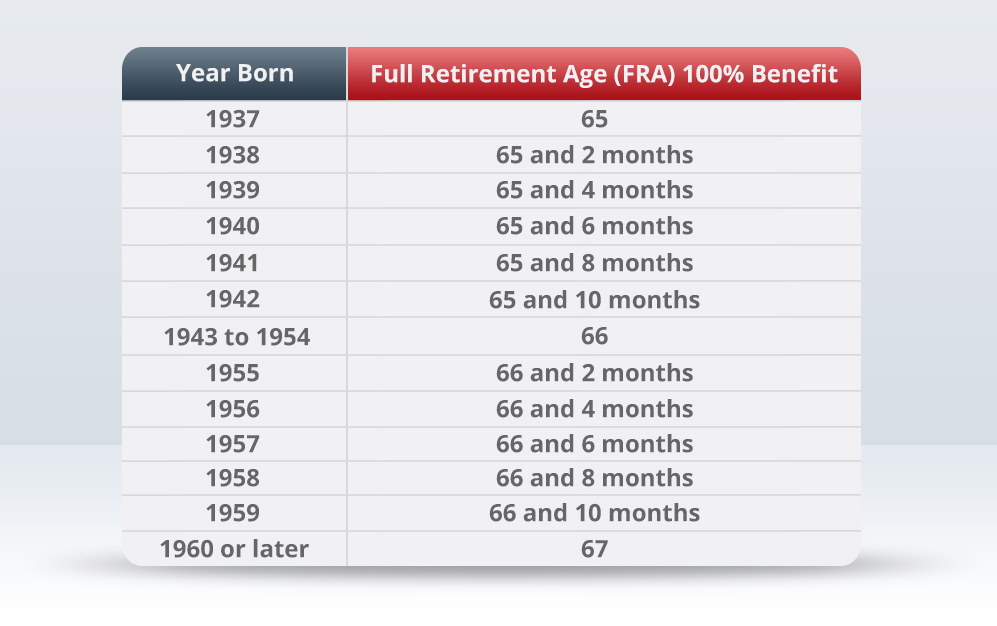
The most critical distinction when discussing Social Security earning limits is whether you are before, in the year you reach, or at/after your Full Retirement Age (FRA). Your FRA is determined by your birth year and is the age at which you are entitled to receive 100% of your primary insurance amount (PIA). For those born in 1943 through 1954, FRA is 66. For those born between 1955 and 1959, FRA gradually increases. For those born in 1960 or later, FRA is 67.
- Before FRA: This is when the strictest earning limits apply. If you claim benefits early (as early as age 62) and continue to work, your earnings will be subject to the RET.
- In the Year You Reach FRA: A special, more generous set of rules applies during the calendar year you attain your FRA. This period has a higher earning limit and a different withholding calculation before the month of your FRA.
- At or After FRA: Once you reach your Full Retirement Age, the Retirement Earnings Test no longer applies. You can earn any amount of money without your Social Security benefits being reduced due to your earnings. This is a crucial point that many people misunderstand.
Understanding your specific Full Retirement Age is the first step in strategically planning your work and benefit claiming strategy. The rules shift significantly depending on where you stand relative to this age marker.
Earning Limits Before Your Full Retirement Age
For individuals who begin drawing Social Security benefits before they reach their Full Retirement Age, the SSA imposes specific annual earning limits. Exceeding these limits will result in a temporary reduction of your monthly benefits.
The Annual Thresholds: How Much Can You Earn?
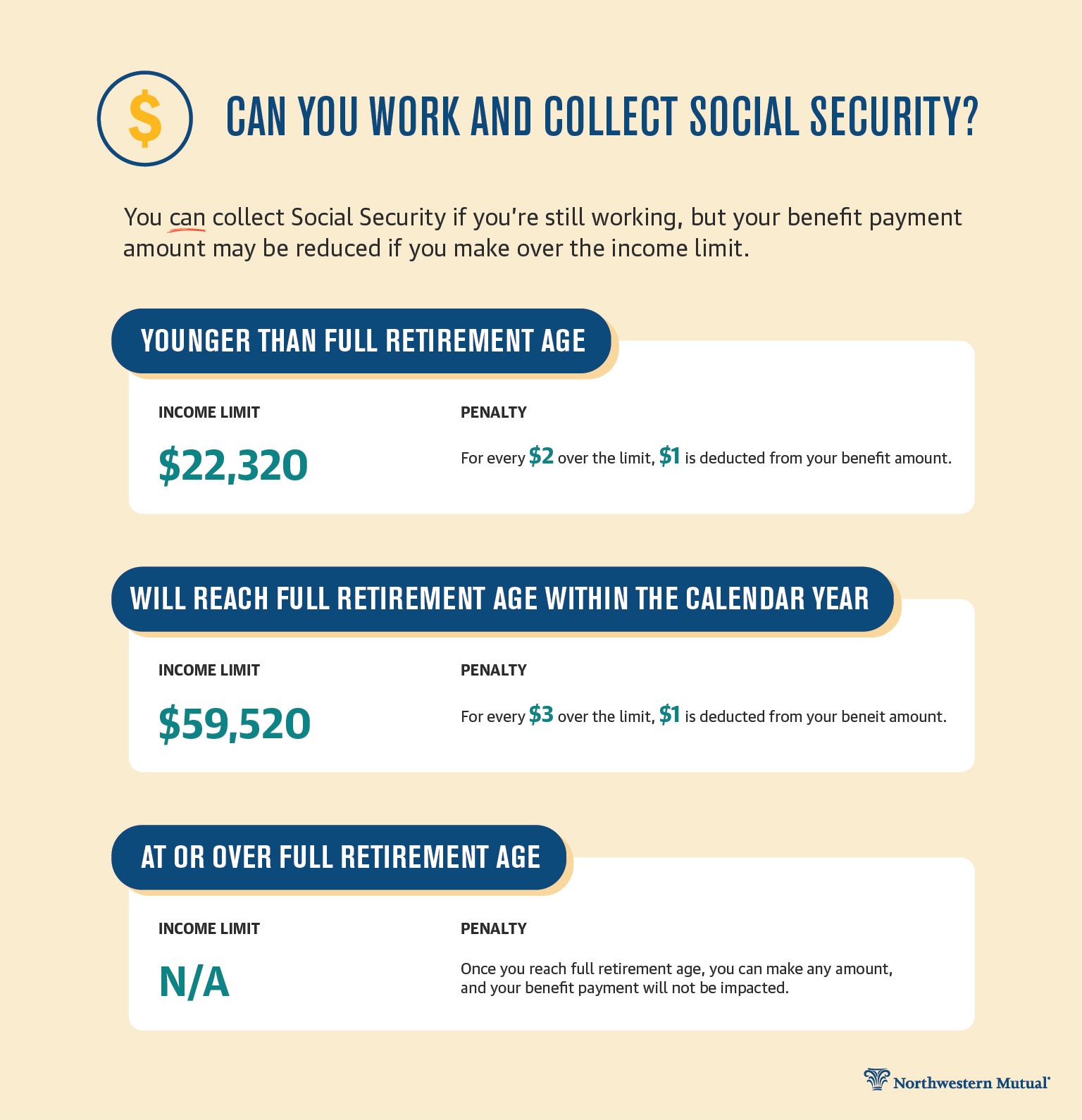
The specific earning limits are adjusted annually for inflation. For example, for years prior to the year you reach your FRA, the limit might be around $22,320 (as of 2024). This means if you earn above this amount, your benefits will be reduced. It’s imperative to check the most current figures on the SSA website (ssa.gov) as these numbers change each year.
The key takeaway here is that these limits are annual. It doesn’t matter how you earn it (e.g., all in one month, or spread throughout the year); what matters is your total earned income for the calendar year.
Understanding the Withholding Mechanism
If your earnings exceed the annual limit before your FRA, the SSA will withhold $1 in benefits for every $2 you earn over the limit. This withholding can be applied to your monthly benefit payments. For instance, if you exceed the limit by $1,000, $500 will be withheld from your total annual benefits.
The SSA typically withholds entire checks until the total amount of benefits withheld equals the amount required by the earnings test. They don’t usually reduce each monthly check by a small amount, but rather stop payments until the excess is accounted for. For example, if you’re due $1,000 per month and need $1,500 withheld, they might withhold two checks and then resume payments, adjusting for the over-withholding. It’s crucial to report your estimated earnings to the SSA so they can adjust your payments accordingly and avoid overpayments that you might later have to repay.
The Year You Reach Your Full Retirement Age: A Special Rule
The calendar year in which you reach your Full Retirement Age has a higher earning limit and a different withholding rule, which is more favorable to beneficiaries. For example, for 2024, the limit for the year you reach FRA is $59,520. In this special year, the SSA withholds $1 in benefits for every $3 you earn above the limit. This rule applies only to earnings before the month you reach your FRA. Once you hit your FRA month, the earnings test disappears entirely.
This higher limit and more lenient withholding ratio mean you have greater flexibility to work during the transition period leading up to your official Full Retirement Age. It’s a critical planning point for anyone approaching their FRA while continuing to work.
Beyond Full Retirement Age: Freedom from Earning Limits
This is perhaps the most liberating aspect of Social Security benefits for those who wish to continue working: once you reach your Full Retirement Age, the Retirement Earnings Test effectively ceases to exist.
The “Sweet Spot”: Working Without Benefit Reduction
Upon reaching your Full Retirement Age, you can earn as much as you want from wages or self-employment, and your Social Security benefits will not be reduced. Your monthly payments will continue without any deduction due to your earnings. This is often referred to as the “sweet spot” because it allows retirees to supplement their benefits with unlimited earned income without penalty.
Many individuals choose to continue working part-time or even full-time past their FRA, either for financial reasons, personal fulfillment, or to remain socially engaged. Understanding that their Social Security benefits are secure, regardless of their earnings, provides immense peace of mind and financial flexibility. This also makes delaying the claim for benefits even more attractive for those who can afford it, as benefits grow by a certain percentage each year past your FRA until age 70.
Why Your Benefits Aren’t Lost Forever
A common misconception is that if your benefits are withheld due to the earnings test before your FRA, those benefits are gone forever. This is not true. While the benefits are withheld temporarily, the SSA keeps track of these withheld amounts.
When you reach your Full Retirement Age, the SSA recalculates your benefit amount to give you credit for the months of benefits that were withheld. This means your future monthly benefit payments will be permanently increased. Essentially, the SSA acts as if you had delayed claiming your benefits for those months, leading to a higher monthly payment for the rest of your life. This adjustment effectively compensates you for the earlier reduction, often making the temporary withholding more palatable. It’s a powerful feature that turns a temporary penalty into a long-term gain, emphasizing that Social Security aims to be a safety net, not a punitive system for those who choose to remain productive.
What Income Counts (and What Doesn’t)
Not all income sources are treated equally when it comes to the Social Security Retirement Earnings Test. Understanding what counts as “earnings” is fundamental to planning your work and retirement strategy.
Countable Earnings: Wages and Net Self-Employment Income
The Retirement Earnings Test only applies to “earned income.” This primarily includes:
- Wages from Employment: Any income you receive from an employer for your work, typically reported on a W-2 form, is considered earned income. This includes salaries, bonuses, commissions, and severance pay that is considered wages.
- Net Earnings from Self-Employment: If you work for yourself (e.g., as a freelancer, consultant, small business owner), your net earnings from self-employment are considered earned income. This is calculated after deducting your legitimate business expenses, similar to how it’s calculated for income tax purposes. The SSA will use your reported Schedule SE (Form 1040) information.
It’s crucial to correctly track and report these types of income to the SSA to ensure accurate benefit calculations and avoid any overpayment situations.
Non-Countable Income: Pensions, Investments, and More
A wide array of income sources are not subject to the Social Security Retirement Earnings Test. This is a critical distinction that offers significant financial planning opportunities. These non-countable income types include:
- Pension Payments: Income from private pensions, government pensions, or military pensions does not count against your Social Security earnings limit.
- Annuities: Payments received from an annuity are considered investment income, not earned income.
- Investment Income: This includes dividends from stocks, interest from bonds or savings accounts, capital gains from selling assets, and rental income from properties (unless you are actively managing the property as a business).
- IRA and 401(k) Distributions: Withdrawals from traditional IRAs, 401(k)s, 403(b)s, Roth IRAs, and similar retirement accounts are generally not considered earned income.
- Government Benefits: Most other government benefits, such as veteran’s benefits or workers’ compensation, do not count.
- Gifts or Inheritances: These are not considered earned income.
This distinction is vital for financial planning. It means you can have substantial income from investments, pensions, or retirement accounts while simultaneously receiving full Social Security benefits, even before your FRA, as long as your earned income stays within the limits. This knowledge allows retirees to diversify their income streams strategically.
Strategic Considerations for Maximizing Your Retirement Income
Understanding the rules is one thing; applying them strategically to your unique financial situation is another. Effective planning can significantly impact your overall retirement income.
The Advantage of Delaying Benefits
While the focus here is on earning while drawing Social Security, it’s worth reiterating the power of delaying your benefit claim. For every year you delay claiming benefits past your Full Retirement Age, up to age 70, your monthly benefit amount increases by a certain percentage (currently 8% per year). If you are able to work past your FRA and don’t need the Social Security income immediately, delaying your claim allows your benefits to grow substantially, providing a higher, guaranteed income stream for the rest of your life.
This strategy can be particularly powerful if you continue to work past your FRA because, as discussed, there are no earning limits. You can earn an unlimited amount from your job while simultaneously allowing your future Social Security payments to increase significantly.
The Importance of Accurate Reporting
The responsibility for reporting your earnings accurately to the Social Security Administration falls on you. If you expect to earn above the annual limit before your FRA, it’s best to inform the SSA of your estimated earnings. They can then adjust your monthly payments to avoid overpayments. Overpayments can lead to the SSA requesting you repay the excess benefits, which can be a significant financial burden.
Similarly, if your earnings change throughout the year (e.g., you stop working mid-year), you should update the SSA. Being proactive and transparent with the SSA will save you potential headaches and financial complications down the line.
Integrating Social Security with Your Broader Financial Plan
Social Security is an important pillar of retirement income, but it’s rarely the only one. Your ability to earn while drawing benefits should be integrated into your broader financial plan, which includes your savings, investments, pensions, and other income sources.
Consider the tax implications as well. Depending on your combined income (including half of your Social Security benefits plus your other taxable income), a portion of your Social Security benefits may become taxable. Working more can push your combined income into a taxable range, so understanding your marginal tax bracket and planning for potential Social Security taxation is critical.
A comprehensive financial plan often involves consulting with a qualified financial advisor who specializes in retirement planning. They can help you model different scenarios, such as working part-time versus full-time, delaying benefits versus claiming early, and optimizing your various income streams to achieve your desired retirement lifestyle while adhering to Social Security regulations and minimizing tax liabilities.
Conclusion
The question “how much can I earn and still draw Social Security?” reveals a crucial area of personal finance that many retirees and pre-retirees grapple with. The answer is not a simple yes or no, but rather a dynamic set of rules influenced by your age relative to your Full Retirement Age and the type of income you earn.
Before your Full Retirement Age, earning limits apply, and benefits may be temporarily withheld, though these withheld benefits lead to higher payments in the future. Crucially, once you reach your Full Retirement Age, you can earn an unlimited amount without any reduction to your Social Security benefits. Moreover, only earned income (wages and net self-employment) counts against the limits, leaving investment income, pensions, and other sources unaffected.
By understanding these distinctions and strategically planning your work and benefit claiming decisions, you can effectively manage your finances to support a comfortable and fulfilling retirement. Whether you choose to work for financial stability, personal enjoyment, or a blend of both, knowing how Social Security integrates with your working life empowers you to make informed choices for a secure financial future. Always refer to the official Social Security Administration website or consult with a financial professional for the most current information and personalized advice.
aViewFromTheCave is a participant in the Amazon Services LLC Associates Program, an affiliate advertising program designed to provide a means for sites to earn advertising fees by advertising and linking to Amazon.com. Amazon, the Amazon logo, AmazonSupply, and the AmazonSupply logo are trademarks of Amazon.com, Inc. or its affiliates. As an Amazon Associate we earn affiliate commissions from qualifying purchases.