
Understanding and accurately determining your income is not merely an exercise in accounting; it is the bedrock of sound financial health, enabling effective budgeting, strategic investing, and informed decision-making. Whether you are a salaried employee, a burgeoning freelancer, a seasoned business owner, or someone juggling multiple income streams, grasping the nuances of income determination is paramount. This guide delves into the methodologies, distinctions, and best practices for accurately assessing your financial inflows, providing you with the clarity needed to navigate your economic landscape with confidence.
The journey to financial mastery begins with a clear picture of what you earn. Without this fundamental insight, setting realistic financial goals, planning for the future, or even managing day-to-day expenses becomes a guessing game. From distinguishing between gross and net figures to meticulously tracking diverse revenue sources, we will explore the comprehensive process of establishing your true financial capacity.
Understanding the Fundamentals of Income
Before diving into the specifics of calculation, it’s crucial to establish a shared understanding of what constitutes “income” and the fundamental distinctions that shape its determination. This foundational knowledge empowers individuals and businesses to categorize earnings correctly, which is vital for both financial planning and tax compliance.
Defining Gross vs. Net Income
One of the most critical distinctions in income determination is between gross income and net income. This differentiation applies across various income types, from employment wages to business revenue.
- Gross Income: This refers to the total amount of money earned before any deductions, taxes, or expenses are taken out. For an employee, gross income is your total salary or wages before taxes, insurance premiums, retirement contributions, or other deductions. For a business or freelancer, gross income is the total revenue generated from sales or services before any operating costs, taxes, or other business expenses are subtracted. It represents the top-line figure of your earnings.
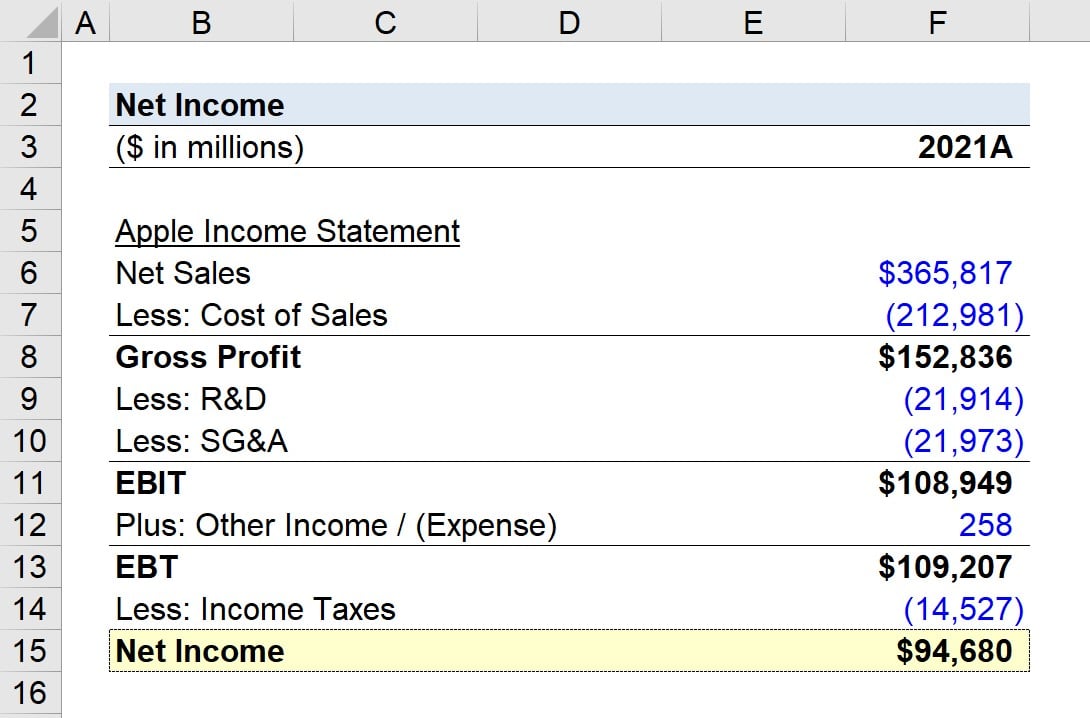
- Net Income: Also known as “take-home pay” for employees or “profit” for businesses, net income is the amount of money remaining after all mandatory and voluntary deductions, taxes, and expenses have been subtracted from your gross income. For employees, this is what you actually receive in your bank account. For businesses, it’s the profit left after all costs of doing business have been accounted for. Net income is often the figure that dictates how much disposable income you have for spending, saving, or investing. Understanding your net income is crucial for budgeting and everyday financial management.
Diverse Income Streams
Income rarely comes from a single, monolithic source in today’s dynamic economy. Individuals and entities often generate earnings from a variety of channels, each requiring a specific approach to determination. Recognizing and accurately accounting for these diverse streams is key to a holistic financial assessment.
- Employment Income: This is the most common form of income, derived from a salary or hourly wages paid by an employer. It typically involves regular paychecks, and income determination is relatively straightforward using pay stubs, W-2 forms (in the US), or similar tax documents.
- Self-Employment/Business Income: For freelancers, independent contractors, consultants, and business owners, income is generated through services rendered or goods sold. This category is more complex as it involves tracking revenue, deducting business expenses, and often dealing with irregular payments. Income here is determined by total revenue minus allowable business expenses.
- Investment Income: Earnings generated from capital assets. This includes dividends from stocks, interest from savings accounts or bonds, rental income from properties, and capital gains from the sale of assets like stocks or real estate. Each type of investment income has its own reporting requirements and tax implications.
- Passive Income: Income earned with minimal ongoing effort, often after an initial investment of time or money. Examples include royalties from intellectual property, rental income (if managed passively), affiliate marketing earnings, or profits from automated online businesses.
- Other Income Sources: This can include social security benefits, alimony, child support, lottery winnings, gambling income, and even certain types of gifts or grants. It’s important to be aware of how these are treated for tax purposes and financial planning.
The Importance of Accurate Income Assessment
The meticulous determination of income is not just an administrative task; it underpins nearly every aspect of financial planning and stability. Its accuracy directly impacts your ability to make sound financial decisions and avoid potential pitfalls.
- Budgeting and Financial Planning: A precise understanding of your net income is the absolute prerequisite for creating a realistic and effective budget. It allows you to allocate funds for expenses, savings, debt repayment, and investments without overstretching your resources. Without accurate income figures, any budget is merely hypothetical.
- Loan and Credit Qualification: Lenders heavily rely on your documented income to assess your creditworthiness and repayment capacity. Whether applying for a mortgage, car loan, or personal loan, an accurate and verifiable income history is crucial for approval and favorable interest rates.
- Tax Planning and Compliance: Correctly determining your income is fundamental for accurate tax reporting. Miscalculating income can lead to underpayment (resulting in penalties and interest) or overpayment (missing out on potential refunds). Understanding different income types also helps in identifying eligible deductions and credits.
- Goal Setting and Savings: From saving for a down payment to retirement planning, knowing your income helps you set achievable savings goals and track progress towards them. It empowers you to project future financial scenarios and make strategic adjustments.
Methods for Calculating Your Income
Once you understand the different types of income, the next step is to master the practical methods for calculating them. The approach varies significantly depending on your employment status and the nature of your earnings.
For Salaried Employees
Determining income for salaried employees is generally the most straightforward, primarily because employers handle many of the calculations and deductions.
- Utilize Pay Stubs: Your pay stub (or earnings statement) is your primary document for income determination. It clearly lists your gross wages, itemizes all deductions (federal, state, and local taxes, Social Security, Medicare, health insurance premiums, retirement contributions, etc.), and shows your net pay for that period.
- Review W-2 Forms (US): At the end of the year, your employer will provide a W-2 form, which summarizes your total gross wages, taxable wages, and all federal and state taxes withheld for the entire year. This document is essential for filing your income taxes and serves as a definitive annual income record.
- Calculate Annual Income: If paid bi-weekly, multiply your gross pay per period by 26 (the number of pay periods in a year). If paid semi-monthly, multiply by 24. For monthly pay, multiply by 12. Remember to distinguish between your total gross annual income and your total net annual income (what you actually took home after all deductions).
For Freelancers and Business Owners
Income determination for self-employed individuals and business owners requires a more proactive and detailed approach, as there’s no employer to do the heavy lifting.
- Track All Revenue: Meticulously record every payment received for services or products. This includes client payments, sales receipts, and any other inflows related to your business activities. Use invoicing software, spreadsheets, or accounting platforms to maintain a clear record.
- Document All Business Expenses: This is critical for accurately determining your net income (profit) and for tax purposes. Keep detailed records of all allowable business expenses, such as software subscriptions, office supplies, marketing costs, travel, professional development, and contractor payments.
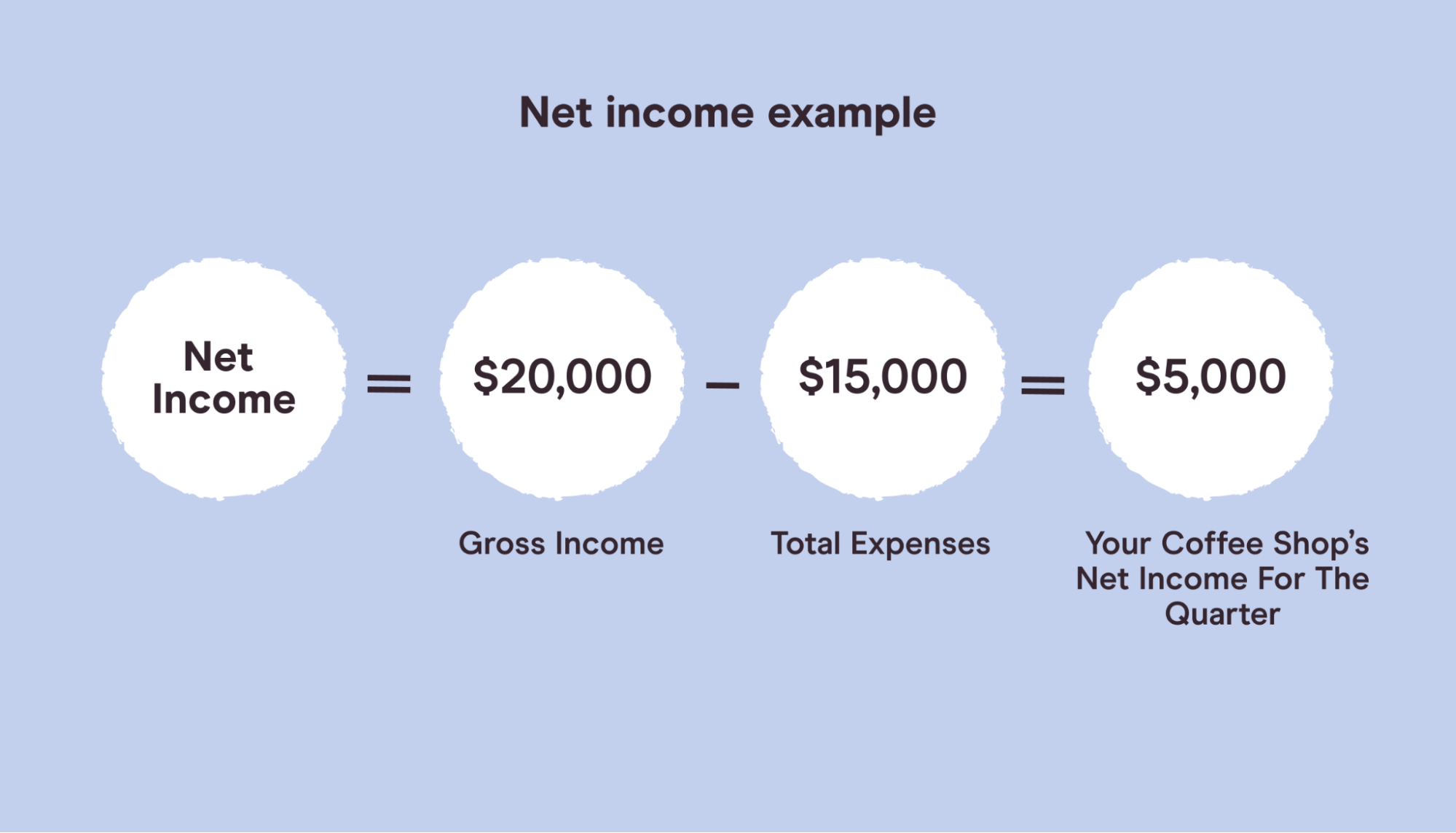
- Calculate Gross Income (Revenue) – Total Expenses = Net Income (Profit): Your gross income is the total sum of all revenue before any deductions. Subtract your total business expenses from your gross income to arrive at your net income. This is the figure on which your self-employment taxes and income taxes will largely be based.
- Quarterly Tax Estimates: Because taxes aren’t withheld from self-employment income, you’ll typically need to make estimated tax payments quarterly to cover income tax and self-employment taxes (Social Security and Medicare contributions). Accurate income determination is vital for calculating these payments.
Investment and Other Income
Income derived from investments and other sources also needs to be systematically accounted for.
- Investment Income:
- Dividends and Interest: Banks and brokerage firms will send you statements (e.g., 1099-INT for interest, 1099-DIV for dividends) summarizing your annual earnings.
- Rental Income: Track all rent collected, subtract allowable landlord expenses (mortgage interest, property taxes, repairs, depreciation, insurance) to determine net rental income.
- Capital Gains/Losses: When you sell an asset (stocks, real estate) for more than you paid for it, you realize a capital gain. If you sell for less, it’s a capital loss. Your brokerage statements or real estate closing documents will provide the necessary figures for cost basis and sales proceeds.
- Other Income: For items like social security benefits, alimony, or gambling winnings, you’ll usually receive specific tax forms (e.g., SSA-1099 for Social Security) or need to maintain your own records.
Tools and Strategies for Income Tracking
Effective income determination is greatly enhanced by adopting robust tracking tools and strategies. The right approach can simplify the process, minimize errors, and provide real-time insights into your financial standing.
Digital Tools and Software
Modern technology offers a plethora of options for streamlining income tracking, catering to different needs and complexities.
- Budgeting Apps: Many popular personal finance apps (e.g., Mint, YNAB, Personal Capital) allow you to link your bank accounts and credit cards, automatically categorizing transactions and providing an overview of your income and expenses. These are excellent for personal income determination and budgeting.
- Accounting Software: For freelancers and small businesses, dedicated accounting software (e.g., QuickBooks, Xero, FreshBooks) is invaluable. These platforms enable you to send invoices, track payments, categorize expenses, reconcile bank accounts, and generate comprehensive financial reports (like profit and loss statements) that clearly show your income.
- Spreadsheets: For those comfortable with a DIY approach, spreadsheets (e.g., Excel, Google Sheets) offer immense flexibility. You can create custom templates to log all income sources, track expenses, and perform calculations. Many free templates are available online to get you started.
- Payment Processing Platforms: If you accept payments through platforms like PayPal, Stripe, or Square, these services often provide detailed transaction histories and reporting features that can help summarize your gross income from sales or services.
Manual Tracking Methods

While digital tools are powerful, sometimes simpler, manual methods can be effective, especially for tracking cash transactions or for those who prefer a hands-on approach.
- Notebooks/Ledgers: A simple notebook or a physical ledger can be used to manually record every income inflow and outflow. This method requires discipline but provides a tangible record.
- Receipt Organization: For physical receipts, establishing a clear filing system (e.g., by month, by category) is crucial. Digital scanning apps can help convert physical receipts into digital records, making them easier to store and search.
The Role of Documentation
Regardless of the tools you use, thorough documentation is the cornerstone of accurate income determination. Without proper records, your calculations are merely guesswork.
- Retain All Pay Stubs and W-2s/1099s: These documents are essential for tax filing and proving your income for various financial applications.
- Keep Invoices and Receipts: For self-employed individuals and businesses, invoices sent to clients and receipts for all business expenses are non-negotiable. They validate your income and justify your expense deductions.
- Maintain Bank and Brokerage Statements: These statements provide an official record of all transactions, including income deposits, interest earned, dividends received, and investment activity. Reconciling your own records with bank statements helps catch errors and provides an independent verification of your income.
- Contracts and Agreements: For project-based work, rental agreements, or investment contracts, these documents outline the terms of your income generation and can serve as proof of expected or received earnings.
Common Challenges and Pitfalls
While the principles of income determination seem straightforward, several challenges and pitfalls can complicate the process, particularly for those with non-traditional income sources. Awareness of these issues is the first step toward overcoming them.
Irregular Income
One of the most significant challenges arises when income is not fixed or salaried. This applies to freelancers, gig workers, commissioned sales professionals, or seasonal employees.
- Fluctuating Earnings: The unpredictability of income makes it difficult to budget and plan. A common pitfall is overestimating future income during prosperous months, leading to financial strain in leaner periods.
- Solution: Establish a buffer fund for lean months. Base your budget on your average or lowest expected monthly income, rather than your highest. Consider setting aside a percentage of every payment received for taxes and a rainy-day fund. Tools that track income trends can help identify patterns over time.
Overlooking Minor Income Sources
It’s easy to focus solely on the primary source of income and neglect smaller, less frequent inflows. However, these can add up significantly over time.
- Examples: Small amounts of interest from savings accounts, cash gifts, proceeds from selling old items online, small payouts from survey sites, or even reimbursed expenses that are not truly expenses but extra income if not accounted for correctly.
- Pitfall: Dismissing these as negligible can lead to an incomplete picture of your total financial capacity and potential tax compliance issues if they are taxable.
- Solution: Implement a system to track all inflows, no matter how small. Link all bank accounts to your budgeting software, or make a habit of noting down every cash income.
Confusing Revenue with Profit (for Businesses/Freelancers)
A common and critical error for self-employed individuals and business owners is failing to distinguish between gross revenue and net profit.
- Revenue: The total amount of money generated from sales or services before any expenses are deducted.
- Profit: The amount of money left after all business expenses are paid.
- Pitfall: Operating under the assumption that all revenue is “income” available for personal use can quickly lead to financial distress, insufficient funds for taxes, or an inability to cover operating costs.
- Solution: Always track business expenses meticulously. Understand that a significant portion of your revenue must be reserved for operating costs, taxes, and reinvestment before you can determine your true “take-home” income from the business. Utilize accounting software to generate accurate profit and loss statements regularly.
Leveraging Income Determination for Financial Growth
Accurately determining your income is not an end in itself but a powerful means to achieve broader financial goals. By leveraging this fundamental insight, you can strategically plan, manage, and grow your wealth.
Budgeting and Financial Planning
The most immediate and impactful use of accurate income determination is in creating and adhering to a realistic budget.
- Allocate Resources Effectively: Knowing your net income allows you to consciously decide how much to spend on necessities, allocate to savings, invest, and use for discretionary spending. This prevents overspending and ensures you live within your means.
- Set Realistic Goals: Whether saving for a down payment, a child’s education, or retirement, your income dictates what’s achievable and how quickly. Accurate figures help you set concrete, measurable financial goals.
- Identify Spending Leaks: By comparing your income against your expenses, you can pinpoint areas where you might be overspending and make adjustments to free up more money for savings or debt repayment.
Debt Management and Loan Qualification
Your income plays a pivotal role in managing existing debt and qualifying for new credit.
- Assess Repayment Capacity: A clear understanding of your income helps you determine how much you can realistically allocate to debt payments each month, preventing overcommitment and potential default.
- Debt-to-Income Ratio: Lenders use your debt-to-income (DTI) ratio to assess your ability to manage monthly payments and repay new loans. A lower DTI ratio, derived from accurate income figures, generally leads to better loan terms and higher approval chances.
- Strategic Debt Repayment: Knowing your disposable income allows you to create a strategic plan for paying down high-interest debts more aggressively, accelerating your journey to financial freedom.
Tax Planning and Compliance
Accurate income determination is the cornerstone of responsible tax planning and ensures compliance with tax laws.
- Accurate Tax Reporting: Every dollar of income needs to be reported correctly to the relevant tax authorities. Meticulous tracking prevents errors that could lead to audits, penalties, or missed deductions.
- Proactive Tax Management: For the self-employed, knowing your income and expenses helps you calculate and set aside funds for estimated quarterly taxes, avoiding a large, unexpected tax bill at year-end.
- Identify Tax-Saving Opportunities: Understanding your income sources and their specific tax treatments (e.g., qualified dividends vs. ordinary dividends, long-term vs. short-term capital gains) can help you optimize your tax strategy and take advantage of available deductions and credits.
Identifying Opportunities for Income Growth
Beyond managing current income, the process of determining it can illuminate pathways to increasing your earnings.
- Analyze Income Streams: By regularly reviewing your various income sources, you can identify which are most lucrative and which require more effort for diminishing returns. This insight can guide decisions on where to invest more time or capital.
- Spot Underutilized Skills: Perhaps a side project is showing unexpected income potential, suggesting it could be scaled up.
- Negotiation Power: For salaried employees, a clear understanding of your total compensation (including benefits and bonuses) can strengthen your position when negotiating salary raises or new job offers.
In conclusion, the practice of determining income is far more than a simple calculation; it is a critical skill for anyone seeking financial autonomy and growth. By diligently tracking, categorizing, and analyzing your earnings, you lay a robust foundation for informed decision-making, effective planning, and ultimately, a more secure and prosperous financial future. Embrace this essential discipline, and unlock the full potential of your financial journey.
aViewFromTheCave is a participant in the Amazon Services LLC Associates Program, an affiliate advertising program designed to provide a means for sites to earn advertising fees by advertising and linking to Amazon.com. Amazon, the Amazon logo, AmazonSupply, and the AmazonSupply logo are trademarks of Amazon.com, Inc. or its affiliates. As an Amazon Associate we earn affiliate commissions from qualifying purchases.