
American Express cards, distinctive in their offerings and brand presence, also stand out in a more subtle yet fundamental way: the structure of their primary account numbers. While most major credit card networks globally adhere to a 16-digit format, American Express has historically maintained a unique 15-digit sequence. This seemingly minor difference carries significant implications for financial systems, security protocols, and consumer understanding, placing it squarely within the realm of personal and business finance.
Decoding the American Express Card Number Structure
At its core, a credit card number is more than just a random string of digits; it’s a carefully structured identifier designed to facilitate secure transactions, route payments, and verify card authenticity. The 15-digit format of an American Express card is a prime example of this intricate design, each segment playing a critical role in the financial ecosystem.
The Distinctive 15-Digit Format
Unlike Visa, Mastercard, and Discover, which typically feature 16-digit Primary Account Numbers (PANs), American Express cards are almost universally recognized by their 15-digit length. This particular format is a legacy of its origins as a charge card provider, a distinction that has evolved over time but whose technical imprint remains. This shorter length often requires specific programming adjustments in payment gateways and point-of-sale (POS) systems, as standard validation routines might default to expecting 16 digits. For merchants and financial institutions, recognizing and properly handling this unique length is crucial for seamless transaction processing and avoiding errors that could lead to lost sales or customer frustration.
Breaking Down the Number Segments
Every digit within an American Express card number holds specific meaning, providing a layered identification system that ensures the card’s legitimacy and routes transactions to the correct issuer. Understanding these segments is key to appreciating the card’s financial functionality and inherent security.
-
The First Digit: Major Industry Identifier (MII)
For American Express, the card number invariably begins with the digit ‘3’. This is the Major Industry Identifier (MII), which categorizes the card based on the industry of its issuer. The ‘3’ specifically designates travel and entertainment cards, a nod to American Express’s historical focus and enduring strength in these sectors. This initial digit immediately tells a payment system what type of card it is dealing with, even before processing begins. -
The First Six Digits (including the MII): Issuer Identification Number (IIN) / Bank Identification Number (BIN)
The first six digits collectively form the Issuer Identification Number (IIN), often referred to as the Bank Identification Number (BIN). This sequence uniquely identifies the financial institution that issued the card. For American Express, this BIN will always start with ’34’ or ’37’. The IIN is fundamental for routing transactions. When a card is swiped or entered online, the payment network uses the IIN to determine which bank or financial entity needs to receive the transaction for authorization. This is a critical step in the payment processing chain, linking the consumer’s purchase to the card issuer responsible for the account. -
Digits 7 through 14: Individual Account Number
Following the IIN, the next eight digits constitute the unique individual account number. This segment is specific to the cardholder and their account with American Express. It is a proprietary numbering scheme used by the issuer to manage individual customer accounts, track balances, and record transactions. This section is what truly differentiates one cardholder from another, ensuring that payments are debited from the correct account. -
The Last Digit: Check Digit (Luhn Algorithm)
The final digit of the 15-digit sequence is a crucial security feature: the check digit. This digit is derived from a mathematical formula known as the Luhn algorithm (or mod 10 algorithm) applied to all preceding digits. Its purpose is to validate the card number’s integrity and detect common transcription errors (e.g., typos, single-digit mistakes, or swaps of adjacent digits). When a payment system processes a card number, it recalculates the check digit using the Luhn algorithm. If the calculated digit does not match the actual last digit on the card, the number is deemed invalid, preventing fraudulent transactions or errors from incorrect entry. This simple yet powerful algorithm is a foundational element of card security, offering a first line of defense against certain types of fraud.
Beyond the Digits: Security and Validation
Understanding the number of digits on an American Express card and the structure behind them is not merely an academic exercise; it’s fundamental to appreciating the layers of security built into modern financial transactions. The journey from a card number to a completed transaction involves sophisticated protocols designed to protect consumers and merchants alike.
The Power of the Luhn Algorithm
As mentioned, the Luhn algorithm is a self-validating formula embedded in every card number. It’s a non-cryptographic checksum formula used to validate a variety of identification numbers. For financial institutions and merchants, implementing this algorithm at the point of data entry provides an immediate, low-cost way to catch simple errors before a transaction is even sent for authorization. This reduces processing costs, improves customer experience by preventing failed transactions due to typos, and adds a basic layer of fraud prevention by making it harder to guess valid card numbers randomly. For consumers, while they don’t directly interact with it, it means that incorrectly entered card numbers are quickly flagged, preventing erroneous charges.
Protecting Your Card Number: Practical Measures
The card number itself is highly sensitive information. Its exposure can lead to significant financial risk. Therefore, protecting it is paramount.
- Online Security: When making online purchases, always ensure that the website uses HTTPS encryption (look for the padlock icon in the browser address bar) to protect the transmission of your card data. Only enter card details on trusted, reputable websites.
- Physical Card Security: Never write down your full card number or share it with unauthorized individuals. Be wary of phishing attempts via email or phone that ask for your full card details.
- Secure Storage: If you must store card numbers (e.g., for business records), ensure they are encrypted and stored in a secure environment compliant with industry standards like PCI DSS. Better yet, leverage tokenization services where the actual card number is replaced with a unique, non-sensitive identifier.
The Role of EMV Chips and Tokenization
While the 15-digit number is crucial for identification, modern payment security extends far beyond it.
- EMV Chip Technology: The embedded microchip on American Express cards (and others) generates a unique, one-time cryptogram for each transaction. This makes it extremely difficult for fraudsters to create counterfeit cards from stolen data, as the static card number and magnetic stripe data are no longer sufficient to authorize a transaction. This “dynamic data” significantly enhances in-person security.
- Tokenization: For online and mobile payments, tokenization replaces the actual 15-digit card number with a random, unique “token.” This token is meaningless if intercepted and can only be used by the intended merchant or payment processor. If a data breach occurs, only the tokens are exposed, not the sensitive PANs, dramatically reducing the risk of fraud. American Express, like other major networks, leverages tokenization extensively to secure card-not-present transactions.
Understanding Your Card for Financial Empowerment
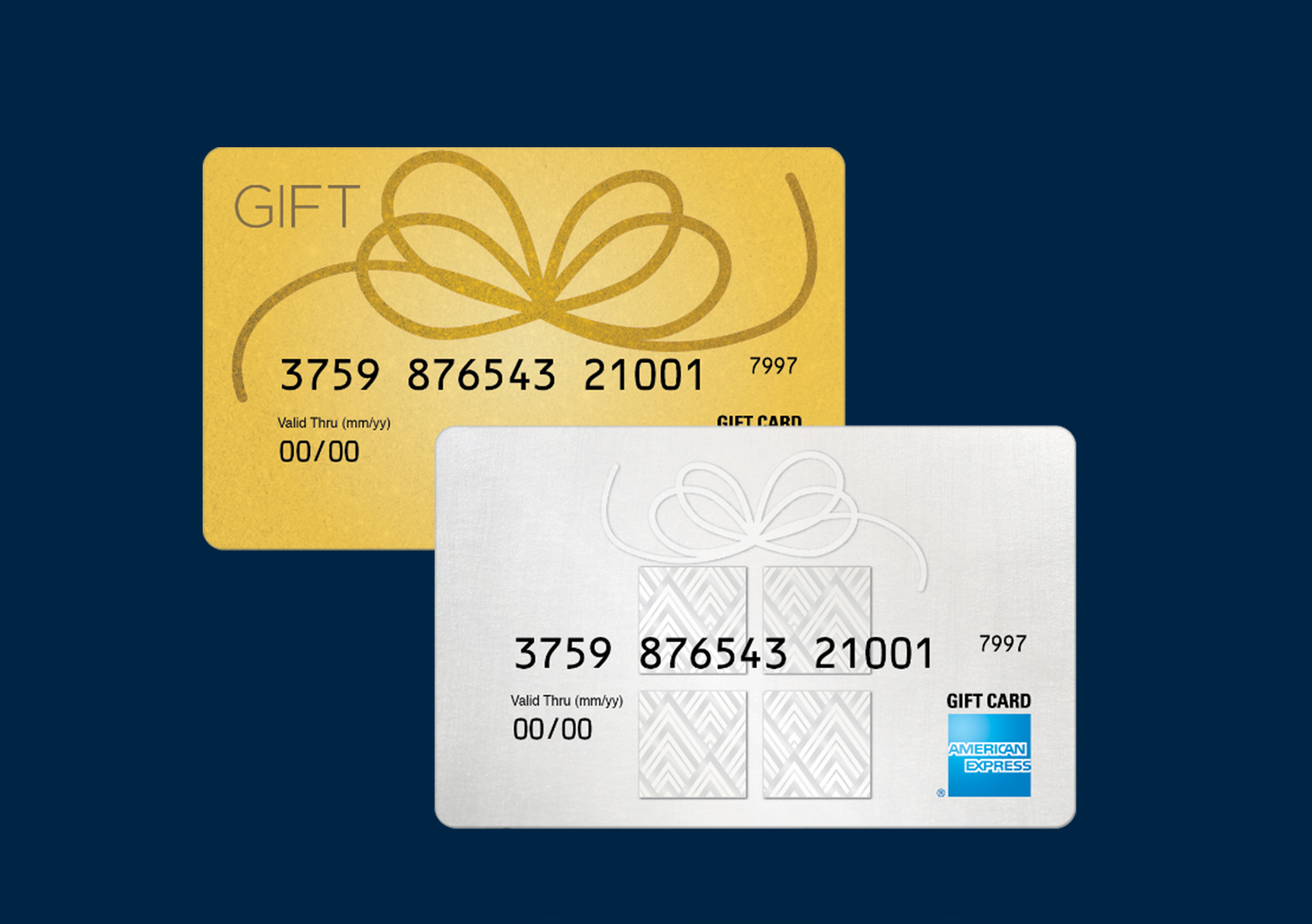
For the individual cardholder, comprehending the details of their American Express card, including the number of digits and where to locate critical information, is a foundational step towards responsible financial management and robust personal security.
Locating Key Information: Front vs. Back
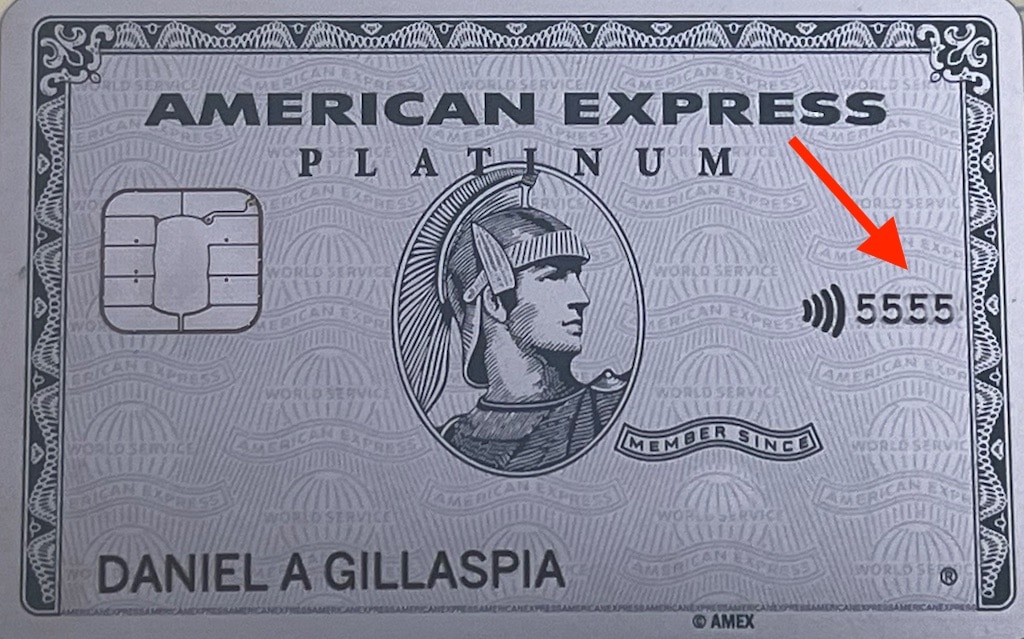
The 15-digit card number is typically prominently displayed on the front of American Express cards, often embossed or printed. This makes it easily accessible for manual entry during online transactions or when providing it over the phone. However, other vital security features are intentionally placed elsewhere to enhance protection.
- The Card Identification (CID): Unique to American Express, the CID is a four-digit, non-embossed security code. Unlike the CVV2/CVC2 codes on Visa/Mastercard (which are usually three digits on the back), the CID is typically found on the front of an American Express card, above the embossed card number, usually on the right side. This code is crucial for card-not-present transactions (online, phone orders) and helps verify that the person using the card physically possesses it.
- Expiration Date: Usually found on the front, this indicates when the card is no longer valid. It’s essential for both online and in-person transactions and helps prevent the use of expired cards.
- Cardholder Name: Also on the front, ensuring the card is used by its rightful owner.
The careful placement of these elements, especially separating the CID from the main card number, adds another layer of security, making it harder for a single glance or photo to capture all necessary data for fraudulent use.
Distinguishing Card Number from Other Codes
It’s crucial for cardholders to differentiate between the primary account number and other codes on the card.
- Card Number: The 15-digit identifier for your specific account.
- CID: The 4-digit security code for card-not-present transactions.
- Expiration Date: The month and year your card expires.
- ZIP/Postal Code (for online payments): Often requested as an additional security measure to verify the billing address.
Each of these pieces of information serves a distinct security purpose. A fraudster needs a combination of these details to complete a transaction, which is why safeguarding all of them is paramount.
Why This Knowledge Matters for Consumers
Understanding the specific characteristics of your American Express card empowers you to:
- Prevent Fraud: By knowing how many digits to expect and where the CID is located, you can quickly spot suspicious requests or phishing attempts.
- Secure Online Payments: Accurately entering the correct number of digits and security codes ensures successful online transactions and prevents errors.
- Monitor Statements: Recognize the card number on your statements and link it to your physical card for easier reconciliation and fraud detection.
- Report Issues Effectively: When reporting a lost or stolen card, providing accurate details about its unique features can expedite the process.
American Express in the Broader Financial Landscape
The 15-digit card number is not just a technicality; it reflects American Express’s unique position and strategy within the competitive financial services sector. Its distinct features contribute to its brand identity and operational model.
Comparing Amex to Other Payment Networks
The prevalence of 16-digit cards (Visa, Mastercard, Discover) makes Amex’s 15-digit format a noticeable outlier. This difference requires merchants and payment processors to build in specific logic to correctly validate and process American Express transactions. From a financial tools perspective, any system integrating payment processing must explicitly account for this variation, ensuring their software can handle both 15- and 16-digit PANs without error. This adaptability is crucial for universal acceptance.
The Value Proposition of American Express
American Express has historically cultivated a brand image associated with premium services, rewards, and customer support. This positioning allows them to maintain a slightly different merchant fee structure and appeal to a specific demographic of cardholders. The distinct card number format is part of a larger ecosystem of proprietary systems that support this unique value proposition, from their payment network to their fraud detection algorithms. For financial advisors, understanding this distinct ecosystem is key when recommending cards to clients, weighing the benefits of Amex’s premium services against the broader acceptance of Visa/Mastercard.
Best Practices for Digital and Physical Security
Given the sensitivity of your card number, adhering to best security practices is critical for safeguarding your financial well-being. This applies universally across all card types, but the specific details of an American Express card, like its CID location, should always be kept in mind.
Online Transaction Security Tips
- Always use secure, trusted websites: Look for “https://” in the URL and a padlock icon.
- Avoid public Wi-Fi for financial transactions: Unsecured networks are vulnerable to eavesdropping.
- Enable two-factor authentication (2FA): If your financial institutions offer it, use 2FA for online accounts connected to your card.
- Regularly review your statements: Promptly identify and dispute any unauthorized transactions.
- Be wary of phishing emails/texts: American Express will never ask for your full card number, CID, or PIN via unsolicited emails or texts.
Physical Card Security
- Treat your card like cash: Keep it in a secure place.
- Never let your card out of sight during transactions: Especially at restaurants or stores.
- Shred old statements and expired cards: Ensure sensitive information is unreadable.
- Report lost or stolen cards immediately: American Express has robust fraud protection services, but timely reporting is crucial to limit your liability.
The 15 numbers on your American Express card are far more than just a sequence; they are the gateway to your financial transactions, underpinned by a sophisticated architecture of identification, validation, and security measures. Understanding this structure empowers you as a cardholder, enabling you to navigate the financial world with greater confidence and security.
aViewFromTheCave is a participant in the Amazon Services LLC Associates Program, an affiliate advertising program designed to provide a means for sites to earn advertising fees by advertising and linking to Amazon.com. Amazon, the Amazon logo, AmazonSupply, and the AmazonSupply logo are trademarks of Amazon.com, Inc. or its affiliates. As an Amazon Associate we earn affiliate commissions from qualifying purchases.