
In an increasingly health-conscious world, understanding and managing calorie intake has become a cornerstone of effective weight management, fitness optimization, and overall well-being. Gone are the days of tedious manual calculations and guesswork; the digital age has ushered in an array of sophisticated technological tools designed to make calorie determination more accurate, accessible, and insightful than ever before. From sophisticated mobile applications to advanced wearable devices and AI-powered platforms, technology is transforming how we approach nutrition, empowering individuals with data-driven insights to achieve their health goals. This article will explore the cutting-edge technologies that demystify calorie tracking, providing a comprehensive guide to leveraging digital tools for precise nutritional understanding.
The Digital Revolution in Calorie Tracking
The journey to accurate calorie determination has been fundamentally reshaped by advancements in digital technology. What once required a nutritionist’s expertise or meticulous manual record-keeping can now be performed with a few taps on a smartphone or glances at a smartwatch. This digital revolution has democratized access to nutritional information, making precise calorie management a reality for millions.
The Rise of Calorie Counter Apps
Mobile applications have emerged as the vanguard of personalized calorie tracking. Platforms like MyFitnessPal, LoseIt!, Cronometer, and countless others have become indispensable tools for anyone serious about monitoring their food intake. These apps provide vast, searchable databases of food items, often boasting millions of entries covering everything from raw ingredients to restaurant meals. Users can log their meals with remarkable ease, often by simply searching for the item, scanning a barcode, or even creating custom recipes.
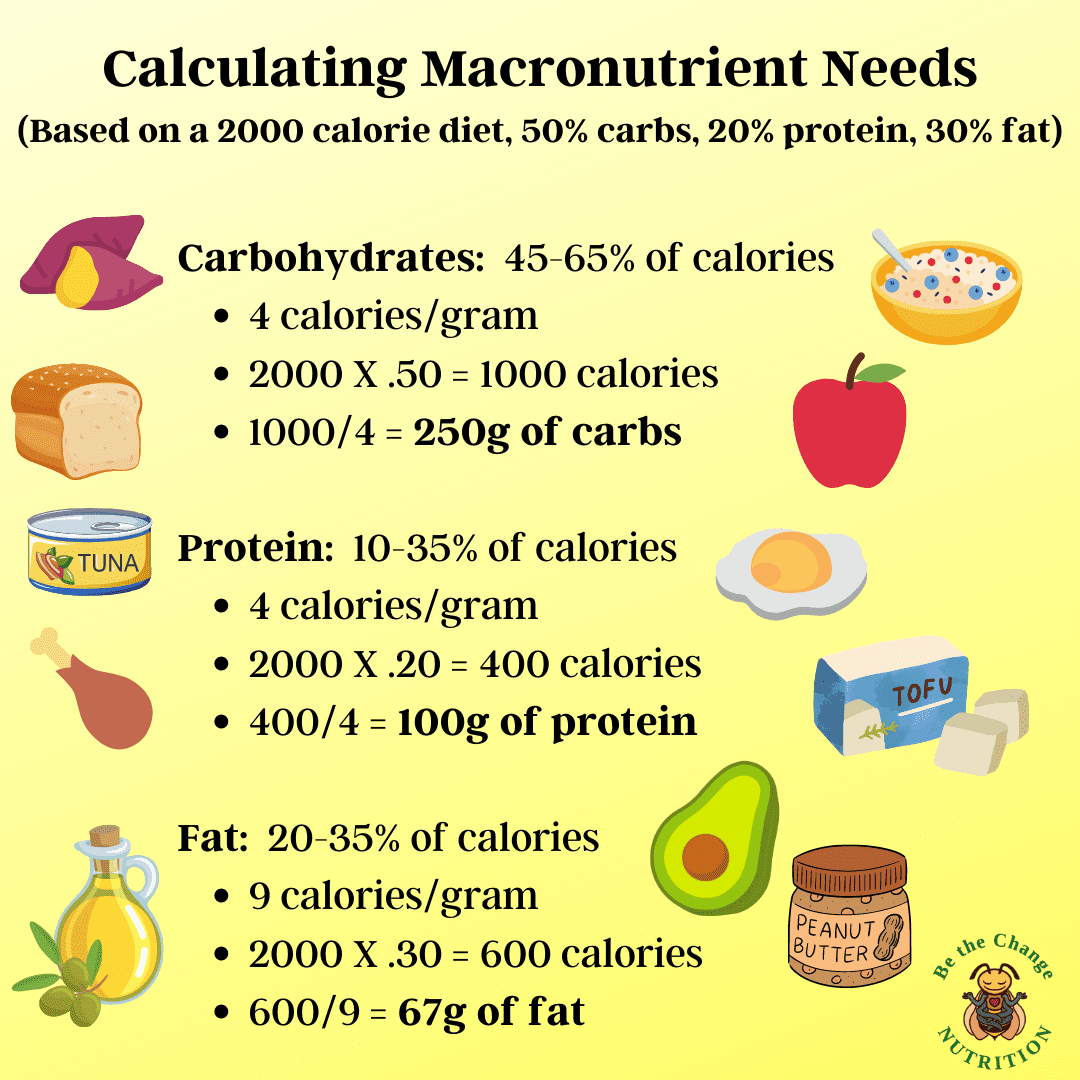
Beyond mere logging, these apps offer a suite of powerful features. They break down meals into macronutrient profiles (proteins, carbohydrates, fats), track micronutrients, and provide visual progress reports against set caloric goals. Many integrate seamlessly with other health apps and devices, creating a holistic view of one’s dietary and activity patterns. The ability to set personalized calorie targets based on individual parameters like age, sex, weight, height, and activity level further enhances their utility, moving beyond generic advice to tailored nutritional guidance.
Wearable Technology and Activity Tracking
The proliferation of smartwatches and fitness trackers has added another crucial dimension to calorie determination: understanding energy expenditure. Devices from Apple Watch, Fitbit, Garmin, and others are no longer just step counters; they are sophisticated health monitors that estimate the calories we burn throughout the day. By continuously monitoring heart rate, movement patterns, and other physiological metrics, these wearables provide real-time estimates of active calories burned during exercise and even passive calories expended through daily activities.
While not perfectly precise, these devices offer valuable insights into one’s energy balance. When integrated with calorie-tracking apps, they help users understand the relationship between their food intake and their physical output. Some advanced wearables even offer features like sleep tracking and stress monitoring, providing a more comprehensive picture of overall health that can indirectly influence metabolic rate and calorie needs. The convergence of food intake data with energy expenditure data creates a powerful feedback loop, allowing for dynamic adjustments to dietary plans.
Smart Scales and Body Composition Analysis
Moving beyond simple weight measurements, smart scales have become indispensable gadgets for a more nuanced understanding of body metrics relevant to calorie needs. Brands like Withings, Renpho, and Eufy offer scales that connect wirelessly to smartphone apps, providing not just weight but also estimates of body fat percentage, muscle mass, bone density, and even body water. These advanced metrics are crucial because they offer a more accurate representation of body composition, which directly impacts one’s Basal Metabolic Rate (BMR) – the number of calories your body burns at rest.
Muscle tissue burns more calories than fat tissue, so a higher muscle mass generally means a higher BMR. By tracking changes in body composition, smart scales provide a clearer picture of how dietary and exercise interventions are affecting the body, moving beyond the often-misleading single number of body weight. The data from smart scales can be automatically synchronized with calorie-tracking apps, refining the overall accuracy of calorie requirement calculations and enabling users to set more realistic and effective goals.
Tools and Techniques for Accurate Calorie Calculation
Beyond the popular apps and devices, there are specific tools and methodologies, often digitally facilitated, that form the bedrock of accurate calorie determination. These tools leverage scientific principles and vast datasets to provide robust estimates.
Online Calculators and Databases
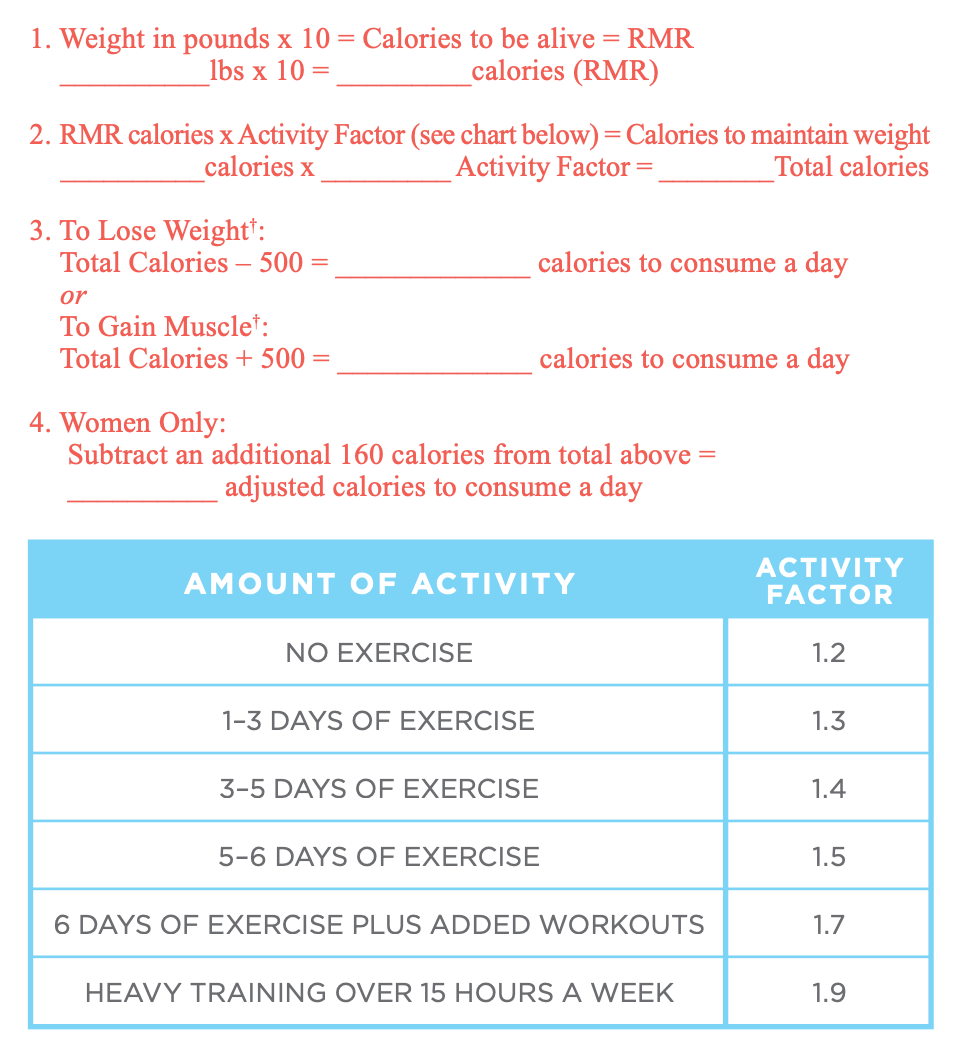
The internet hosts a wealth of resources for calculating fundamental calorie requirements. Online Basal Metabolic Rate (BMR) and Total Daily Energy Expenditure (TDEE) calculators are essential starting points. BMR calculators use formulas like the Mifflin-St Jeor or Harris-Benedict equation, inputting factors such as age, sex, weight, and height to estimate the calories your body needs to perform basic functions at rest. TDEE calculators then factor in activity levels (sedentary, lightly active, moderately active, very active, extra active) to provide an estimate of the total calories you burn in a day. Understanding your BMR and TDEE is critical for setting appropriate calorie targets for weight loss, maintenance, or gain.
Complementing these calculators are extensive online nutrition databases. The USDA FoodData Central, for example, offers detailed nutritional information for thousands of raw, processed, and prepared foods. These databases are often the backbone of commercial calorie-tracking apps and serve as reliable references for individuals to manually verify nutrient content, especially for less common or homemade items. They provide granular data on calories, macronutrients, and micronutrients, allowing for a deep dive into the nutritional profile of almost any food.
Leveraging AI for Food Recognition and Portion Estimation
A burgeoning area in calorie determination technology is the application of Artificial Intelligence (AI) for food recognition and portion estimation. Overcoming the common challenge of accurately logging food—especially for mixed meals or when dining out—AI-powered features are revolutionizing the process. Apps are emerging that allow users to simply take a photo of their meal. The AI then analyzes the image, identifies the food items, and estimates their quantities, providing an instant calorie and macronutrient breakdown.
While still evolving, this technology promises to drastically reduce the friction associated with food logging, making it more convenient and less prone to user error. Advanced computer vision algorithms are continually improving their ability to distinguish between similar-looking foods and estimate volumes based on visual cues. This innovative approach moves beyond manual input, offering a glimpse into a future where calorie tracking is nearly effortless and remarkably precise, transforming casual users into adept nutritional monitors.
The Role of Digital Food Diaries and Logging
Despite the sophistication of automated tools, the fundamental act of recording food intake remains central. Digital food diaries, embedded within calorie-tracking apps, provide an organized and accessible platform for consistent logging. The convenience of having a digital record means users can review their dietary patterns over days, weeks, or months, identifying trends, triggers, and areas for improvement.

Best practices for digital logging include meticulous entry of all food and beverages, accurate portion sizing (using measuring cups, food scales, or reliable visual estimation techniques), and consistent timing. While barcode scanners and AI photo recognition streamline the process, understanding how to manually input foods and customize entries for homemade meals remains a vital skill. Consistent and accurate logging using these digital tools is the cornerstone of generating reliable data for calorie management, providing the insight needed to make informed nutritional decisions.
Advanced Technological Approaches and Future Trends
The horizon of calorie determination technology is continuously expanding, promising even more personalized and integrated solutions. The future points towards hyper-customized nutrition, intelligent kitchen ecosystems, and virtual guidance that adapts to individual biology and lifestyle.
Personalized Nutrition Platforms
The next frontier in calorie determination involves highly personalized nutrition platforms that move beyond one-size-fits-all recommendations. These platforms leverage a confluence of advanced data points, including genetic information, microbiome analysis, and real-time physiological markers. By understanding an individual’s unique genetic predispositions for nutrient absorption or metabolism, or the specific composition of their gut bacteria, these platforms can refine calorie and macronutrient recommendations with unprecedented precision.
Emerging technologies like Continuous Glucose Monitoring (CGM) are also playing a role, providing real-time data on how different foods impact blood sugar levels. This biofeedback allows for dynamic adjustments to diet plans, helping individuals optimize their energy levels and mitigate adverse metabolic responses. These advanced systems represent a shift from generalized dietary guidelines to precision nutrition tailored to an individual’s unique biology.
Smart Kitchen Appliances and Integrated Ecosystems
The “smart home” concept is extending into the kitchen, with appliances poised to play a direct role in calorie tracking. Imagine refrigerators with internal cameras that identify food items and track consumption, or smart ovens that automatically calculate the nutritional content of a meal as it’s being prepared. These appliances could potentially integrate with personal health profiles, automatically updating calorie logs and providing real-time feedback on dietary choices.
Integrated kitchen ecosystems could link smart scales, blenders, and even pantries, creating a seamless flow of data from food purchase to consumption. This level of integration promises to reduce the manual effort of calorie logging to an absolute minimum, making precise nutritional management an almost passive activity for the user.
Virtual Coaches and AI-Powered Guidance
The evolution of AI chatbots and virtual assistants is bringing sophisticated nutritional coaching directly to the consumer. These AI-powered coaches can analyze logged food data, activity levels, and personal goals to provide dynamic, real-time advice on calorie adjustments, meal planning, and healthy eating strategies. They can answer specific questions, offer motivational support, and even identify patterns or potential deficiencies that human coaches might miss.
As AI models become more advanced, they will be able to learn from an individual’s long-term data, adapting their guidance to evolving needs and preferences. This allows for a continuously optimized approach to calorie management, offering personalized insights that can mimic the expertise of a human dietitian, but with the scalability and accessibility of digital technology.
Challenges and Best Practices in Tech-Enabled Calorie Determination
While technology offers incredible advantages, it’s not a silver bullet. Understanding its limitations and adopting best practices is crucial for accurate and sustainable calorie management.
Data Accuracy and User Error
One of the primary challenges in tech-enabled calorie determination is ensuring data accuracy. While apps boast vast databases, entries can sometimes be inaccurate, especially for user-generated content. Furthermore, human error in logging remains a significant factor. Misjudging portion sizes, forgetting to log snacks, or incorrectly identifying foods can lead to substantial discrepancies in calorie tracking. Relying solely on general estimates from wearables for calories burned, without considering individual metabolic variations, can also lead to inaccuracies. It is important to cross-reference information, use food scales for precise portioning, and be diligent in logging every item consumed to maximize the reliability of the data.
Privacy and Data Security Concerns
As we increasingly entrust our sensitive health and dietary data to apps and devices, privacy and data security become paramount. Sharing extensive information about eating habits, body composition, and activity levels raises legitimate concerns about how this data is stored, used, and protected. Users must be mindful of the privacy policies of the apps and devices they use, understand their data-sharing practices, and ensure that robust security measures are in place to safeguard personal information. Choosing reputable platforms with strong privacy commitments is a critical step in mitigating these risks.
Balancing Technology with Intuition
While technology provides invaluable data, it’s essential not to become overly reliant on it to the exclusion of developing one’s own body awareness. Constant logging and analysis can, for some, lead to an obsessive relationship with food or a disconnection from internal hunger and fullness cues. The goal of technology should be to educate and empower, not to replace natural intuition. Learning to listen to your body’s signals, understanding the concept of mindful eating, and recognizing true hunger versus emotional eating are skills that technology can support but not entirely supplant. A balanced approach involves using technological insights as a guide while cultivating a deeper, intuitive understanding of one’s own nutritional needs.
Conclusion
The journey of determining calories has evolved dramatically, thanks to the relentless march of technological innovation. From sophisticated calorie-counting apps and data-rich wearable devices to smart scales and the burgeoning field of AI-powered food recognition, the tools available today empower individuals with unprecedented precision in managing their nutrition. These technologies offer a path to understanding personal energy balance, optimizing diet for specific goals, and fostering a data-driven approach to health.
However, the efficacy of these tools ultimately hinges on informed use, an awareness of their limitations, and a commitment to data accuracy. By embracing the digital revolution in nutrition while maintaining a mindful and balanced perspective, we can leverage technology not just to count calories, but to cultivate a deeper, more sustainable relationship with our food and our bodies, paving the way for a healthier future.
aViewFromTheCave is a participant in the Amazon Services LLC Associates Program, an affiliate advertising program designed to provide a means for sites to earn advertising fees by advertising and linking to Amazon.com. Amazon, the Amazon logo, AmazonSupply, and the AmazonSupply logo are trademarks of Amazon.com, Inc. or its affiliates. As an Amazon Associate we earn affiliate commissions from qualifying purchases.