
In the journey towards sustainable weight loss, understanding and managing calorie intake stands as a fundamental pillar. Gone are the days when this process was a manual, tedious, and often inaccurate endeavor. The digital age has ushered in a revolution, transforming how we track, calculate, and optimize our nutritional intake. From sophisticated mobile applications to intelligent wearable devices and advanced AI algorithms, technology has made determining one’s ideal calorie target for weight loss more accessible, precise, and personalized than ever before. This article delves into the technological landscape that empowers individuals to accurately gauge their caloric needs, outlining the tools, strategies, and best practices for leveraging tech in your weight loss journey.
The Digital Revolution of Calorie Tracking
The evolution of calorie tracking mirrors the broader advancement of personal technology. What began as pen-and-my-notepad journaling has blossomed into a sophisticated ecosystem of interconnected devices and software, providing unprecedented insights into our metabolic processes and dietary habits.
Evolution from Manual to Digital
Historically, determining calorie intake involved looking up nutritional information in thick books, meticulously weighing food portions, and performing cumbersome calculations. This manual approach was prone to human error, time-consuming, and often led to frustration and abandonment. The advent of personal computers brought rudimentary software, but it was the smartphone revolution and the rise of robust mobile applications that truly democratized calorie tracking. These apps leveraged vast food databases, barcode scanners, and intuitive interfaces, making logging meals a matter of seconds rather than minutes. This shift marked a critical turning point, transforming a niche, expert-driven practice into a mainstream tool for anyone serious about weight management.
Core Principles of Digital Calorie Calculation
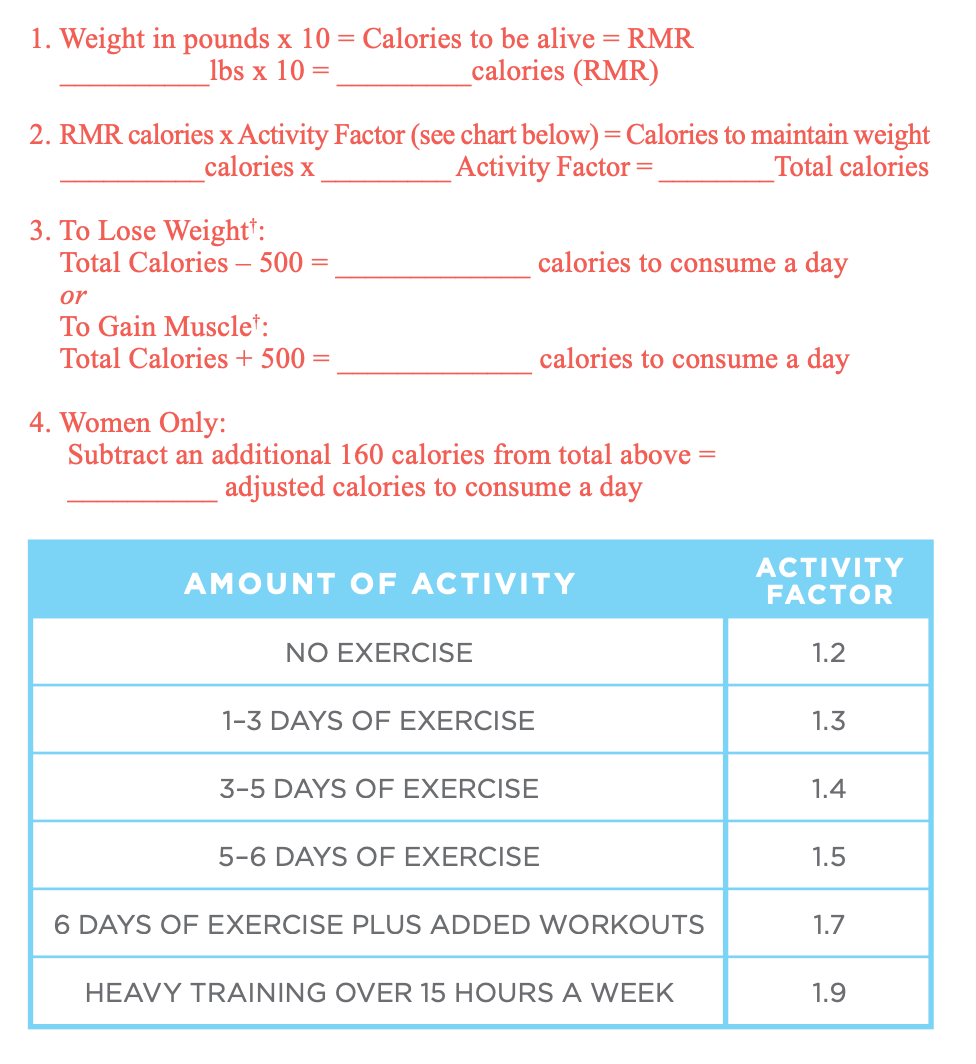
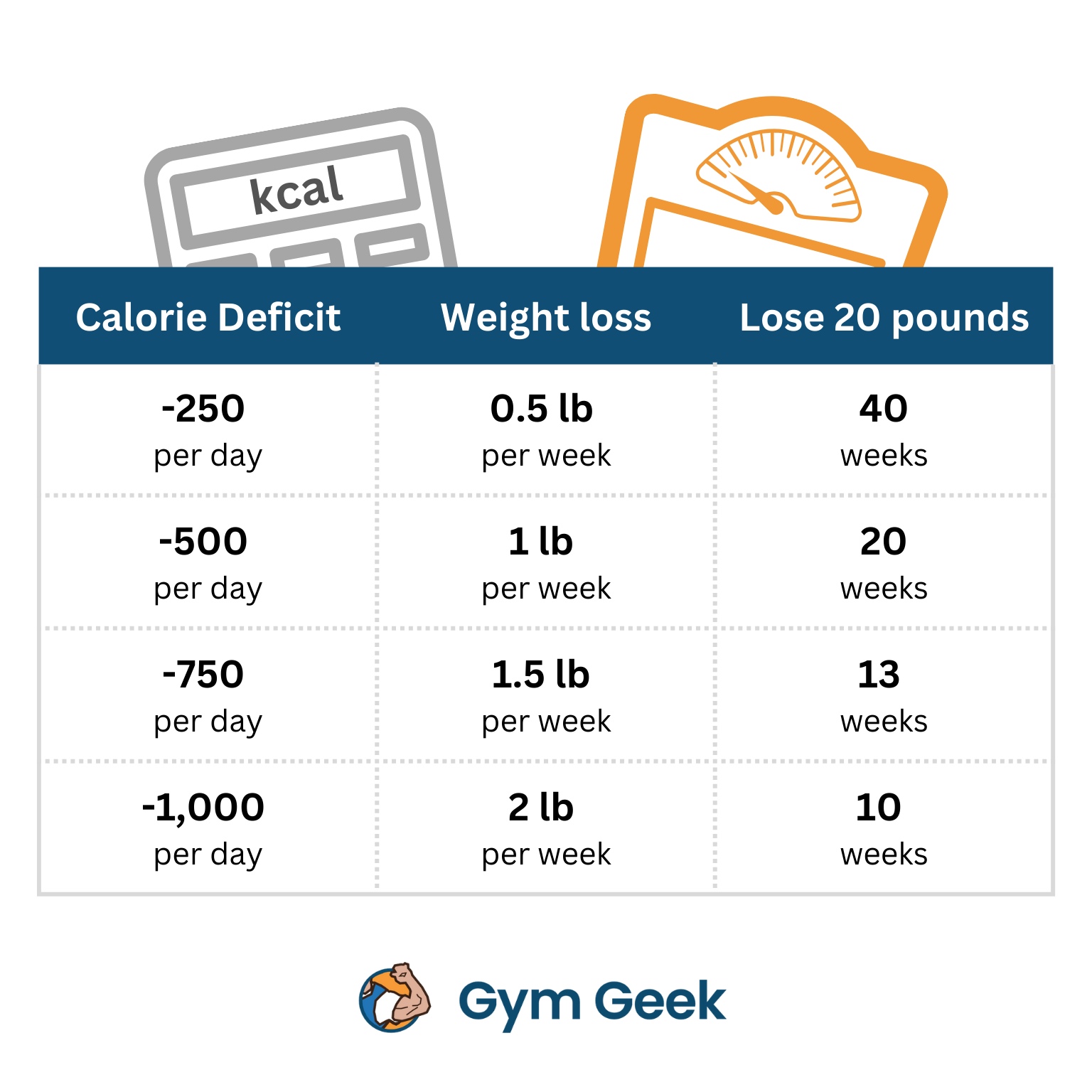
At the heart of any digital calorie tracking system are fundamental scientific principles, automated and streamlined for user convenience. The first step involves calculating your Basal Metabolic Rate (BMR), the number of calories your body burns at rest to maintain basic physiological functions. Tech tools use algorithms that incorporate your age, gender, height, and weight to estimate this figure. Building upon BMR is the Total Daily Energy Expenditure (TDEE), which accounts for your BMR plus the calories burned through physical activity. Fitness trackers and smartwatches play a crucial role here, providing real-time data on exercise intensity and duration. Once TDEE is established, most apps allow you to set a calorie deficit target – typically 500-750 calories below your TDEE for a healthy weight loss of 1-1.5 pounds per week – to guide your daily intake. This entire calculation, from BMR to your personalized calorie target, is performed instantaneously by digital tools, eliminating guesswork and providing a solid data-driven foundation.
Essential Tech Tools for Accurate Calorie Determination
The market is saturated with technological solutions designed to assist in calorie determination. Identifying and effectively utilizing the right tools is key to a successful weight loss strategy.
Calorie Counting Apps: Your Digital Dietitians
Calorie counting apps are arguably the cornerstone of tech-enabled weight loss. Platforms like MyFitnessPal, Lose It!, Cronometer, and MacroFactor offer extensive food databases, barcode scanners, and manual entry options to log every meal and snack. They track macronutrients (proteins, carbs, fats) alongside total calories, providing a holistic view of your diet. Many apps integrate seamlessly with other health devices, pulling in activity data to adjust calorie goals dynamically. Some even offer recipe builders, allowing users to input ingredients and automatically calculate the nutritional content per serving. The user interface, database accuracy, and integration capabilities are key differentiators, making it essential to choose an app that aligns with individual preferences and dietary needs. These apps act as personal digital dietitians, offering real-time feedback and progress tracking, transforming abstract nutritional goals into actionable daily targets.
Fitness Trackers and Smartwatches: Beyond Steps
Modern fitness trackers and smartwatches (e.g., Apple Watch, Fitbit, Garmin) have evolved far beyond simple step counters. Equipped with advanced sensors, they monitor heart rate, sleep patterns, stress levels, and, crucially, estimate calorie expenditure during exercise and throughout the day. By accurately tracking your activity levels, these devices provide vital data to refine your TDEE, ensuring your calorie target remains appropriate for your energy output. Many smartwatches also offer guided workouts and remind you to move, directly impacting your calorie burn. The integration of these devices with calorie counting apps creates a powerful synergy, offering a comprehensive overview of “calories in” versus “calories out,” thereby creating a more accurate and dynamic picture of your energy balance.
Smart Scales and Body Composition Analyzers
While not directly determining daily calorie intake, smart scales and body composition analyzers provide crucial metrics that inform and validate your weight loss strategy. These devices connect to your smartphone or health apps, tracking weight trends, body fat percentage, muscle mass, and even bone density. By showing not just weight, but also changes in body composition, they offer a more nuanced understanding of progress. For instance, an increase in muscle mass (which burns more calories at rest) alongside fat loss might indicate that your calorie intake is effective, even if the scale weight fluctuates due to muscle gain. This data helps users understand the impact of their diet and exercise on their body, allowing for more informed adjustments to their calorie targets and overall fitness plan.

Leveraging AI and Advanced Algorithms for Personalized Plans
The frontier of tech-driven weight loss is increasingly dominated by Artificial Intelligence (AI) and sophisticated algorithms, moving beyond simple tracking to offer highly personalized and predictive insights.
AI-Powered Meal Planning and Recipe Generation
AI algorithms can analyze a user’s dietary preferences, restrictions (allergies, vegan, keto), historical food logging data, activity levels, and weight loss goals to generate bespoke meal plans. These smart systems can suggest recipes that fit within specific calorie and macronutrient targets, source ingredients, and even create grocery lists. Some advanced platforms learn from user feedback, refining their suggestions over time to better match individual tastes and desired outcomes. This eliminates the decision fatigue associated with meal planning and ensures that every meal contributes effectively to the overall calorie target without sacrificing variety or enjoyment.
Predictive Analytics for Weight Loss Trajectories
Beyond simply tracking current intake, AI can use historical data to forecast weight loss trajectories. By analyzing patterns in calorie intake, activity levels, and weight changes, these algorithms can predict how quickly a user is likely to achieve their goals and identify potential plateaus before they occur. This allows for proactive adjustments to calorie targets or exercise regimens. For example, if the AI predicts a slowdown, it might suggest a slight reduction in calories or an increase in activity to keep the user on track, providing a dynamic and responsive approach to weight management.
Virtual Coaching and AI Chatbots
The rise of AI-powered virtual coaches and chatbots represents a significant leap in personalized weight loss support. These digital entities can provide motivational prompts, answer nutrition-related questions, and even offer real-time adjustments to calorie goals based on user progress and reported challenges. Unlike generic advice, AI coaches leverage individual data to provide tailored guidance, mimicking the support of a human coach but with 24/7 availability and scalability. This can be particularly beneficial for users who need consistent reinforcement and precise, data-driven advice without the high cost of a personal trainer or nutritionist.
Best Practices for Tech-Enabled Calorie Management
While technology offers incredible advantages, its effectiveness hinges on how it is used. Adopting best practices ensures maximum benefit from these powerful tools.
Data Accuracy and Consistency
The output of any tech tool is only as good as the input. For calorie tracking apps, this means logging every food item accurately, including portion sizes. Using a food scale for precision is recommended, especially in the initial phases. For fitness trackers, ensuring the device fits correctly and is regularly calibrated (if applicable) is vital for accurate calorie burn estimations. Consistent use across all devices – logging meals daily, wearing trackers regularly, and syncing smart scales – builds a rich dataset that AI and algorithms can analyze effectively, leading to more precise recommendations.
Integrating Multiple Platforms
The true power of modern tech lies in interoperability. Many apps and devices are designed to communicate with each other, sharing data to create a comprehensive health profile. For instance, linking your fitness tracker to your calorie counting app allows your activity data to automatically adjust your daily calorie budget. Connecting your smart scale to your health ecosystem means your weight and body composition changes are tracked alongside your diet and exercise. This integration eliminates manual data entry between platforms and provides a holistic view of your progress, allowing for more informed adjustments to your calorie intake.
Avoiding “Tech Fatigue” and Over-reliance
While technology is an invaluable ally, it’s important to use it judiciously. Constant monitoring and obsession with numbers can lead to “tech fatigue” or an unhealthy preoccupation with food and exercise. It’s crucial to find a balance where technology serves as an empowering guide rather than a demanding taskmaster. Periodically stepping back from meticulous tracking or focusing on broader patterns rather than daily fluctuations can be beneficial. Furthermore, technology should augment, not replace, an understanding of basic nutrition and listening to your body’s hunger and satiety cues. Relying solely on a device without cultivating intuition can hinder long-term success.
Conclusion
The landscape of weight loss has been fundamentally reshaped by technological innovation. From the basic calorie counting apps that streamline meal logging to advanced AI systems that offer personalized meal plans and predictive analytics, technology provides an unprecedented level of precision, convenience, and insight into how to determine and manage calorie intake for weight loss. By embracing these tools responsibly, maintaining data accuracy, integrating platforms, and balancing digital assistance with intuitive self-awareness, individuals can harness the full power of tech to achieve their weight loss goals and foster a healthier, more informed relationship with their diet and overall well-being. The future promises even more integrated and intelligent solutions, making the journey to a healthier self more accessible and sustainable than ever before.
aViewFromTheCave is a participant in the Amazon Services LLC Associates Program, an affiliate advertising program designed to provide a means for sites to earn advertising fees by advertising and linking to Amazon.com. Amazon, the Amazon logo, AmazonSupply, and the AmazonSupply logo are trademarks of Amazon.com, Inc. or its affiliates. As an Amazon Associate we earn affiliate commissions from qualifying purchases.