
In an increasingly digital world, the lines between physical currency and digital funds often blur. While peer-to-peer payment apps like Venmo have revolutionized how we send and receive money, the question of how to integrate good old-fashioned cash into these digital ecosystems remains a pertinent one for many. For individuals managing personal finances, whether it’s side hustle earnings, gift money, or daily cash transactions, the ability to seamlessly convert physical cash into a digital balance is a critical convenience. This guide delves into the practical steps and financial considerations for effectively depositing cash into your Venmo account, framing it as a crucial aspect of personal financial management in the digital age. Understanding this process empowers users to consolidate their funds, manage expenses, and participate fully in a cashless economy, all while maintaining control over their diverse financial resources.

Understanding Venmo’s Role in Modern Cash Management
The financial landscape has undergone a profound transformation, with digital transactions now dominating vast swathes of commerce. Yet, cash continues to play a significant role, particularly in small businesses, informal economies, and personal exchanges. Venmo, primarily known for its effortless peer-to-peer transfers, serves as a vital bridge, allowing users to move money with unprecedented ease. However, its utility extends beyond just digital transfers to offering solutions for cash integration, thereby enhancing its function as a comprehensive personal financial tool.
The Evolving Landscape of Personal Finance
The shift from tangible cash to digital currencies has been relentless, driven by convenience, security, and the rise of e-commerce. Mobile banking, digital wallets, and payment apps have become indispensable, streamlining everything from bill payments to splitting dinner checks. In this environment, physical cash can feel cumbersome and disconnected from one’s primary spending mechanisms. The need to digitize cash isn’t just about technological adoption; it’s about optimizing financial flow, ensuring all your funds are accessible and manageable from a single, integrated platform. Venmo, by facilitating cash deposits, becomes an even more powerful tool for comprehensive financial oversight, allowing users to truly unify their financial resources.
Why Deposit Cash into Venmo?
The motivations for converting physical cash into digital Venmo funds are diverse and rooted in practical financial management. For many, it’s about sheer convenience: using Venmo for online purchases, sending money to friends and family, or paying for services where cash isn’t accepted. It consolidates funds, moving money from a physical wallet into an account that’s readily available for digital transactions. For those who receive payments in cash – whether from a weekend garage sale, freelancing gigs, or tips – depositing it into Venmo integrates these earnings directly into their digital spending and budgeting framework. This integration can simplify expense tracking, facilitate quicker payments, and reduce the risks associated with carrying large amounts of physical money. In essence, it transforms illiquid cash into a highly liquid digital asset within a familiar financial tool.
Key Prerequisites for Cash Deposits
Before attempting to deposit cash into your Venmo account, ensuring you meet the necessary financial and account requirements is essential. Firstly, you must have an active and verified Venmo account. This typically involves linking a bank account or debit card and providing identity verification details, which is a standard financial security measure. Secondly, cash deposit services are usually facilitated through third-party networks, most commonly Green Dot. This means you’ll need to locate participating retailers. Finally, there may be age and geographical restrictions. Users generally need to be 18 years or older, and the service is primarily available within the United States. Meeting these prerequisites ensures a smooth and compliant financial transaction, aligning with Venmo’s robust security and regulatory standards for its financial tools.
Navigating the Cash Deposit Process: Step-by-Step Financial Integration
Depositing cash into Venmo is a straightforward process, primarily facilitated through a network of retail partners. This method offers a convenient way to bring your physical earnings and savings into your digital wallet, making them instantly accessible for all your Venmo transactions. Understanding each step ensures a seamless transition of your money from hand to digital account.
Venmo’s In-App Cash Deposit Feature (Green Dot Network)
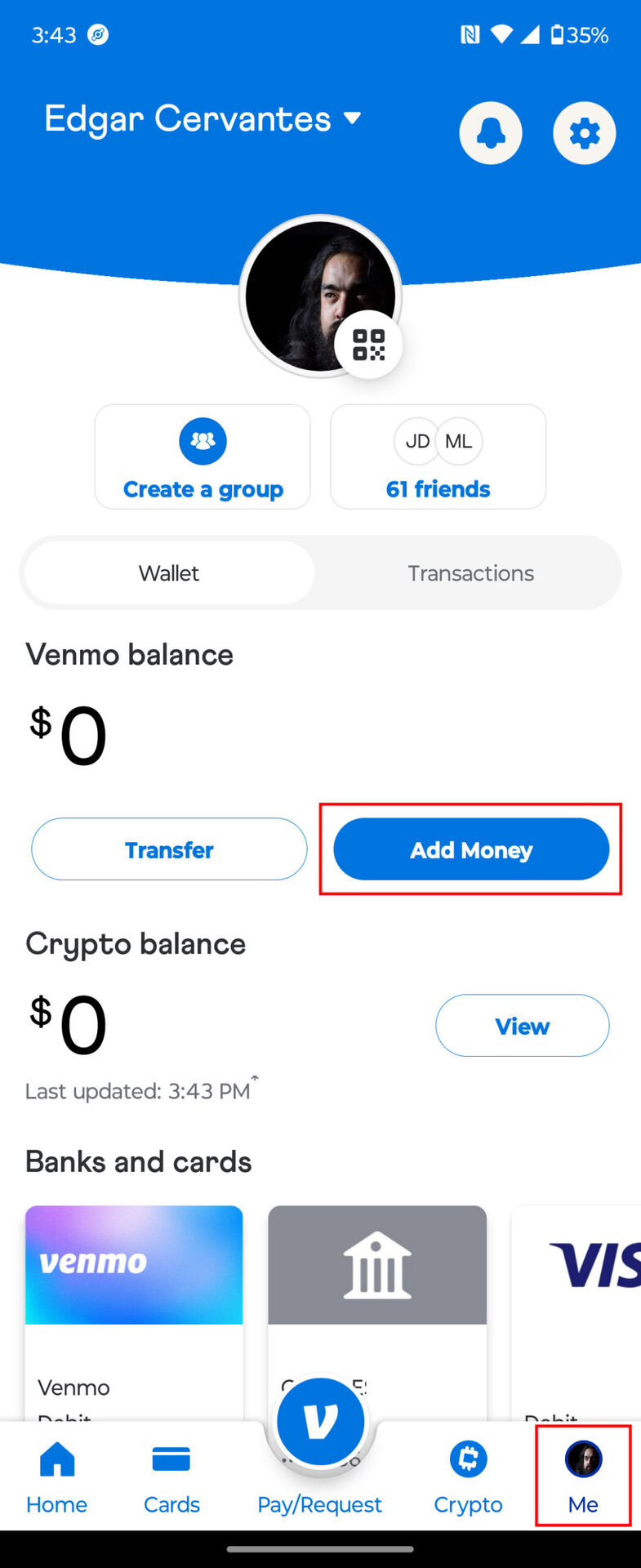
The primary method for depositing cash into Venmo leverages the extensive Green Dot Network. This financial service provider partners with numerous retail locations across the country, making cash deposits accessible to a broad user base. To initiate a deposit, you first need to access the “Cash a Check” or “Add Cash” feature within the Venmo app. (Note: While Venmo previously supported cash deposits directly through a specific feature, the most common and widely available method involves using a Venmo Debit Card at participating retailers or Green Dot’s broader services, which then can be transferred to Venmo. If Venmo’s direct “Cash a Check” feature allows cash loading, the principles are similar).
If your Venmo account is set up for it, the app will guide you to generate a unique barcode. This barcode is your digital identifier for the transaction. The app will also help you locate nearby participating retailers, which often include major pharmacies, grocery stores, and general merchandise outlets. This step is crucial for planning your financial transaction, as it ensures you arrive at a location equipped to handle the deposit.
The Transaction at the Register
Once you arrive at a participating retail location, you’ll present the generated barcode (or your Venmo Debit Card, depending on the specific method) to the cashier. Inform them that you wish to deposit cash onto your Venmo account (or load money onto your Venmo Debit Card, which will then reflect in your Venmo balance). You will then hand over the physical cash amount you wish to deposit. It’s important to have the exact amount ready, as cashiers may not always be able to provide change for these specific transactions. The cashier will scan the barcode or swipe your card, process the cash, and provide you with a receipt. This receipt is your vital proof of transaction; always retain it until you confirm the funds have been successfully credited to your Venmo account. This interaction is the direct financial exchange where physical assets are converted into digital value.
Confirmation and Fund Availability
Immediately following a successful transaction at the register, the funds are typically added to your Venmo balance within minutes. You should receive an in-app notification from Venmo confirming the deposit. It’s good financial practice to double-check your Venmo balance to ensure the amount reflects accurately. While most deposits are instantaneous, occasional delays can occur. If the funds do not appear within a reasonable timeframe (e.g., an hour), you should first reference your receipt and then contact Venmo support. The prompt availability of funds means you can immediately use them for any Venmo-supported transaction, from sending money to a friend to making a purchase with your Venmo Debit Card. This rapid integration underscores the efficiency of Venmo as a contemporary financial tool.
Financial Implications and Best Practices for Venmo Cash Deposits
While depositing cash into Venmo offers immense convenience, it’s imperative for financially savvy individuals to understand the associated costs and security measures. Integrating this feature into your personal finance strategy requires a mindful approach to fees, limits, and safeguarding your funds.
Understanding Deposit Limits and Fees
A crucial financial consideration for cash deposits into Venmo (or onto a Venmo Debit Card) is the presence of transaction limits and fees. Most third-party networks, like Green Dot, impose a flat fee for each cash deposit. This fee can vary but is typically a fixed amount, such as $3.95 or $4.95 per transaction. While seemingly small, these fees can add up if you make frequent, small deposits, potentially eroding your funds. Furthermore, there are usually daily and monthly limits on the amount of cash you can deposit. These limits are set for security reasons and to comply with financial regulations. For instance, you might be limited to depositing $500 per day and $4,000 per month. Always check the most current limits and fees within the Venmo app or on their official website before making a deposit to avoid unexpected financial restrictions or charges. Being aware of these parameters is key to effective cash flow management and preventing unnecessary expenses.
Security and Risk Management
Financial security is paramount, especially when handling physical cash and digital transfers. When depositing cash into Venmo, always use authorized and reputable retail locations. These locations are equipped with the necessary secure systems to process your transaction. Be cautious of unofficial methods or individuals offering to deposit cash for you, as these could expose you to scams or loss of funds. After the transaction, diligently keep your receipt. This physical record is your proof of deposit and can be invaluable if there’s any discrepancy or issue with the funds appearing in your Venmo account. If you encounter any problems, having the receipt with the transaction details will significantly aid Venmo’s customer support in resolving the issue. Protecting your personal information during the process is also vital; only provide necessary details to the cashier. These practices ensure the integrity of your financial transactions and the security of your funds.
Integrating Venmo Deposits into Your Budgeting Strategy
For those actively managing their personal finances, the ability to deposit cash into Venmo can be a powerful budgeting tool. It allows you to consolidate all your incoming funds, including cash earnings, into a single digital account that’s easily trackable. For instance, if you receive cash for odd jobs or tips, you can regularly deposit these amounts into Venmo, earmarking them for specific budget categories like “discretionary spending” or “savings goals.” This helps prevent cash from becoming ‘invisible’ or unallocated, ensuring every dollar is accounted for. Furthermore, if you use the Venmo Debit Card, your deposits directly feed into a spending mechanism that provides transaction history, aiding in expense tracking. By consciously integrating cash deposits, you transform potentially scattered physical funds into a structured digital asset, enhancing your overall financial control and budgeting discipline.
Alternative Avenues for Converting Cash to Digital Funds (Money Management Beyond Venmo)
While Venmo offers a convenient method for digitizing cash, it’s just one piece of a broader financial ecosystem. Understanding alternative strategies for converting physical cash into digital funds is essential for comprehensive money management, providing flexibility and potentially more cost-effective solutions depending on your financial habits and needs.
Bank Deposits and Transfers
The most traditional and often the most cost-effective method for digitizing cash is by depositing it directly into your bank account. Once the cash is in your checking or savings account, you can easily transfer these funds to your Venmo balance without incurring additional fees. Most banks offer free ATM deposits or teller services, making this a zero-cost option for the initial cash-to-digital conversion. To link your bank account to Venmo, you’ll typically need to provide your bank’s routing number and your account number, a standard financial practice. This method offers unparalleled security and is ideal for larger cash amounts, as bank accounts often have higher deposit limits than third-party services. Integrating your primary bank account with Venmo creates a robust financial conduit, allowing for seamless movement of funds between your traditional banking and digital payment platforms.
Prepaid Debit Cards
Another viable option for converting cash to digital funds involves using prepaid debit cards. These cards, available at various retail locations, allow you to load cash directly onto them. While there may be fees associated with purchasing the card, loading funds, or monthly maintenance, they offer a direct way to digitize cash for spending. Once loaded, many prepaid cards function similarly to a regular debit card and can be linked to your Venmo account. You could then use the prepaid card as a funding source for your Venmo balance. This method can be particularly useful for individuals who may not have a traditional bank account or prefer to manage a separate, prepaid budget. However, always scrutinize the fee structure of prepaid cards to ensure they align with your financial goals and don’t negate the convenience with excessive charges.
P2P Transfers from Friends/Family
While not a direct cash deposit, peer-to-peer (P2P) transfers within Venmo can effectively digitize cash you receive from others. If a friend or family member owes you money in cash, they could instead send you the equivalent amount directly to your Venmo account from their own linked bank account or Venmo balance. This instantaneously converts your potential cash receipt into a digital fund within your Venmo wallet, bypassing the need for a physical deposit process. This method is fee-free for both parties (when funded by bank account or Venmo balance) and offers immediate availability of funds. It’s an excellent way to maintain a digital-first approach to personal finance, leveraging the network effect of Venmo to manage small financial exchanges efficiently and without the friction of physical cash.

Conclusion
The ability to deposit cash into Venmo represents a significant convenience for modern personal finance, bridging the gap between physical currency and the digital economy. It empowers users to consolidate their diverse financial resources, ensuring that even cash earnings are integrated into their accessible and manageable digital wallet. By understanding the process – from utilizing the Green Dot Network to navigating in-app features – users can seamlessly transform tangible money into liquid digital funds ready for instant use.
However, a truly insightful approach to this financial tool requires an awareness of its nuances. Being informed about deposit limits, potential transaction fees, and robust security practices is paramount. Integrating cash deposits strategically into one’s budgeting framework can lead to enhanced financial control, ensuring that all income, regardless of its initial form, contributes effectively to personal financial goals. Furthermore, recognizing alternative methods like traditional bank deposits or leveraging P2P transfers broadens one’s money management toolkit, providing flexibility and choice. In an increasingly digital financial world, mastering the conversion of cash to digital assets through platforms like Venmo is not just about convenience; it’s about taking proactive control of your financial landscape, ensuring every dollar works smarter for you.
aViewFromTheCave is a participant in the Amazon Services LLC Associates Program, an affiliate advertising program designed to provide a means for sites to earn advertising fees by advertising and linking to Amazon.com. Amazon, the Amazon logo, AmazonSupply, and the AmazonSupply logo are trademarks of Amazon.com, Inc. or its affiliates. As an Amazon Associate we earn affiliate commissions from qualifying purchases.