
Laying the Financial Foundation: From Idea to Viable Business
Embarking on the journey of creating a startup company is fundamentally a financial endeavor, requiring meticulous planning long before the first product or service ever sees the light of day. The initial phase is critical for establishing a robust financial foundation that will support the company’s future growth and sustainability. It’s not merely about having a great idea, but about proving its financial viability and securing the necessary resources to bring it to fruition.
Validating Market Need and Revenue Potential
Before any significant capital is invested, a thorough validation of the market need is paramount. This isn’t just about identifying a problem; it’s about understanding if customers are willing to pay for a solution, and how much. Financial validation involves market research to determine potential revenue streams, pricing strategies, and customer acquisition costs. A strong financial model begins with realistic projections of sales volume, average transaction values, and the total addressable market. Entrepreneurs must calculate the potential return on investment (ROI) and assess the competitive landscape to gauge pricing elasticity and market share potential. This early financial scrutiny helps to identify whether the business concept can generate sufficient revenue to cover its costs and ultimately yield a profit. Without a clear path to revenue, even the most innovative idea is financially unsustainable.

Initial Capital Requirements and Personal Investment
Every startup, regardless of its industry, requires an initial injection of capital. This seed money covers foundational expenses such as legal formation fees, initial product development or service setup costs, essential equipment, software licenses, and early operational overheads like rent or utilities. Before seeking external funding, entrepreneurs should meticulously itemize these initial costs. Furthermore, demonstrating personal financial commitment is often a prerequisite for attracting external investors. Investing your own savings, even if modest, signals conviction and reduces perceived risk for potential funders. This personal investment isn’t just financial; it’s a strategic move that shows you have skin in the game, making your venture more appealing to angels and venture capitalists alike. Clearly defining the personal financial sacrifice and the precise allocation of initial capital is a critical step in the financial planning process.
Crafting a Robust Financial Business Plan
A comprehensive financial business plan is the blueprint for your startup’s financial future. It details how the company will generate revenue, manage expenses, and achieve profitability. Key components include a detailed profit and loss statement, cash flow projections for at least the first three to five years, and a balance sheet. The plan should outline sales forecasts, cost of goods sold (COGS), operating expenses, and projected capital expenditures. Crucially, it must also include a break-even analysis to identify the point at which total revenue equals total costs. This plan is not a static document; it should be regularly reviewed and updated as the startup evolves. A well-constructed financial plan serves as a roadmap for internal decision-making and a persuasive document for external stakeholders, illustrating the financial potential and stability of the venture.
Securing Startup Capital: Fueling Growth
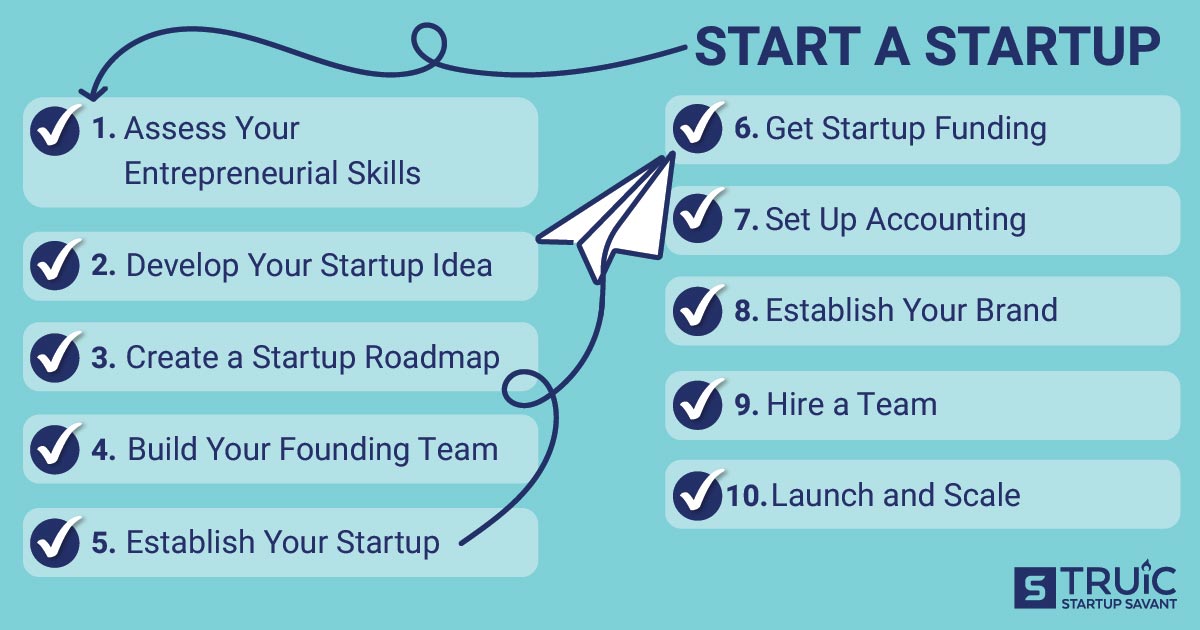
Once the financial foundation is laid and a robust plan is in place, the next critical step is to secure the necessary capital to transform the vision into a reality. Funding is the lifeblood of any startup, enabling product development, market entry, and scaling operations.
Bootstrapping: Maximizing Self-Funding
Bootstrapping refers to funding a business solely through personal finances, initial sales, and efficient management of resources, without external investment. This approach forces financial discipline and creativity, minimizing debt and equity dilution. Entrepreneurs typically reinvest every dollar earned back into the business, carefully prioritizing essential expenditures and deferring non-critical ones. While challenging, bootstrapping allows founders to maintain complete control and ownership of their company. It requires a lean operational model, focusing on rapid revenue generation and minimizing overhead. This strategy is often ideal for service-based businesses or those with low initial capital requirements, proving market validation before seeking larger investments.
Exploring Debt Financing Options
Debt financing involves borrowing money that must be repaid, typically with interest, over a set period. Unlike equity financing, it does not dilute ownership. Common debt financing options for startups include small business loans from banks, lines of credit, or microloans. Eligibility often depends on the entrepreneur’s personal credit score, the business’s projected cash flow, and the availability of collateral. Government-backed loan programs, such as those offered by the Small Business Administration (SBA) in the U.S., can provide more favorable terms for startups. While debt can provide necessary capital, it also adds fixed financial obligations, requiring meticulous cash flow management to ensure timely repayments and avoid financial distress.
Attracting Equity Investors: Angel Investors and Venture Capital
Equity financing involves selling a portion of the company’s ownership to investors in exchange for capital. This is a common path for high-growth startups with significant scalability potential. Angel investors are high-net-worth individuals who invest their personal capital, often in early-stage startups, providing not just money but also valuable mentorship and industry connections. Venture Capital (VC) firms invest institutional money, usually in more established startups with proven traction, seeking substantial returns on their investment over a defined period (typically 5-7 years). Attracting equity investors requires a compelling pitch deck, a solid financial model, a clear understanding of your valuation, and a strong exit strategy. Investors look for significant market opportunities, defensible competitive advantages, and a capable management team. The trade-off for this capital is a dilution of ownership and often a loss of some control, as investors gain seats on the board or influence strategic decisions.
Understanding Grants and Alternative Funding Sources
Beyond traditional debt and equity, startups can explore various alternative funding sources. Grants, often offered by government agencies, non-profits, or corporations, provide capital that does not need to be repaid. These are typically awarded based on specific criteria, such as promoting innovation in particular sectors (e.g., cleantech, biotech) or addressing social issues. While highly competitive, grants can be a fantastic non-dilutive funding option. Crowdfunding platforms (e.g., Kickstarter, Indiegogo for rewards-based; SeedInvest, Republic for equity-based) allow startups to raise small amounts of money from a large number of individuals, often testing market interest simultaneously. Other options include accelerator programs that offer small investments in exchange for equity, often coupled with mentorship and networking opportunities. Exploring these diverse avenues can help fill funding gaps and provide capital tailored to specific startup needs.
Managing Startup Finances: Beyond the Initial Boost
Securing initial funding is a significant milestone, but the ongoing financial management of a startup is where long-term success or failure is determined. Effective financial stewardship ensures the company remains solvent, profitable, and capable of sustained growth.
Budgeting and Expense Control for Longevity
A stringent budget is non-negotiable for a startup. It’s a detailed plan for how money will be spent over a specific period, typically monthly or quarterly. Every expense, from salaries and marketing to software subscriptions and office supplies, must be accounted for and justified. Startups must cultivate a culture of frugality, prioritizing essential expenditures and constantly seeking cost efficiencies. Regular budget vs. actual performance reviews are crucial for identifying discrepancies, adjusting spending, and preventing overruns. This constant vigilance over expenses helps preserve precious capital, extending the runway and increasing the chances of reaching profitability before running out of funds.
Establishing Sound Financial Systems and Metrics
Robust financial systems are essential for accurate record-keeping, compliance, and informed decision-making. This includes implementing appropriate accounting software (e.g., QuickBooks, Xero), setting up clear invoicing and payment processing procedures, and categorizing expenses properly. Beyond basic bookkeeping, startups must define and track key financial metrics (Key Performance Indicators or KPIs) relevant to their business model. Examples include Customer Acquisition Cost (CAC), Lifetime Value (LTV), burn rate, gross margin, net profit margin, and monthly recurring revenue (MRR) for subscription businesses. Regularly analyzing these metrics provides insights into financial health, operational efficiency, and areas needing improvement, enabling proactive adjustments to strategy.
Understanding Cash Flow and Profitability Drivers
Cash flow is the movement of money into and out of your business, and it is arguably more critical than profitability in the early stages of a startup. A business can be profitable on paper but still fail due to insufficient cash flow to cover daily operational expenses. Startups must diligently manage their working capital, optimizing accounts receivable (getting paid quickly) and accounts payable (paying strategically). Understanding the primary drivers of both cash flow and profitability is vital. This involves identifying which products or services contribute most to revenue and profit margins, understanding the cost structure, and recognizing market dynamics that influence pricing and demand. Focusing on activities that generate positive cash flow and improve profitability will ensure the startup has the liquidity to operate and invest in growth.
Scaling for Sustainable Financial Success
As a startup gains traction, the focus shifts from mere survival to strategic scaling for sustainable financial success. This phase involves making judicious financial decisions to expand operations, increase market share, and ultimately maximize shareholder value.
Reinvesting Profits for Strategic Growth
Once a startup begins to generate consistent profits, a crucial decision is how to allocate these earnings. For most growth-oriented companies, reinvesting a significant portion of profits back into the business is the most effective strategy for sustainable growth. This could mean funding research and development for new products, expanding into new markets, upgrading technology, increasing marketing spend to acquire more customers, or hiring key talent. Strategic reinvestment allows the company to build on its successes, enhance its competitive position, and drive future revenue streams. It’s about balancing short-term gains with long-term vision, using financial success as a catalyst for further expansion rather than immediate shareholder payouts.
Exit Strategies and Valuation Considerations
From a financial perspective, understanding potential exit strategies is crucial, especially for equity-funded startups. An exit strategy outlines how investors will eventually liquidate their stake and realize a return on their investment. Common exit strategies include acquisition by a larger company, an Initial Public Offering (IPO), or a management buyout. While an IPO is often the dream, acquisition is a more common reality for many startups. Early consideration of exit strategies helps shape financial decisions, product development, and overall business strategy to align with potential acquirers’ interests or public market requirements. Furthermore, understanding the factors that drive valuation – revenue growth, profitability, market share, intellectual property, and competitive advantage – is paramount for maximizing returns when an exit opportunity arises. Founders should continuously work to enhance these valuation drivers.
Continuous Financial Monitoring and Adaptation
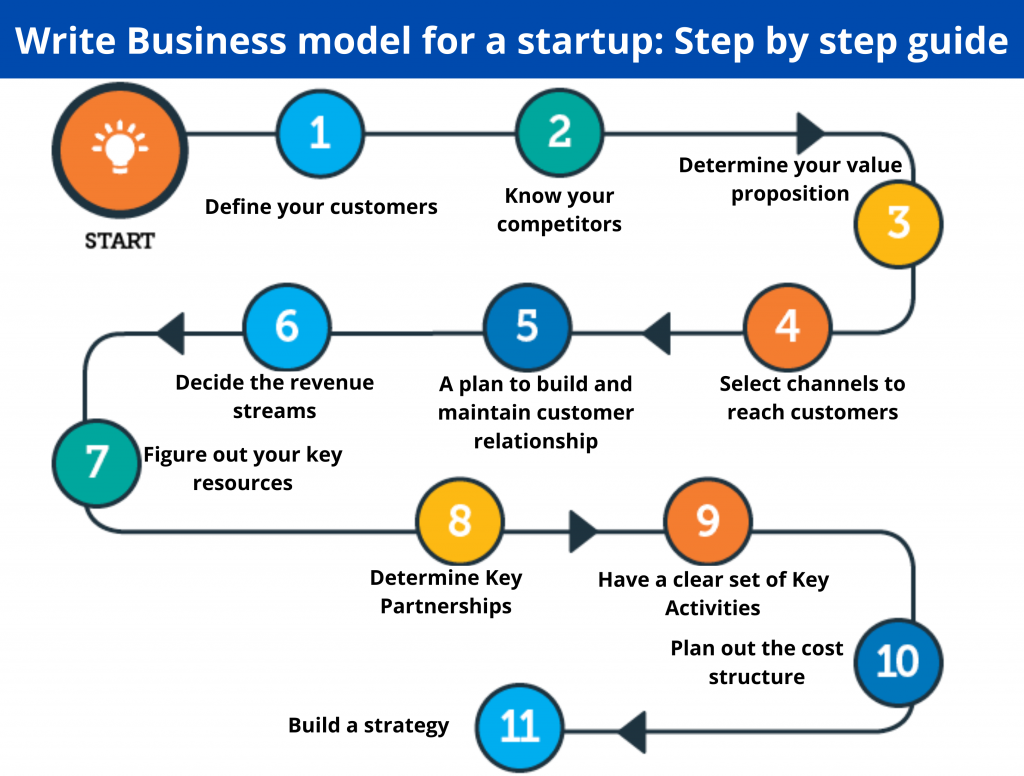
The business landscape is constantly evolving, and a startup’s financial health requires continuous monitoring and a willingness to adapt. This involves regularly reviewing financial performance against projections, identifying market shifts, and assessing the impact of economic changes. Financial planning should be a dynamic process, with forecasts and budgets updated to reflect new realities. Agility in financial decision-making, such as adjusting pricing models, optimizing operational costs, or pivoting revenue strategies, can be the difference between thriving and failing. A commitment to ongoing financial analysis, forecasting, and strategic adaptation ensures the startup remains resilient, capitalizes on new opportunities, and maintains a strong financial footing for the long haul.
aViewFromTheCave is a participant in the Amazon Services LLC Associates Program, an affiliate advertising program designed to provide a means for sites to earn advertising fees by advertising and linking to Amazon.com. Amazon, the Amazon logo, AmazonSupply, and the AmazonSupply logo are trademarks of Amazon.com, Inc. or its affiliates. As an Amazon Associate we earn affiliate commissions from qualifying purchases.