
In the modern landscape of personal finance and global commerce, the ability to move capital quickly, securely, and across borders is no longer a luxury—it is a necessity. As the digital economy continues to expand, the traditional barriers of brick-and-mortar banking are being replaced by versatile financial tools that cater to freelancers, entrepreneurs, and savvy consumers alike. At the forefront of this revolution is PayPal, a platform that has transformed from a simple payment processor into a comprehensive financial ecosystem. Understanding how to create and optimize a PayPal account is a foundational step for anyone looking to master their personal finance or scale a side hustle in the 21st century.
Understanding PayPal’s Role in Modern Personal and Business Finance
Before diving into the technicalities of account creation, it is essential to recognize PayPal’s position within the broader financial sector. It serves as a bridge between traditional banking institutions and the fast-paced world of e-commerce. For many, PayPal is the primary gateway for online income, acting as a digital vault that facilitates transactions without exposing sensitive banking details to every merchant.
The Shift from Traditional Banking to Digital Wallets
The traditional banking model often involves delays, high wire-transfer fees, and rigid operating hours. Digital wallets like PayPal have disrupted this by offering instantaneous peer-to-peer transfers and a streamlined checkout experience. In the context of “Money Management,” PayPal acts as a liquid asset repository. It allows users to hold multiple currencies, making it an indispensable tool for those engaged in international trade or those who receive dividends and payments from foreign entities. By centralizing these transactions, users gain a clearer overview of their digital cash flow, which is the first step toward effective budgeting.
Why PayPal Remains the Gold Standard for Online Income
For those pursuing side hustles or full-time freelance careers, PayPal is often the non-negotiable standard. Most global marketplaces—from Etsy and eBay to Upwork and Fiverr—rely on PayPal as their primary disbursement method. The platform’s ubiquity means that having a verified account is synonymous with financial credibility. From a business finance perspective, it provides the infrastructure needed to accept payments without the overhead of a dedicated merchant bank account, significantly lowering the barrier to entry for new entrepreneurs.
Step-by-Step Guide to Setting Up Your Account for Maximum Utility
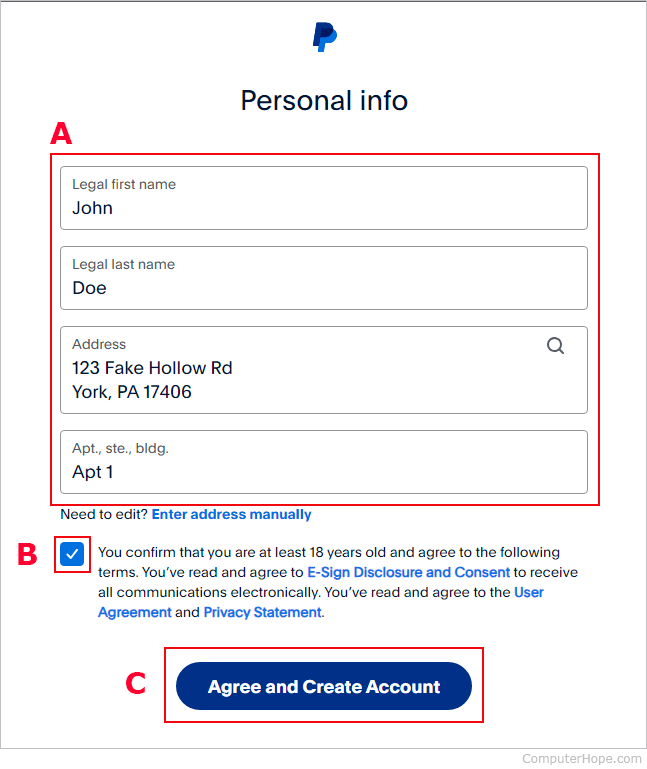
Creating a PayPal account is a straightforward process, but doing it correctly requires a strategic approach to ensure your financial data is integrated seamlessly. The decisions you make during the initial setup will dictate the fees you pay, the limits on your transactions, and the level of professionality you project to clients.
Choosing Between Personal and Business Accounts
The first crossroad in your journey is selecting the account type. A Personal Account is ideal for individuals who primarily use the platform for shopping, sending money to family, or occasional casual selling. It offers a streamlined interface focused on spending and basic money management.
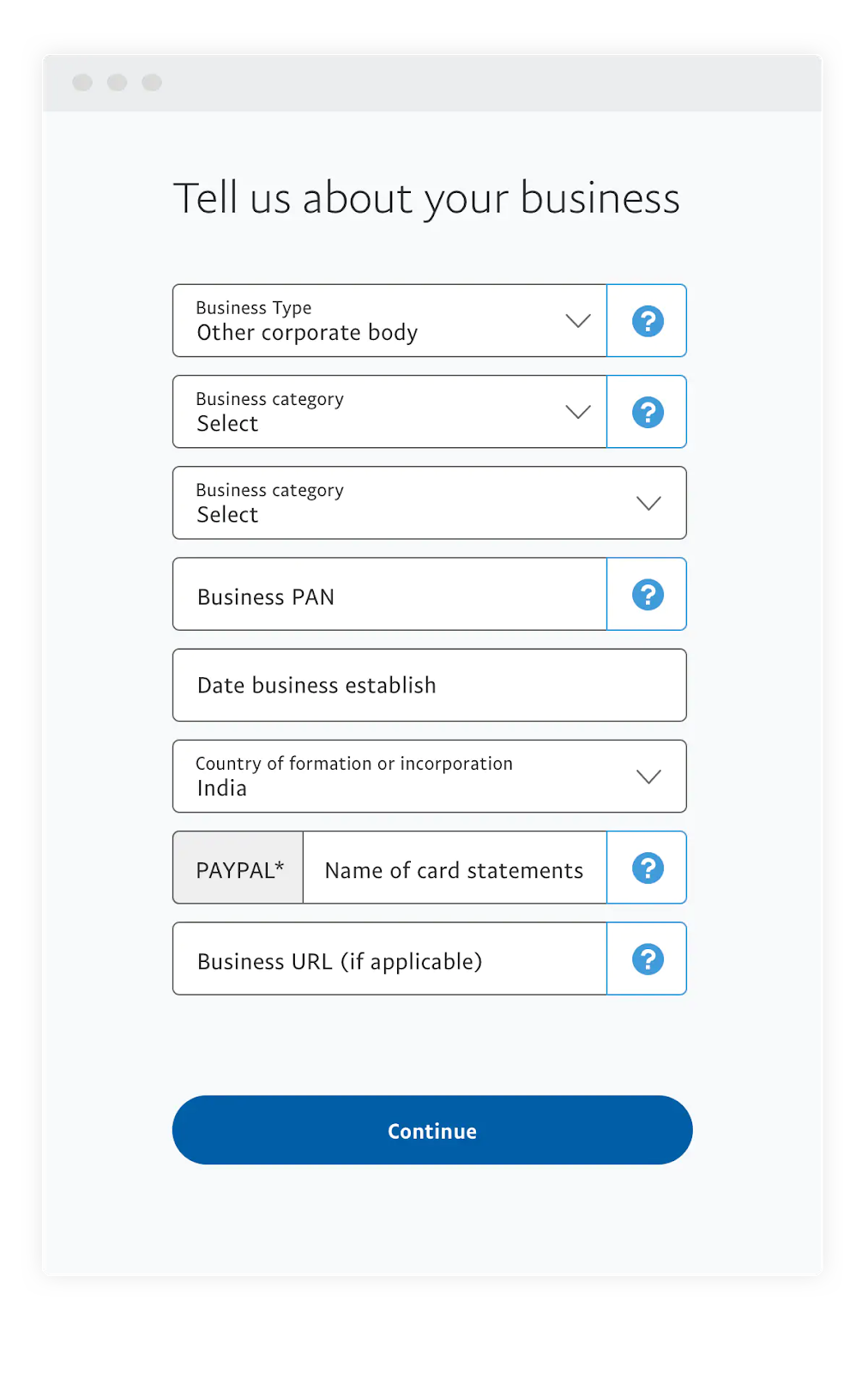
Conversely, a Business Account is a robust financial tool designed for growth. It allows you to operate under a company name, grants access for up to 200 employees with different levels of permissions, and provides advanced reporting features. From a “Business Finance” standpoint, the Business Account is superior because it enables you to accept credit cards and bank transfers from customers who may not even have a PayPal account themselves. Choosing the right path early prevents the administrative headache of converting accounts later as your income streams grow.
The Verification Process: Linking Banks and Cards
A PayPal account is only as powerful as the funding sources behind it. To move from a “restricted” status to a fully functional financial tool, you must complete the verification process. This involves linking a local bank account and a debit or credit card.
From a personal finance perspective, linking a credit card can offer an extra layer of protection and allow you to earn rewards points on your purchases, while linking a bank account is essential for “sweeping” your PayPal balance into your primary savings or investment accounts. PayPal verifies these links through small “micro-deposits” or temporary charges. Completing this step removes withdrawal limits, allowing you to move large sums of money—critical for those using the platform for significant business transactions or high-ticket side hustle earnings.
Optimizing PayPal for Side Hustles and Freelancing

Once your account is active, the focus shifts from setup to optimization. For anyone looking to generate online income, PayPal offers a suite of professional tools that can automate the “Money” side of your business, allowing you to focus on your craft.
Managing Invoices and Professional Payments
One of the most underutilized features of PayPal is its integrated invoicing system. Rather than sending a manual email asking for payment, you can generate professional, itemized invoices directly through the platform. This not only looks more professional to clients but also provides a clear paper trail for tax purposes. You can track which invoices are pending, sent, or paid, effectively serving as a basic bookkeeping software. For a freelancer, this organization is the difference between a chaotic cash flow and a predictable financial cycle.
Understanding Fee Structures and Currency Conversion
To master your finances, you must account for the cost of doing business. PayPal earns its revenue through transaction fees, which typically vary based on whether the payment is domestic or international. For those involved in “Online Income,” it is vital to factor these fees into your pricing strategy.
Furthermore, PayPal’s currency conversion rates often include a spread. If you are receiving significant sums in foreign currency, a sophisticated financial strategy might involve holding those funds in their original currency within PayPal until exchange rates are favorable, or using integrated third-party apps to transfer funds to multi-currency bank accounts. Being proactive about these “hidden” costs ensures that more of your hard-earned money stays in your pocket.
Security and Financial Protection in the Digital Space
In the realm of money and finance, security is the bedrock of trust. Because PayPal is a high-traffic hub for capital, it is a frequent target for phishing and fraud. Protecting your account is not just a technical task; it is a fundamental aspect of digital asset management.
Implementing Two-Factor Authentication and Secure Habits
The first line of defense for your financial tools should always be Two-Factor Authentication (2FA). By requiring a code from your mobile device or an authenticator app, you add a layer of security that passwords alone cannot provide. Additionally, savvy users should never click on links in emails claiming to be from PayPal; instead, always navigate directly to the official website. In the world of personal finance, a single compromised account can lead to significant setbacks; therefore, treating your PayPal credentials with the same reverence as your primary bank login is essential.
Navigating PayPal’s Purchase Protection and Dispute Resolution
One of the primary reasons PayPal is favored as a financial tool is its robust “Purchase Protection.” If a service isn’t rendered or a product is not as described, PayPal acts as a mediator to recoup your funds. For sellers, “Seller Protection” offers a shield against fraudulent chargebacks. Understanding the documentation required to win a dispute—such as proof of delivery or signed contracts—is a critical skill for managing business finance. This dispute resolution framework provides a level of security that traditional wire transfers or cash payments simply cannot match.
Integrating PayPal into Your Long-Term Financial Strategy
A PayPal account should not exist in a vacuum. To truly benefit from this financial tool, it should be integrated into your overall wealth-management strategy.
Using PayPal for Budgeting and Expense Tracking
By using PayPal for all online subscriptions and discretionary spending, you create a centralized “statement of truth.” Many budgeting apps can sync directly with PayPal, allowing you to categorize your spending automatically. This visibility is crucial for identifying “subscription creep”—those small monthly charges that can quietly erode your savings. When you treat PayPal as a dedicated “spending bucket,” you can better control your primary bank balance and ensure your long-term investment goals remain on track.
Leveraging PayPal’s Credit and Savings Features
In recent years, PayPal has expanded its financial offerings to include “PayPal Credit” and high-yield savings options in certain markets. For a business, PayPal Working Capital can provide a quick infusion of cash based on your sales history, which can be used to purchase inventory or invest in marketing. For the individual, the ability to “Buy Now, Pay Later” (BNPL) can be a useful tool for managing cash flow, provided it is used responsibly within a structured financial plan. By viewing PayPal as more than a checkout button—and rather as a flexible financial partner—you can leverage these tools to enhance your liquidity and grow your net worth.
In conclusion, creating a PayPal account is merely the entry point into a sophisticated world of digital finance. By choosing the right account type, verifying your identity, optimizing for professional use, and maintaining rigorous security, you transform a simple app into a powerful engine for financial growth. Whether you are managing a global enterprise or a local side hustle, mastering this tool is an essential component of modern financial literacy.
aViewFromTheCave is a participant in the Amazon Services LLC Associates Program, an affiliate advertising program designed to provide a means for sites to earn advertising fees by advertising and linking to Amazon.com. Amazon, the Amazon logo, AmazonSupply, and the AmazonSupply logo are trademarks of Amazon.com, Inc. or its affiliates. As an Amazon Associate we earn affiliate commissions from qualifying purchases.