
The evolution of decentralized ledger technology has transformed from a niche experiment into a global industrial standard. For developers and tech enthusiasts, the question of “how to create a crypto” is no longer a matter of theoretical curiosity but a practical engineering challenge. Creating a cryptocurrency requires a deep understanding of cryptography, distributed systems, and software architecture. This guide provides a technical roadmap for building a digital asset, focusing on the infrastructure, the consensus protocols, and the deployment frameworks necessary to bring a new cryptocurrency to life.
1. Defining the Architectural Framework: Coin vs. Token
Before a single line of code is written, a fundamental technical decision must be made: will you build a sovereign blockchain or deploy a smart contract on an existing network? This choice determines the complexity, scalability, and resource requirements of the project.
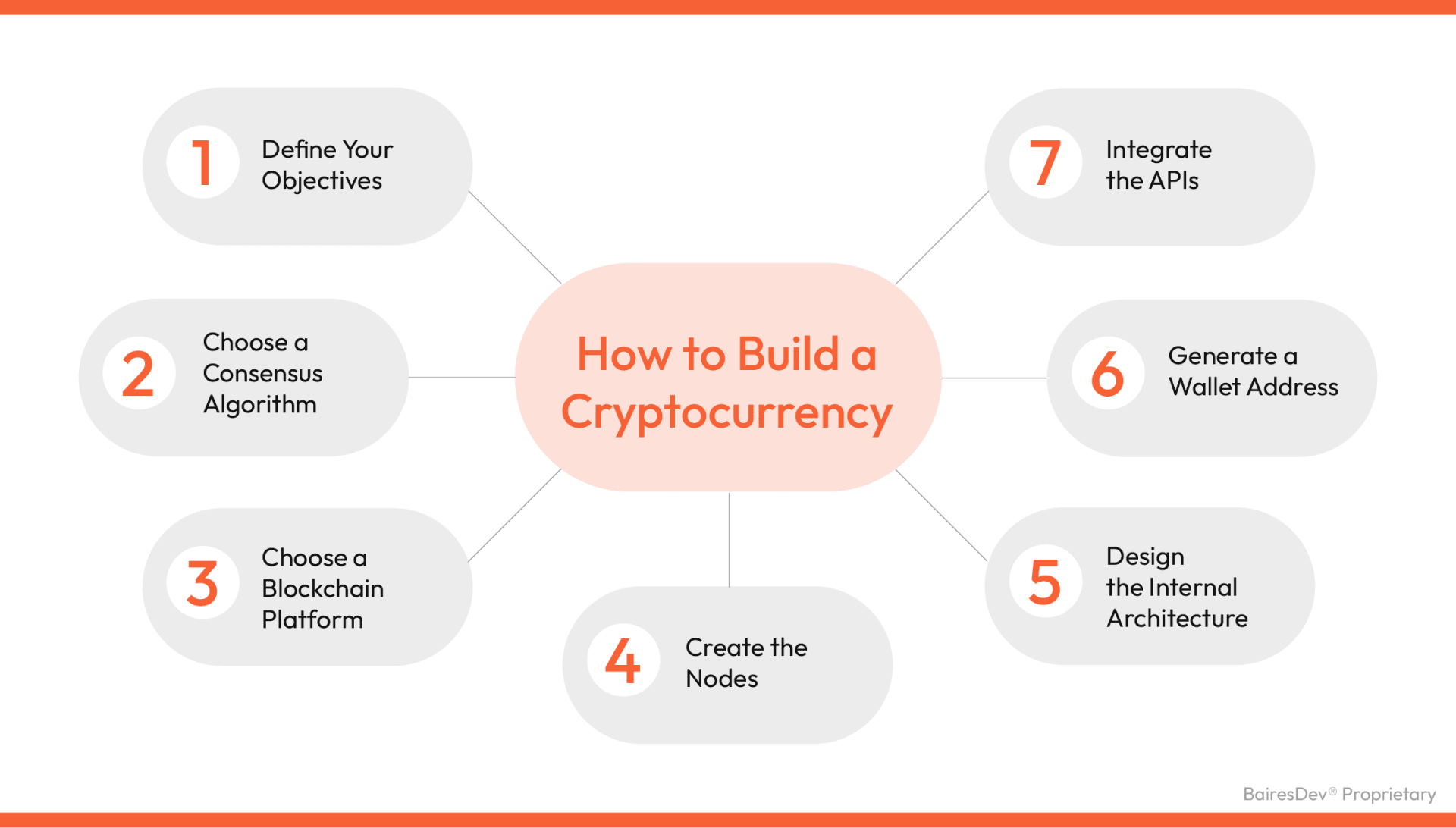
Building a Native Blockchain (The “Coin” Path)
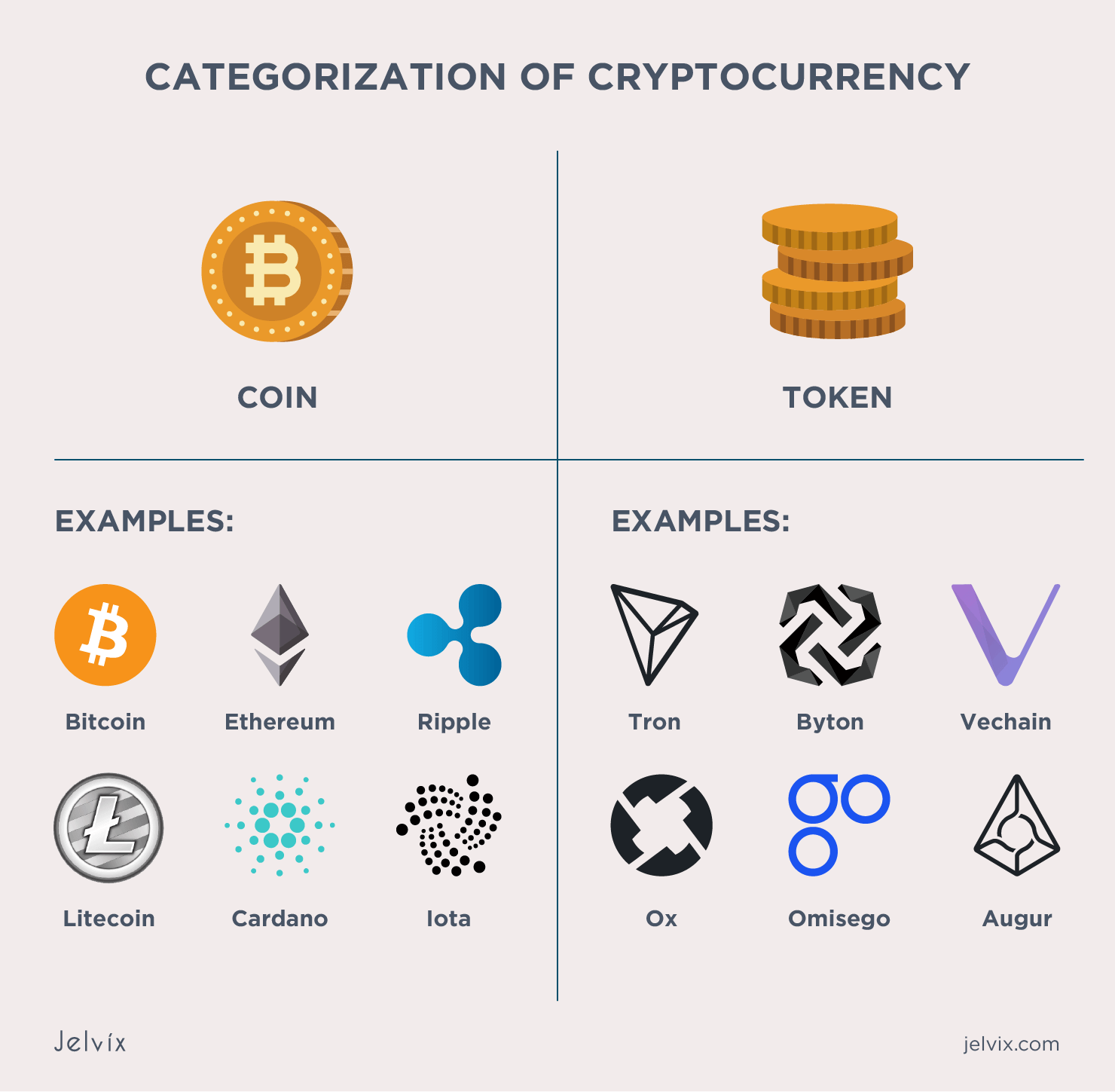
A “coin” operates on its own independent blockchain. Creating a native blockchain, such as Bitcoin or Solana, involves building a distributed ledger from scratch. This requires defining how nodes communicate (P2P networking), how data is stored (Merkle trees), and how transactions are validated.
The technical advantage of this path is total sovereignty. You have complete control over block time, block size, and the underlying protocol. However, the engineering overhead is immense. You must recruit a network of independent validators or miners to secure the chain, which involves complex incentive engineering and robust security measures against 51% attacks.
Leveraging Existing Networks (The “Token” Path)
A “token” is a digital asset built on top of an existing blockchain, such as Ethereum, Binance Smart Chain, or Polygon. This is achieved through smart contracts—self-executing code that defines the token’s behavior. Using standards like ERC-20 (for fungible tokens) or ERC-721 (for NFTs) allows developers to inherit the security and decentralization of the host network.
This approach is highly efficient for most software applications. It removes the need to build a consensus layer and allows developers to focus on the application logic. The trade-off is that you are bound by the host network’s gas fees, congestion, and technical limitations.
2. Establishing Consensus and Network Security
The heart of any cryptocurrency is its consensus mechanism—the protocol through which a distributed network of computers agrees on the state of the ledger. This mechanism ensures that the system is Byzantine Fault Tolerant (BFT), meaning it can function correctly even if some participants are malicious or offline.
Proof of Work vs. Proof of Stake
Traditionally, Proof of Work (PoW) was the standard. It relies on computational power to solve complex mathematical puzzles, a process known as mining. While highly secure, PoW is difficult to scale and energy-intensive.
Modern crypto development favors Proof of Stake (PoS). In a PoS system, validators are chosen based on the number of coins they “stake” or lock up as collateral. From a technical perspective, PoS requires sophisticated slashing conditions (penalties for bad actors) and robust randomness for validator selection. Other emerging mechanisms include Proof of History (PoH), used by Solana for high-throughput time-stamping, and Proof of Authority (PoA), which is often used in private or enterprise-grade blockchains where validators are known entities.
Designing Node Architecture and Data Structures
Once a consensus model is chosen, you must design the internal data structures. Most cryptocurrencies use a Linked List or a Directed Acyclic Graph (DAG) to record transactions. Each block contains a cryptographic hash of the previous block, creating an immutable chain.
Technically, you must define the “State Machine.” This is the part of the software that takes the current state (account balances, contract data) and an input (a new transaction) to produce a new state. If you are building a programmable blockchain, you will likely need to implement a Virtual Machine (like the EVM) to execute complex logic across all nodes simultaneously.
3. The Development Phase: Coding and Smart Contracts
With the architecture defined, the project moves into the implementation phase. This involves selecting the right stack and writing the core logic that governs how the cryptocurrency behaves.
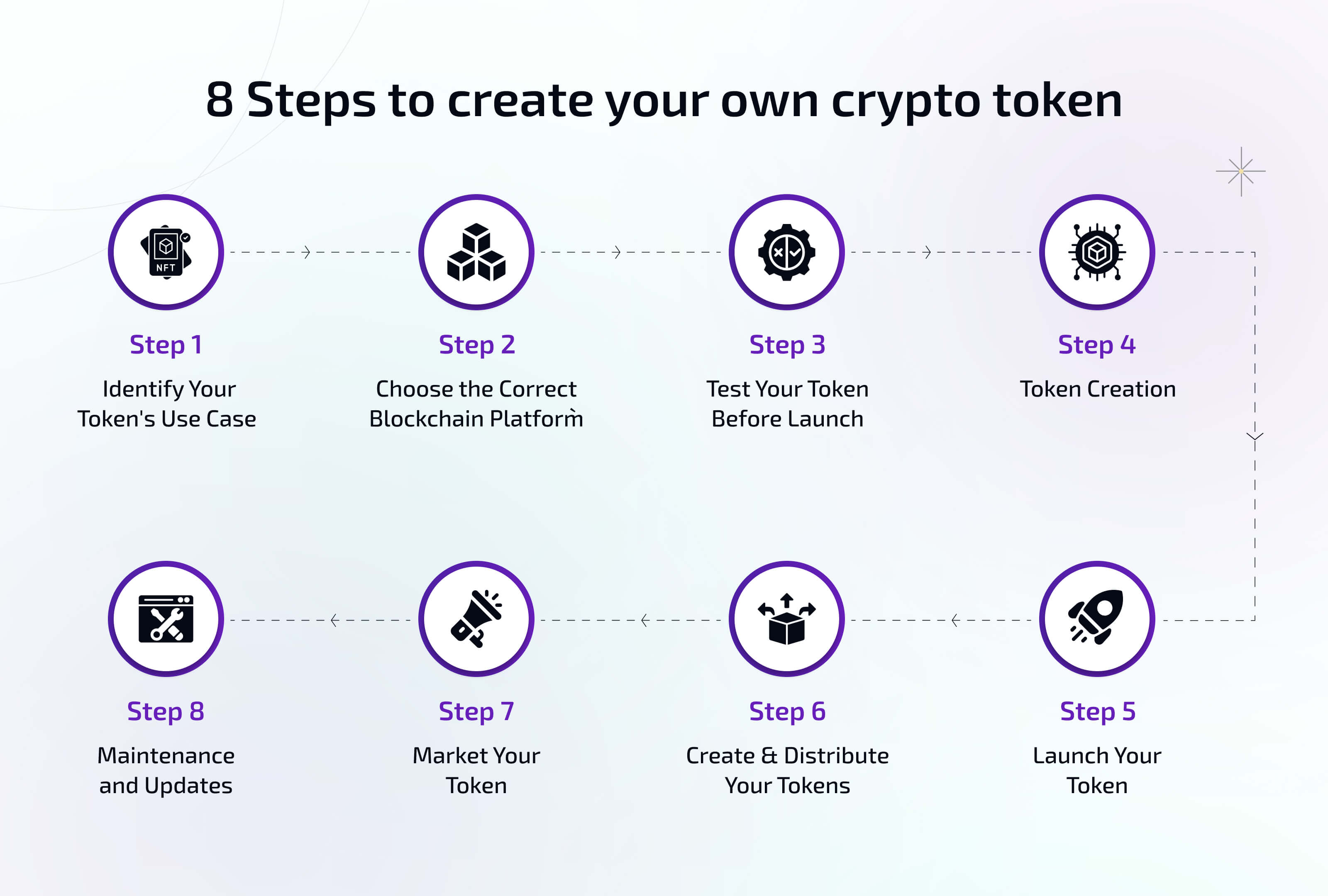
Choosing the Right Programming Languages
The choice of language depends on the chosen path. If building a native blockchain, low-level languages like C++, Rust, or Go are preferred due to their memory efficiency and performance. Rust, in particular, has become the industry standard for high-performance chains like Polkadot and Solana because of its memory safety features.
If you are creating a token on an existing blockchain, you will use high-level smart contract languages. Solidity is the primary language for the Ethereum ecosystem. It is an object-oriented, statically-typed language designed specifically for the Ethereum Virtual Machine (EVM). Alternatively, Vyper offers a more secure, Python-like syntax for developers who prioritize simplicity and auditability.
Writing and Auditing Smart Contracts
A smart contract for a token typically includes functions such as transfer, balanceOf, and approve. For a successful deployment, the code must be gas-optimized. Every operation on a blockchain costs “gas,” and inefficient code can make a cryptocurrency prohibitively expensive to use.
Crucially, smart contracts are immutable once deployed. This means any bug is permanent. Technical teams must conduct rigorous unit testing and seek third-party security audits. Tools like Slither or Mythril can be used for automated vulnerability scanning to detect common issues like reentrancy attacks or integer overflows.
API Integration and Node Deployment
For the cryptocurrency to be functional, it needs to interact with the outside world. This requires the development of robust APIs (Application Programming Interfaces). Developers often use JSON-RPC interfaces to allow wallets and explorers to query the blockchain.
If you are running a native chain, you must deploy “seed nodes” to help new participants discover the network. You must also provide documentation for running a full node, which stores the entire history of the blockchain, and light nodes, which allow mobile wallets to verify transactions without downloading the entire ledger.
4. Security Protocols and Testing
In the world of digital assets, security is not a feature—it is the foundation. A single technical oversight can lead to the total loss of assets.
Implementing Cryptographic Standards
Cryptocurrencies rely on public-key cryptography. You must decide which elliptic curve to use for generating addresses and signing transactions. secp256k1 is the curve used by Bitcoin and Ethereum, while Ed25519 is gaining popularity for its speed and security in newer protocols. Ensuring that private keys are generated via high-entropy random number generators is critical to preventing wallet compromises.
Testnet Deployment and Stress Testing
Before a “Mainnet” launch, the cryptocurrency must undergo extensive testing on a “Testnet.” This is a sandbox environment that mimics the live blockchain but uses valueless coins.
During this phase, developers perform stress testing to determine the network’s Transactions Per Second (TPS) limit. This involves simulating high traffic to see how the network handles congestion. Developers also test “Edge Cases,” such as what happens if 30% of nodes suddenly go offline or if there is a chain split (fork). Only after the software has proven stable under extreme conditions should it move to the final launch.
5. Launch and Infrastructure Maintenance
The final stage of creating a cryptocurrency is the migration to a live environment. However, the work does not end at deployment; a blockchain is a living software system that requires constant maintenance.
Mainnet Migration and Genesis Block
The “Genesis Block” is the first block of a new blockchain. It is hardcoded into the software and serves as the anchor for all subsequent blocks. For tokens, the launch involves deploying the finalized, audited smart contract to the live network. This process requires “gas” in the native currency of the host chain (e.g., ETH for Ethereum tokens).
Maintaining Scalability and Upgradability
As the user base grows, the technical team must address scalability. This might involve implementing Layer 2 solutions, such as Rollups or State Channels, which process transactions off-chain to reduce load on the main ledger.
Furthermore, blockchain protocols often need updates. Since blockchains are decentralized, updates usually require a “hard fork” or a “soft fork.” Developers must manage the governance process, ensuring that node operators and validators upgrade their software to the latest version to maintain network consensus. Continuous monitoring for network anomalies and maintaining a clear technical roadmap for future protocol improvements are essential for the long-term viability of the cryptocurrency.
By following these technical stages—from choosing an architecture and consensus model to coding smart contracts and managing a live mainnet—developers can navigate the complexities of cryptocurrency creation. While the barrier to entry has lowered thanks to standardized frameworks, the demand for rigorous engineering and security remains as high as ever.
aViewFromTheCave is a participant in the Amazon Services LLC Associates Program, an affiliate advertising program designed to provide a means for sites to earn advertising fees by advertising and linking to Amazon.com. Amazon, the Amazon logo, AmazonSupply, and the AmazonSupply logo are trademarks of Amazon.com, Inc. or its affiliates. As an Amazon Associate we earn affiliate commissions from qualifying purchases.