
Navigating the landscape of auto insurance can often feel like deciphering a complex financial puzzle. With countless providers, myriad coverage options, and a host of factors influencing premiums, many drivers find themselves overwhelmed when trying to make an informed decision. Yet, understanding how to effectively compare auto insurance policies is not merely a matter of finding the cheapest rate; it’s about securing comprehensive financial protection that aligns with your specific needs, risk tolerance, and budget. In a world where car ownership is a significant financial commitment, optimizing your insurance spend is a cornerstone of responsible personal finance. This guide will equip you with the insights and tools necessary to meticulously compare policies, ensuring you get the most value for your money and robust coverage when you need it most.
Demystifying Auto Insurance: Essential Coverage Types
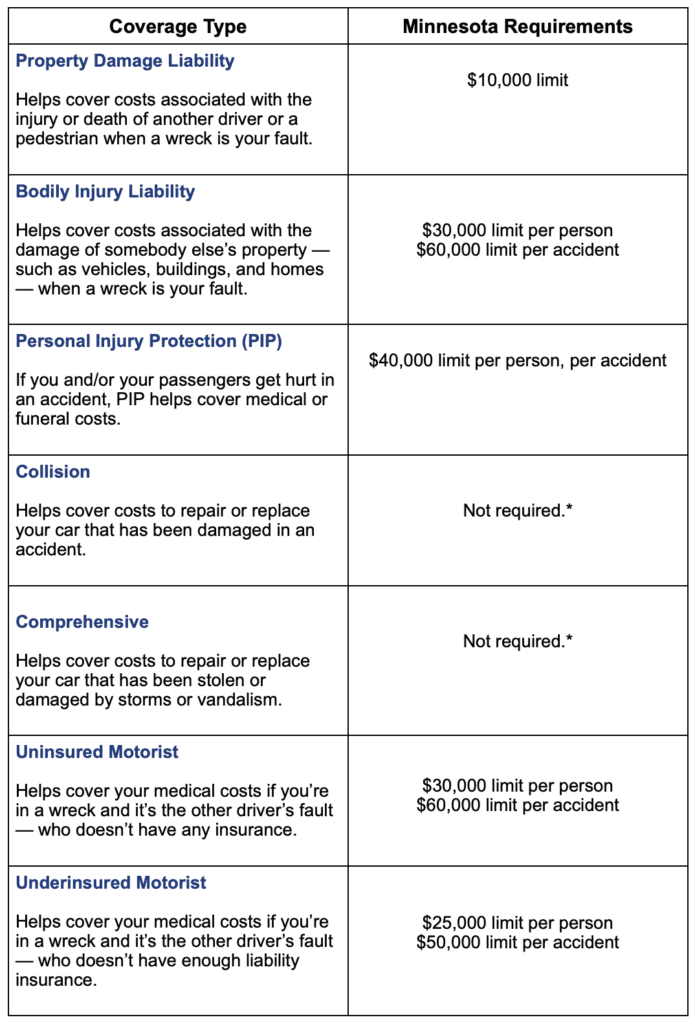
Before you can compare policies, it’s crucial to understand the fundamental components of auto insurance. Each type of coverage serves a distinct purpose, and a well-rounded policy typically includes a combination of these to offer comprehensive financial protection. Without a clear grasp of what you’re buying, comparing simply on price is a gamble.
Liability Coverage: Protecting Others
This is the most fundamental and often legally mandated type of auto insurance. It’s designed to protect other drivers, passengers, and property if you are found at fault in an accident. Liability coverage typically has two components:
- Bodily Injury Liability: Covers medical expenses, lost wages, and pain and suffering for individuals injured in an accident you cause. It’s usually quoted as two numbers, e.g., $50,000/$100,000, meaning $50,000 per person and $100,000 per accident.
- Property Damage Liability: Covers the cost of repairs or replacement of property you damage in an accident, such as another vehicle, a fence, or a building. This is the third number in a typical quote, e.g., $50,000/$100,000/$25,000, meaning $25,000 for property damage.
Understanding your state’s minimum requirements is essential, but often, opting for higher liability limits is a prudent financial decision. The cost difference might be minimal, but the added protection against potentially ruinous lawsuits can be invaluable.
Collision and Comprehensive Coverage: Protecting Your Vehicle
These coverages protect your vehicle from damage, regardless of fault. They are often required if you have a car loan or lease.
- Collision Coverage: Pays for damage to your car resulting from a collision with another vehicle or object, or if you roll over. This comes with a deductible, which is the amount you must pay out-of-pocket before your insurance kicks in.
- Comprehensive Coverage: Protects your car from non-collision-related incidents, such as theft, vandalism, fire, natural disasters (hail, floods), or hitting an animal. Like collision, it also carries a deductible.
When comparing these, consider your vehicle’s value. For older cars with low market value, the cost of collision and comprehensive might outweigh the potential payout, making it a financial decision to drop them.
Additional Essential Coverages
Beyond the basics, several other coverages offer crucial financial safeguards:
- Uninsured/Underinsured Motorist (UM/UIM): Protects you if you’re involved in an accident with a driver who has no insurance or insufficient insurance to cover your damages. This is a critical safety net given the prevalence of uninsured drivers.
- Medical Payments (MedPay) / Personal Injury Protection (PIP): These cover medical expenses for you and your passengers, regardless of who is at fault, often including lost wages and rehabilitation. PIP is common in “no-fault” states.
- Roadside Assistance / Rental Car Reimbursement: While not directly related to accident costs, these can save you significant out-of-pocket expenses and inconvenience during breakdowns or after an accident.
When comparing, always ensure you’re getting quotes for the same types and levels of coverage to make an apples-to-apples comparison.
Unpacking Your Premium: Factors Influencing Cost
Auto insurance premiums are highly personalized, a sophisticated actuarial calculation based on a multitude of risk factors. Understanding these can help you anticipate costs and identify areas where you might be able to influence your rate. From a financial perspective, knowing these variables helps you understand the levers available for cost control.
Personal Demographics and Driving History
Your age, gender, marital status, and location all play a role. Younger, less experienced drivers typically pay more due to a higher perceived risk. Urban areas with higher traffic density and crime rates often incur higher premiums than rural areas.
Crucially, your driving record is paramount. A history of accidents, traffic violations (speeding tickets, DUIs), or claims will significantly elevate your rates. Insurers look for patterns of risky behavior, and a clean driving record is your most powerful tool for securing lower premiums. Conversely, a poor record can be a major financial liability, resulting in higher insurance costs for years.
Vehicle Characteristics
The make, model, year, and even color of your car contribute to its insurance cost. High-performance or luxury vehicles are typically more expensive to insure due to higher repair costs, greater likelihood of theft, and often, higher potential for accidents at speed. Vehicles with excellent safety ratings, anti-theft devices, and lower repair costs can qualify for discounts. Always research insurance costs before purchasing a new vehicle, as this can be a hidden financial drain.
Credit Score and Prior Insurance History
In many states, your credit-based insurance score (which is related to, but not identical to, your regular credit score) can significantly impact your premium. Insurers use this as a predictor of how likely you are to file a claim. Maintaining a good credit score is not just good for loans; it’s a direct route to lower insurance costs.
Similarly, a history of continuous insurance coverage signals responsibility to insurers. Lapses in coverage can lead to higher rates when you reapply, as it suggests a higher risk profile or potential financial instability.
The Art of Comparison: Tools and Techniques
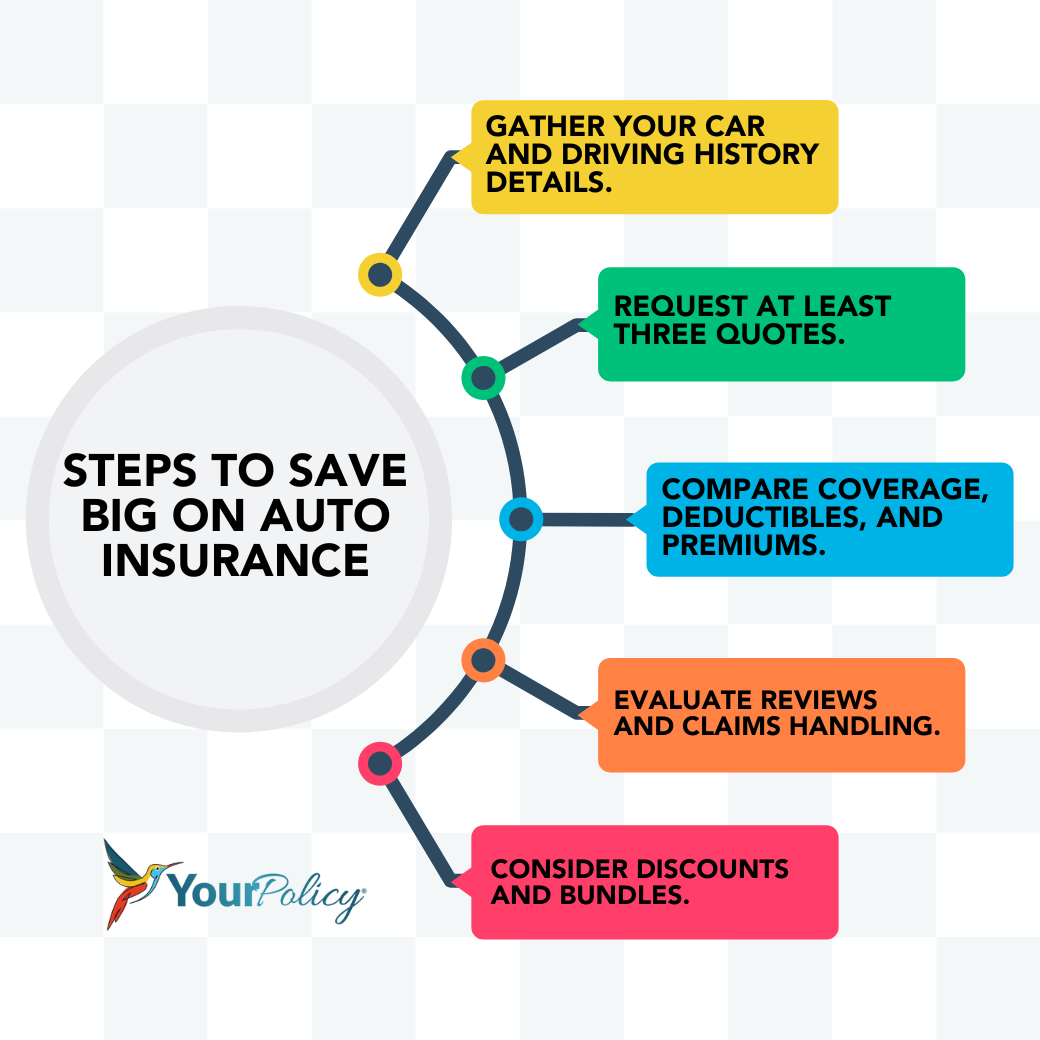
Once you understand what you need and what influences pricing, the next step is the actual comparison process. This involves leveraging various tools and strategies to gather quotes efficiently and accurately, ensuring you’re seeing the full picture of your financial options.
Utilizing Online Comparison Websites
Online comparison tools and aggregators have revolutionized the insurance shopping experience. Websites allow you to input your information once and receive multiple quotes from various insurers simultaneously. This saves an enormous amount of time and provides a broad snapshot of the market. However, be aware of their limitations:
- Not all insurers are represented: Some major insurers might not participate in all comparison sites.
- Quotes are often estimates: The final premium may differ after a more thorough underwriting process.
- Coverage customization: Ensure the site allows you to specify identical coverage levels for accurate comparison.
These tools are best used for an initial market scan and to identify a few strong contenders.
Direct Quotes from Insurers
After using comparison sites, or if you prefer a more hands-on approach, visit the websites of individual insurance companies or call their representatives directly. This allows for a deeper dive into policy specifics, potential niche discounts, and personalized advice. Direct quotes can sometimes reveal options not available through aggregators. When contacting insurers directly, always ask about:
- Specific discounts you might qualify for (e.g., multi-policy, good student, safe driver programs).
- Flexible payment plans.
- Any unique policy features or endorsements.
Working with Independent Agents
An independent insurance agent represents multiple insurance companies, not just one. They can be invaluable resources, acting as your personal insurance broker. They can:
- Shop around for you, leveraging their relationships with various carriers.
- Offer expert advice on coverage levels appropriate for your financial situation.
- Help you understand the nuances of different policies and identify gaps in coverage.
- Assist with the claims process should an accident occur.
While their services are typically free (they’re compensated by the insurers), the value of their expertise in tailoring a financial protection plan for your vehicle can be significant.
Beyond Price: Evaluating Policy Value and Provider Reliability
While premium cost is undeniably a critical factor in personal finance, making a decision based solely on price can be a costly mistake in the long run. The true value of an auto insurance policy extends far beyond its monthly or annual cost; it encompasses the quality of coverage, the reliability of the provider, and the efficiency of their claims process.
Assessing Coverage Limits and Deductibles
Higher coverage limits offer greater financial protection, safeguarding your assets against large claims. While a lower premium with minimal coverage might seem appealing initially, a severe accident could leave you personally liable for damages exceeding your policy limits, potentially leading to significant financial hardship or even bankruptcy. Evaluate the potential risks and choose limits that adequately protect your net worth.
Similarly, consider your deductible choices. A higher deductible will lower your premium, but you must be prepared to pay that amount out-of-pocket in the event of a claim. Assess your emergency fund and financial liquidity to determine a deductible you can comfortably afford without stress. A $1,000 deductible might save you $100 annually, but if you can’t readily access $1,000, that saving is an illusion.
Investigating Customer Service and Claims Handling
The real test of an insurance company comes when you need to file a claim. A low premium is meaningless if the claims process is a nightmare. Research the insurer’s reputation for customer service and claims efficiency. Look for:
- Financial Strength Ratings: Agencies like A.M. Best, Moody’s, and S&P rate the financial stability of insurance companies. A financially stable insurer is better equipped to pay out claims.
- Customer Reviews and Complaints: Check online reviews, JD Power ratings, and state insurance department complaint ratios. These can provide insights into how quickly and fairly an insurer handles claims and resolves issues.
- 24/7 Support: Is there always someone available to assist you, especially in an emergency?
A reliable insurer provides peace of mind, knowing that in the event of an accident, they will handle your claim promptly and fairly, minimizing financial stress and administrative hassle. This is a crucial, often overlooked, aspect of a policy’s true value.
Smart Strategies for Savings and Ongoing Management
Finding the right auto insurance policy isn’t a one-time event. It’s an ongoing financial management task. By implementing smart strategies, you can consistently optimize your coverage and reduce costs over time without compromising your financial security.
Leveraging Discounts and Bundling
Insurance companies offer a wide array of discounts, and proactively asking about them can lead to significant savings:
- Bundling: Combining your auto insurance with other policies (home, renters, life) from the same provider often yields a multi-policy discount. This is one of the most substantial ways to save.
- Safe Driver Discounts: Telematics programs (devices or apps that monitor driving behavior) can reward safe drivers with lower premiums.
- Good Student Discounts: For young drivers, academic achievement can lead to savings.
- Multi-Car Discounts: Insuring multiple vehicles with the same company.
- Anti-Theft Device Discounts: Alarms, tracking systems, and other security features.
- Paperless/Automatic Payment Discounts: Opting for convenience can save you money.
Always inquire about every discount you might qualify for. These add up and can make a considerable difference to your annual outlay.

Reviewing and Adjusting Your Policy Annually
Life circumstances change, and so should your insurance policy. Make it a financial habit to review your auto insurance at least once a year, or whenever major life events occur, such as:
- Purchasing a new vehicle: The type of car changes, so should your coverage.
- Marriage or divorce: Your household structure impacts rates.
- Adding or removing drivers: Teen drivers increase costs; adult children leaving home can decrease them.
- Moving to a new address: Your location is a key rating factor.
- Significant changes to your vehicle’s mileage: Driving less might qualify you for low-mileage discounts.
- Paying off your car loan: You might be able to drop collision and comprehensive coverage if your car’s value no longer justifies the cost.
Re-evaluating your needs and shopping around ensures your policy remains optimal and cost-effective, preventing you from overpaying for unnecessary coverage or being underinsured when it truly matters.
Comparing auto insurance policies is a crucial financial exercise that goes beyond simply finding the lowest price. It requires a thoughtful assessment of your coverage needs, an understanding of the factors that drive premiums, and a diligent approach to evaluating providers. By demystifying the various coverage types, dissecting the components of your premium, utilizing effective comparison tools, and prioritizing an insurer’s reliability alongside cost, you empower yourself to make a financially savvy decision. Remember, your auto insurance policy is a vital financial safety net; investing time in comparing options meticulously ensures it’s robust, appropriate, and offers genuine peace of mind on the road.
aViewFromTheCave is a participant in the Amazon Services LLC Associates Program, an affiliate advertising program designed to provide a means for sites to earn advertising fees by advertising and linking to Amazon.com. Amazon, the Amazon logo, AmazonSupply, and the AmazonSupply logo are trademarks of Amazon.com, Inc. or its affiliates. As an Amazon Associate we earn affiliate commissions from qualifying purchases.