
Navigating the landscape of personal finance often involves making strategic decisions about where and how you manage your money. Sometimes, this journey leads to the need to close a bank account. Whether you’re consolidating finances, seeking better services, or simply no longer need a particular account, understanding the proper procedure is crucial for a smooth transition. This guide will walk you through the comprehensive process of closing a Regions Bank account, ensuring you handle your financial offboarding with precision and confidence.
I. Understanding the Rationale Behind Account Closure
Deciding to close a bank account isn’t usually a spontaneous act; it’s often a considered decision driven by various personal finance objectives. Before initiating the process, it’s beneficial to understand the common reasons and the potential implications of such a move.

When and Why You Might Consider Closing an Account
There are numerous valid reasons why an individual might choose to close a bank account. Recognizing these can help you confirm if closing your Regions account aligns with your broader financial strategy:
- Consolidation of Finances: Many individuals opt to streamline their banking relationships, especially if they have accounts spread across multiple institutions. Consolidating can simplify money management, reduce the number of statements to review, and potentially centralize financial planning.
- Relocation: Moving to a new city or state often means needing a bank with a stronger local presence or more convenient branch access. While online banking mitigates some of this, local ATMs and physical branches can still be important for certain transactions.
- Dissatisfaction with Services or Fees: If you’re finding that your current account comes with fees you no longer wish to pay, or if the customer service, online banking features, or interest rates don’t meet your expectations, seeking an alternative is a common driver for closure.
- Changes in Financial Needs: Your financial life evolves. What was suitable in one phase (e.g., a student account) might not be ideal in another (e.g., starting a family, running a business). An account that once served a purpose might become redundant or ill-suited to your current financial habits.
- Security Concerns: In rare cases, if you suspect an account has been compromised or if a specific financial institution has experienced a significant data breach, closing and moving your funds might be a proactive security measure.
- Estate Management: For executors or family members managing an estate, closing the deceased’s bank accounts is a necessary step in settling financial affairs.
Potential Implications and Considerations Before You Act
While closing an account can be liberating, it’s vital to consider the potential repercussions to avoid unforeseen complications:
- Impact on Credit Score: Generally, closing a checking or savings account does not directly impact your credit score, as these are not credit-bearing accounts. However, if you have an overdraft line of credit linked to your checking account, closing the account might lead to the closure of that credit line, which could have a minor, temporary effect on your credit utilization or credit mix.
- Outstanding Transactions: Ensure all checks have cleared, direct deposits have rerouted, and automatic payments have been updated before closure. An account closure with pending transactions can lead to significant headaches, including bounced payments and fees.
- Linked Accounts and Services: Consider if your Regions account is linked to other financial products, such as a Regions credit card, mortgage, or investment account. While closing a checking account usually doesn’t automatically close these, it’s prudent to confirm there are no interdependencies that could cause issues.
- Minimum Balance Requirements for Other Accounts: If you have multiple accounts with Regions and one of them (e.g., a savings account) benefits from a fee waiver or higher interest rate based on maintaining a combined balance across accounts, closing one account might push your remaining accounts below the threshold, incurring new fees.
- Emotional and Practical Disruption: Changing banking relationships can be a temporary hassle, especially during the transition period. Be prepared for the administrative effort required to update all your financial connections.
II. Pre-Closure Checklist: Essential Steps for a Smooth Transition
A successful account closure isn’t just about telling the bank you want out; it’s about meticulous preparation. The goal is to prevent any financial disruptions, missed payments, or lost funds during the transition.
Reconciling Balances and Addressing Pending Transactions
This is perhaps the most critical step. You need a crystal-clear picture of your account activity:
- Review Your Recent Statements: Go back at least 60-90 days, or even longer if you have less frequent transactions. Identify all recurring debits and credits.
- Wait for All Checks to Clear: If you’ve written checks recently, ensure they have fully cleared your account. A check attempting to clear a closed account will bounce, potentially incurring fees for both you and the recipient.
- Handle Pending Deposits and Withdrawals: Ensure any incoming deposits (e.g., a refund) or outgoing payments (e.g., a final utility bill) have posted to your account.
- Account for Any Overdrafts or Outstanding Debts: You cannot close an account that has a negative balance or an outstanding overdraft. You must bring the account to a positive or zero balance first.
Updating Direct Deposits and Automatic Payments
This step prevents your income from going into a black hole and ensures your bills continue to be paid on time.
- Direct Deposits: Contact your employer’s HR or payroll department, government agencies (for Social Security, Veterans’ benefits, etc.), or any other source of direct deposits (e.g., investment dividends, freelance payments). Provide them with the new routing and account number for your chosen replacement bank account. Do this well in advance, as changes can take one or two pay cycles to process.
- Automatic Payments/Bill Pay: Make a comprehensive list of all recurring payments set up through your Regions account or linked to your Regions debit card number. This includes utility bills, subscriptions (Netflix, Spotify), loan payments, insurance premiums, gym memberships, and any online merchants (Amazon, PayPal, etc.). Log into each service and update your payment method to your new account information. If you’ve set up bill pay directly through Regions, you’ll need to cancel those payments.
- Pre-Authorized Debits: Some companies might have your account details for pre-authorized debits (e.g., gym memberships, insurance). Contact these companies directly to provide new banking information.
Transferring Funds and Securing Your Financial Data
Once you’ve stopped all incoming and outgoing automatic transactions, it’s time to move your money.
- Transfer Remaining Funds: You can transfer funds electronically via an ACH transfer (from your new bank’s side or Regions’ online banking, if available), a wire transfer (often with a fee), or by requesting a cashier’s check from Regions for the remaining balance. If you transfer electronically, ensure the funds have cleared into your new account before proceeding with closure.
- Download Statements and Transaction History: Before closing, download or print all necessary statements, transaction histories, and any tax documents from your Regions online banking portal. Banks typically only keep records for a certain period, and accessing them after closure can be more challenging, potentially incurring fees. This documentation is vital for tax purposes, financial planning, and personal record-keeping.
- Securely Dispose of Old Cards and Checks: Once the account is empty and you’ve confirmed all services are rerouted, shred your Regions debit card, any unused checks, and deposit slips to prevent fraudulent use.
III. Navigating the Account Closure Process with Regions Bank
With your preparations complete, you’re ready to formally request the account closure. Regions Bank, like most financial institutions, has specific protocols for this process.
Identifying Official Methods for Account Termination
Regions Bank typically offers a few ways to close an account. It’s always best to use an official, documented method.
- In-Person at a Branch: This is often the most straightforward and recommended method, especially if you have a significant balance or complex situation. You can speak directly with a bank representative, ask questions, receive immediate confirmation, and potentially walk out with a cashier’s check for your remaining balance. Bring valid photo ID.
- By Mail: Some banks allow you to send a written request to close an account. This letter should include your full name, account number(s), and a clear statement that you wish to close the account. You should also specify how you’d like the remaining balance disbursed (e.g., mailed cashier’s check to a specific address). It’s advisable to send this letter via certified mail with a return receipt requested for proof of delivery. Regions’ official website or customer service should provide the correct mailing address for such requests.
- By Phone: While convenient, closing an account solely by phone can sometimes be challenging as banks often require a written request or an in-person visit for security verification. You can call Regions’ customer service to inquire about their specific phone-based closure policy and what information they require. They might be able to initiate the process or guide you to the correct form/procedure.
- Online/App: Generally, closing an account completely online is less common for security reasons. While you can manage many aspects of your account online, full closure often requires a more secure interaction. Check Regions’ online banking portal for any specific options, but be prepared for it to direct you to one of the other methods.
Required Documentation and Information
Regardless of the method chosen, be prepared to provide:
- Account Number(s): The full account number(s) you wish to close.
- Personal Identification: A valid government-issued photo ID (e.g., driver’s license, passport) for in-person requests.
- Signature: Your signature will be required on any forms.
- Contact Information: Current phone number and mailing address.
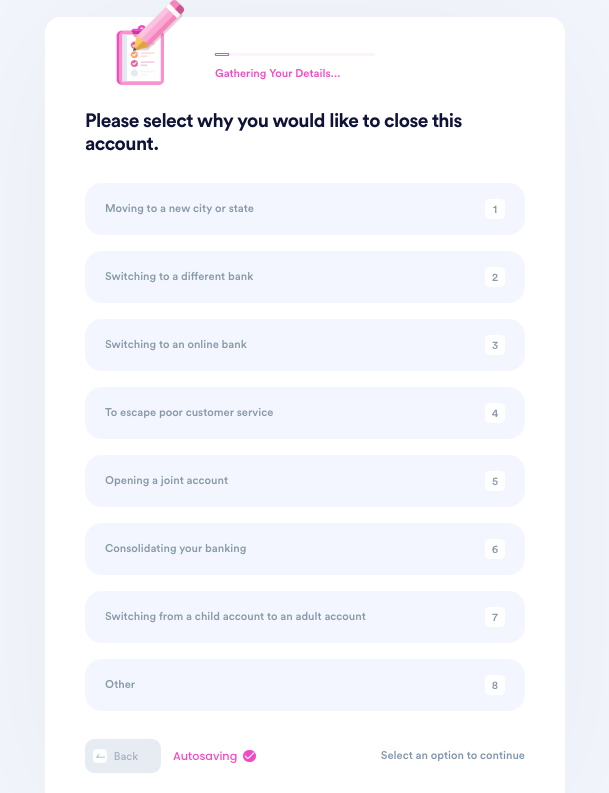
- Reason for Closure (Optional but Helpful): While not strictly required, providing a reason can sometimes help the bank streamline the process or, if they offer incentives to stay, provide an opportunity to reconsider based on a new offer.
- Instructions for Remaining Balance: Clear directions on how you want any remaining funds to be handled (e.g., cashier’s check, transfer to another account at Regions, direct transfer to an external bank).
Verifying Closure and Obtaining Confirmation
The final crucial step is to confirm that the account has indeed been closed.
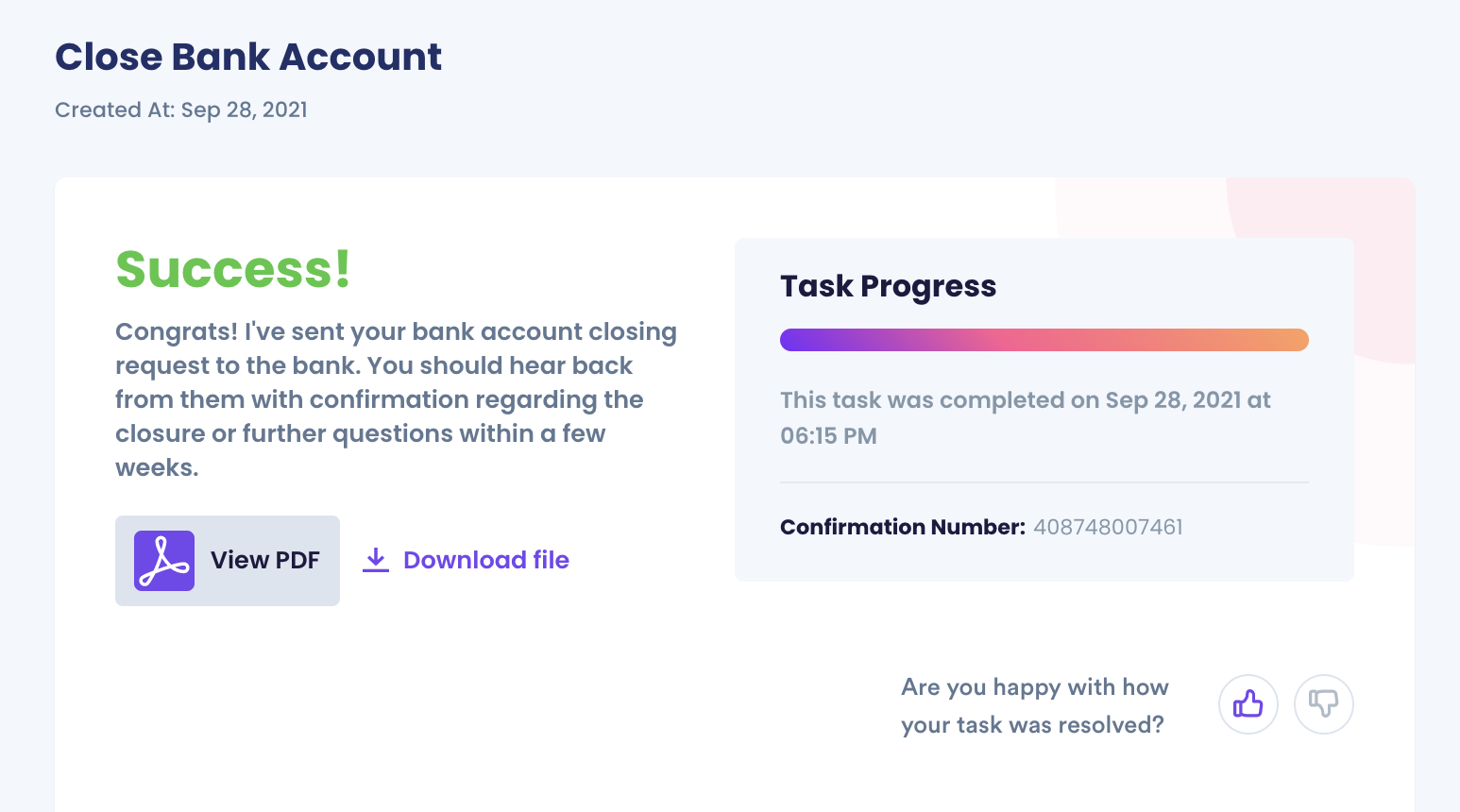
- Request Written Confirmation: When closing in person, ask for a written confirmation or a letter stating the account has been closed and the date of closure. If closing by mail or phone, request that a confirmation letter be mailed to you.
- Check Your Mail and Email: Monitor your mail and email for official correspondence from Regions regarding the closure.
- Periodically Check Your Online Banking (Initially): For a short period after you’ve requested closure, you might still be able to log in and see the account as “closed” or “inactive.” Eventually, it should disappear from your view.
- Zero Balance Confirmation: Ensure the final balance on the account is $0.00.
- Keep Records: Retain the closure confirmation letter and any related documentation for your records for at least several years.
IV. Post-Closure Best Practices: Safeguarding Your Financial Future
Closing a bank account is a significant financial event. The steps you take immediately afterward can help ensure long-term peace of mind and financial security.
Monitoring Statements and Credit Reports
Even after closure, vigilance is key.
- Review New Bank Statements: Carefully examine statements from your new bank account to ensure all expected direct deposits and automatic payments are now routing correctly.
- Monitor Your Credit Report: While closing a checking account doesn’t directly impact credit, it’s good practice to periodically check your credit report for any inaccuracies or fraudulent activity, especially after making significant financial changes. Look for any unexpected accounts or inquiries that might suggest identity theft.
Securely Disposing of Account-Related Documents
Protecting your personal information extends beyond the closure date.
- Shred Sensitive Documents: Any physical bank statements, old checks, debit cards, or other documents containing your account number or personal information should be thoroughly shredded before disposal. Do not simply throw them in the trash.
- Digital Cleanup: Delete any saved account information from your computer or cloud services once you have secured your final records. Be sure to back up any necessary files before deletion.
Exploring New Financial Solutions and Banking Relationships
Closing an account often marks a fresh start. Take this opportunity to refine your banking strategy.
- Evaluate Your New Bank: Ensure your new financial institution truly meets your needs in terms of fees, interest rates, customer service, online/mobile banking features, and branch/ATM access.
- Consider Diverse Financial Tools: Explore other financial products or services that could enhance your financial well-being, such as high-yield savings accounts, investment platforms, or budgeting apps.
- Regular Financial Reviews: Make it a habit to periodically review your financial accounts and banking relationships to ensure they continue to align with your evolving financial goals and lifestyle.
V. Frequently Asked Questions (FAQs) About Regions Account Closure
Navigating the complexities of account closure can bring up specific questions. Here are answers to some common concerns regarding Regions Bank accounts.
What if I have an outstanding loan or credit card with Regions?
Closing your checking or savings account with Regions generally does not automatically close or affect your outstanding loans (e.g., mortgage, auto loan, personal loan) or credit cards with them. These are separate financial products with their own terms and conditions. However, you should ensure that any automatic payments for these loans or credit cards, if they were set up from the account you are closing, are rerouted to your new bank account to avoid missed payments and late fees. You will continue to be responsible for these other financial obligations.
Can I close an account with a negative balance?
No, you cannot close a bank account with a negative balance. Before Regions Bank will process your closure request, you must bring the account balance to zero or a positive amount. This means you will need to deposit funds to cover any overdrafts, fees, or outstanding debits that have brought the account into the negative. Attempting to close a negative account will likely result in the bank refusing the closure until the balance is remedied, and potentially additional fees could accrue.
How long does the closure process typically take?
The actual processing time for an account closure can vary. If you close an account in person and receive a cashier’s check for the remaining balance, the process is often immediate from the bank’s perspective. However, if funds need to be transferred to an external bank, it might take 3-5 business days for the transfer to clear. If you send a request by mail, factor in postal delivery times and the bank’s processing time, which could extend to a couple of weeks. It’s always best to confirm the expected timeframe when you initiate the closure, and remember that your pre-closure steps (rerouting direct deposits, clearing checks) can take several weeks or even a month to complete thoroughly.
Closing a bank account, while sometimes seen as a chore, is an integral part of responsible personal finance management. By following a structured approach and paying attention to the details, you can ensure a seamless transition and maintain full control over your financial journey.
aViewFromTheCave is a participant in the Amazon Services LLC Associates Program, an affiliate advertising program designed to provide a means for sites to earn advertising fees by advertising and linking to Amazon.com. Amazon, the Amazon logo, AmazonSupply, and the AmazonSupply logo are trademarks of Amazon.com, Inc. or its affiliates. As an Amazon Associate we earn affiliate commissions from qualifying purchases.