
In the rapidly evolving landscape of digital finance, peer-to-peer (P2P) payment applications have become indispensable tools for managing personal funds, settling debts, and facilitating quick transactions. Among these, Cash App stands out as a dominant player, offering a straightforward and efficient platform for sending and receiving money. For individuals and small businesses alike, understanding the mechanisms for receiving money through Cash App is crucial for harnessing its full potential as a financial tool. This article delves into the intricacies of receiving funds, managing your balance, and optimizing your experience with Cash App, all within the purview of sound personal finance and efficient use of financial instruments.
Understanding Cash App’s Core Functionality for Receiving Funds
Cash App, developed by Block, Inc., has revolutionized the way people interact with their money by providing a simple, mobile-first banking experience. At its heart, it’s a P2P payment service that enables users to send and receive money instantaneously. Beyond simple transfers, it has expanded to include features like direct deposit, a debit card (the Cash Card), and even investing capabilities. For anyone looking to leverage this platform, grasping its fundamental receiving mechanisms is the first step towards financial empowerment and seamless transactions.
The Peer-to-Peer Payment Ecosystem
The core of Cash App’s functionality lies in its peer-to-peer payment system. This allows users to send money directly to another user’s unique identifier, which can be their $Cashtag, phone number, or email address. When someone sends you money, it typically arrives in your Cash App balance almost instantly. This real-time transfer capability has made Cash App a popular choice for splitting bills, repaying friends, and receiving payments for small services. The ecosystem is designed for speed and convenience, bypassing traditional banking delays for immediate fund availability within the app. From a personal finance perspective, this allows for quicker reconciliation of expenses and better cash flow management in day-to-day interactions.
Setting Up Your Cash App Account for Transactions
Before you can receive money, your Cash App account must be properly set up and, ideally, verified. While you can receive small amounts without full verification, linking a bank account and verifying your identity (using a social security number and potentially other personal details) unlocks higher transaction limits and enables full functionality, such as transferring funds out of Cash App. This verification process is a standard financial security measure designed to comply with regulations and protect users.
To prepare your account for receiving funds:
- Download and Install: Obtain the Cash App from your device’s app store.
- Create an Account: Register using your phone number or email address.
- Link a Bank Account: Connect your debit card (which is linked to your bank account) to enable transfers in and out of Cash App. This is paramount for moving received funds to your primary financial institution.
- Verify Identity (Optional but Recommended): For increased limits and features, complete the identity verification process. This step is crucial for financial responsibility and accessing all features, including direct deposit and higher sending/receiving limits.
Proper setup ensures that any money sent to you lands safely in your account and that you have the full capability to manage those funds effectively, whether that means spending them via the Cash Card or transferring them to your external bank account.
Primary Methods for Receiving Payments
Cash App offers several intuitive ways to receive money, catering to different scenarios, from one-off payments from friends to recurring income. Understanding each method allows users to strategically manage their incoming funds.
Receiving Direct Payments from Other Users
This is the most common and straightforward method. When another Cash App user wants to send you money, they simply:
- Open their Cash App.
- Enter the amount.
- Tap “Pay.”
- Enter your $Cashtag, phone number, or email address.
- Tap “Pay” again to confirm.
Once they confirm, the money should appear in your Cash App balance immediately. You’ll typically receive a notification within the app and potentially a text message or email confirming the transaction. This method is ideal for quick, casual transactions between individuals, such as splitting restaurant bills, reimbursing travel expenses, or receiving payment for a shared item. From a financial planning standpoint, it streamlines micro-transactions, reducing the need for cash and simplifying expense tracking among peers.
Requesting Money: Initiating the Transfer
Sometimes, it’s easier to initiate a request for money rather than waiting for someone to send it. This is particularly useful in situations where you’re owed money, such as for a service rendered, a shared purchase, or a loan repayment. To request money:
- Open Cash App.
- Enter the amount you wish to request.
- Tap “Request.”
- Select the person (or people) from whom you want to request money by choosing their $Cashtag, phone number, or email.
- Optionally, add a note explaining the request (e.g., “for dinner,” “January rent share”).
- Tap “Request” again to send the request.
The recipient will receive a notification and can then choose to accept or decline the request. This proactive approach helps manage receivables, ensuring you get paid promptly for outstanding amounts. For small businesses or freelancers, this feature acts as a simple invoicing tool, allowing them to track and collect payments efficiently without complex financial software.
Leveraging Direct Deposit for Regular Income
One of Cash App’s most powerful features, especially for those managing their finances primarily through digital platforms, is direct deposit. This allows you to receive your paycheck, government benefits, or tax refunds directly into your Cash App balance. To set this up, you need your Cash App routing and account numbers, which function similarly to traditional bank account details.
To find your direct deposit information:
- Tap the “Banking” tab (the house icon) on your Cash App home screen.
- Scroll down and select “Direct Deposit.”
- Here you will find your Cash App routing number and account number.
You can then provide these details to your employer, government agency, or any other institution that offers direct deposit. Employers typically require you to fill out a direct deposit form, indicating these numbers. Once set up, your regular income will be deposited directly into your Cash App balance, often up to two days earlier than with traditional banks. This can significantly improve cash flow for individuals living paycheck to paycheck and offers a consolidated view of funds for budgeting purposes. It essentially makes Cash App function as a primary bank account for many users, offering a streamlined financial experience.
Managing and Accessing Your Received Funds
Receiving money is only half the equation; effectively managing and accessing those funds is equally important. Cash App provides several options for utilizing your balance, from immediate spending to transferring funds to external accounts.
Verifying Received Transactions and Account Balances
After receiving money, it’s prudent to always verify that the transaction was successful and that your balance reflects the new funds.
- Check Your Activity Tab: The “Activity” tab (the clock icon) on your Cash App home screen provides a detailed history of all transactions, including incoming payments. You can see the sender, amount, and timestamp for each transaction.
- Review Your Cash App Balance: Your current balance is prominently displayed on the “Banking” tab. A quick glance here confirms the updated amount.
Regularly reviewing your activity is a good financial habit, helping you track income, prevent discrepancies, and identify any unauthorized transactions promptly. For those managing a budget, this clear transaction history is invaluable for categorizing income and monitoring spending against financial goals.
Transferring Funds to Your Linked Bank Account
While having money in your Cash App balance is convenient for P2P transactions and Cash Card spending, many users prefer to move larger sums to their primary bank accounts for traditional banking needs or investments. Cash App offers two main ways to transfer funds to a linked bank account:
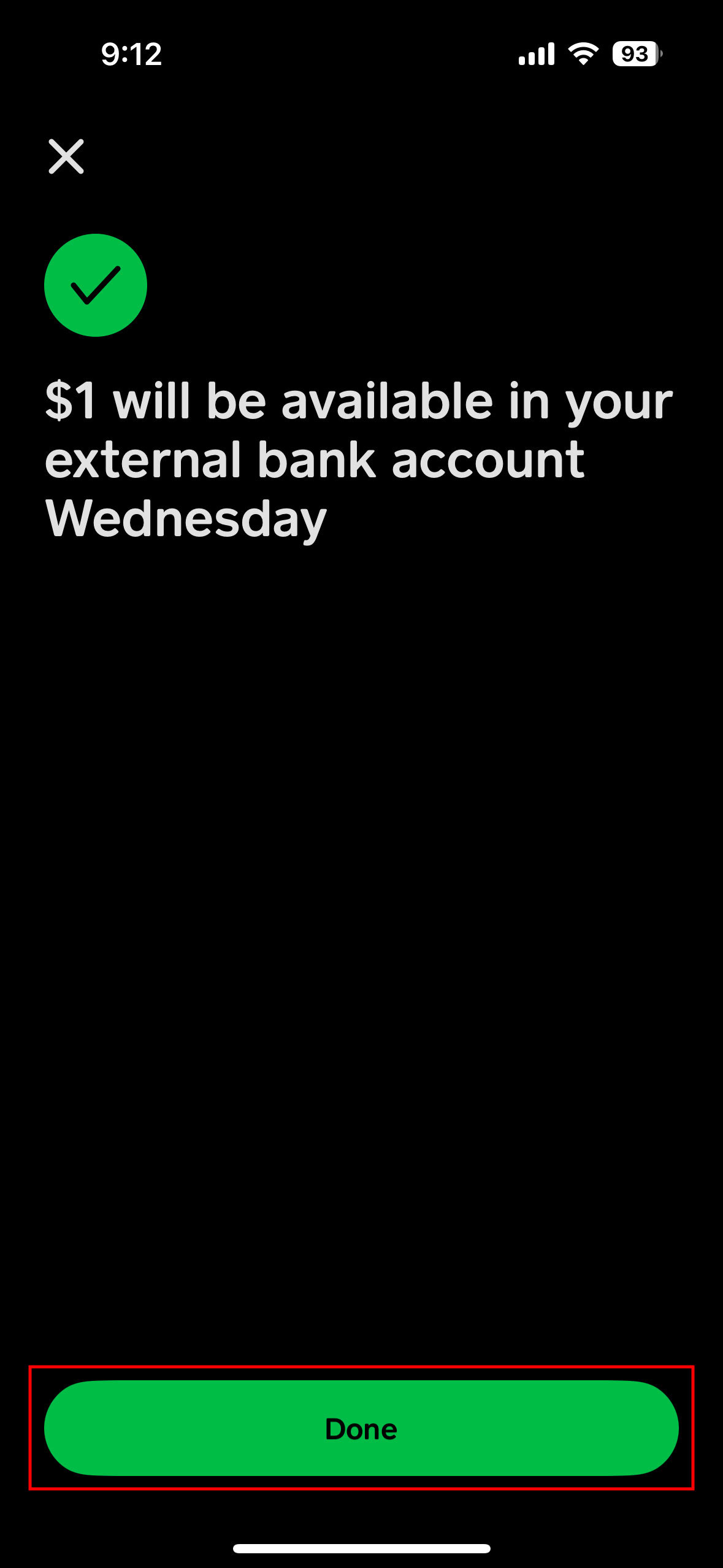
- Standard Transfer: This option is free and typically takes 1-3 business days for the funds to arrive in your bank account.
- Instant Transfer: For a small fee (usually 0.5% to 1.75% of the transfer amount, with a minimum fee), you can transfer funds instantly to your linked debit card. These funds are usually available in your bank account within minutes.
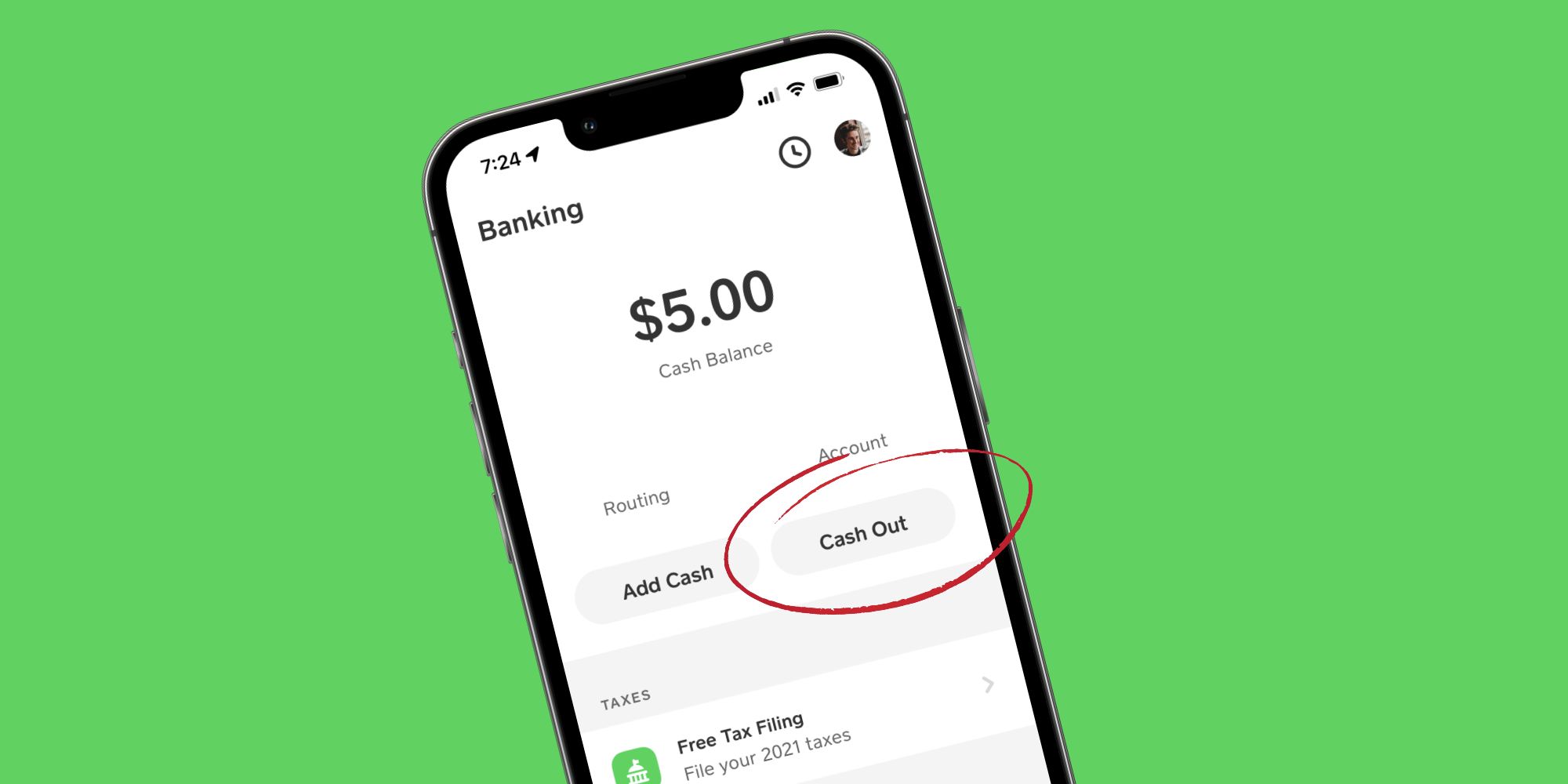
To initiate a transfer:
- Tap the “Banking” tab on your Cash App home screen.
- Tap “Cash Out.”
- Enter the amount you wish to transfer.
- Choose either “Standard” or “Instant” transfer.
- Confirm the transfer.
The choice between standard and instant transfer depends on your urgency and willingness to pay a fee. For routine transfers, the free standard option is financially prudent. For immediate needs, the instant transfer, despite its fee, offers unparalleled speed, making it a valuable tool in emergencies or time-sensitive financial situations.
Utilizing the Cash Card for Immediate Access
The Cash Card is a free, customizable debit card linked directly to your Cash App balance. It allows you to spend your received funds instantly anywhere Visa debit cards are accepted, both online and in physical stores. It also enables ATM withdrawals (though ATM fees may apply).
Benefits of using the Cash Card:
- Immediate Spending: No need to transfer funds to your bank account before spending.
- Boosts: The Cash Card offers “Boosts,” which are instant discounts at specific merchants, providing real savings on everyday purchases. This is a unique perk that enhances the financial value of using the card.
- Budgeting Tool: For some, using the Cash Card for specific categories of spending can act as a budgeting tool, helping to track and limit expenditures from the Cash App balance.
The Cash Card transforms Cash App from just a payment transfer service into a fully functional digital wallet, providing immediate liquidity for the funds you receive. It’s an excellent option for managing discretionary spending or utilizing funds from side hustles directly.
Ensuring Secure and Efficient Transactions
Security and efficiency are paramount when dealing with financial tools. Cash App incorporates various features to protect users, but understanding best practices and potential pitfalls is crucial for a smooth and secure experience.
Best Practices for Transaction Security
Protecting your Cash App account and received funds requires vigilance and adherence to security best practices:
- Enable Security Locks: Set up a PIN or Touch ID/Face ID for all transactions within the app.
- Beware of Scams: Be cautious of unsolicited requests for money, “too good to be true” offers, or messages from unknown senders claiming to be Cash App support. Cash App will never ask for your sign-in code, PIN, or full debit card number outside of the app.
- Verify Recipient Details: Always double-check the $Cashtag, phone number, or email address before sending money. Payments are often irreversible.
- Use Strong, Unique Passwords: For any linked email accounts or phone services.
- Monitor Activity Regularly: Keep an eye on your “Activity” tab for any suspicious transactions. Report unauthorized activity immediately.
Adopting these security measures helps safeguard your financial information and ensures that the money you receive remains under your control. This proactive approach to digital security is a fundamental aspect of modern personal finance.
Troubleshooting Common Receiving Issues
While Cash App is generally reliable, issues can occasionally arise. If you don’t receive money you’re expecting:
- Check the Sender’s Status: Confirm with the sender that they successfully sent the money and verify the recipient details they used.
- Review Your Activity Feed: Sometimes, a transaction might be pending or delayed. Check the “Activity” tab for any notifications or status updates.
- Ensure Account Verification: Unverified accounts might have transaction limits that prevent larger sums from being received or processed.
- Contact Cash App Support: If all else fails, reach out to Cash App support through the app. They can investigate specific transaction issues.
Understanding these troubleshooting steps can save time and reduce frustration, ensuring that your financial flow remains uninterrupted.
Understanding Fees and Transaction Limits
Cash App generally operates with transparency regarding fees and limits.
- Receiving Money: Typically free for standard P2P payments.
- Instant Transfers to Bank: Incurs a fee (0.5% to 1.75%).
- ATM Withdrawals: Cash App charges a $2 fee for ATM withdrawals if you don’t have direct deposit set up; otherwise, it may refund fees.
- Transaction Limits: Unverified accounts have lower limits for sending and receiving. Verification significantly increases these limits (e.g., $7,500 per week for sending, unlimited for receiving once verified).
Being aware of these financial parameters is crucial for managing expectations and avoiding unexpected costs. For budgeting purposes, factoring in potential instant transfer fees, for example, is a vital part of planning when liquidity is a priority.
Strategic Uses and Financial Implications of Cash App
Beyond simple money transfers, Cash App integrates into broader financial strategies, offering tools that can assist with budgeting, managing small business finances, and embracing digital economic trends.
Personal Budgeting and Expense Sharing
For individuals, Cash App can become an integral part of personal financial management. Its instant transaction capabilities make it ideal for:
- Splitting Expenses: Easily share costs for rent, utilities, groceries, or entertainment with roommates or friends, simplifying the “who owes whom” dilemma.
- Tracking Micro-Transactions: The activity log provides a clear record of small income streams and outgoing payments, which can be useful for daily budgeting and expense categorization.
- Dedicated Spending: By using direct deposit for a portion of income, users can allocate specific funds to their Cash App for discretionary spending, helping to control impulse purchases from their main bank account.
These applications make Cash App more than just a payment service; it’s a flexible component within a comprehensive personal finance toolkit, especially for those who prefer digital management over traditional methods.

Embracing Digital Payments for Small Businesses and Side Gigs
For entrepreneurs, freelancers, and those with side hustles, Cash App offers a low-barrier-to-entry solution for receiving payments:
- Simple Client Payments: Clients can easily pay for services using your $Cashtag, eliminating the need for complex invoicing systems or traditional card readers for small transactions.
- Quick Fund Access: Money received for services can be accessed instantly via the Cash Card or quickly transferred to a bank account, improving cash flow for operational needs.
- Record Keeping: The app’s activity log serves as a basic record of income, which can be exported and used for tax purposes, simplifying financial reconciliation for micro-businesses.
While not a full-fledged business banking solution, Cash App’s ease of use makes it an attractive option for informal businesses and individuals seeking to digitize their payment collection process, aligning with the broader trend of digital transformation in small business finance.
In conclusion, receiving money from Cash App is a straightforward process, but fully optimizing its utility requires understanding its various features, managing your funds strategically, and prioritizing security. From casual P2P payments to leveraging direct deposit for regular income, Cash App offers a robust suite of tools that enhance personal financial management and embrace the convenience of the digital economy. By mastering these functionalities, users can ensure seamless financial interactions and empower themselves in the modern financial landscape.
aViewFromTheCave is a participant in the Amazon Services LLC Associates Program, an affiliate advertising program designed to provide a means for sites to earn advertising fees by advertising and linking to Amazon.com. Amazon, the Amazon logo, AmazonSupply, and the AmazonSupply logo are trademarks of Amazon.com, Inc. or its affiliates. As an Amazon Associate we earn affiliate commissions from qualifying purchases.