
Making decisions about your financial institutions is a critical aspect of sound personal finance management. While opening a new bank account is often straightforward and filled with promise, the process of closing an existing one, especially with a major bank like Chase, can sometimes feel daunting. However, whether you’re consolidating your finances, seeking a bank with different features, or simply no longer need a particular account, understanding the correct procedures is essential. This comprehensive guide will walk you through the motivations, preparations, step-by-step process, and post-closure considerations for successfully closing your Chase bank account, ensuring a smooth transition and protecting your financial well-being.
Why You Might Consider Closing Your Chase Account
The decision to close a bank account is rarely made lightly. Various personal finance considerations often drive individuals to streamline their banking relationships or seek new opportunities. Understanding these common reasons can help clarify your own motivations and reinforce the strategic nature of this financial move.
Minimizing Fees and Charges
One of the most common reasons individuals opt to close an account is to avoid recurring fees. Many checking and savings accounts come with monthly service charges that can accumulate over time, especially if minimum balance requirements are not met or specific activity criteria aren’t fulfilled. A dormant account, for instance, might incur fees even when inactive. By closing an unused or underperforming Chase account, you can eliminate these charges, freeing up money that can be better utilized for savings, investments, or other financial goals. This is a direct saving that contributes positively to your overall personal finance health.
Streamlining Your Financial Portfolio
For individuals who have accumulated multiple bank accounts over the years, the desire for financial simplicity often becomes a strong motivator. Managing numerous accounts, each with its own login, statements, and rules, can become cumbersome and lead to disorganization. Consolidating your banking relationships can significantly streamline your financial portfolio, making budgeting easier, improving oversight of your cash flow, and reducing the mental load associated with tracking disparate accounts. A simpler financial setup often leads to better financial decision-making and a clearer picture of your assets.
Changing Financial Needs or Preferences
Your financial situation and priorities evolve over time, and your banking needs may change accordingly. You might be seeking a bank that offers higher interest rates on savings, has more favorable fee structures for certain transactions, or provides advanced digital banking tools that better suit your lifestyle. Perhaps you’ve moved to a new city where Chase has a limited physical presence, or you’ve decided to align with a credit union for their community-focused approach. Responding to these shifting needs by closing an account and moving to a more suitable institution is a proactive step in managing your personal finance journey.
Addressing Customer Service or Policy Dissatisfaction
While less common, dissatisfaction with customer service experiences, changes in bank policies, or a general misalignment with the institution’s practices can also prompt an account closure. For any long-term financial relationship, trust and satisfaction are paramount. If you feel your current banking relationship no longer meets your expectations or needs in terms of support or service quality, seeking a new provider is a reasonable financial decision. This allows you to partner with an institution that better respects your banking preferences and provides the support you expect.
Essential Preparatory Steps Before Closing Your Account
Before initiating the closure process for your Chase account, thorough preparation is paramount. Rushing this step can lead to significant financial headaches, including missed payments, lost funds, or difficulties accessing past statements. Taking the time to properly prepare ensures a smooth transition and safeguards your financial integrity.
Transferring Funds and Setting Up New Banking
The first and most critical step is to ensure all funds are moved out of your Chase account and into a new, active account. This might involve initiating an electronic transfer, writing a check to yourself from the Chase account and depositing it elsewhere, or withdrawing cash. Concurrently, it’s crucial to have your new banking arrangements fully established and operational before proceeding. This includes opening new checking and savings accounts, ensuring online banking access, and verifying that all new account details are correct. This seamless transition prevents any lapse in your access to funds.
Updating Automatic Payments and Direct Deposits
One of the most common pitfalls when closing a bank account is forgetting to update recurring transactions. You must meticulously identify every automatic payment (e.g., utility bills, loan payments, subscriptions, credit card bills) and every direct deposit (e.g., salary, government benefits, investment dividends) linked to your Chase account. Proactively update these with your new bank account details well in advance of closing your Chase account. Failure to do so can result in missed payments, late fees, and potential damage to your credit score, highlighting the critical importance of this financial diligence.
Downloading and Retaining Account Statements
For tax purposes, financial planning, or potential future reference, it is vital to download and save all your past Chase account statements. Most banks, including Chase, offer several years of statements digitally through their online banking portal. Create digital copies (PDFs) and store them securely, perhaps on a cloud service or an external hard drive. This ensures you have a complete financial history, even after the account is closed and access to your online banking portal may be revoked. This practice aligns with good personal finance record-keeping.
Redeeming Rewards or Unused Benefits
Before closing your account, take a moment to review if there are any remaining rewards points, cash back, or other benefits tied to that specific Chase account or its associated debit card. Some checking accounts offer rewards programs, and these benefits are typically forfeited upon account closure. Ensure you redeem any eligible rewards or utilize any remaining perks to maximize the value derived from your banking relationship before ending it. This careful review ensures you don’t leave any money or value on the table.
The Step-by-Step Process to Close Your Chase Account
Once your preparatory steps are complete, you’re ready to formally initiate the closure of your Chase bank account. While the process is generally straightforward, knowing what to expect and the available methods can make it even smoother.
Confirming a Zero Balance
Before you can formally close your account, it is imperative that the balance is exactly $0. This means not only ensuring you’ve transferred out all your funds but also checking for any pending transactions, outstanding checks, or automatic payments that might still clear. Even a small remaining balance or a transaction that clears after you initiate closure can complicate the process, potentially delaying it or requiring further action from you. Double-check your account activity log and verify a true zero balance before proceeding.

Choosing Your Closure Method (Online, Phone, Branch)
Chase offers a few avenues for closing an account, though not all methods are suitable for every type of account or situation:
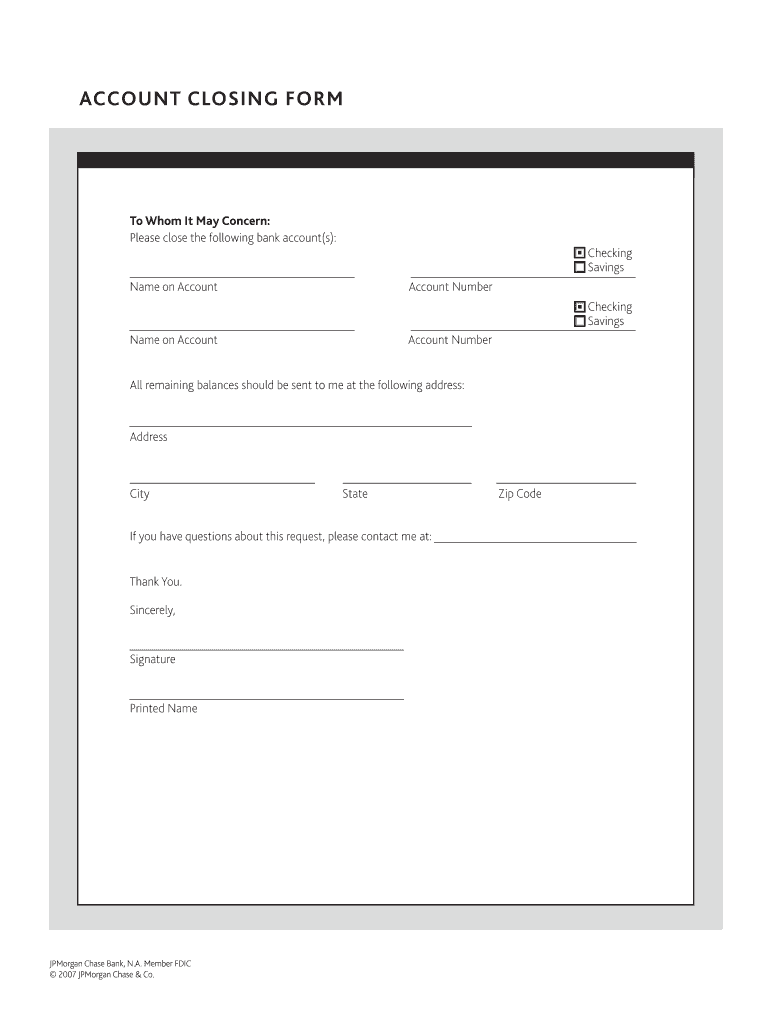
- In-Person at a Chase Branch: This is often the most recommended and definitive method. Visiting a branch allows you to speak directly with a representative, confirm your identity, clarify any final details, and receive immediate, written confirmation of closure. Bring a valid photo ID and your account details. This method is particularly advisable for complex accounts or if you want a face-to-face interaction to ensure everything is handled correctly.
- Via Phone: You can typically call Chase’s customer service line (found on their website or your statements) to request an account closure. Be prepared to go through security verification, provide account numbers, and clearly state your intention to close the account. While convenient, ensure you request written confirmation of the closure to be mailed to you.
- Online/App: For security reasons and to ensure all necessary steps are taken, Chase often limits full account closure via their online banking portal or mobile app. These platforms are generally more suited for managing existing accounts rather than terminating them. While you might be able to initiate some steps, a full closure often requires a phone call or an in-person visit. Always check Chase’s official website for the most up-to-date policies on online account closure capabilities.
What to Expect During the Closure Process
Regardless of the method you choose, you should anticipate certain procedures. You will be asked to verify your identity, often requiring a government-issued ID for in-person visits or security questions over the phone. The bank representative might ask for your reason for closing the account; while you are not obligated to provide a detailed explanation, a brief, professional response is often helpful. Ensure that you clarify any lingering questions about outstanding balances, fees, or how to receive your final confirmation. Always request a written confirmation letter or email that states the account has been closed, effective on a specific date, and that no further liabilities remain.
Handling Joint Accounts
If your Chase account is a joint account, all account holders typically need to agree to the closure. Depending on Chase’s specific policy, all parties may need to be present for an in-person closure or provide their consent and verification over the phone. Make sure to coordinate with any other account holders well in advance to ensure a smooth and unanimous closure process. This avoids potential complications and ensures all parties are aware of the financial impact.
Post-Closure Actions and Monitoring
Closing your Chase account is not merely a single event; it’s a process that extends beyond the moment you receive confirmation. Proactive monitoring and appropriate post-closure actions are crucial to ensure a clean break and protect your financial health.
Verifying Account Closure
Even after receiving verbal or initial written confirmation, it’s wise to take steps to independently verify the account’s closure. This might involve attempting to log into your Chase online banking portal to confirm the account is no longer visible, or checking your mail for a formal closure letter from Chase. Some individuals might even call customer service a week or two later to double-check. This diligence ensures that no lingering issues or unexpected activity can occur with an ostensibly closed account.
Monitoring for Unexpected Transactions
For a few weeks after closure, closely monitor your new bank account and any associated credit cards for any unexpected direct deposits or automatic payments. Despite your best efforts to update all recurring transactions, a few might occasionally slip through the cracks. If a payment attempts to debit a closed account, it will likely be rejected, potentially incurring late fees or impacting services. Similarly, a direct deposit attempting to credit a closed account will be returned, causing delays in accessing your funds. Promptly addressing these ensures financial stability.
Safely Disposing of Cards and Checks
Once the account is officially closed and you have confirmed no further use for them, safely dispose of any unused Chase checks and your debit card. Shredding checks prevents unauthorized use, while cutting up your debit card (ensuring the chip and magnetic strip are destroyed) protects against identity theft. This small but important step is a final act of financial security.
Implications for Credit Score (If Applicable)
It’s important to understand that closing a checking or savings bank account typically has no direct impact on your credit score. Credit scores are primarily influenced by your credit history with credit cards, loans, and other forms of credit. The only indirect impact might occur if an overdraft on a checking account leads to unpaid fees that are then sent to collections, which could negatively affect your credit. However, a properly closed, positive-balance bank account is entirely separate from your credit profile. This distinction is crucial for maintaining accurate personal finance knowledge.
Alternative Considerations to Full Account Closure
Before definitively deciding to close your Chase account, it’s worth exploring if other options might better suit your evolving financial needs. Sometimes, a full closure isn’t the only, or even the best, solution.
Downgrading Account Types
Chase, like many large banks, offers a range of checking and savings account products. If your primary concern is fees or minimum balance requirements, you might inquire about downgrading to a more basic, no-fee, or lower-fee account option. For example, switching from a premium checking account to a standard or student checking account might eliminate monthly service charges while allowing you to maintain your banking relationship with Chase and avoid the hassle of a full transition. This can be a strategic move to optimize your personal finance costs.
Utilizing Chase’s Other Financial Products
If you are only closing a specific checking or savings account but still utilize other Chase products, such as a Chase credit card, mortgage, or investment account, consider the implications of disconnecting fully. Sometimes, maintaining a checking account can offer benefits related to your other financial relationships with the bank, such as preferred rates or easier fund transfers. Evaluate your entire financial ecosystem with Chase before making a final decision on an individual account.

The Importance of a Diversified Banking Relationship
While streamlining is good, it’s also a sound personal finance strategy to consider maintaining banking relationships with more than one institution. This diversification can provide backup options in case of technical issues with one bank, offer access to different financial products, or simply give you more flexibility. Before closing your last remaining account with Chase, ensure you have a robust banking setup elsewhere that meets all your needs and provides a degree of financial redundancy.
Closing a Chase bank account, or any bank account, is a significant financial decision that requires careful planning and execution. By understanding your motivations, completing the necessary preparatory steps, following the closure procedures diligently, and taking post-closure actions, you can ensure a smooth and secure transition. Remember, managing your banking relationships effectively is a core component of strong personal finance, empowering you to align your financial tools with your current and future economic goals.
aViewFromTheCave is a participant in the Amazon Services LLC Associates Program, an affiliate advertising program designed to provide a means for sites to earn advertising fees by advertising and linking to Amazon.com. Amazon, the Amazon logo, AmazonSupply, and the AmazonSupply logo are trademarks of Amazon.com, Inc. or its affiliates. As an Amazon Associate we earn affiliate commissions from qualifying purchases.