
In the intricate landscape of personal finance, managing one’s banking relationships is a fundamental aspect of financial health. Whether due to evolving financial needs, a shift in banking preferences, or simply a desire to streamline one’s portfolio, the decision to close a bank account is more than just a procedural task—it’s a strategic financial move that requires careful consideration and execution. This guide aims to demystify the process of closing a Chase account, framing it not just as an administrative chore, but as an opportunity to review and optimize your broader financial strategy. From understanding the underlying reasons to executing a smooth transition, we’ll delve into the financial prudence and meticulous planning necessary to ensure this move aligns with your long-term monetary goals.
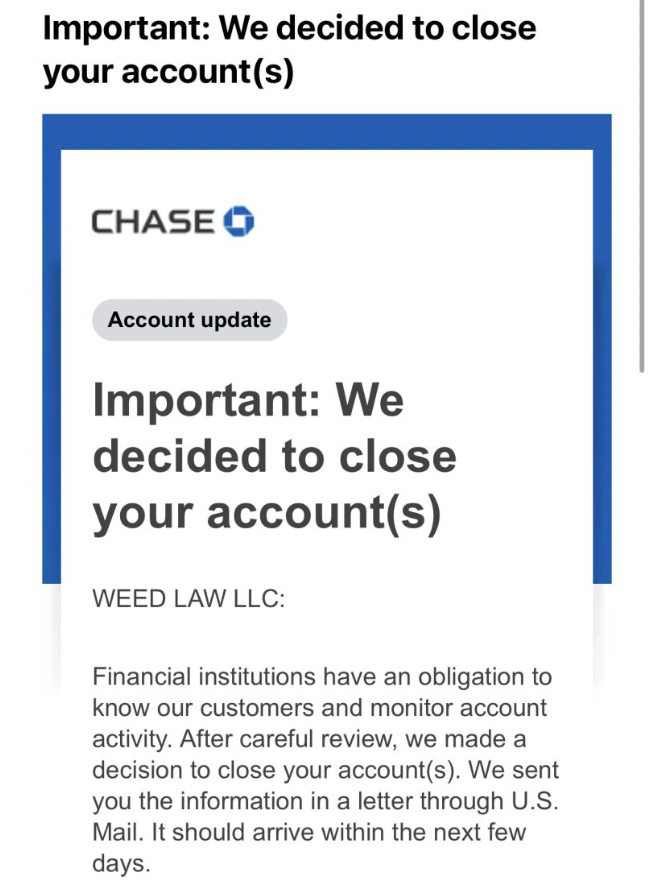
The Financial Prudence of Closing an Account: When and Why to Make the Move
Deciding to close a bank account, particularly one with a prominent institution like Chase, is often spurred by a confluence of financial factors. It’s a decision rooted in personal financial strategy, seeking to improve efficiency, reduce costs, or simply find a better fit for one’s money management needs. Understanding these motivations is the first step in approaching the closure process intelligently.
Assessing Your Banking Needs and Preferences
The initial trigger for considering an account closure frequently stems from a misalignment between your current banking services and your evolving financial landscape. Perhaps your income patterns have changed, requiring different types of accounts or transaction capabilities. Or maybe your lifestyle has shifted, making an online-only bank more appealing than a traditional brick-and-mortar presence. Chase, like many large banks, offers a broad spectrum of products, but they may not always perfectly align with every individual’s niche requirements or values. For instance, if you’ve moved to an area without convenient Chase branches or ATMs, or if you’re seeking a bank with a stronger focus on ethical investing or specific community initiatives, closing your account might be a logical progression. This assessment involves reviewing the fees you pay, the interest rates you earn (or don’t earn), the accessibility of services, and the overall customer experience relative to alternatives.
Identifying Cost-Saving Opportunities and Avoiding Fees
One of the most compelling financial reasons to close an account is to avoid recurring fees that no longer provide commensurate value. Chase, like other large banks, may charge monthly service fees for certain checking or savings accounts if specific conditions (like minimum balances, direct deposit requirements, or transaction volumes) are not met. Over time, these fees can erode your savings and unnecessarily diminish your financial resources. If you find yourself consistently paying these fees, and you’re unable or unwilling to meet the waiver requirements, closing the account and moving your funds to a no-fee alternative can represent a direct and tangible saving. Similarly, if you maintain multiple accounts across different institutions, consolidating them into one primary bank could simplify your financial life and potentially reduce the aggregate fees you encounter. A thorough audit of your monthly bank statements can reveal these hidden costs and provide a strong financial incentive for change.
Consolidating Finances and Simplifying Your Portfolio
For many, the pursuit of financial clarity and simplicity is a powerful driver. Managing multiple bank accounts, especially if they are with different institutions, can become cumbersome. It complicates budgeting, makes tracking expenses more challenging, and increases the administrative burden of monitoring statements and safeguarding against fraud. Consolidating your finances into a single, primary banking relationship—or at least reducing the number of accounts you maintain—can significantly streamline your financial portfolio. This simplification can lead to better oversight of your cash flow, easier reconciliation of statements, and a clearer picture of your overall financial standing. It also reduces the number of passwords and login credentials you need to manage, enhancing digital security and convenience. From a financial perspective, a consolidated approach allows for a more focused application of your financial strategies, whether that involves maintaining a higher minimum balance to earn better interest rates or qualifying for premium banking services.
Pre-Closure Financial Checklist: Ensuring a Smooth Transition
The decision to close an account is only the first step; the actual process demands a meticulous financial checklist to prevent disruptions and unexpected complications. A smooth transition is paramount to maintaining your financial equilibrium and avoiding any negative repercussions.
Redirecting Direct Deposits and Automatic Payments
Before you even contemplate initiating the closure process, it is absolutely critical to redirect all incoming direct deposits and outgoing automatic payments. This is arguably the most important financial preparatory step. Your paycheck, government benefits, or any other regular income streams must be updated with your new bank account information. Contact your employer’s HR department, government agencies, or any other entities that send you money directly. Simultaneously, identify all recurring payments tied to your Chase account: utility bills, loan payments, subscription services, insurance premiums, mortgage payments, credit card auto-pays, and any other automatic debits. Each of these must be updated with your new banking details. Missing even one can lead to late payment fees, service interruptions, or even damage to your credit score if significant payments like mortgages or credit card bills bounce. Create a comprehensive list of all these transactions, noting their frequency and due dates, and systematically update each one. Allow ample time for these changes to take effect, often one or two billing cycles, before proceeding with the closure.
Verifying Outstanding Balances and Pending Transactions
A common pitfall in account closure is overlooking outstanding balances or pending transactions. Ensure that your Chase account balance is not negative and that all checks you’ve written have cleared. If there are any pending debits or credits, wait for them to fully process before proceeding. Attempting to close an account with a negative balance will likely incur additional fees and prevent the closure until the deficit is resolved. Similarly, if you have outstanding checks that haven’t been cashed, you risk them bouncing once the account is closed, leading to fees for both you and the recipient. It’s advisable to cease using the account for new transactions at least a week or two before your target closure date to allow ample time for all activities to settle. Checking your online banking portal or recent statements can help you identify any lingering financial commitments.
Transferring Funds and Securing Your Remaining Assets
Once all direct deposits and automatic payments have been redirected, and pending transactions cleared, the next financial step is to transfer the remaining funds out of your Chase account. You can do this via an electronic transfer (ACH), a wire transfer (which may incur fees), or by requesting a cashier’s check from Chase for the remaining balance. If you transfer electronically to another bank, ensure the receiving account is fully functional and ready to accept the funds. For smaller balances, some individuals might opt to withdraw the cash directly from an ATM, but for significant sums, an electronic transfer is generally safer and more convenient. Remember to leave a small buffer amount in the account (perhaps $5-$10) until the final closure confirmation, just in case a small, unforeseen fee or transaction processes, preventing the account from closing with a zero balance. This small buffer can prevent complications and allow for a clean closure.
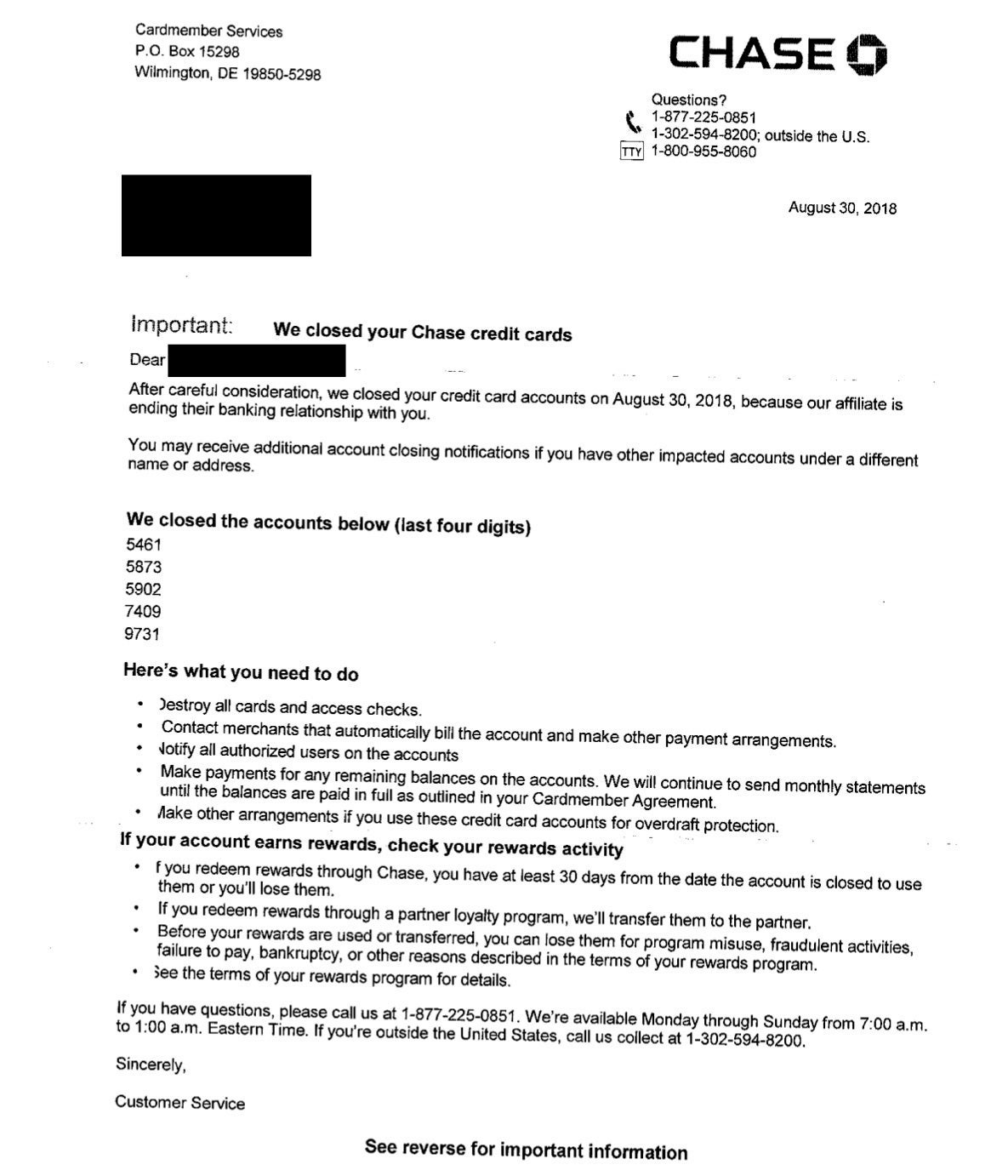
Understanding the Financial Implications of Account Closure
While closing a bank account can be a financially savvy move, it’s essential to be aware of any potential financial implications or hidden costs associated with the process itself. Foresight in this area can save you from unexpected expenses or administrative hurdles.
Potential Fees and Account Closure Policies
Many banks, including Chase, generally do not charge a fee to close a standard checking or savings account, especially if it has been open for a reasonable period (e.g., more than 90 or 180 days). However, it’s crucial to verify Chase’s specific policy regarding “early account closure fees.” If you’ve opened the account relatively recently, there might be a fee levied, designed to recoup the bank’s onboarding costs. Always review your account agreement or contact Chase directly to inquire about any such fees before initiating the closure. Additionally, be mindful of any minimum balance requirements you might have with other accounts at Chase. Closing one account might inadvertently push another account below its minimum, potentially triggering fees on that remaining account.
Impact on Credit Score and Banking Relationships
For standard checking and savings accounts, closing them typically has no direct impact on your credit score. Credit scores are primarily influenced by credit products like credit cards, loans, and mortgages, not deposit accounts. However, there’s a subtle, indirect link: if closing your account leads to bounced checks or missed payments because you failed to update direct debits (e.g., for a credit card bill), that could negatively affect your credit score. Therefore, the meticulousness of your pre-closure checklist is crucial to protect your credit.
Regarding your banking relationship, while closing an account doesn’t directly harm your credit, it does affect your relationship with Chase. If you plan to apply for other Chase products in the future (like a credit card or a mortgage), a history of opening and quickly closing accounts could, in rare cases, be viewed less favorably by the bank, though this is more pertinent to credit products than deposit accounts. It’s generally a minor consideration unless there’s a pattern of frequent account churning.
Managing Final Statements and Tax Documents
Even after an account is closed, you will still need access to past statements and tax documents (like 1099-INT forms for interest earned). Chase typically provides access to these documents online for a certain period post-closure or can mail them upon request. Before closing, it’s wise to download and save digital copies of all your statements for tax purposes and personal record-keeping, usually for at least 7 years. This ensures you have a complete financial history for future reference, tax audits, or any dispute resolution. Confirm with Chase how long you will have access to online statements after closure and what process exists for requesting physical copies if needed.
Post-Closure Financial Management: What Comes Next?
Successfully closing your Chase account isn’t the absolute final step in the process. Prudent financial management dictates that you take a few additional measures to ensure complete finality and continued peace of mind.
Verifying Account Closure Confirmation
Once you’ve submitted your request to close the account, do not assume it’s done. Follow up with Chase to obtain a written confirmation of the account’s closure. This could be an email, a letter, or a message within your online banking portal confirming the zero balance and the official closure date. This documentation is your proof that the account is no longer active and releases you from any further responsibility for it. Without this confirmation, you risk the account remaining open with a minimal balance, potentially incurring fees down the line. It’s good practice to keep this confirmation with your other important financial records.
Monitoring for Erroneous Debits or Credits
Even after receiving confirmation, it’s wise to keep a vigilant eye on your finances for a few weeks or even months. Occasionally, an old direct debit or an unexpected credit might still attempt to process on the closed account. While these transactions should ideally be rejected, monitoring your new primary bank account for any unusual activity related to the old Chase account (e.g., a refund you were expecting that was misdirected) is a sound financial practice. If any such activity occurs, you’ll need to contact the originating party and Chase to rectify the situation, guiding the funds to your new account. This vigilance ensures no funds are lost in the transition and that your financial records remain accurate.
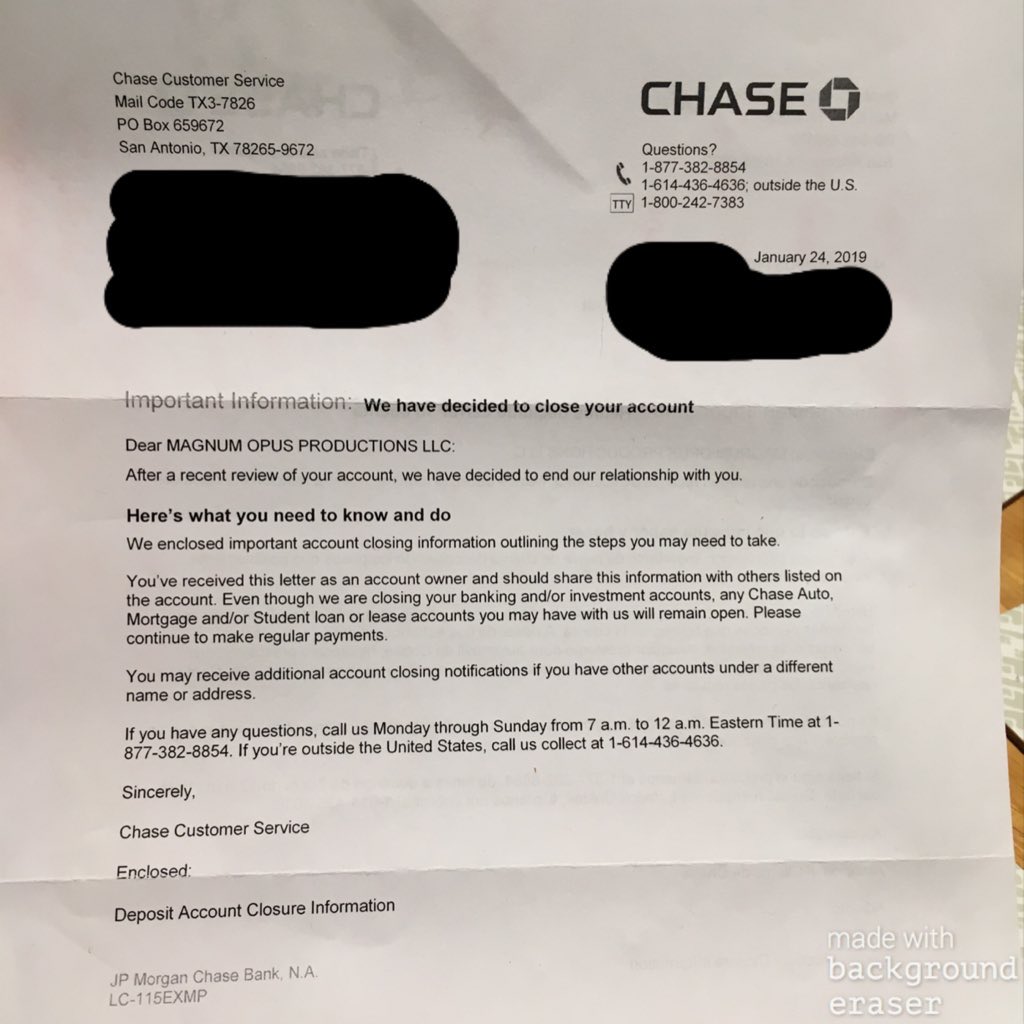
Updating Financial Aggregation Tools and Software
If you use financial aggregation tools like Mint, Personal Capital, or other budgeting software to track your spending and net worth, remember to update these platforms to reflect the closed Chase account. Remove the old account and ensure that all your active accounts are correctly linked. This step is crucial for maintaining an accurate and real-time overview of your financial health. Leaving a closed account linked can lead to error messages, inaccurate net worth calculations, and general confusion in your financial dashboard. Updating these tools completes the transition, ensuring your digital financial ecosystem mirrors your real-world banking status.
In conclusion, closing your Chase account, while seemingly a simple administrative task, is fundamentally a financial decision that demands strategic thought and meticulous execution. By understanding your motivations, adhering to a comprehensive pre-closure checklist, being aware of potential financial implications, and diligently managing the post-closure phase, you can ensure a seamless transition that aligns with your broader financial objectives. This proactive approach not only prevents unforeseen complications but also reinforces your commitment to disciplined and effective personal finance management.
aViewFromTheCave is a participant in the Amazon Services LLC Associates Program, an affiliate advertising program designed to provide a means for sites to earn advertising fees by advertising and linking to Amazon.com. Amazon, the Amazon logo, AmazonSupply, and the AmazonSupply logo are trademarks of Amazon.com, Inc. or its affiliates. As an Amazon Associate we earn affiliate commissions from qualifying purchases.