
Understanding the true market value of your camper, be it a travel trailer, fifth wheel, motorhome, or pop-up, is a crucial aspect of responsible financial management for any RV owner. This isn’t just about preparing for a sale; it’s about informed financial planning, ensuring adequate insurance coverage, assessing your personal net worth, and making strategic decisions about upgrades or future purchases. Unlike real estate or common vehicles, the RV market has its own unique set of dynamics, influenced by seasonal trends, specific amenities, and the fervent passion of its community. This comprehensive guide will navigate the intricacies of camper valuation, providing you with the tools and insights to accurately determine your recreational vehicle’s worth.
Understanding the Importance of Camper Valuation
Knowing the value of your camper goes far beyond mere curiosity. It underpins several critical financial and practical decisions, impacting your peace of mind and your wallet. Approaching RV ownership with a clear understanding of its financial trajectory is key to maximizing your investment and avoiding unpleasant surprises.
Financial Planning and Asset Assessment
For many, a camper represents a significant asset, potentially second only to a primary residence or investment portfolio. Accurately assessing its worth is fundamental to a holistic view of your personal finances. This valuation contributes directly to your net worth calculation, offering a clearer picture of your overall financial health. Furthermore, if you are planning for retirement, estate planning, or simply reviewing your asset allocation, a realistic appraisal of your RV’s value is indispensable. It allows you to understand how much equity you have tied up in the vehicle, which can influence decisions about other investments or large purchases. Without this knowledge, financial planning becomes guesswork, potentially leading to misallocations or missed opportunities.
Informed Selling and Buying Decisions
Perhaps the most direct application of valuation knowledge is during the buying or selling process. As a seller, knowing your camper’s worth empowers you to set a competitive yet profitable asking price, negotiate effectively, and avoid underselling your asset. Overpricing can deter potential buyers and lead to extended listing times, while underpricing leaves money on the table. For buyers, understanding market values helps in identifying fair deals, avoiding overpayments, and recognizing potential red flags. It equips you with the confidence to make an offer that is justified by market conditions and the specific attributes of the vehicle. Whether you are upgrading, downsizing, or entering the RV lifestyle for the first time, a solid grasp of valuation principles is your strongest negotiation tool.
Insurance and Loan Considerations
The value of your camper also has significant implications for insurance and financing. When insuring your RV, insurers typically offer different types of coverage based on valuation: “Actual Cash Value” (ACV) or “Agreed Value.” ACV policies pay out the depreciated market value at the time of loss, which can be significantly less than what you paid or what you believe it’s worth. An “Agreed Value” policy, often preferred for newer or high-value RVs, locks in a specific payout amount agreed upon at the start of the policy, providing greater certainty. Knowing your camper’s true worth allows you to choose the most appropriate coverage, preventing underinsurance that could lead to substantial out-of-pocket expenses in the event of theft, damage, or a total loss.
Similarly, if you are considering using your camper as collateral for a loan, or simply want to understand your equity position, lenders will base their decisions on an appraisal of the vehicle’s market value. A clear understanding of this value can help you secure better loan terms, understand your borrowing capacity, and prevent situations where the loan amount exceeds the RV’s actual worth, leaving you underwater.
Key Factors Driving Your Camper’s Value
The worth of a camper is not static; it’s a dynamic figure influenced by a multitude of interconnected factors. Understanding these drivers is critical to arriving at an accurate valuation. Each element contributes a piece to the overall financial puzzle, and their combined effect dictates the market’s perception of your RV’s appeal and utility.
Age, Make, Model, and Type
Unsurprisingly, the age of your camper plays a significant role in its valuation, with depreciation generally setting in quickly in the initial years. However, this isn’t a linear decline; some well-maintained older models from reputable manufacturers can hold their value surprisingly well. The make and model are paramount. Premium brands known for quality construction, reliability, and innovative features often command higher prices than their budget counterparts. Certain models might also gain a cult following or be particularly sought after for specific floor plans or amenities.
The type of camper – whether it’s a Class A motorhome, a smaller Class B van, a versatile Class C, a spacious fifth wheel, a common travel trailer, or a compact pop-up – inherently dictates its price range and depreciation curve. Class A motorhomes, for example, typically represent a higher initial investment and thus a higher absolute depreciation, but might retain a larger percentage of their value over time compared to some entry-level travel trailers if meticulously maintained. Each type appeals to a different segment of the market, influencing demand and pricing.
Condition and Maintenance History
Beyond age, the single most impactful factor on your camper’s value is its condition. This encompasses both its aesthetic appeal and its mechanical integrity. A well-maintained exterior free of dents, fading, or peeling decals, coupled with a clean, odor-free, and undamaged interior, will significantly boost value. Appliances, plumbing, electrical systems, and HVAC units must all be in perfect working order. Any signs of water damage, mold, or neglect can drastically diminish value, signaling costly repairs to potential buyers.
Crucially, a comprehensive maintenance history acts as a testament to the camper’s care. Records of regular servicing, oil changes (for motorhomes), tire rotations, roof inspections, and any significant repairs demonstrate a diligent owner. These records provide transparency and peace of mind to buyers, proving that the RV has been looked after, which translates directly into higher perceived value and often a higher selling price. A neglected maintenance schedule, conversely, raises red flags and can lead to significant deductions in worth.
Features, Upgrades, and Market Demand
The specific features and amenities included in your camper can either enhance or detract from its value. High-demand features such as solar panels, powerful generators, upgraded entertainment systems, satellite dishes, central vacuum systems, auto-leveling jacks, or luxury finishes (e.g., solid surface countertops, residential refrigerators) can add considerable value. Factory options are often more desirable than aftermarket additions, but well-executed, professional upgrades can also be a strong selling point. Be wary, however, of highly personalized or niche modifications that may not appeal to a broad audience, as these might not recoup their investment.
Market demand is a fluid factor. What’s hot today might not be tomorrow. Trends in RVing, such as the recent surge in demand for smaller, more agile van conversions or the enduring popularity of family-friendly bunkhouse layouts, can temporarily inflate or deflate values for specific types of campers. Economic conditions, like fuel prices or interest rates, also play a role, influencing affordability and travel budgets, which in turn affect demand across the RV spectrum.
Geographic Location and Economic Climate
Your geographic location can surprisingly influence your camper’s worth. Regional preferences and climates dictate demand for certain features (e.g., strong AC in the South vs. better insulation in the North). In areas with a high density of RVers or a strong tourism industry, demand might be higher, potentially leading to better prices. Conversely, in regions with lower demand, you might need to adjust your expectations.
The broader economic climate also casts a long shadow over the RV market. During periods of economic prosperity and low fuel prices, discretionary spending on luxury items like campers tends to increase, bolstering values. In contrast, economic downturns, high inflation, or skyrocketing fuel costs can depress demand and force prices down as consumers tighten their belts and prioritize essential expenses. Understanding these macro and microeconomic factors is essential for timing your sale and setting realistic price expectations.
Essential Tools and Methods for Accurate Valuation
Pinpointing your camper’s precise value requires a multi-faceted approach, combining official industry guides with real-world market data. Relying on a single source can lead to an inaccurate assessment; a robust valuation strategy incorporates several tools and perspectives.
Leveraging Online Valuation Guides (NADA, RVUSA)
The most commonly cited and respected resources for RV valuation are online guides like NADA Guides (now J.D. Power Guides) and RVUSA. These platforms provide comprehensive databases of RV models, allowing you to input details such as year, make, model, trim, mileage (for motorhomes), and factory options to generate an estimated value.
-
J.D. Power Guides (formerly NADA Guides): Offers various values, including “Low Retail,” “Average Retail,” and “High Retail.” These categories help differentiate between campers in poor, average, and excellent condition. They factor in geographical variations, optional equipment, and sometimes even recent market trends. It’s crucial to be honest about your camper’s condition when using these guides to get the most accurate estimate.
-
RVUSA: While primarily a marketplace, RVUSA often provides its own valuation tools or links to third-party assessors. It’s also an excellent resource for comparing listed prices, giving you a sense of what similar campers are asking for in the current market.
While these guides provide a strong baseline, they should not be the sole determinant of value. They offer a theoretical starting point, which needs to be cross-referenced with actual market activity.
Analyzing Market Comparables (Private and Dealership Sales)
Perhaps the most critical step in accurate valuation is analyzing market comparables (comps). This involves scouring various sales platforms to see what similar campers are actually selling for, not just what they are listed for.
-
Online Marketplaces: Websites like RV Trader, Facebook Marketplace, Craigslist, and specialized RV forums are goldmines for private party sales data. Look for campers matching your make, model, year, and condition. Pay attention to how long listings stay active and if the asking price is adjusted. This gives you a realistic view of what buyers are willing to pay.
-
Dealership Listings: Check dealership websites and national RV chains. Dealership prices are typically higher than private sales due to overheads, warranties, and reconditioning efforts. However, they provide insights into the retail value and can give you an upper bound for your camper’s worth, especially if yours is in excellent, showroom-ready condition.
-
Sold Listings: If available, look for “sold” listings on platforms like eBay Motors or specific dealer archives. A sold price is the ultimate indicator of market value, as it represents a completed transaction.
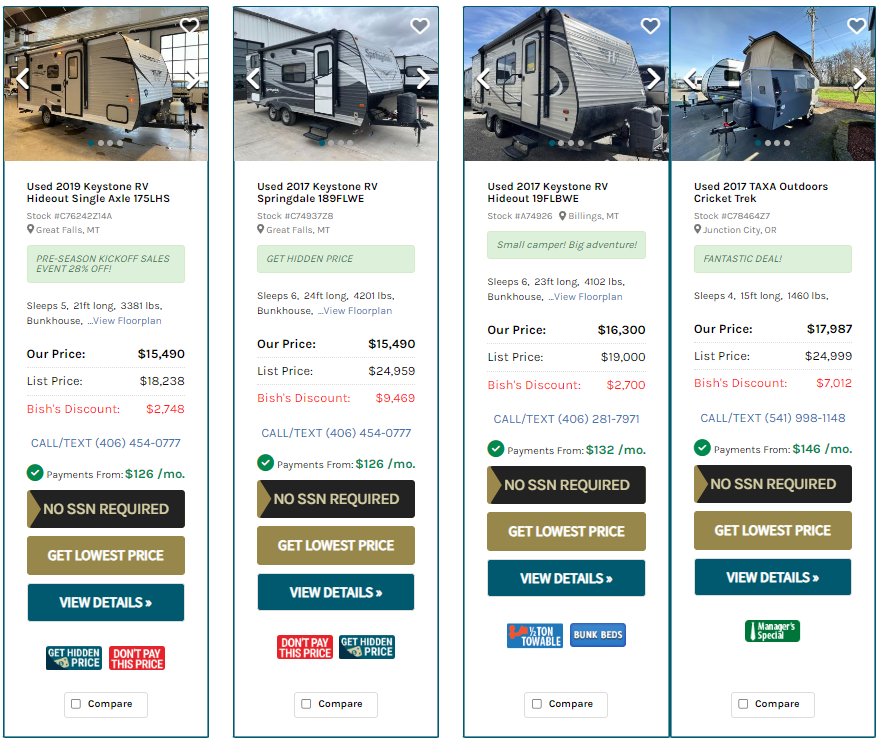
When performing a comp analysis, strive for apples-to-apples comparisons. Factor in mileage differences, specific options, upgrades, and overall condition. A camper with a clean title and no undisclosed issues will always fetch a better price than one with a salvage title or known defects.
Professional Appraisals and Dealership Estimates
For high-value campers, unique vintage models, or situations requiring a precise valuation (e.g., insurance claims, estate planning, complex sales), a professional appraisal is highly recommended. Certified RV appraisers conduct thorough inspections, evaluate all systems, assess the structural integrity, and provide a detailed report backed by industry standards and market research. While there’s a fee associated, the accuracy and credibility offered by a professional appraisal can be invaluable.
Alternatively, visiting a few local RV dealerships can provide you with a trade-in estimate or a consignment value. While trade-in values will generally be significantly lower than private party sales (as dealerships need to recondition and profit), they offer a quick, no-hassle way to understand the immediate liquidity value of your camper. Dealerships also often have a pulse on local market demand and can give you an idea of what they believe your camper could sell for on their lot, offering a different perspective on its retail potential.
The Role of Detailed Records
Regardless of the method used, the accuracy of your valuation will be significantly enhanced by detailed records. Keep a meticulous file of:
-
Original purchase documents: Including the bill of sale and any initial options/upgrades.
-
Maintenance logs: Dates, types of service, and receipts for all work performed (oil changes, tire rotations, appliance repairs, roof sealing, etc.).
-
Upgrade invoices: Documentation for any significant additions, like solar panels, new batteries, or entertainment systems.
-
Warranty information: For components that may still be under warranty.
-
Photos: A collection of high-quality photos documenting the camper’s condition over time, especially before and after any repairs or upgrades.
These records not only provide concrete evidence to back up your claims of excellent condition and regular maintenance but also help you recall all the features and work done, ensuring no value-adding detail is overlooked during the valuation process.
Strategies to Enhance and Preserve Your Camper’s Resale Value
While depreciation is an unavoidable reality for recreational vehicles, smart ownership strategies can significantly mitigate its impact and ensure you receive the highest possible return when it’s time to sell. Proactive measures throughout your ownership tenure are key to preserving financial value.
Proactive Maintenance and Upkeep
The single most impactful strategy for maintaining your camper’s value is diligent and proactive maintenance and upkeep. Think of it as investing in your investment. This goes beyond just fixing things when they break; it involves anticipating issues and performing routine preventative care.
-
Regular Servicing: For motorhomes, adhere strictly to the manufacturer’s recommended service intervals for engine, transmission, and chassis maintenance. For all RV types, this includes wheel bearing greasing, brake checks, and tire rotations.
-
Roof and Sealant Inspections: This is paramount. Water damage is an RV’s biggest enemy and can dramatically reduce its value. Regularly inspect all roof seams, windows, and exterior openings for cracks or deterioration in sealants. Re-seal as necessary.
-
Appliance and System Checks: Periodically run all appliances (refrigerator, AC, furnace, water heater), test plumbing for leaks, and check electrical systems. Address minor issues immediately before they escalate into costly problems.
-
Exterior Care: Wash and wax your camper regularly to protect the finish from UV damage and environmental contaminants. Keep awnings clean and free of mildew.
-
Interior Care: Maintain a clean, odor-free interior. Address spills immediately, clean carpets and upholstery, and ensure all fixtures and finishes are in good condition. Prevent pest infestations.
-
Winterization/Summerization: Properly winterize your plumbing system in cold climates and de-winterize it for spring use to prevent freeze damage.
Documenting all maintenance with receipts and dates not only proves a well-cared-for vehicle but also serves as a strong selling point, justifying a higher asking price.
Strategic Upgrades and Modernization
Not all upgrades add value, but strategic improvements can definitely enhance your camper’s appeal and financial worth. The key is to choose upgrades that are broadly desirable and professionally installed, avoiding overly personalized modifications that might narrow your buyer pool.
-
Energy Efficiency: Upgrading to LED lighting, adding solar panels, or installing a more efficient battery bank (like lithium-ion) can significantly increase desirability, especially for boondockers.
-
Comfort and Convenience: Enhancements like a upgraded mattress, a quieter water pump, an improved entertainment system, or better internet connectivity solutions (e.g., built-in WiFi boosters) can make a big difference.
-
Safety Features: Modernizing safety features such as backup cameras, tire pressure monitoring systems (TPMS), or improved braking systems are often highly valued.
-
Cosmetic Refreshes: A fresh coat of interior paint in a neutral color, updated window treatments, or minor replacements of worn fixtures can make an older RV feel much newer without breaking the bank. Avoid major structural renovations unless you are a professional, as poor workmanship can drastically decrease value.
Before investing in a major upgrade, research its potential return on investment. Some upgrades might simply make your camper more enjoyable for you, while others will directly contribute to a higher resale price.
Preparing Your Camper for Sale
When the time comes to sell, the presentation of your camper is paramount. First impressions are everything, and a meticulously prepared RV communicates care and attention to detail, justifying a higher price.
-
Deep Cleaning and Detailing: This is non-negotiable. The exterior should be sparkling clean, waxed, and tires dressed. The interior must be spotless, including all cabinets, appliances, and bathrooms. Eliminate any lingering odors.
-
Minor Repairs: Fix all the small things. A leaky faucet, a burnt-out bulb, a sticky drawer, or a loose trim piece might seem minor, but collectively they create an impression of neglect. Addressing these shows diligence and prevents buyers from using them as leverage for price reductions.
-
Declutter and Depersonalize: Remove all personal belongings, photos, and clutter. A clean, empty space allows potential buyers to envision themselves and their belongings in the RV.
-
Stage for Showings: Make sure the camper is well-lit, perhaps with a subtle, pleasant air freshener (nothing overpowering). Arrange pillows neatly, and ensure the beds are made. If possible, demonstrate working systems (e.g., turn on the AC, show the water heater functioning).
-
Gather Documentation: Have all your maintenance records, manuals, and original sales documents organized and ready to present to interested buyers. This transparency builds trust and confidence.
-
High-Quality Photography: Invest time in taking excellent, well-lit photos and potentially a video walkthrough. Capture every angle, highlight key features, and showcase the overall condition. High-quality visuals are crucial for attracting serious buyers online.
By taking these steps, you not only make your camper more appealing but also demonstrate its true value, setting the stage for a smoother and more profitable sale.
The Financial Landscape of Camper Ownership
Owning a camper is an investment in lifestyle and experiences, but it’s also a financial commitment with its own unique economic considerations. Understanding the long-term financial landscape, particularly regarding depreciation and market timing, is crucial for making sound decisions.
Depreciation: The Unavoidable Reality
Like most vehicles, campers are depreciating assets. This means their value steadily declines over time from the moment they are driven off the lot. The steepest depreciation typically occurs in the first few years, sometimes as much as 20-30% in the first year alone, followed by a more gradual decline.
Several factors contribute to this depreciation:
-
Wear and Tear: Normal use inevitably leads to wear on components, finishes, and mechanical parts.
-
Technological Obsolescence: As newer models introduce advanced features, older models become less desirable.
-
Mileage (for motorhomes): High mileage significantly impacts motorhome values.
-
Market Saturation: A large supply of used campers can drive down prices.
Understanding this depreciation curve is vital for financial planning. If you financed your camper, it’s possible to find yourself “underwater” (owing more than it’s worth) in the initial years. Factoring depreciation into your budget helps manage expectations and strategize for future financial moves, such as when to consider selling or upgrading to minimize financial loss.
Balancing Costs with Potential Returns
While campers depreciate, they also offer significant lifestyle returns and can, in some cases, provide financial benefits.
-
Cost of Ownership: Beyond the purchase price, ownership involves ongoing expenses: insurance, registration, maintenance, storage, fuel, and campground fees. These costs must be weighed against the perceived value and enjoyment you derive from the RV.
-
Rental Income: Some owners offset costs by renting out their campers through platforms like Outdoorsy or RVshare. This can generate significant income, potentially covering depreciation and ownership expenses, turning a depreciating asset into an income-generating one. This strategy, however, introduces its own set of responsibilities and risks, including increased wear and tear and potential damage.
-
Tax Benefits: In some cases, if your camper qualifies as a second home and has a sleeping area, cooking facilities, and a toilet, the interest on its loan might be tax-deductible. Consult a tax professional for personalized advice.
Balancing these direct and indirect costs with the non-monetary returns (family memories, travel freedom, experiences) and potential financial returns (rental income, tax deductions) is key to making the overall ownership experience financially viable and personally rewarding.

When to Sell: Timing the Market
Deciding when to sell your camper can significantly impact its realized value. Timing the market effectively involves considering a few key aspects:
-
Depreciation Curve: Selling after the initial steep depreciation period but before major components start requiring expensive replacements can be a sweet spot. This might be around the 3-7 year mark for many models.
-
Seasonality: The demand for campers is highly seasonal. Spring and early summer typically see the highest demand as people plan for vacations, leading to higher prices and quicker sales. Listing in the fall or winter might mean lower offers or longer listing times, especially in colder climates.
-
Economic Outlook: As discussed earlier, a strong economy and lower fuel prices generally favor sellers. Keeping an eye on broader economic indicators can help you decide if it’s a good time to enter the market.
-
Major Repairs: If your camper is approaching a point where it needs significant, costly repairs (e.g., engine overhaul, major appliance replacement, roof replacement), selling before these expenses hit can often be more financially prudent than investing in the repair and hoping to recoup the cost.
-
Personal Use: Ultimately, the decision to sell should also align with your personal usage. If your camper sits unused for extended periods, the ongoing costs of ownership might outweigh the benefits, signaling it’s time to part ways.
By strategically assessing your camper’s worth, understanding the factors that influence it, and employing proactive financial and maintenance strategies, you can navigate the dynamic world of RV ownership with confidence, maximizing both your lifestyle enjoyment and your financial return.
aViewFromTheCave is a participant in the Amazon Services LLC Associates Program, an affiliate advertising program designed to provide a means for sites to earn advertising fees by advertising and linking to Amazon.com. Amazon, the Amazon logo, AmazonSupply, and the AmazonSupply logo are trademarks of Amazon.com, Inc. or its affiliates. As an Amazon Associate we earn affiliate commissions from qualifying purchases.