
Deciding to close a credit card, especially one from a major issuer like Chase, is not a decision to be taken lightly. While it might seem like a simple administrative task, it carries significant financial implications that can affect your credit score, future borrowing capacity, and overall financial health. For many, closing a credit card is a strategic move towards simplifying their finances, avoiding fees, or curbing spending. This guide will walk you through the motivations behind closing a Chase credit card, the critical factors to consider before you act, the step-by-step process, and what to do post-closure to ensure a smooth transition and maintain your financial well-being.
Why Consider Closing a Chase Credit Card? Evaluating Your Financial Landscape
There are several compelling reasons why an individual might contemplate closing a Chase credit card. Understanding your motivation is the first step in making an informed decision, as it helps weigh the pros against the potential cons.
Eliminating Unnecessary Annual Fees
One of the most common drivers for closing a credit card is the desire to stop paying annual fees for a card that no longer provides commensurate value. Premium credit cards, often laden with attractive perks, frequently come with substantial annual fees. If your spending habits or travel plans have changed, or if you’ve found better benefits elsewhere, continuing to pay a high annual fee for unused benefits can become a financial burden. For instance, if you acquired a travel card for its sign-up bonus or specific travel benefits but no longer travel frequently, the fee might outweigh the rewards.
Streamlining Your Financial Portfolio
Having too many credit cards can lead to financial clutter, making it harder to track spending, manage due dates, and understand your overall financial picture. Consolidating your credit cards to a select few that genuinely serve your needs can simplify budgeting, reduce mental load, and minimize the risk of missed payments or identity theft from forgotten accounts. A streamlined portfolio allows for better oversight and more deliberate financial decision-making.
Avoiding Overspending and Debt
For some individuals, closing a credit card is a proactive measure to prevent overspending and the accumulation of debt. The temptation to use available credit, even for non-essential purchases, can be strong. If you find yourself frequently carrying a balance or struggling with impulse purchases linked to a specific card, removing that credit line can be a powerful psychological and practical tool for improving your financial discipline and breaking free from a debt cycle.
Impact on Credit Utilization Ratio (and when to be cautious)
Closing a credit card can, in certain circumstances, positively influence your financial health by reducing the temptation to borrow. However, it’s crucial to understand its potential impact on your credit utilization ratio. This ratio, which compares your total outstanding credit card balances to your total available credit, is a significant factor in your credit score. If you close a card with a high credit limit and simultaneously carry balances on other cards, your overall available credit decreases, which can cause your utilization ratio to spike. A higher utilization ratio generally hurts your credit score. Therefore, if you are closing a card with a significant credit limit, ensure your other card balances are low to mitigate this negative effect.
Understanding the Implications Before You Act: Key Considerations
Before you pick up the phone to call Chase, it’s imperative to fully grasp the potential ramifications of closing your credit card. This foresight can prevent unexpected dings to your credit score and the loss of valuable benefits.
Credit Score Impact: Age of Credit History (AAoA)
One of the most critical factors influencing your credit score is the average age of your credit accounts (AAoA). Lenders view a longer credit history as a sign of financial stability and responsible management. When you close an older account, especially one that contributes significantly to your AAoA, it can potentially lower this average over time once it drops off your active credit report after about 10 years. While the account remains on your report for up to a decade post-closure, impacting your AAoA, its eventual removal can cause a noticeable dip in your score.
Credit Score Impact: Credit Utilization
As mentioned earlier, credit utilization is a major component of your credit score (typically 30%). Closing a credit card reduces your total available credit. If you carry balances on your remaining cards, your credit utilization ratio will increase, which can negatively impact your credit score. For example, if you have two cards, each with a $5,000 limit, and carry a $1,000 balance on one, your utilization is 10% ($1,000/$10,000). If you close the unused card, your total available credit drops to $5,000, and your utilization jumps to 20% ($1,000/$5,000). To mitigate this, aim to pay down balances on other cards before closing an account.
Forfeiting Rewards Points and Benefits
Chase offers a variety of popular rewards programs, such as Ultimate Rewards, airline miles, or hotel points. Before closing any Chase card, ensure you have redeemed all accumulated points or transferred them to another eligible Chase card or loyalty program (if permitted). Once the account is closed, any unredeemed rewards will typically be forfeited. Similarly, if the card provides benefits like extended warranty, purchase protection, travel insurance, or concierge services, these benefits will cease upon account closure. Review your card’s benefits guide to understand what you might lose.
Joint Accounts and Authorized Users
If your Chase credit card is a joint account, both account holders must agree to the closure. If you are merely an authorized user on someone else’s Chase card, you cannot close the account yourself; the primary cardholder must initiate the process. Conversely, if you are the primary cardholder and have authorized users, closing the account will affect their access to that credit line as well.
Other Considerations
Remember to update any recurring payments (e.g., subscriptions, utility bills) that might be linked to the card you intend to close. Failure to do so could result in missed payments, service interruptions, and late fees. Also, consider any specific offers or benefits you might be actively using or planning to use in the near future.
Step-by-Step Process to Close Your Chase Credit Card
Once you’ve carefully weighed the pros and cons and decided that closing your Chase credit card is the right move, follow these steps to ensure a smooth and effective process.
Settle Your Balance Completely
This is the most crucial first step. You cannot close a credit card account that has an outstanding balance. Pay off every cent, including any pending interest or fees, before initiating the closure request. It’s advisable to make the final payment and then wait for a few business days to ensure the payment has fully processed and cleared.
Redeem All Rewards Points
As discussed, unredeemed points will likely be forfeited upon closure. Before contacting Chase, log into your Chase account or call their rewards customer service line to redeem all your Ultimate Rewards points, airline miles, or other specific rewards. You might be able to transfer Ultimate Rewards points to another eligible Chase card if you have one, preserving their value.
Contact Chase Customer Service
The most direct and recommended way to close your Chase credit card is by calling their customer service line. This allows you to speak directly with a representative, confirm the zero balance, address any final questions, and receive immediate confirmation.
- Phone Call: Locate the customer service number on the back of your credit card or on Chase’s official website. Be prepared to provide your account number and personal identification information. Clearly state your intention to close the account.
- Online/App (Less Recommended for Closure): While you can manage many aspects of your account online, actually closing it is generally best handled via phone to ensure clarity and obtain immediate confirmation. Some banks might offer an online chat option, but a phone call is usually more definitive.
Be Prepared for Retention Offers
When you inform a Chase representative of your desire to close the account, they may try to retain you as a customer. This is common practice, especially for premium cards. They might offer incentives like:
- A waiver of the annual fee for the next year.
- A bonus points offer for meeting a certain spending threshold.
- A product change to a different card with no annual fee or different benefits.
- A lower interest rate.
Listen to their offers carefully. If the offer aligns with your financial goals and addresses your initial concerns, it might be worth considering. However, if your decision to close is firm, politely decline and reiterate your request.
Request Written Confirmation
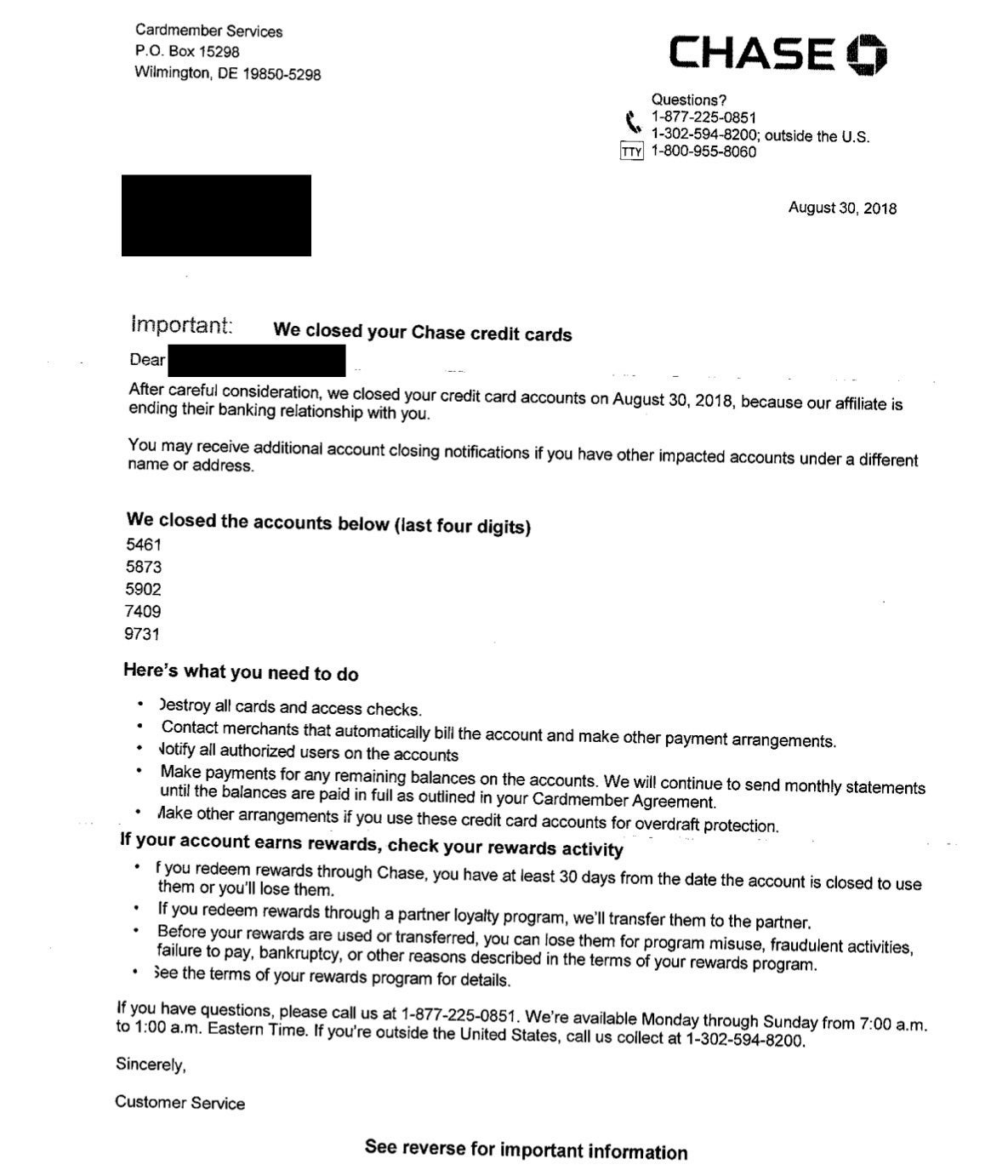
After the representative confirms the closure of your account, request that they send you a written confirmation (via email or postal mail) stating that the account has been closed at your request and has a zero balance. This document serves as proof and can be vital if any discrepancies arise later. Note the date and time of your call, along with the name of the representative you spoke with.
What to Do After Closing Your Card: Ensuring a Clean Exit
Closing the account is not the absolute final step. There are a few important follow-up actions to take to protect your financial standing and ensure a seamless transition.
Monitor Your Credit Report
Approximately 30-60 days after closing the account, obtain a copy of your credit report from all three major credit bureaus (Experian, Equifax, and TransUnion). You can do this for free annually at AnnualCreditReport.com. Verify that the Chase account is accurately reported as “closed by grantor” or “closed at consumer’s request” with a zero balance. Report any inaccuracies immediately.
Update Recurring Payments
Double-check that you’ve successfully updated all recurring payments, subscriptions, and auto-bill pay arrangements that were linked to the closed Chase card. This prevents disruptions to services and avoids late fees on your bills.
Safely Dispose of the Card
Once you’ve confirmed the account is closed and you no longer need the physical card, dispose of it securely. Shredding the card (especially the magnetic strip and chip) is crucial to prevent unauthorized use of your account number or personal information.
Alternatives to Closing Your Chase Credit Card: Exploring Other Options
Before making the final decision to close, it’s worth exploring alternatives that might achieve your goals without the potential negative impacts on your credit score.
Product Change/Downgrade
Chase often allows cardholders to “product change” or “downgrade” their existing card to another card within the Chase family. For example, if you have a Chase Sapphire Reserve with a high annual fee, you might be able to downgrade to a Chase Freedom Flex or Chase Freedom Unlimited, both of which have no annual fee. This option allows you to keep your credit line, preserving your AAoA and credit utilization, while avoiding the annual fee. The account number usually remains the same, but the card features and rewards structure change. However, you typically won’t be eligible for a sign-up bonus on the new card via a product change.
Temporarily Suspending the Card
If your primary concern is overspending, you can temporarily suspend or “freeze” your card through the Chase mobile app or online banking. This prevents new purchases while keeping the account open and active, thus preserving your credit history and available credit. You can unfreeze it at any time.

Using the Card Minimally to Keep it Active
If you want to avoid an annual fee but are concerned about the credit score impact of closure, consider keeping the card open and using it for a small, recurring expense that you would pay anyway (e.g., a streaming service or a small monthly utility bill). Set up autopay for the full statement balance each month to ensure you never carry a balance or incur interest. This keeps the account active and contributes positively to your credit history without risking debt.
Closing a Chase credit card is a significant financial decision that requires careful thought and planning. By understanding the potential implications, following a methodical process, and considering alternatives, you can ensure that your actions align with your broader financial goals, leading to a healthier and more streamlined financial future.
aViewFromTheCave is a participant in the Amazon Services LLC Associates Program, an affiliate advertising program designed to provide a means for sites to earn advertising fees by advertising and linking to Amazon.com. Amazon, the Amazon logo, AmazonSupply, and the AmazonSupply logo are trademarks of Amazon.com, Inc. or its affiliates. As an Amazon Associate we earn affiliate commissions from qualifying purchases.