
In the increasingly digital landscape of modern finance, understanding and easily accessing your essential financial information is paramount. Among the most fundamental pieces of this puzzle is your bank account number. Far more than just a string of digits, your account number is the unique identifier that anchors your financial life, facilitating everything from direct deposits to bill payments and international transfers. Yet, despite its importance, many individuals find themselves scrambling to locate it when needed. This guide delves into the significance of your account number, outlines practical methods for finding it, and emphasizes the crucial security measures required to protect this vital piece of your financial identity.

The Indispensable Role of Your Account Number in Personal Finance
Your account number is the cornerstone of your financial relationship with your bank or credit union. It acts as a unique serial number, distinguishing your specific account from the millions of others managed by your financial institution. Without it, the seamless flow of money that defines modern commerce would grind to a halt.
Beyond Transactions: Why Your Account Number Matters
While its primary function is to enable transactions, the importance of your account number extends far beyond simple money transfers. It is the key to managing your personal finance infrastructure effectively. For instance, when setting up direct deposit with an employer, your account number ensures your paycheck lands precisely where it should. Similarly, recurring bill payments, whether for utilities, rent, or subscriptions, often require your account number to ensure funds are debited from the correct source.
Furthermore, linking external financial tools and services, such as investment platforms, budgeting apps, or peer-to-peer payment services, frequently necessitates providing your account number. This integration allows for a holistic view and management of your financial portfolio. From a legal and administrative perspective, your account number is also crucial for purposes like tax refunds, receiving government benefits, or even processing insurance claims. In essence, it is the digital address for your financial resources, essential for both inbound and outbound monetary flows.
Understanding Different Account Identifiers: Account, Routing, and Debit Card Numbers
Before diving into how to find your account number, it’s critical to distinguish it from other commonly encountered financial identifiers, as confusing them can lead to significant financial headaches.
-
Account Number: As discussed, this is the unique identifier for your specific bank account (checking, savings, money market, etc.) within your financial institution. It’s typically 8-12 digits long.
-
Routing Number: Also known as an ABA (American Bankers Association) number, this is a nine-digit code that identifies your specific financial institution within the U.S. banking system. It tells other banks where to send or receive funds. For example, when you set up direct deposit, both your routing number (to identify your bank) and your account number (to identify your specific account at that bank) are required. Different types of transactions (e.g., wire transfers vs. ACH transfers) may use different routing numbers, and a single bank might have multiple routing numbers depending on the region or type of transaction.
-
Debit Card Number: This is a 16-digit number found on the front of your debit card. It is linked to your checking account but is primarily used for point-of-sale transactions, online purchases, and ATM withdrawals. Crucially, your debit card number is NOT your bank account number. While it draws funds from your account, it’s a separate identifier for card-based transactions and should not be used when an account number is explicitly requested for direct deposits, wire transfers, or linking accounts. Using a debit card number in place of an account number can result in failed transactions or, worse, expose your card details unnecessarily.
Understanding these distinctions is fundamental to accurate financial management and protecting your security.
Common Scenarios Requiring Your Account Number
Having your account number readily available can save time and prevent complications in numerous situations:
-
Setting up Direct Deposit: For paychecks, government benefits, or refunds.
-
Automating Bill Payments: For utilities, rent, mortgage, and loan payments.
-
Initiating Wire Transfers: Especially for larger sums or international transfers (often requires specific wire routing numbers).
-
Linking External Financial Accounts: Connecting to investment platforms, other bank accounts, or digital wallets.
-
Receiving Funds from Others: If someone needs to send you money directly to your bank account.
-
Applying for Loans or Credit: Lenders may request it for verification or direct deposit of funds.
-
Resolving Financial Discrepancies: When discussing specific transactions or issues with your bank.
Practical Methods for Locating Your Account Number
Fortunately, finding your bank account number is usually a straightforward process, thanks to various digital and traditional avenues. Knowing where to look can save you significant hassle when the need arises.
Digital Pathways: Online Banking and Mobile Apps
In today’s digital age, your online banking portal or mobile app is often the quickest and most convenient way to access your account number.
-
Online Banking Website:
-
Log in to your bank’s official website using your username and password.
-
Navigate to your account summary or details page. This might be labeled “Account Details,” “My Accounts,” or similar.
-
Select the specific checking or savings account for which you need the number.
-
Often, your account number will be displayed directly, though sometimes it might be partially masked for security and require you to click a “Show” or “Reveal” button, or enter your password again, to see the full number. The routing number is usually displayed nearby.
-
-
Mobile Banking App:
-
Open your bank’s official mobile app on your smartphone or tablet.
-
Log in using your credentials, biometric authentication (fingerprint, face ID), or PIN.
-
Select the relevant account from your list of accounts.
-
Look for “Account Details,” “Info,” or a similar option. As with online banking, the full account number might be hidden initially and require an extra tap or verification to reveal.
-
These digital methods are generally the most accessible, allowing you to retrieve your information anytime, anywhere.
Traditional Routes: Bank Statements and Checkbooks
For those who prefer physical records or don’t have immediate digital access, traditional methods remain reliable.
-
Bank Statements:
-
Paper Statements: Your monthly or quarterly bank statements invariably include your full account number and routing number. Look near the top of the statement, usually alongside your name and address, or within a dedicated “Account Information” section. Keep in mind that older statements might not be immediately handy, but they are a definitive source.
-
Electronic Statements (eStatements): If you’ve opted for paperless statements, you can usually access digital copies through your online banking portal. Download a recent eStatement (often in PDF format) and locate the information there.
-
-
Checkbooks:
-
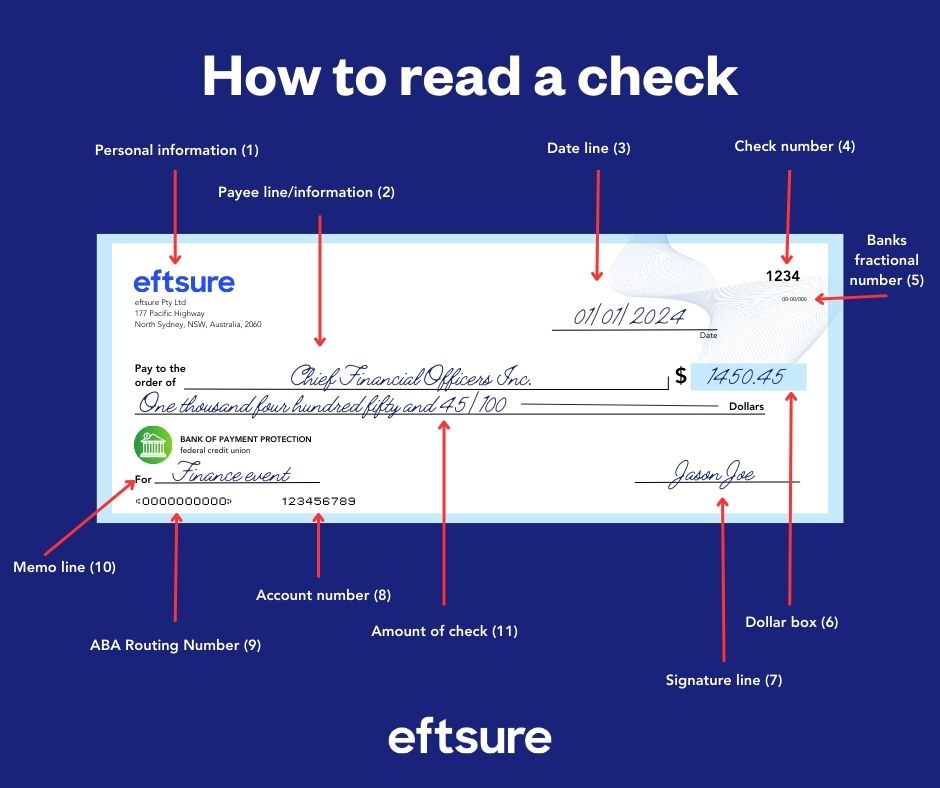
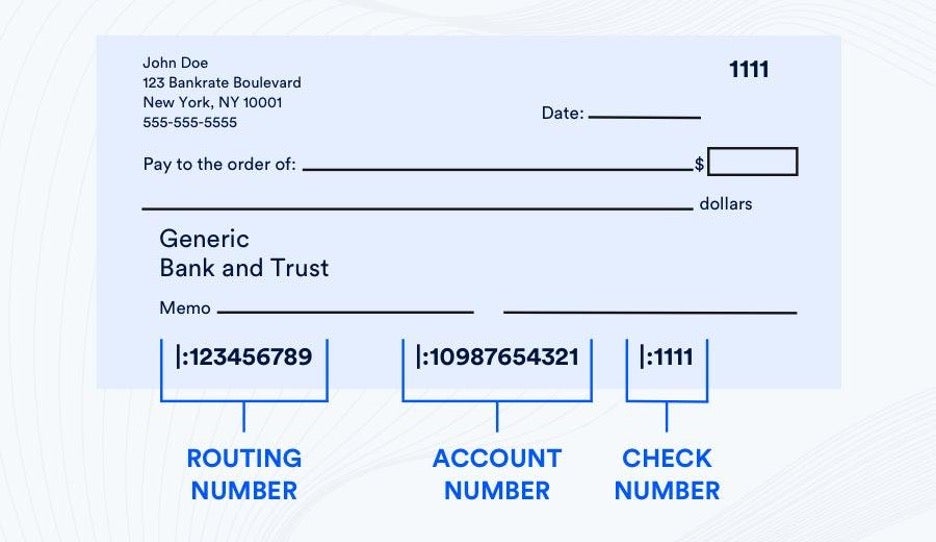
If you have a physical checkbook, your account number and routing number are printed at the bottom of each check.
-
The routing number is the first set of nine digits on the left.
-
Your account number is the second set of digits, usually appearing in the middle.
-
The third set of digits is typically the check number.
-
This is a very convenient method if you have a check handy, but remember that routing numbers can sometimes vary (e.g., for wire transfers), so always verify the correct one for the specific transaction type if unsure.
-
Direct Assistance: Branch Visits and Customer Service
If digital and traditional methods are unavailable or yield no results, your bank’s personnel are always there to help.
-
Calling Customer Service:
-
Locate your bank’s customer service number (usually on their website, the back of your debit card, or a bank statement).
-
Be prepared to go through a rigorous identity verification process. This typically involves providing personal information such as your full name, address, date of birth, Social Security Number (or parts of it), and possibly answers to security questions. This is a crucial step to prevent unauthorized access to your financial information.
-
-
Visiting a Bank Branch:
-
Head to your nearest branch with a valid form of identification (e.g., driver’s license, passport).
-
A teller or customer service representative will be able to look up your account details for you after verifying your identity. This is often the most secure method for retrieving sensitive information if you’re uncomfortable doing so digitally or over the phone.
-
Safeguarding Your Financial Identity: Security Best Practices
While knowing how to find your account number is essential, understanding how to protect it is even more critical. Your account number, especially when combined with your routing number, is a powerful tool in the hands of fraudsters.
Recognizing and Avoiding Common Scams
Scammers constantly evolve their tactics, but many rely on eliciting sensitive financial information.
-
Phishing Emails and Texts: Be wary of unsolicited emails or text messages claiming to be from your bank, the IRS, or other official organizations, asking you to “verify” your account information by clicking a link or replying with your account number. Legitimate institutions rarely ask for such sensitive details via insecure channels. Always navigate directly to your bank’s website or app.
-
Vishing (Voice Phishing) Calls: If you receive a call from someone claiming to be from your bank and asking for your full account number, routing number, or other personal identifiers, be extremely cautious. It’s safer to hang up and call your bank’s official number directly to verify the request.
-
Public Wi-Fi Risks: Avoid accessing your online banking or performing financial transactions on unsecured public Wi-Fi networks, as these can be vulnerable to eavesdropping.
Secure Storage and Sharing Protocols
Treat your account number with the same care you would your Social Security Number or passport.
-
Limit Sharing: Only provide your account number when absolutely necessary for legitimate financial transactions (e.g., direct deposit, wire transfer setup).
-
Verify Recipients: Before sharing, ensure the recipient is trustworthy and has a legitimate reason for needing the information. For businesses, ensure their data security practices are robust.
-
Secure Storage: If you need to keep a record of your account number, store it securely. Avoid writing it down on easily accessible notes or storing it in unencrypted digital files. Consider using a secure password manager or a locked physical safe.
-
Shred Old Documents: When discarding old bank statements or checks, always shred them to prevent identity theft.
-
Use Strong Passwords and 2FA: For your online banking accounts, always use strong, unique passwords and enable two-factor authentication (2FA) for an extra layer of security.
What to Do If Your Account Number is Compromised
Despite your best efforts, financial information can sometimes be exposed. Reacting swiftly is crucial.
-
Contact Your Bank Immediately: Inform them that your account number may have been compromised. They can advise you on the next steps, which may include monitoring your account closely, flagging suspicious activity, or even closing the account and opening a new one if the risk is high.
-
Monitor Your Accounts: Regularly check your bank statements and online transaction history for any unauthorized activity. Report anything suspicious at once.
-
Change Passwords: If your online banking credentials might have been compromised, change them immediately.
-
Consider Fraud Alerts/Credit Freeze: If other personal information was exposed along with your account number, consider placing a fraud alert or credit freeze with credit bureaus (Equifax, Experian, TransUnion) to prevent new accounts from being opened in your name.
-
File a Police Report: In cases of significant fraud, filing a police report can be helpful for documentation and resolution.
Troubleshooting and Advanced Scenarios
While finding your account number is typically straightforward, certain situations or account types may require additional consideration.
When All Else Fails: Proactive Steps for Lost Information
If you find yourself in a situation where you cannot locate any physical or digital records of your account number and cannot reach customer service or a branch, don’t panic. The bank still holds your information. Persist in contacting your bank through their official channels during business hours. Gather any other identifying information you have (e.g., debit card number, previous transaction details, date of account opening) to aid the verification process. The bank’s primary concern is verifying your identity before releasing sensitive information.
Navigating Business Account Numbers vs. Personal Accounts
For business owners, the principles for finding and protecting account numbers are similar, but the stakes can be higher due to larger transaction volumes and multiple signatories. Business account numbers are found on business bank statements, checks, and within online banking portals. It’s crucial for businesses to have robust internal controls regarding who has access to account numbers and who is authorized to initiate transfers. Dual authorization for transactions, clear policies for information sharing, and regular audits are recommended.
International Account Numbers (IBAN) and Their Specifics
For individuals and businesses engaging in international transactions, the concept of an International Bank Account Number (IBAN) becomes relevant. An IBAN is an internationally agreed-upon system of identifying bank accounts across national borders, facilitating seamless cross-border payments. It consists of an alpha-numeric string that includes a country code, check digits, and the bank’s domestic account number and routing information.
-
Format: IBANs vary in length but always start with a two-letter country code, followed by two check digits, and then up to thirty alphanumeric characters that identify the bank and the account.
-
Where to Find It: If you need your IBAN, you typically find it on your online banking platform, bank statements, or by contacting your bank’s international transfer department. Most U.S. banks do not use IBANs for domestic transfers, but if you are receiving funds from outside the U.S. or sending funds internationally, an IBAN (for the recipient) will almost always be required. Your U.S. bank will provide the necessary SWIFT/BIC code and your standard account number for incoming international wires to your account.
In conclusion, your account number is a critical piece of your financial identity. By understanding its purpose, knowing the various methods to locate it, and adhering to strict security protocols, you can effectively manage your finances and protect yourself from potential threats in an increasingly complex financial world.
aViewFromTheCave is a participant in the Amazon Services LLC Associates Program, an affiliate advertising program designed to provide a means for sites to earn advertising fees by advertising and linking to Amazon.com. Amazon, the Amazon logo, AmazonSupply, and the AmazonSupply logo are trademarks of Amazon.com, Inc. or its affiliates. As an Amazon Associate we earn affiliate commissions from qualifying purchases.