
Gift cards have become a ubiquitous part of modern commerce and gift-giving. From birthdays and holidays to corporate rewards and incentives, these convenient little plastic (or digital) rectangles represent a significant portion of consumer spending power. While they offer flexibility and convenience, a common oversight often leads to unused funds: failing to regularly check the available balance. Each year, billions of dollars on gift cards go unspent, either forgotten in a drawer or only partially used, an unintended financial forfeiture for both the recipient and, ultimately, the issuer.
Understanding how to efficiently and reliably check the balance on your gift cards is not just about convenience; it’s a fundamental aspect of prudent personal finance. It ensures you maximize the value of your assets, avoid expiry dates, prevent frustrating checkout experiences, and integrate these funds effectively into your overall financial planning. This guide will walk you through the essential methods for checking your gift card balance, offer insights into common challenges, and provide best practices for managing these valuable financial tools.
The Importance of Knowing Your Gift Card Balance
Gift cards, at their core, are a form of pre-paid currency. Like any other financial asset, their value needs to be tracked and managed. Overlooking this simple step can lead to a surprising amount of financial leakage over time, impacting your personal budget in subtle yet significant ways.
Maximizing Value and Avoiding Expiry
The most straightforward reason to check your gift card balance is to ensure you don’t lose out on its inherent value. Many gift cards, particularly those issued by individual retailers, can have expiry dates. While federal regulations in the United States (the CARD Act of 2009) mandate that most retail gift cards cannot expire for five years from the date of activation or last load, this doesn’t apply universally, especially to promotional cards or those issued outside the US. Furthermore, even within that five-year window, an inactive card might start incurring dormancy fees in certain circumstances (though this is becoming less common). By regularly checking balances, you can prioritize using cards nearing their expiry or those with small, easily forgotten amounts, ensuring every dollar is utilized.
Preventing Unpleasant Surprises at Checkout
There’s little more frustrating than confidently presenting a gift card at the register, only to discover it has an insufficient balance, leaving you scrambling for an alternative payment method. This inconvenience can be particularly embarrassing in social settings or during busy shopping periods. Knowing your exact balance beforehand allows for seamless transactions, helps you plan your purchases precisely, and avoids the awkwardness of an unexpected shortfall. It integrates the gift card into your pre-planned budget, treating it as the cash equivalent it represents.
Budgeting and Financial Planning
While individual gift cards may seem like minor financial instruments, collectively they can represent a substantial sum. For individuals on a tight budget, knowing the available balance on a gift card can influence spending decisions for necessities or allow for a planned treat without dipping into other savings. Incorporating gift card values into your personal financial overview helps you understand your true purchasing power and can even serve as an emergency fund for specific retailers or categories of goods. It’s an often-overlooked component of managing your total accessible funds.
Security and Fraud Prevention
Treating gift cards like cash extends to their security. If a gift card is lost or stolen, knowing its approximate balance can be crucial for reporting it to the issuer and potentially recovering the funds. Some cards offer a degree of protection if registered, but without knowing the balance, it’s hard to assess the extent of the loss or even confirm if unauthorized transactions have occurred. Regular checks can also help you identify any suspicious activity, just as you would with a bank statement or credit card.
Common Methods for Checking Gift Card Balances
The good news is that checking a gift card balance is usually a straightforward process. Most issuers offer multiple avenues, catering to different preferences and technological access. Understanding these methods is key to efficient gift card management.
Online via the Issuer’s Website
This is arguably the most prevalent and convenient method for checking gift card balances today. Most major retailers and universal gift card providers (like Visa, Mastercard, American Express) have dedicated sections on their websites for balance inquiries.
The process typically involves:
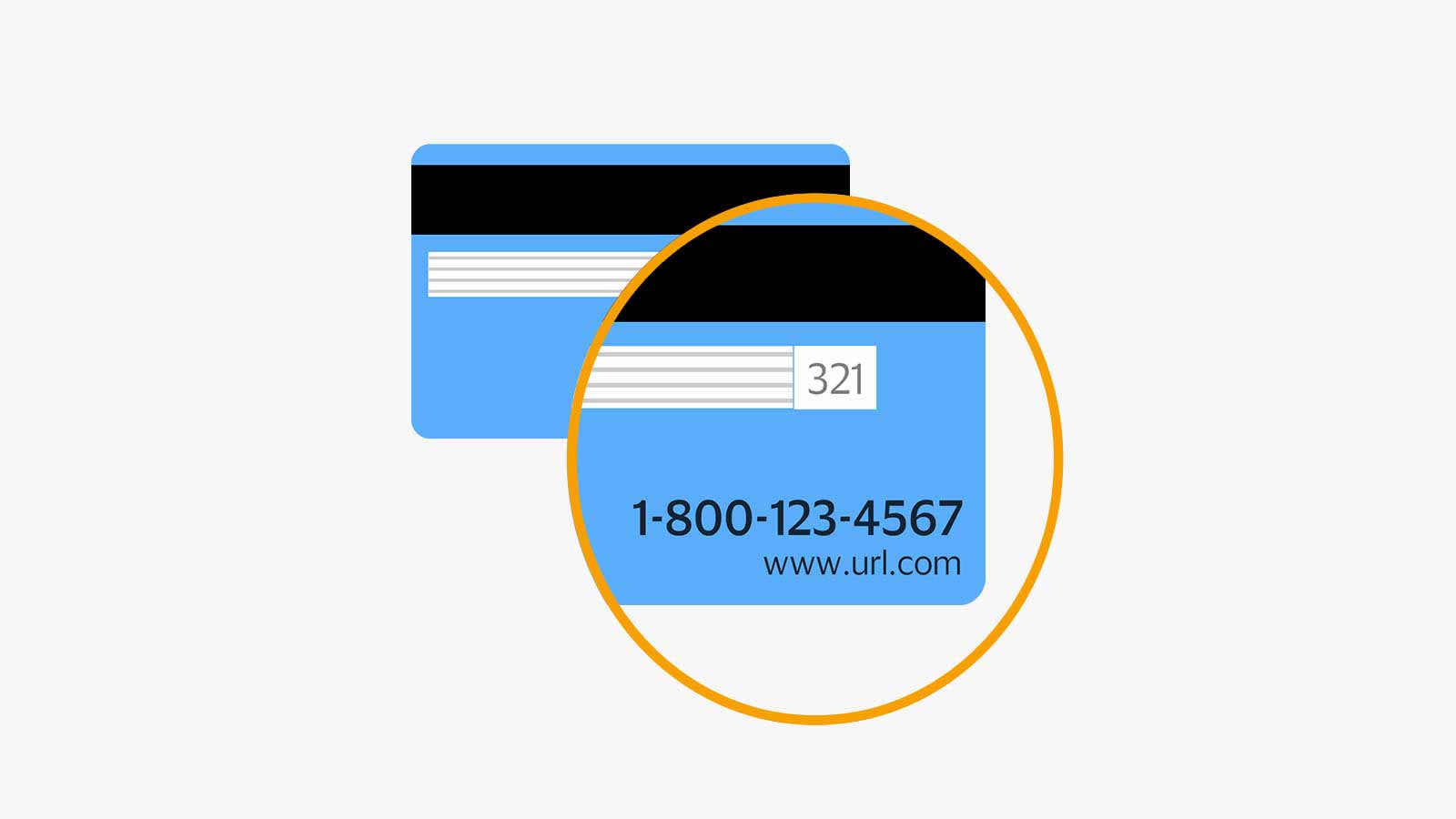
- Locating the Website: Look for the issuer’s website address printed on the back of the gift card. For universal cards, it might be a specific URL like
www.visagiftcard.com. - Finding the Balance Checker: On the website, navigate to a section titled “Check Balance,” “Gift Card Balance,” or similar. This is often found in the footer, customer service section, or directly linked from the homepage.
- Inputting Details: You will typically need to enter the gift card number (usually 16 digits) and often a PIN or security code (often revealed by scratching off a silver strip on the back of the card). Some cards might also ask for an expiry date.
Within moments, your current balance will be displayed. This method is ideal for quick checks from any internet-connected device.
Via Phone (Customer Service)
For those who prefer a more traditional approach, lack internet access, or encounter issues online, checking balances over the phone is a reliable alternative. Most gift cards have a toll-free customer service number printed on the back.
When calling:
- Locate the Number: Find the 1-800 or 1-888 number on the back of your card.
- Follow Prompts: You’ll likely encounter an automated system that will guide you through the process of entering your gift card number and PIN using your phone’s keypad.
- Speak to an Agent (If Necessary): If the automated system is unclear or you face difficulties, you can usually opt to speak with a customer service representative who can assist you directly. Be prepared to provide the card number and any security codes.
In-Store (Point of Sale)
For physical gift cards from specific retailers, you can often check the balance directly at the store. This method is particularly useful if you’re already at the location or if other methods prove difficult.
- Approach a Cashier or Customer Service Desk: Simply hand your gift card to an associate at the checkout counter or the customer service desk.
- Request a Balance Check: Inform them you’d like to check the balance. They will usually swipe or manually enter the card details into their system and provide you with the current amount.
This method offers immediate confirmation and can be helpful for cards that don’t have easily accessible online or phone options.
Through Mobile Apps (Retailer-Specific)
With the proliferation of smartphone applications, many major retailers now offer dedicated apps that integrate gift card management. If you frequently shop at a particular store, their app might be the most convenient way to track your card.
- Download the Retailer’s App: Search for the store’s official app in your device’s app store.
- Add Your Gift Card: Most apps will have a “Wallet,” “Payments,” or “Gift Cards” section where you can manually enter your gift card details to add it to your digital wallet within the app. Some even allow scanning.
- View Balance: Once added, the app will typically display the current balance and allow you to use the card directly from your phone. This method offers unparalleled convenience for regular users.

General Gift Card Balance Checkers (Third-Party, with Caution)
A number of third-party websites claim to check balances for various gift cards. While some of these services are legitimate, caution is advised. You are entrusting sensitive card information to an external entity. It’s generally recommended to stick to the official channels (issuer’s website, phone number, or in-store) to ensure the security of your card details and the accuracy of the balance information. If you do use a third-party checker, ensure it has a good reputation and secure connections (look for “https” in the URL).
Navigating Common Challenges and Best Practices
While checking a balance is typically straightforward, certain situations can complicate matters. Being prepared for these eventualities and adopting smart management practices can save you time, money, and frustration.
Lost or Damaged Cards
Losing a gift card can feel like losing cash. If a physical card is lost or stolen, your first action should be to contact the issuer immediately. Many gift cards, especially those from major retailers or universal cards, can be replaced if you have proof of purchase (a receipt) and the card number. This highlights the critical importance of:
- Keeping Receipts: Always retain the purchase receipt for a gift card.
- Recording Details: Before using a new gift card, make a note of the full card number and PIN in a secure location (e.g., a password manager, a secure document). This information is vital for reporting a loss and potentially recovering funds.
Damaged cards might still be readable by a human, even if a machine can’t scan them. Try calling customer service with the visible numbers or visiting the store.
Understanding Terms and Conditions (Expiry Dates, Fees)
It’s tempting to toss the fine print that comes with a gift card, but it contains crucial financial information. As mentioned, while federal law protects gift cards from expiring for five years in the US, specific conditions might apply. Always check:
- Expiry Dates: Clearly note any expiry date, especially for promotional or smaller retailer cards.
- Inactivity Fees: Although less common due to regulations, some older cards or certain types of cards might still impose fees after a period of inactivity.
- Usage Restrictions: Some cards might only be usable for certain categories of items or online vs. in-store.
A quick read of the terms can prevent unwelcome surprises and help you plan your spending effectively.
Dealing with Multiple Gift Cards
Many households accumulate a collection of gift cards. Managing these effectively is a mini-financial challenge. Consider these strategies:
- Physical Organization: Use a dedicated wallet, envelope, or small box to keep all active gift cards in one place.
- Digital Tracking: Create a simple spreadsheet or use a dedicated app (if available and secure) to log card numbers, PINs, issuer, original value, current balance, and expiry dates.
- Prioritize Use: Use cards with smaller balances first, or those nearing expiry, to clear them out.
- Consolidating Balances: Some retailers allow you to transfer the balance from multiple small cards onto a single, larger one, which can simplify management. Inquire with the issuer if this option is available.
Security Tips for Gift Card Management
Treat gift cards with the same caution you would cash or a debit card.
- Don’t Share Details: Never share your full gift card number and PIN with unknown individuals or on unsecured websites.
- Beware of Scams: Be highly suspicious of unsolicited emails or calls asking for gift card information, or requests to purchase gift cards as a form of payment for services or debts. Gift cards are frequently used in various fraud schemes.
- Register Your Card: If the option is available, register your gift card with the issuer. This often provides a layer of protection against loss or theft and makes balance tracking easier.
Beyond Checking: Maximizing Your Gift Card’s Financial Potential
Knowing your balance is the first step; the next is to integrate these funds strategically into your personal finance framework. Gift cards aren’t just gifts; they’re an opportunity to manage your money more effectively.
Strategic Spending
Instead of viewing gift cards as ‘free money’ to be impulsively spent, consider how they can align with your financial goals:
- Budget Alignment: If you have a gift card for a grocery store, integrate it into your weekly grocery budget. This frees up cash for other expenses or savings.
- Waiting for Sales: Don’t feel pressured to spend a gift card immediately. If it has a distant expiry date, consider holding onto it for a store-wide sale or a specific item you’ve been wanting.
- Needs vs. Wants: Prioritize using gift cards for necessities (groceries, gas, household items) if you’re on a tight budget, or for planned wants (new clothing, entertainment) if your essential budget is covered.
Reselling or Trading Unwanted Gift Cards
Not every gift card aligns with your needs or interests. Rather than letting an unwanted card languish or expire, consider converting it into more versatile cash. There are reputable online platforms (e.g., Raise, CardCash) that allow you to sell your unwanted gift cards, typically for a percentage of their face value (e.g., 80-90%). This turns a dormant asset into usable currency that can be spent anywhere, or even invested. Conversely, you can also use these platforms to buy gift cards at a discount, offering a smart way to save money on planned purchases.
Gifting Considerations
If you’re giving gift cards, consider the recipient’s preferences and the card’s terms. Opt for versatile gift cards (Visa, Mastercard, or major retailers with broad appeal) to ensure the recipient can truly use the value. Make sure to inform them about how to check the balance and highlight any expiry dates or specific usage instructions, empowering them to maximize their gift.

Conclusion
Gift cards are a valuable and versatile component of our financial landscape. However, their true financial potential is often left untapped due to a simple oversight: neglecting to check their balances. By embracing the simple methods outlined—online, by phone, in-store, or via mobile apps—you transform a potential liability (forgotten funds) into a managed asset.
Treating gift cards like any other form of currency, understanding their terms, and adopting best practices for security and organization are not just about convenience; they are integral to sound personal finance. Don’t let your hard-earned (or gifted) money sit idle or expire. Make it a habit to regularly check your gift card balances and reclaim the full value they represent. Start today by digging out those forgotten cards and discovering their hidden worth.
aViewFromTheCave is a participant in the Amazon Services LLC Associates Program, an affiliate advertising program designed to provide a means for sites to earn advertising fees by advertising and linking to Amazon.com. Amazon, the Amazon logo, AmazonSupply, and the AmazonSupply logo are trademarks of Amazon.com, Inc. or its affiliates. As an Amazon Associate we earn affiliate commissions from qualifying purchases.