
For anyone engaged with the world of personal finance and rewards credit cards, the question “how much is 1 Amex point worth?” is a perennial one. It’s a deceptively simple query that hides a complex truth: unlike a dollar, an American Express Membership Rewards (MR) point doesn’t have a fixed, universally agreed-upon monetary value. Its worth is a fluid concept, fluctuating wildly based on how you choose to redeem it, the specific Amex card you hold, and even the timing of your redemption. Understanding this variability is not just academic; it’s fundamental to transforming your accumulated points from a mere collection into a powerful financial asset capable of delivering substantial value, especially in areas like travel.
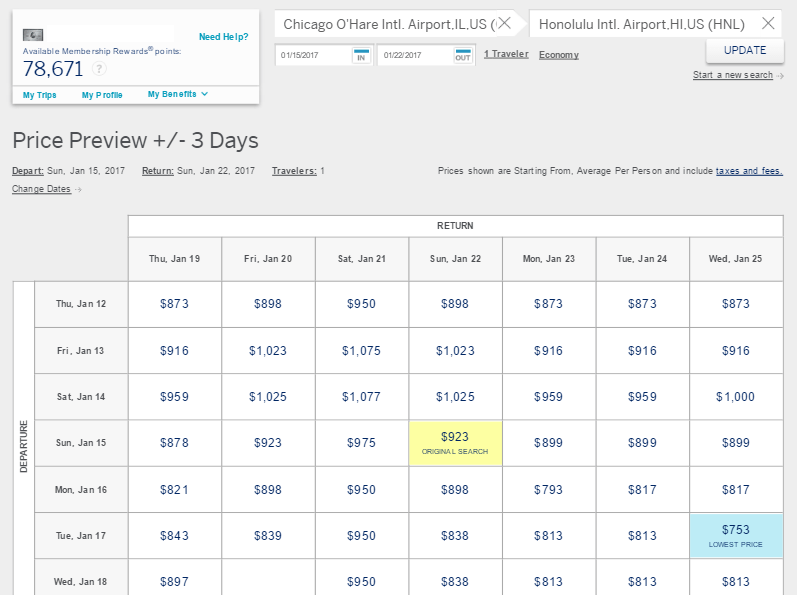
This article delves into the nuances of Amex point valuation, offering a comprehensive guide for cardholders to accurately assess and significantly enhance the return on their Membership Rewards. We will explore the various redemption avenues, highlight the factors that influence point value, and outline advanced strategies to ensure you’re consistently extracting the highest possible worth from your hard-earned points. For the financially savvy, Amex points represent more than just a perk; they are a strategic tool in a well-managed personal finance portfolio.
The Intricate Valuation of Amex Membership Rewards Points
The journey to understanding Amex point worth begins with acknowledging its inherent variability. Unlike cash back cards, where a point often equals a fixed cent (e.g., 1 point = 1 cent), Amex Membership Rewards points operate on a dynamic scale.
Dispelling the Myth of a Fixed Point Value
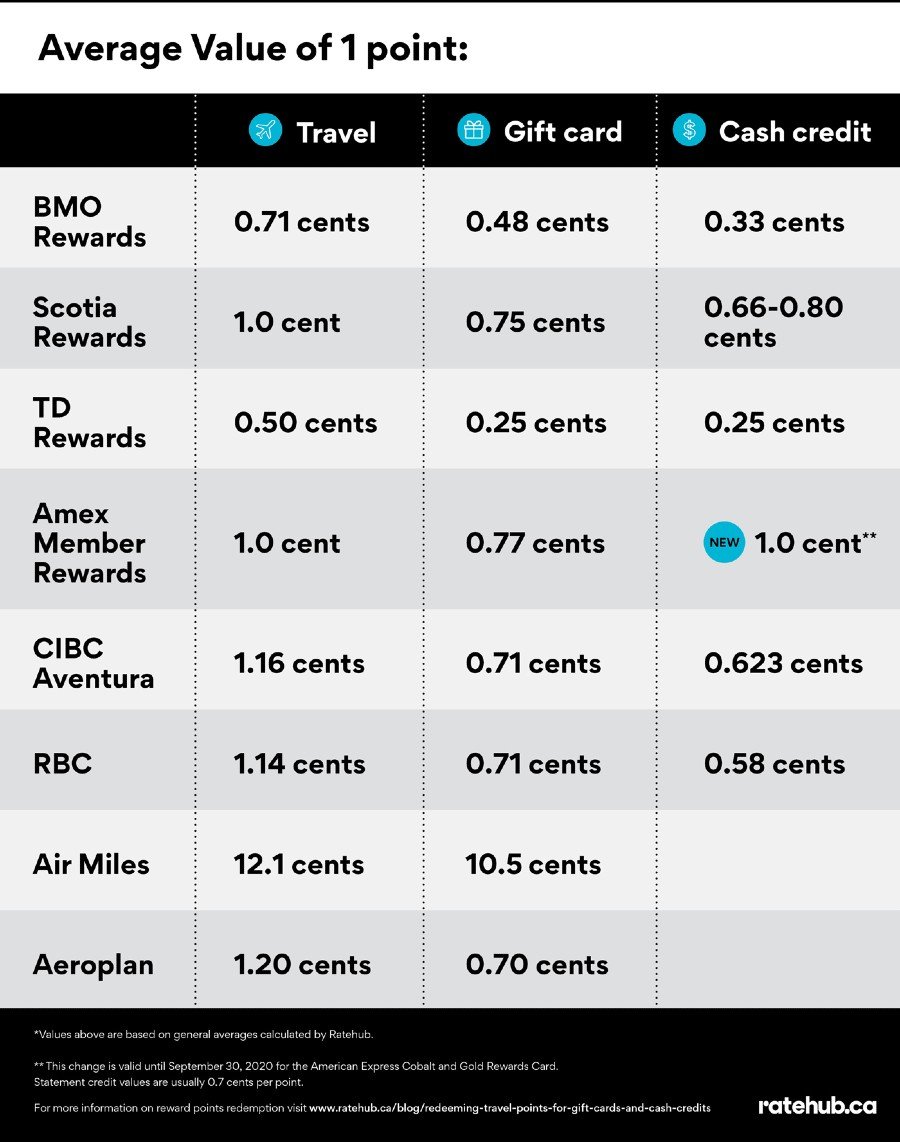
Many new cardholders or those less familiar with rewards programs might assume a point is always worth a certain amount, perhaps 1 cent. While 1 cent per point (CPP) is a common benchmark and sometimes a reasonable average for certain redemptions, it is far from a universal truth for Amex MR points. In reality, the value can range from a dismal 0.5 cents per point to an astonishing 2 cents per point or even higher, particularly when maximized for premium travel experiences. This wide disparity means that a casual approach to redemption can lead to significant forfeiture of potential value, essentially leaving money on the table. A crucial aspect of smart personal finance is to understand where your money, or in this case, your points, can yield the highest return.
The Spectrum of Redemption Options and Their Baseline Worth
American Express offers a plethora of ways to redeem Membership Rewards points, each with its own implied value. These options can be broadly categorized, with typical values ranging as follows:
- Cash Back/Statement Credits: This is often the lowest-value option, typically yielding around 0.6 cents per point. For example, 10,000 points might get you a $60 statement credit. While convenient, it’s generally considered a suboptimal use of points.
- Gift Cards: The value here is slightly better than cash back, often hovering around 0.7 to 1 cent per point, depending on the retailer and any ongoing promotions.
- Shopping with Points (e.g., Amazon, PayPal): This is another low-value redemption, usually around 0.7 cents per point. It offers convenience but significantly undersells the potential of your points.
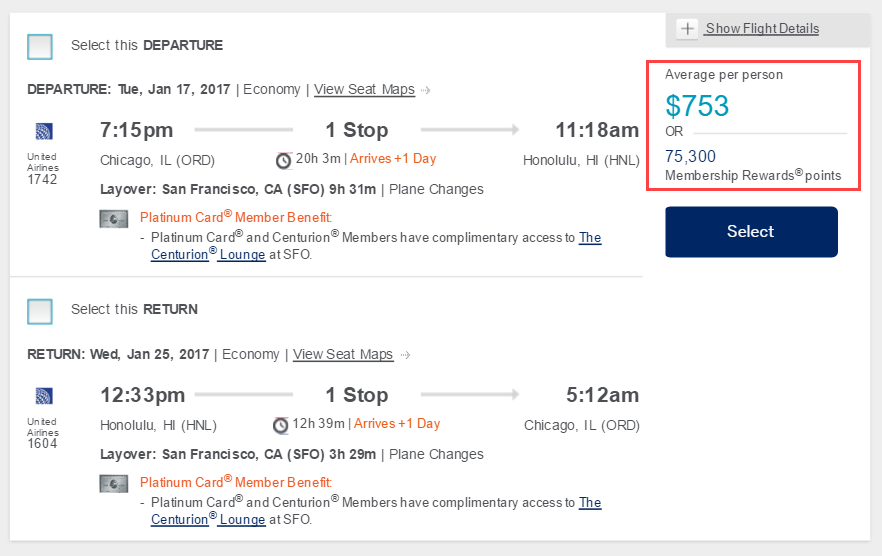
- Booking Travel through Amex Travel Portal: This option typically offers a consistent 1 cent per point for flights and prepaid hotels. For example, 50,000 points could book a flight worth $500. This is a decent baseline but often not the highest value.
- Transferring to Airline and Hotel Partners: This is where the true power and potential for maximizing value lie. Depending on the partner, the specific redemption, and promotional bonuses, point values can easily exceed 1.5 CPP, often reaching 2 CPP, 3 CPP, or even more for business or first-class international flights, or luxury hotel stays.
Understanding this spectrum is the first step towards making informed financial decisions about your rewards.
Unpacking the Primary Factors Driving Point Value
To effectively navigate the Membership Rewards ecosystem, it’s essential to dissect the core factors that dictate how much your points are truly worth. These elements combine to create a nuanced landscape where strategic choices significantly impact your financial gain.
Direct Redemption Avenues: From Statement Credits to Travel Bookings
The simplest redemption options often provide the least value. Using points for statement credits, gift cards, or shopping on platforms like Amazon offers immediate gratification but at a steep cost in terms of potential value. For instance, redeeming 10,000 points for a $60 statement credit means your points are worth just 0.6 cents each. While convenient for those who prioritize cash flow over maximizing travel value, this approach represents a missed financial opportunity for those seeking to stretch their rewards further.
Booking travel directly through the Amex Travel Portal, conversely, typically offers a more respectable 1 cent per point for flights and prepaid hotels. This is a solid, predictable value that many find appealing for its simplicity. For example, a $1,000 flight would cost 100,000 points. While not the absolute peak value, it’s a transparent and reliable redemption method, suitable for those who prefer direct booking without the complexities of transfer partners.
The Strategic Advantage of Transfer Partners: Airlines and Hotels
The most lucrative path to maximizing Amex point value invariably involves transferring your Membership Rewards points to one of Amex’s extensive network of airline or hotel loyalty programs. Amex has partnerships with major carriers like Delta, British Airways, Emirates, Air Canada, and hotel chains like Hilton and Marriott.
When you transfer points, they convert into the partner’s currency, often at a 1:1 ratio (though some partners may have different ratios or offer transfer bonuses). The real value unlock occurs because the redemption rates for flights (especially premium cabins like business or first class) or luxury hotel stays using partner miles/points often yield significantly higher per-point values compared to direct cash bookings. For example, a business class flight that might cost $5,000 in cash could be available for 100,000 airline miles after transferring Amex points, effectively making your points worth 5 cents each. This is where the financial engineering of rewards points truly shines, allowing savvy individuals to access experiences far beyond what a simple cash back redemption would allow.
The Influence of Your Specific American Express Card and Its Perks
Not all Amex cards are created equal, especially when it comes to earning and redeeming Membership Rewards points. While all cards earning MR points can generally access the same redemption options, certain cards offer enhanced earning categories or unique benefits that indirectly boost the overall value proposition.
For instance, the Amex Platinum card offers 5x points on flights booked directly with airlines or on amextravel.com, and on prepaid hotels booked on amextravel.com. The Amex Gold card provides 4x points on U.S. supermarkets (on up to $25,000 per calendar year, then 1x) and at restaurants worldwide. Earning points at an accelerated rate means you accumulate more value faster.
Furthermore, some cards, like the Platinum Card, come with travel benefits such as lounge access, elite status with hotel chains (upon enrollment), and annual travel credits. These benefits, when combined with strategically redeemed points, contribute to a holistic travel experience that greatly exceeds the face value of the points themselves. Understanding your card’s specific multipliers and perks is crucial for optimizing your point accumulation and ultimately, your point value.
Advanced Strategies for Maximizing Your Amex Point Value
Leveraging Amex Membership Rewards to their fullest potential requires more than just understanding the baseline values; it demands a strategic approach to earning, saving, and, most importantly, redeeming.
Mastering Transfers for High-Value Travel Redemptions
The pinnacle of Amex point value often lies in strategic transfers to airline and hotel partners. This is where a single point can easily be worth 2 cents, 3 cents, or even more. The key is to:
- Identify High-Value Redemptions: Research specific routes or hotel stays that offer disproportionately good value when booked with partner miles/points. Business and first-class international flights are frequent sweet spots.
- Monitor Transfer Bonuses: American Express frequently offers transfer bonuses, where you get extra miles/points when transferring to a specific partner (e.g., 20% or 30% bonus). Timing your transfers with these promotions can significantly amplify your points’ worth.
- Understand Partner Award Charts: Familiarize yourself with the award charts of various airline and hotel partners. Some partners offer better value for certain regions or cabin classes than others.
- Be Flexible: Flexibility with travel dates and destinations can open up more award availability and thus more opportunities for high-value redemptions.
This strategy requires a bit more research and planning than direct booking, but the financial rewards—often transforming an economy class budget into a luxury travel experience—are well worth the effort. It’s a prime example of how intelligent financial planning can unlock premium experiences.
Smart Utilization of the Amex Travel Portal and Amex Offers
While transfer partners offer the highest potential, the Amex Travel Portal and Amex Offers also play a role in a well-rounded redemption strategy.
- Amex Travel Portal for Specific Needs: While not always the highest value, the 1 cent per point for flights and prepaid hotels on the Amex Travel Portal can be useful when transfer partner availability is scarce, or for domestic flights where partner redemptions might not offer significantly better value. It’s also often the only way to cover taxes and fees on award tickets using points, though this is usually a lower-value redemption.
- Amex Offers for Indirect Savings: Amex Offers, which provide statement credits for spending at specific merchants, are not direct point redemptions but are a powerful way to save money and indirectly increase the value of your card membership. By taking advantage of offers for groceries, dining, or travel, you reduce your cash outlay, effectively making your overall Amex ecosystem more valuable. These savings contribute directly to your personal financial well-being.
Identifying and Avoiding Low-Value Point Uses
Just as crucial as maximizing high-value redemptions is the discipline to avoid low-value ones. Using your points for statement credits (0.6 CPP), shopping on Amazon (0.7 CPP), or for most gift cards typically represents a poor return on your investment. While convenient, these options diminish the power of your points and should generally be reserved for situations where you absolutely cannot utilize them for travel or if your points are nearing expiration with no other viable plan. Every financial decision involves trade-offs, and choosing low-value redemptions means foregoing potentially much greater value.
A Practical Guide to Calculating Your Point’s True Worth
In the dynamic world of Amex Membership Rewards, the ability to calculate the true value of your points for any given redemption is an invaluable skill. This allows for informed decision-making and ensures you are always optimizing your rewards.
The Simple Formula: Real-World Value Divided by Points Used
Calculating your point value is straightforward:
Point Value (in cents per point) = (Cash Value of Redemption / Number of Points Used) * 100
Let’s illustrate with examples:
-
Example 1: Statement Credit
- Cash Value: $60
- Points Used: 10,000 MR points
- Value: ($60 / 10,000) * 100 = 0.6 cents per point
-
Example 2: Amex Travel Portal Flight
- Cash Value: $500 (for a flight)
- Points Used: 50,000 MR points
- Value: ($500 / 50,000) * 100 = 1 cent per point
-
Example 3: Business Class Flight via Transfer Partner
- Cash Value: $5,000 (of the flight if paid in cash)
- Points Used: 100,000 MR points (transferred to airline partner)
- Value: ($5,000 / 100,000) * 100 = 5 cents per point
By consistently applying this formula, you can objectively compare different redemption options and identify which ones offer the most significant return. This practical approach is a cornerstone of intelligent personal finance management.
Factoring in Opportunity Cost and Redemption Goals
Beyond the pure numerical calculation, it’s crucial to consider opportunity cost and your personal redemption goals.
- Opportunity Cost: Every time you redeem points, you’re foregoing the opportunity to use them for a potentially higher-value redemption in the future. If you take a 1 CPP redemption, are you sacrificing a potential 2 CPP redemption down the line? This consideration should guide your strategy, especially for large point balances.
- Redemption Goals: Not everyone prioritizes luxury travel. For some, the convenience of a statement credit, even at a lower value, might align better with their immediate financial needs. However, it’s vital to be aware of the “cost” of that convenience. If your goal is to travel more, then aiming for 1.5-2+ CPP should be your target. If your goal is simply to offset everyday expenses, then you accept the lower CPP for that specific financial relief. The best financial strategy is always aligned with personal objectives.
Cultivating a Savvy Amex Rewards Mindset
Mastering the value of Amex Membership Rewards points is an ongoing journey that rewards continuous learning, flexibility, and a strategic outlook. It’s about empowering yourself with knowledge to make financially sound decisions.
The Importance of Continuous Research and Flexibility
The landscape of credit card rewards is constantly evolving. Airline loyalty programs change their award charts, Amex introduces new transfer partners or promotions, and new cards come with different earning structures. To consistently maximize your point value, staying informed through financial blogs, forums, and directly checking partner websites is crucial. Furthermore, maintaining flexibility in your travel plans—being open to different destinations, dates, or even airlines—can unlock significantly higher-value redemptions that rigid plans might miss. This adaptability is a valuable trait in all aspects of personal finance.
Aligning Redemption with Your Personal Financial Objectives
Ultimately, the “worth” of an Amex point is subjective to your personal financial objectives. While we can calculate theoretical maximums, the true value is what it means to you.
- Are you focused on reducing immediate expenses? Then even a 0.6 CPP statement credit might be “worth it” for your current financial situation, despite being numerically low.
- Are you saving for a dream vacation? Then diligently saving and transferring points for a 3+ CPP redemption on a business class flight will provide immense value towards that goal.
- Are you building a sustainable travel hacking strategy? Then consistently aiming for 1.5-2 CPP or higher will be central to your long-term success.
The key is to make conscious, informed decisions. Understand the various values, calculate the worth for your intended redemption, and ensure that choice aligns with your broader financial plan. American Express Membership Rewards points are a powerful financial tool; wielded wisely, they can significantly enhance your lifestyle and financial freedom, providing tangible returns that extend far beyond a simple cash equivalent.
aViewFromTheCave is a participant in the Amazon Services LLC Associates Program, an affiliate advertising program designed to provide a means for sites to earn advertising fees by advertising and linking to Amazon.com. Amazon, the Amazon logo, AmazonSupply, and the AmazonSupply logo are trademarks of Amazon.com, Inc. or its affiliates. As an Amazon Associate we earn affiliate commissions from qualifying purchases.