
Understanding your financial obligations, particularly those to the Internal Revenue Service (IRS), is a cornerstone of sound personal finance. Whether you’re preparing for tax season, reconciling past returns, or simply aiming for greater financial clarity, knowing your exact tax liability is crucial. Ignoring potential debt to the IRS can lead to escalating penalties, interest charges, and significant stress. This comprehensive guide will walk you through the various official methods to determine precisely how much you owe, providing you with the tools and knowledge to manage your financial standing proactively and confidently.
Understanding Your IRS Obligations: Why It Matters
In the realm of personal finance, knowledge is power, especially when it comes to governmental entities like the IRS. Proactively monitoring your tax status not only prevents unpleasant surprises but also empowers you to make informed decisions about budgeting, savings, and investment strategies.
The Importance of Proactive Financial Management
For many, the idea of engaging with the IRS outside of filing their annual tax return can seem daunting. However, adopting a proactive stance toward your tax obligations is a fundamental aspect of robust financial health. Just as you monitor your bank account balance or credit card statements, regularly checking your IRS balance should be a routine practice. This vigilance allows you to identify discrepancies early, understand the impact of various financial decisions on your tax liability, and, critically, avoid the compounding effects of penalties and interest that can accrue on unpaid taxes. Being proactive means you’re in control, rather than reacting to a notice of demand. It enables thoughtful planning for tax payments, potentially through installment agreements or offers in compromise, rather than facing a last-minute scramble under duress.
Common Scenarios Leading to IRS Debt
IRS debt doesn’t always stem from deliberate non-compliance. Often, it arises from a variety of common scenarios that can catch taxpayers off guard. One frequent cause is under-withholding from paychecks or underpaying estimated taxes throughout the year, especially for self-employed individuals or those with significant income from investments. Life changes, such as getting married, having children, or receiving a large bonus, can also alter one’s tax bracket or deductions, leading to unexpected balances due. Errors on tax returns, even honest mistakes, can result in an audit or a notification of underpayment. Furthermore, some individuals may face tax liabilities from past years that have accumulated penalties and interest, or they might be subject to back taxes identified through information matching programs where the IRS compares reported income to third-party statements (like W-2s or 1099s). Understanding these common pitfalls is the first step in avoiding or addressing potential tax debts effectively.
Differentiating Between Tax Due, Penalties, and Interest
When you discover you owe the IRS, it’s vital to understand the components of that debt. It’s not always a straightforward tax bill. Your total liability typically comprises three main elements: the actual tax due, penalties, and interest. The tax due is the amount of tax you legally owe based on your income, deductions, and credits for a specific tax period. Penalties are charges the IRS levies for specific actions, such as failing to file on time, failing to pay on time, or submitting an inaccurate return. Common penalties include the failure-to-file penalty (5% of the unpaid taxes for each month or part of a month that a tax return is late, max 25%), the failure-to-pay penalty (0.5% of the unpaid taxes for each month or part of a month that taxes remain unpaid, max 25%), and the accuracy-related penalty (20% of the underpayment). Interest is charged on underpayments and unpaid taxes, including penalties, and accrues from the date the tax was due until it’s paid in full. The IRS interest rate is determined quarterly and is typically the federal short-term rate plus 3 percentage points. Understanding these distinctions is crucial because the IRS may abate certain penalties under reasonable cause, but interest generally cannot be abated.
Primary Methods to Ascertain Your IRS Balance
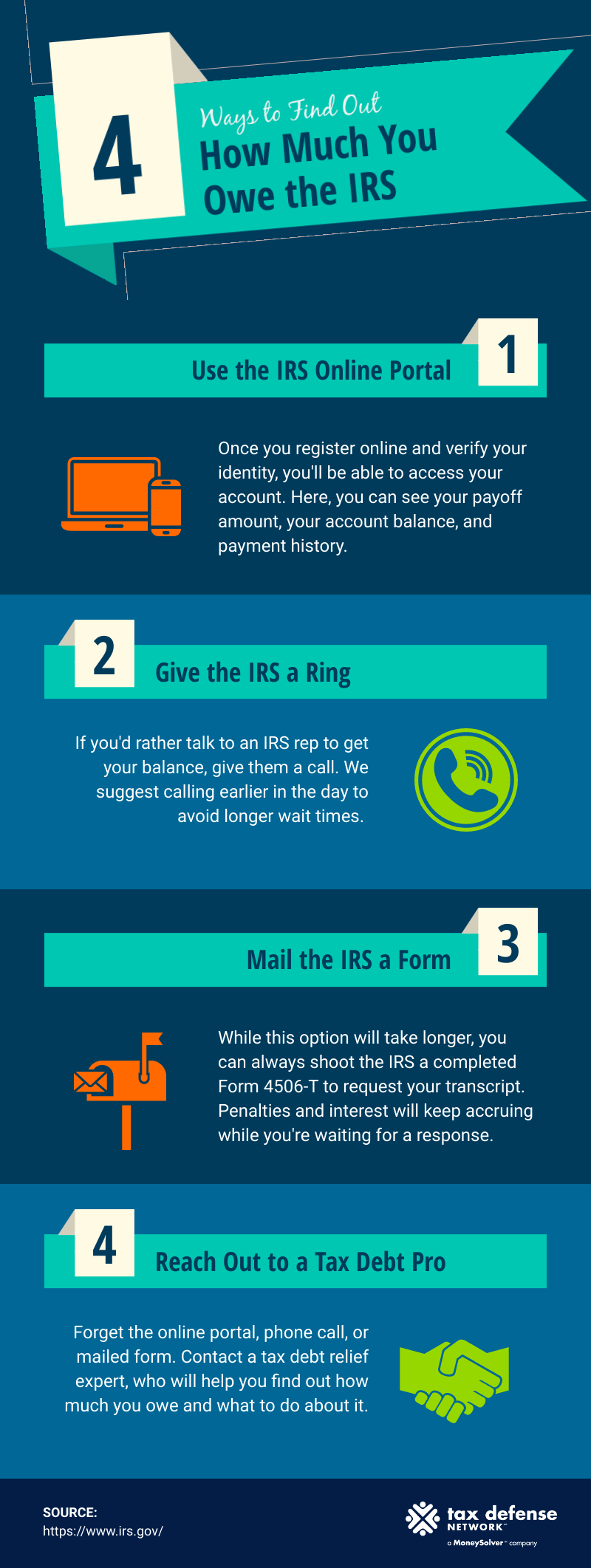
The IRS offers several official and secure avenues for taxpayers to check their account balance. Each method provides different levels of detail and accessibility, catering to various needs and preferences.
Leveraging the IRS Online Account: Your Digital Gateway
For most taxpayers, the IRS Online Account is the quickest and most comprehensive digital tool for checking their tax balance. This secure platform allows you to view your tax balance, payment history, and key tax records. To access your account, you’ll need to create or log in with an ID.me account, which involves a robust identity verification process. Once logged in, you can see the amount you owe, your payment history (including any payments you’ve made), tax returns filed for the past three years, and information about payment plans. You can also view digital copies of certain IRS notices and authorize your tax professional to access your account. This real-time access is invaluable for up-to-date information, offering convenience and a complete overview of your federal tax standing. It’s the recommended first stop for anyone looking to understand their IRS debt.
Requesting Tax Transcripts: A Detailed Record
While the IRS Online Account provides a summary, tax transcripts offer a more detailed look at your tax history. A tax transcript is a summary of your tax return information or account information, not a copy of your actual return. There are several types of transcripts:
- Tax Return Transcript: Shows most line items from your original tax return as it was filed, including adjusted gross income (AGI). It doesn’t show changes made after you filed.
- Tax Account Transcript: Provides basic data from your tax return, including marital status, type of return filed, and AGI, along with any changes made after filing. It also includes financial transactions, such as payments made, penalties assessed, and adjustments. This transcript is particularly useful for seeing your balance due.
- Record of Account Transcript: Combines the information from the tax return and tax account transcripts.
- Wage and Income Transcript: Shows data from information returns, such as Forms W-2, 1099, 1098, and Form 5498, IRA Contribution Information.
You can request transcripts online, by phone, or by mail. The online method via the “Get Transcript Online” tool requires identity verification. Transcripts are generally free and can be a critical resource for understanding the specifics of what led to your current balance owed, especially if you’re dealing with older tax years or complex issues.
Direct Communication: Phone and Mail Inquiries
Sometimes, direct communication with the IRS is necessary, especially for complex issues that aren’t easily resolved online. You can call the IRS directly to speak with a representative. The general IRS toll-free number for individuals is 1-800-829-1040. Be prepared for potentially long wait times, and have your Social Security Number, date of birth, and previous tax return information handy for identity verification. It’s also advisable to take notes during the call, including the representative’s name and ID number, the date, and a summary of the conversation.
Alternatively, you may receive official correspondence from the IRS in the mail. These letters or notices often detail balances due, audit findings, or proposed changes to your tax account. It’s crucial to review all IRS mail promptly and carefully. If you receive a notice that you believe is incorrect, or if it prompts you to check your balance, the information within the notice itself will often guide you to the specific section of the IRS website or phone number to call for that particular issue. Always be wary of unofficial communications, as the IRS generally initiates contact via mail.
The Role of Tax Professionals and Software
For those who use a tax professional (like a CPA, Enrolled Agent, or tax attorney) or tax preparation software, these resources can also provide insight into your IRS debt. Your tax professional, with your consent, can access your IRS account information on your behalf. They often have dedicated lines of communication with the IRS and can interpret complex notices or account statements, offering valuable advice and representation.
Modern tax preparation software often includes features that allow you to track your federal tax liability before and after filing. While the software itself won’t directly tell you your current balance owed to the IRS after filing (unless you integrate with the IRS Online Account), it can accurately calculate your expected liability based on the data you input. If you’ve received a notice from the IRS, your tax software may help you understand the calculations or provide guidance on how to respond, though direct verification with the IRS’s official channels remains paramount for the most accurate and up-to-date information.
Decoding Your IRS Balance Information
Once you’ve obtained information about your IRS balance, the next step is to understand what those numbers mean. This involves interpreting statements, identifying different charges, and knowing how to proceed if you disagree with the assessment.

Interpreting Your IRS Account Statement
Whether you view it through your IRS Online Account or receive a notice in the mail, your IRS account statement provides a snapshot of your tax liability. Key elements to look for include:
- Balance Due: This is the primary figure indicating what you owe.
- Tax Period: The specific year or period the debt pertains to.
- Original Amount Due: The initial tax amount assessed.
- Payments Made: Any payments credited to your account.
- Penalties Assessed: Itemized penalties for late filing, late payment, etc.
- Interest Accrued: The total interest charged on unpaid amounts.
- Remaining Balance: Your current outstanding debt.
Pay close attention to the dates associated with payments and penalties. Incorrectly applied payments or miscalculated dates can significantly impact the final balance. If the statement shows a credit balance, it means the IRS owes you a refund. Understanding each line item helps you verify the accuracy of the IRS’s records against your own.
Identifying Penalties and Interest Accrual
As discussed, penalties and interest can significantly inflate your initial tax debt. Your IRS account statement or tax transcript will itemize these charges. It’s important to understand why each penalty was assessed (e.g., failure to file, failure to pay, accuracy-related) and the period it covers. Interest, unlike some penalties, cannot be abated unless the underlying tax debt itself is incorrect or paid off. However, penalties can sometimes be removed if you demonstrate “reasonable cause” for non-compliance, such as a death in the family, serious illness, natural disaster, or erroneous advice from the IRS. If you believe a penalty was incorrectly applied or you have a reasonable cause for abatement, gather supporting documentation and prepare to communicate with the IRS.
What to Do if You Disagree with the Amount
If after reviewing your IRS balance and associated charges, you believe the amount is incorrect, you have the right to dispute it.
- Review Your Records: First, meticulously compare the IRS’s figures with your own records (tax returns, W-2s, 1099s, payment receipts). Look for discrepancies in income, deductions, credits, or payments.
- Contact the IRS: If the issue is straightforward, you might be able to resolve it with a phone call. Explain your disagreement clearly and provide any supporting information.
- Respond to Notices: If you received a notice (e.g., CP2000 for income discrepancies), follow the instructions carefully. Respond by the deadline, providing documentation that supports your position.
- Request an Audit Reconsideration: If the debt resulted from an audit and you didn’t agree with the findings or provided new information, you can request an audit reconsideration.
- Seek Professional Help: For complex disputes, engaging a tax professional is highly recommended. They can review your case, communicate with the IRS on your behalf, and represent you in appeals if necessary. Don’t ignore the debt; address it promptly to prevent further accumulation of penalties and interest.
Strategies for Managing and Resolving IRS Debt
Discovering you owe the IRS can be daunting, but there are several pathways to manage and resolve your debt responsibly. The key is to act promptly and explore the options available.
Exploring Payment Options and Plans
The IRS understands that not everyone can pay their tax debt in a lump sum. They offer several payment options:
- Full Payment: If possible, paying the full amount as soon as you can is the best option to minimize penalties and interest. You can pay online, by phone, or by mail.
- Short-Term Payment Plan: If you can pay your balance within 180 days, you might qualify for a short-term payment plan. While penalties and interest still apply, this plan can provide some flexibility.
- Installment Agreement: For those who need more time, an installment agreement allows you to make monthly payments for up to 72 months. You’ll still incur interest and penalties, but the failure-to-pay penalty rate is reduced. You can set up an installment agreement online if you owe less than $50,000 in combined tax, penalties, and interest, or by mail.
Choosing the right payment plan depends on your financial situation and the amount you owe. Be realistic about what you can afford each month to avoid defaulting on the agreement.
When to Consider an Offer in Compromise (OIC)
An Offer in Compromise (OIC) is an agreement between a taxpayer and the IRS that settles a tax liability for less than the full amount owed. An OIC may be an option if you are facing significant financial hardship and cannot pay your full tax liability. The IRS considers your ability to pay, your income, expenses, and asset equity when evaluating an OIC. The process is rigorous and requires detailed financial disclosures. It’s not a guaranteed solution, but it can provide relief for taxpayers in dire situations. The IRS encourages taxpayers to use the OIC Pre-Qualifier tool on their website to determine if they might be eligible before submitting a formal application. This tool can save time and effort if an OIC is unlikely to be approved.
Seeking Professional Guidance for Complex Situations
Navigating IRS debt, especially for larger amounts, complex disputes, or when considering an OIC, can be overwhelming. This is where the expertise of a qualified tax professional becomes invaluable. A Certified Public Accountant (CPA), Enrolled Agent (EA), or tax attorney specializes in tax law and can:
- Interpret IRS notices: Translate complex legal and financial jargon into understandable terms.
- Negotiate with the IRS: Advocate on your behalf for payment plans, penalty abatements, or OICs.
- Represent you in audits or appeals: Handle communications and submissions to the IRS.
- Develop a long-term strategy: Help you restructure your finances to prevent future tax issues.
While there’s a cost associated with professional help, the potential savings from reduced penalties, successful negotiations, and avoiding further complications often outweigh the fees. Don’t hesitate to seek expert advice when faced with a challenging tax situation.
Best Practices for Ongoing Financial Health and IRS Compliance
Maintaining a clear understanding of your tax obligations is an ongoing process. Implementing sound financial practices can significantly reduce the likelihood of unexpected IRS debt and ensure long-term financial health.
Regular Monitoring: A Key to Avoiding Surprises
Just as you regularly check your bank statements, make it a habit to periodically review your IRS account. This could be quarterly, semi-annually, or at least once a year outside of tax season. The IRS Online Account is your best tool for this. Regular checks allow you to catch errors early, monitor the progress of payment plans, and ensure that all payments are properly credited. This proactive approach minimizes the chances of penalties accruing due to unaddressed notices or forgotten liabilities. It also helps you stay informed about any new developments or changes to your tax account that might require your attention.
Maintaining Accurate Records
The foundation of good financial management and smooth tax compliance is meticulous record-keeping. Keep all documents related to your income, deductions, credits, and tax payments organized and accessible. This includes W-2s, 1099s, receipts for deductible expenses, bank statements, canceled checks, and previous tax returns.
- Digital vs. Physical: While physical copies are good, consider scanning and saving digital copies in a secure, cloud-based system.
- Retention Period: Generally, the IRS recommends keeping records for at least three years from the date you filed your original return or two years from the date you paid the tax, whichever is later. For certain assets or activities, the period can be longer.
Accurate records are your primary defense in case of an IRS inquiry or audit, and they are essential for accurately calculating your tax liability each year.

Safeguarding Against Scams and Identity Theft
Unfortunately, tax season and IRS communication are frequently exploited by scammers. Be vigilant against phishing emails, suspicious phone calls, or unexpected mail claiming to be from the IRS.
- Official Communication: The IRS typically initiates contact via mail. They generally do not call you demanding immediate payment, threaten legal action, or ask for sensitive information (like credit card numbers) over the phone or via email.
- Identity Theft: Tax-related identity theft occurs when someone uses your stolen Social Security number to file a fraudulent tax return and claim a refund. Monitor your credit reports, respond promptly to any IRS notices about multiple returns being filed under your name, and consider using an Identity Protection PIN (IP PIN) if you’ve been a victim or want an extra layer of security.
- Verify, Don’t Trust: If you’re unsure about the legitimacy of a communication, do not respond directly. Instead, independently verify by contacting the IRS directly using the official numbers listed on their website or by logging into your IRS Online Account.
By adopting these best practices, you can effectively manage your tax obligations, mitigate risks, and maintain a robust financial standing, ensuring peace of mind regarding your relationship with the IRS.
aViewFromTheCave is a participant in the Amazon Services LLC Associates Program, an affiliate advertising program designed to provide a means for sites to earn advertising fees by advertising and linking to Amazon.com. Amazon, the Amazon logo, AmazonSupply, and the AmazonSupply logo are trademarks of Amazon.com, Inc. or its affiliates. As an Amazon Associate we earn affiliate commissions from qualifying purchases.