
In the rapidly evolving landscape of digital finance, apps like Venmo have become indispensable tools for managing everyday transactions. Whether splitting a dinner bill, paying rent to a roommate, or sending money to family, Venmo offers a seamless peer-to-peer payment experience. A crucial aspect of maintaining this seamlessness, and indeed your financial control, is the ability to efficiently manage your linked payment methods. Understanding how to change your preferred payment method on Venmo is not just a technicality; it’s a fundamental step towards optimizing your digital spending, enhancing security, and ensuring your transactions always go through as intended. This guide delves into the technical process and broader implications of managing your payment methods within the Venmo ecosystem, strictly within the realm of technology and app usage.
Understanding Venmo’s Digital Payment Ecosystem
Venmo, as a pioneering force in mobile payment applications, operates on a sophisticated digital infrastructure that connects users’ bank accounts, debit cards, and credit cards. At its core, Venmo simplifies the transfer of funds, acting as an intermediary that facilitates secure transactions between individuals. The app supports several primary payment methods, each with its own characteristics:
-
Bank Accounts: Directly linked via routing and account numbers, these typically offer the most cost-effective way to send money on Venmo, as standard transfers from a bank account are usually free.
-
Debit Cards: Connected directly to your checking account, debit cards provide instant access to funds and are widely accepted for Venmo transactions, often without incurring additional fees.
-
Credit Cards: While offering convenience and sometimes rewards, using a credit card on Venmo typically incurs a standard 3% fee charged by Venmo to the sender. This fee is a key consideration for users looking to optimize their spending.
-
Venmo Balance: Funds received from other users or from instant transfers to your bank account often reside in your Venmo balance, which can then be used for subsequent payments without additional charges.
Managing these payment methods effectively is paramount for several reasons. Firstly, it ensures that you always have an active and preferred source of funds for your transactions, preventing payment failures. Secondly, it allows users to strategically choose methods that avoid fees (e.g., using a bank account or debit card instead of a credit card for most payments). Lastly, proactive management of these methods is a critical component of digital security, ensuring that only authorized and up-to-date financial instruments are linked to your account.
Step-by-Step Guide to Updating Your Preferred Payment Method
Changing your preferred payment method on Venmo is a straightforward process designed for user convenience. However, navigating the app’s interface efficiently is key. This section provides a detailed walkthrough of the necessary steps.
Accessing Your Venmo Settings
The journey to updating your payment preferences begins within the Venmo application itself.
-
Open the Venmo App: Locate and tap the Venmo icon on your smartphone or tablet to launch the application. Ensure you are logged in to your account. If you have security measures like a PIN or biometric authentication enabled, you may need to provide this.
-
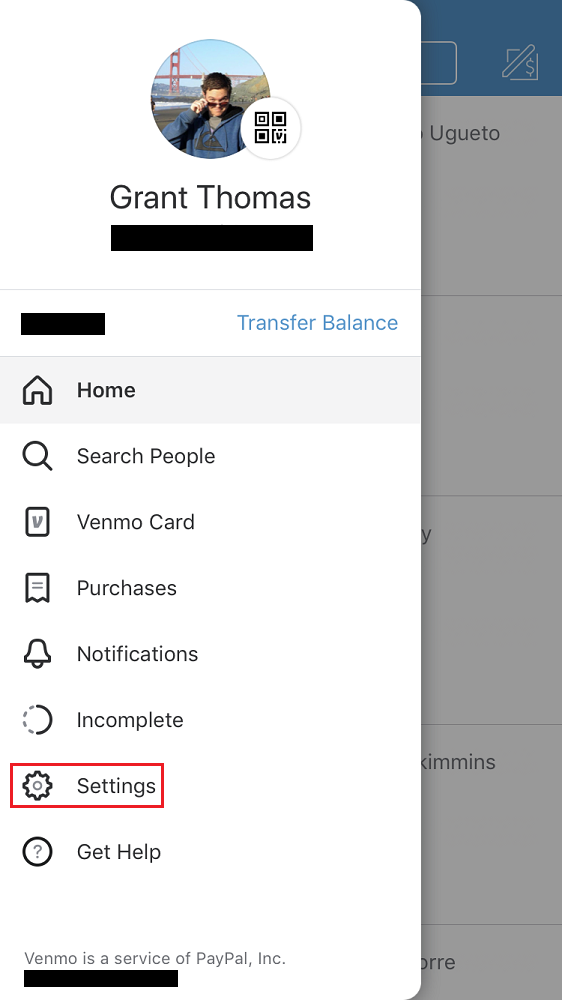
Navigate to the “Me” Tab: At the bottom of the Venmo app screen, you’ll typically find a navigation bar. Tap on the “Me” tab, often represented by a single person icon or your profile picture. This tab serves as your personal dashboard, displaying your transaction history and providing access to your profile settings.
-
Find the Settings Icon: On your “Me” profile screen, look for a gear icon or a “Settings” option, usually located in the top right corner. Tapping this icon will take you to the comprehensive settings menu, where you can manage various aspects of your Venmo account, including payment methods.
Managing Payment Methods
Once you are in the settings menu, you can begin to modify your financial instruments.
-
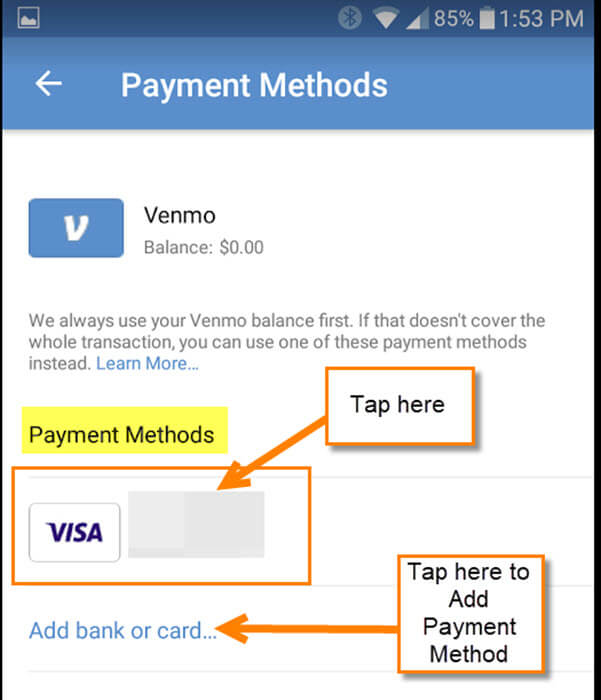
Locate “Payment Methods”: Within the Settings menu, scroll down until you find the “Payment Methods” section. This section is specifically designed for adding, removing, and prioritizing your linked bank accounts and cards.
-
Adding a New Method:
-
Tap on “Add a bank or card” or a similar option.
-
To add a Bank Account: You will typically be prompted to link your bank instantly using your online banking credentials (a secure process facilitated by third-party financial technology providers) or manually by entering your bank’s routing and account numbers. Manual linking will require small deposit verifications which can take a few business days.
-
To add a Debit or Credit Card: You will enter the card number, expiration date, CVV, and billing zip code. Venmo uses secure encryption protocols to protect this sensitive data.
-
-
Deleting an Existing Method:
-
Under “Payment Methods,” you will see a list of all currently linked bank accounts and cards.
-
Tap on the specific method you wish to remove.
-
Look for an option like “Remove,” “Delete,” or a trash can icon. Confirm your decision when prompted. This action detaches the financial instrument from your Venmo account.
-
-
Setting a Default/Preferred Method:
-
After adding or reviewing your methods, tap on the one you wish to make your default.
-
An option to “Make Preferred” or “Set as Default” should appear. Activating this will designate this method as the primary source of funds for future payments unless you manually select a different one during a transaction. Venmo often automatically prioritizes your Venmo balance first if it contains sufficient funds, followed by your preferred method.
-
Confirming Your Changes
After making adjustments, it’s good practice to ensure everything is set up correctly.
-
Review the “Payment Methods” List: Go back to the “Payment Methods” section and visually verify that your new preferred method is correctly listed and marked as default (if applicable).
-
Conduct a Test Transaction (Optional but Recommended): For absolute certainty, consider sending a small amount (e.g., $1) to a trusted friend. During the transaction process, pay close attention to the selected payment method before confirming the transfer. This live test confirms that your preferred method is indeed being utilized.
Best Practices for Managing Your Venmo Payment Methods
Effective management of your Venmo payment methods extends beyond mere technical steps. It involves adopting best practices that bolster security, optimize transaction efficiency, and proactively address potential issues. These practices are integral to a robust digital financial strategy.
Security Considerations
Digital payment platforms are a target for cyber threats, making security paramount.
-
Enable Multi-Factor Authentication (MFA): Always enable MFA (e.g., SMS verification, authenticator app) on your Venmo account. This adds an extra layer of security, requiring a second form of verification beyond your password, making it significantly harder for unauthorized users to access your account even if they obtain your password.
-
Regularly Review Linked Accounts: Periodically check your “Payment Methods” list. If you notice an unfamiliar account or card, remove it immediately. This vigilance helps detect unauthorized linkages.
-
Update Expired Cards Promptly: An expired card can lead to failed transactions. Replace or update the details of expired cards as soon as possible to maintain uninterrupted service.
-
Be Wary of Phishing Attempts: Venmo will never ask for your full financial details (like full card numbers or bank account PINs) via email or unsolicited messages. Always access Venmo directly through the official app or website when managing sensitive information.
Optimizing for Transactions
Strategic selection of payment methods can save you money and ensure smooth transactions.
-
Understand Fee Structures: Be aware that using a credit card for payments typically incurs a 3% fee for the sender. Whenever possible, for standard peer-to-peer payments, default to a bank account or debit card to avoid these charges. Venmo balance is always fee-free.
-
Prioritize Funds in Venmo Balance: If you receive money into your Venmo balance, utilizing these funds for subsequent payments is the most efficient and cost-free method. Consider keeping a small working balance for common transactions.
-
Ensure Sufficient Funds: Before initiating a payment, especially from a bank account, ensure that the linked account has sufficient funds to cover the transaction. Overdrafts can incur bank fees independent of Venmo.
-
Automate as Appropriate: For recurring payments, setting your preferred method wisely can automate the process, reducing manual intervention and potential oversight.
Troubleshooting Common Issues
Despite best practices, issues can arise. Knowing how to address them quickly is key.
-
Card Not Linking/Declined: Double-check that all card details (number, expiration, CVV, billing zip code) are entered correctly. Ensure the card is active and not expired. Sometimes, issues might stem from the issuing bank’s security protocols, requiring you to contact them to authorize Venmo linkages.
-
Bank Verification Problems: If manually linking a bank account, the small deposit verification can sometimes encounter delays or errors. Ensure your bank statements are accurate and that you’re entering the correct deposit amounts provided by Venmo. If issues persist, try instant verification via your bank login, or contact Venmo support.
-
Transaction Errors: If a payment fails with your preferred method, the app often provides an error code or message. Consult Venmo’s help center for specific error codes. Often, the issue is insufficient funds, an expired card, or a temporary system glitch. Try selecting an alternative payment method or retrying the transaction after a short period.
-
Contact Venmo Support: For persistent or complex issues that cannot be resolved through self-help, Venmo’s customer support is available via the app’s help section. Provide them with as much detail as possible to expedite resolution.

The Broader Impact of Digital Payment Method Management
The ability to seamlessly manage and switch payment methods within applications like Venmo is more than just a feature; it represents a significant shift in how individuals interact with their finances in the digital age. This granular control over financial tools reflects a broader trend in financial technology (fintech) towards user empowerment and customization.
From a technological perspective, the robust architecture that underpins Venmo’s payment method management system highlights advancements in secure data handling, real-time transaction processing, and user interface design focused on intuitiveness. The integration of various financial institutions—banks, credit card companies—into a single, cohesive app experience underscores the sophistication of modern API (Application Programming Interface) driven financial services. Users benefit from the convenience of having multiple funding sources accessible at their fingertips, making financial decisions quicker and more responsive to immediate needs.
Moreover, the emphasis on security protocols, such as multi-factor authentication and encryption, in managing these methods is critical. It instills confidence in users, fostering greater adoption of digital payment solutions. As technology continues to evolve, we can anticipate even more sophisticated methods for linking and managing financial instruments, potentially incorporating biometric data, AI-driven fraud detection, and even broader integration with other smart financial tools. The efficient management of preferred payment methods on platforms like Venmo is therefore not just about performing a simple task; it’s about leveraging the full potential of digital technology to enhance personal financial control and security in an increasingly connected world.
aViewFromTheCave is a participant in the Amazon Services LLC Associates Program, an affiliate advertising program designed to provide a means for sites to earn advertising fees by advertising and linking to Amazon.com. Amazon, the Amazon logo, AmazonSupply, and the AmazonSupply logo are trademarks of Amazon.com, Inc. or its affiliates. As an Amazon Associate we earn affiliate commissions from qualifying purchases.