
Updating your address with your bank might seem like a simple administrative task, but it holds significant implications for your personal finance security, regulatory compliance, and overall financial well-being. For Bank of America account holders, ensuring your contact information is current is a fundamental step in proactive financial management. A correct address ensures you receive critical financial communications, helps prevent fraud, and maintains the integrity of your banking relationship. Neglecting this crucial update can lead to missed statements, delayed tax documents, and even potential security vulnerabilities, all of which can have adverse effects on your financial health.
The Critical Importance of an Up-to-Date Bank Address
An accurate address on file with your bank is far more than a mere formality; it’s a cornerstone of sound personal financial management and security. The ramifications of an outdated address can ripple across various aspects of your financial life, leading to inconveniences, financial losses, or even legal complications.
Ensuring Financial Security and Fraud Prevention
In an era where identity theft and financial fraud are rampant, your bank’s ability to contact you reliably is a primary line of defense. When your address is current, Bank of America can quickly notify you of suspicious activity, unauthorized transactions, or potential data breaches via mail or other registered communications. If these alerts go to an old address, you could remain unaware of fraudulent activity on your account for an extended period, allowing criminals more time to inflict damage. Furthermore, banks use address verification as a security measure for certain transactions or when issuing new cards, preventing unauthorized individuals from intercepting sensitive financial items. Maintaining an accurate address protects your financial assets and helps safeguard against identity theft, a crucial component of robust personal financial security.
Receiving Vital Financial Statements and Tax Documents
Every month, Bank of America sends statements detailing your account activity, including transactions, balances, and any associated fees. These statements are not just records; they are vital tools for budgeting, reconciliation, and identifying discrepancies. Without them, it becomes challenging to track spending, monitor balances, and ensure accuracy. Moreover, come tax season, your bank issues various tax forms, such as 1099-INT for interest earned or 1098 for mortgage interest paid. These documents are legally required for accurate tax filing. If they are mailed to an incorrect address, you risk missing crucial deadlines, incurring penalties, or facing difficulties in completing your tax returns accurately, potentially leading to financial penalties or auditing issues with the IRS.
Avoiding Account Disruptions and Missed Communications
An incorrect address can lead to a cascade of practical problems. Important notices regarding changes to your account terms, new product offerings that could benefit your financial strategy, or alerts about expiring debit/credit cards might never reach you. This could result in unforeseen fees, missed opportunities for better financial products, or the inconvenience of an expired card without a replacement. In more severe cases, if Bank of America needs to contact you urgently regarding a security issue or a hold on your account, an outdated address could delay critical communication, potentially freezing your access to funds or exacerbating a financial emergency. Proactive address updates ensure uninterrupted access to your financial services and timely receipt of all necessary information, which is key to effective financial planning and management.
Methods for Updating Your Bank of America Address
Bank of America offers several convenient and secure methods to update your address, catering to different preferences and needs. Each method has specific requirements, primarily revolving around verifying your identity to protect your account from unauthorized changes.
Online Banking: The Most Convenient Approach
For most Bank of America customers, updating your address through the online banking platform or the mobile app is the quickest and most efficient method. This digital approach leverages robust encryption and multi-factor authentication to ensure your security.
-
Log In Securely: Access your Bank of America online banking account via their official website (bankofamerica.com) or the Bank of America mobile app. Always ensure you are on a secure connection and verify the website’s authenticity to protect against phishing attempts.
-
Navigate to Profile/Settings: Once logged in, look for a section typically labeled “Profile & Settings,” “Customer Service,” or “Personal Information.” The exact phrasing may vary slightly between the website and the app, but it’s usually accessible from a main menu or your account dashboard.
-
Update Contact Information: Within the profile section, you should find options to view and edit your personal details, including your address. Select the option to change your mailing or residential address.
-
Enter New Address and Verify: Carefully input your new address details. The system will likely prompt you for additional verification, such as a code sent to your registered phone number or email, or by asking security questions. This step is critical for preventing unauthorized changes and protecting your financial identity.
-
Review and Confirm: Before finalizing, double-check all entered information for accuracy. Confirm the change, and you should receive an on-screen confirmation and often an email notification that your address has been successfully updated.
In-Person at a Bank of America Financial Center
If you prefer face-to-face interaction or need assistance with the process, visiting a Bank of America financial center is an excellent option. This method provides an extra layer of personal security and allows you to resolve any questions directly.
-
Locate a Branch: Use the Bank of America website or mobile app to find the nearest financial center.
-
Gather Required Documents: Before your visit, ensure you have sufficient identification. This typically includes a valid, government-issued photo ID (such as a driver’s license or passport) and often proof of your new address (like a utility bill, lease agreement, or official government mail bearing your name and new address). Bringing your debit card or account number can also expedite the process.
-
Speak with a Representative: Inform the teller or a customer service representative that you wish to update your address. They will guide you through the necessary forms and verification steps.
-
Sign and Confirm: You may need to sign a form to authorize the change. The representative will process the update, and you can request confirmation of the change before leaving.
Via Phone Support
For those who find online methods challenging or cannot visit a branch, Bank of America’s customer service can assist with address changes over the phone.
-
Call Customer Service: Dial the customer service number typically found on the back of your debit/credit card or on the official Bank of America website.
-
Pass Security Verification: Be prepared to answer several security questions to verify your identity. These questions are designed to protect your financial information and may include details about your account, recent transactions, or personal identifying information.
-
Provide New Address: Once your identity is verified, clearly state your new address to the representative. They will input the information into their system.
-
Confirm Details: The representative will likely read back the new address for your confirmation. Ask for an estimated timeframe for the change to take effect and if any confirmation will be mailed.
By Mail (Less Common but Available)
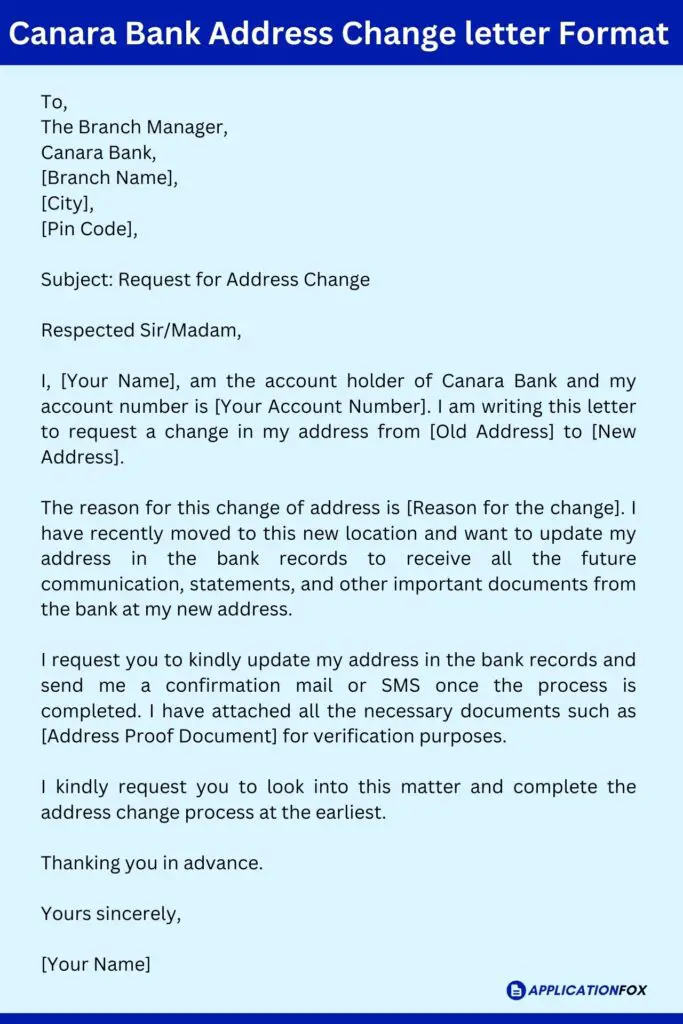
While less common due to the prevalence of digital and phone options, it is generally possible to update your address by mail, though this method is the slowest.
-
Request Official Form: It is advisable to first contact Bank of America’s customer service to inquire about any specific forms required for an address change by mail. This ensures you send the correct documentation.
-
Prepare a Written Request: Clearly state your full name, old address, new address, account numbers, and contact information. Include a photocopy of a valid government-issued ID and a document proving your new address. Do NOT send original documents.
-
Mail Securely: Send your request to the official Bank of America mailing address for customer service or account updates (verify this address on their official website). Consider using certified mail with a return receipt for proof of delivery, which can be a wise financial and legal precaution.
Required Information and Documentation for Address Changes
Regardless of the method chosen, Bank of America will require specific information and documentation to authenticate your identity and validate your new address. These measures are critical for preventing fraud and complying with financial regulations, such as Know Your Customer (KYC) requirements.

Personal Identification
You will invariably need a valid, government-issued photo identification. This typically includes:
-
Driver’s License or State ID Card: Must be current and clearly show your name, photo, and signature.
-
Passport: A valid passport serves as a strong form of identity verification.
-
Other Government-Issued IDs: Depending on your location and circumstances, other official IDs might be accepted.
Proof of New Address
To confirm your new residence, Bank of America will require a document that links your name to the new physical address. These documents should ideally be recent (usually within the last 30-60 days) and include your full name and the new address. Examples include:
-
Utility Bill: Electric, gas, water, or internet bill.
-
Lease Agreement or Mortgage Statement: A current lease or recent mortgage statement.
-
Bank or Credit Card Statement: A statement from another financial institution showing the new address.
-
Official Government Mail: A tax bill, vehicle registration, or other government correspondence.
-
Insurance Policy: A current home or renter’s insurance policy.
Account-Specific Details
When contacting Bank of America, be prepared to provide details related to your account to further verify your identity. This might include:
-
Account Numbers: Your checking, savings, or credit card account numbers.
-
Debit Card or Credit Card Number: The full card number and expiration date for verification purposes.
-
Social Security Number (SSN) or Taxpayer Identification Number (TIN): For security questions and identification.
-
Mother’s Maiden Name or Other Security Questions: Answers to pre-established security questions.
Potential Additional Verification Steps
In certain situations, especially if there are unusual circumstances or if the system flags a potential risk, Bank of America may require additional verification. This could involve an additional phone call, a secure message through online banking, or a request for further documentation to ensure the change is legitimate. These steps are designed to protect your financial assets from unauthorized access and fraud.
Post-Update Checklist: Securing Your Financial Future
Changing your address with Bank of America is an important step, but it’s part of a larger financial responsibility. Once the update is complete, a proactive post-update checklist is essential to fully secure your financial future and ensure seamless operation across all your financial touchpoints.
Confirming the Address Change
The first step after initiating an address change is to confirm it has been successfully processed.
-
Check Online Profile: Log back into your Bank of America online banking account or mobile app a few business days after your request to verify that your new address is now displayed.
-
Expect Mail at New Address: Keep an eye out for any subsequent bank statements, notices, or confirmations mailed to your new address. This is the ultimate physical confirmation. If mail continues to arrive at your old address, contact the bank immediately.
Updating Other Financial Institutions and Services
Your Bank of America account is likely just one piece of your overall financial portfolio. Failing to update your address across all relevant institutions can lead to significant financial and logistical headaches.
-
Credit Card Companies: Update your address with all credit card issuers to ensure you receive statements, new cards, and fraud alerts. Missing these can impact your credit score and security.
-
Investment Firms: If you have brokerage accounts, mutual funds, or other investments, update your address to receive crucial statements, tax documents, and proxy voting materials.
-
Loan Providers: This includes mortgage lenders, auto loan providers, and student loan servicers. Ensure they have your current address for statements and important notices.
-
Utility Companies: While not a financial institution, ensuring utilities (electricity, gas, water, internet) are updated prevents service disruptions and ensures you receive accurate bills, which directly impacts your budget.
-
Employer (for Payroll): Make sure your employer has your current address for W-2 forms and other important HR communications.
-
Government Agencies: Notify the U.S. Postal Service (USPS) of your change of address for mail forwarding. Also, consider updating your address with the IRS to ensure tax refunds, notices, and other critical tax communications reach you.
-
Insurance Providers: Update your home, auto, life, and health insurance providers to ensure policies and billing information are sent correctly.
Monitoring Your Accounts for Irregularities
After any significant change to your personal information with a financial institution, it’s a best practice to heighten your vigilance regarding account activity.
-
Regularly Review Statements: For the first few months, meticulously review all bank and credit card statements (both paper and online) to ensure no unauthorized transactions or activities occurred around the time of the address change.
-
Check Credit Reports: Periodically obtain free copies of your credit report from the three major bureaus (Equifax, Experian, TransUnion) to check for any new accounts opened in your name or other suspicious activity that could indicate identity theft.
Understanding the Implications for Joint Accounts
If you have a joint account with another individual, be aware that updating your address might affect how statements or other communications are sent to both parties. Discuss the change with the joint account holder to ensure both are aware and agree on how communications should be handled going forward. In some cases, both parties might need to verify the change.
Common Pitfalls and Best Practices
Navigating address changes with financial institutions can sometimes present challenges. Being aware of common pitfalls and adhering to best practices can streamline the process and further secure your personal finances.
Avoiding Delays by Preparing Documentation
One of the most frequent causes of delay in updating an address is insufficient or incorrect documentation. Before attempting to change your address, gather all necessary identification and proof of residence. Ensure documents are current, clearly legible, and meet Bank of America’s specific requirements. Having these ready will prevent multiple contact attempts or repeat visits, saving you time and effort.
Cybersecurity Best Practices During Online Updates
When using Bank of America’s online banking platform or mobile app, prioritize cybersecurity.
-
Use Strong, Unique Passwords: Ensure your online banking password is complex and not used for any other service.
-
Enable Multi-Factor Authentication (MFA): Bank of America typically requires MFA for sensitive actions. Always utilize this feature, as it adds a critical layer of security to your account.
-
Beware of Phishing: Only access Bank of America’s online portal by typing their official URL directly into your browser or using their official mobile app. Never click on links in suspicious emails or text messages, which could lead to fraudulent websites designed to steal your login credentials.
-
Secure Wi-Fi: Avoid making sensitive updates on public or unsecured Wi-Fi networks. Use a private, trusted network or your mobile data connection.
What to Do if You Encounter Issues
If you face difficulties updating your address, or if you suspect an unauthorized change has occurred:
-
Contact Bank of America Immediately: Use the official customer service number or visit a branch. Be prepared to explain the situation clearly and have your account information and identification ready.
-
Document Everything: Keep a record of who you spoke with, the date and time of the conversation, and any reference numbers provided. This documentation can be invaluable if further follow-up is needed.
-
Escalate if Necessary: If your issue isn’t resolved satisfactorily, ask to speak with a supervisor or manager.
Proactive management of your personal information with your bank is a fundamental aspect of maintaining financial health and security. By understanding the process, preparing thoroughly, and following best practices, you can ensure your financial communications remain accurate, your accounts stay secure, and your overall financial life runs smoothly.
aViewFromTheCave is a participant in the Amazon Services LLC Associates Program, an affiliate advertising program designed to provide a means for sites to earn advertising fees by advertising and linking to Amazon.com. Amazon, the Amazon logo, AmazonSupply, and the AmazonSupply logo are trademarks of Amazon.com, Inc. or its affiliates. As an Amazon Associate we earn affiliate commissions from qualifying purchases.